
Traditional Linen Press
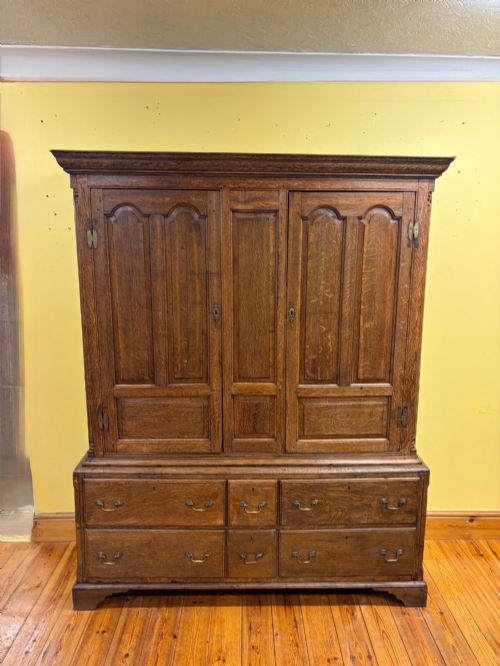
A traditional linen press is a substantial storage piece built for domestic order, combining upper cupboard space with lower drawers.
Traditional Linen Press
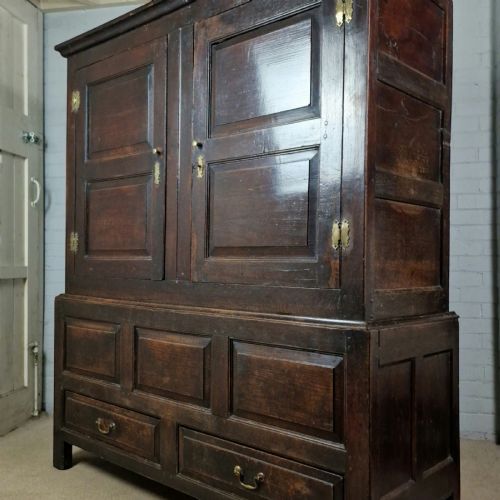
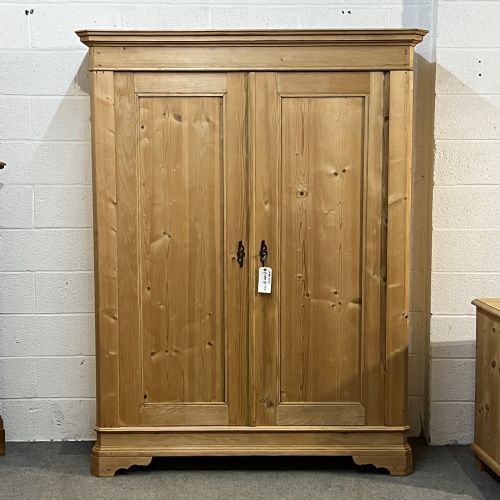
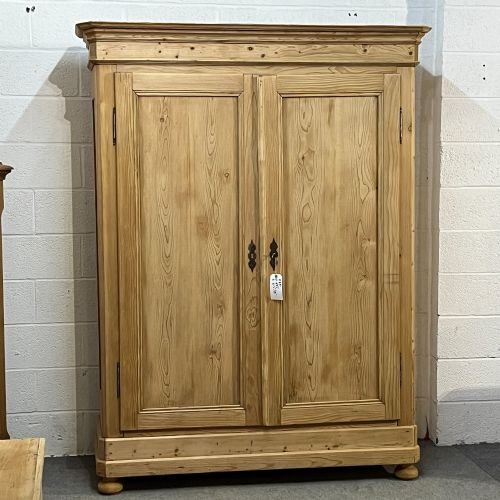
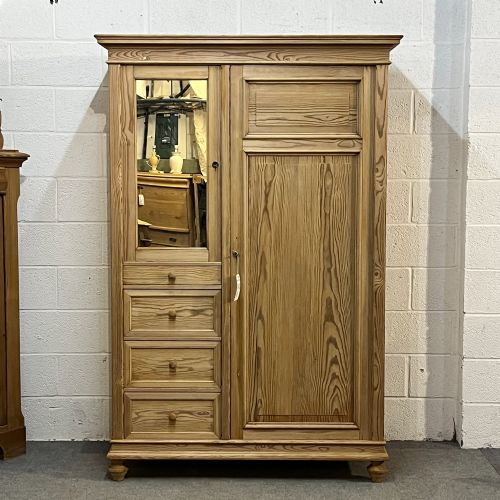
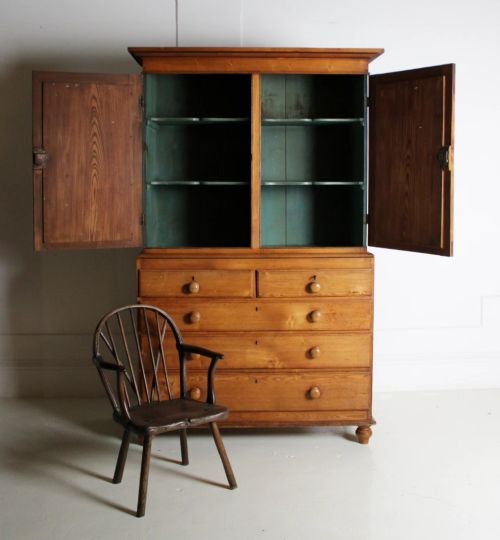
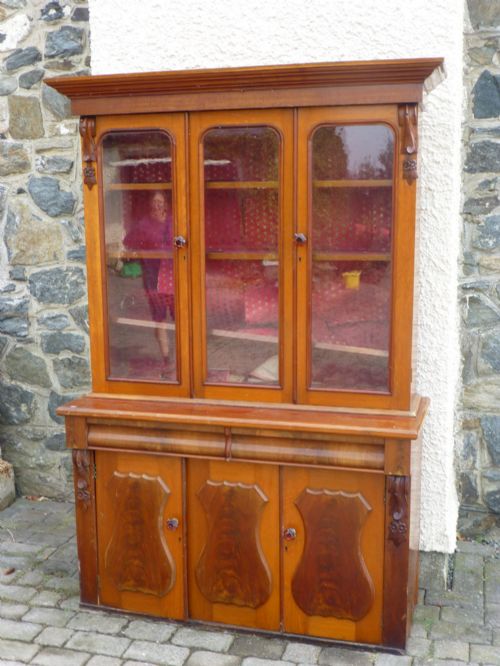
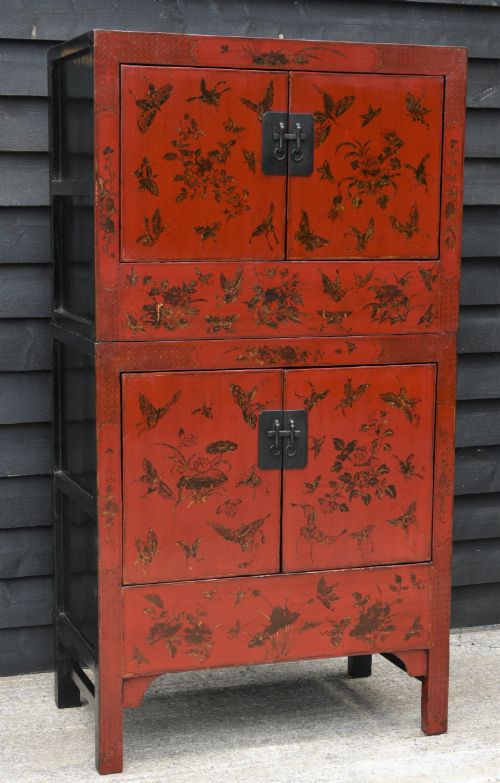
A traditional linen press meets the domestic requirement for storing folded textiles and garments within a substantial wooden housing. Buyers searching for a traditional linen press encounter pieces originating in the Georgian and Victorian eras, alongside 19th-century country examples.
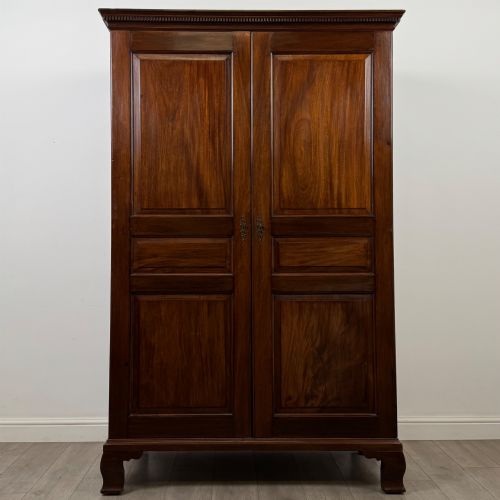
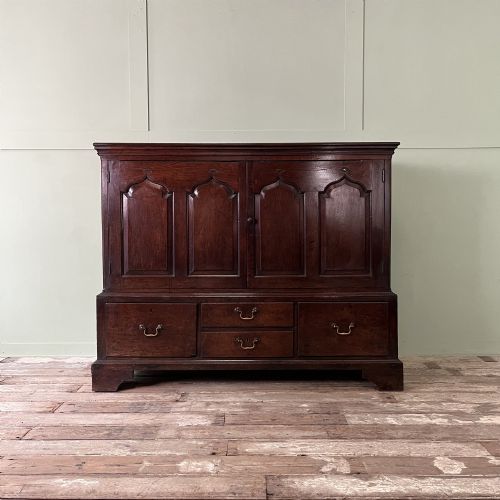
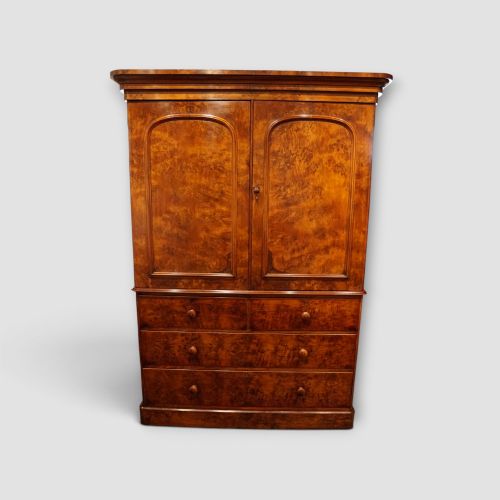
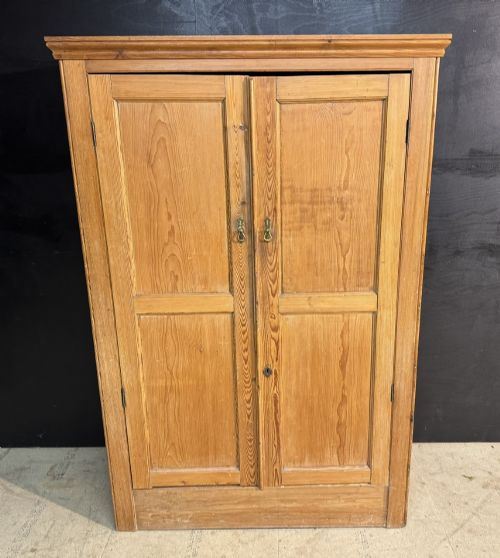
The form typically combines upper shelving enclosed by doors with a chest of drawers set in the lower section. Oak and mahogany dominate the earlier Georgian examples, whilst 19th-century pieces frequently utilise pine, ash, and burr walnut.
How they were made
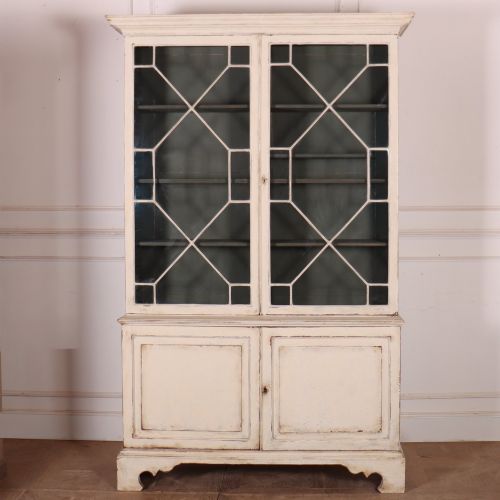
Cabinet makers built these pieces using solid hardwoods such as oak, mahogany, and walnut, alongside softer woods including pine and ash. Surfaces often display natural wood grains, though many regional and country pieces feature paint finishes, scumble glaze, or wax.
Brass and iron hardware, including hinges, handles, and escutcheons, secure the doors and drawers of these heavy carcases. Construction methods rely on traditional joinery to support the weight of timber panels and internal shelving units.
Listings feature pieces from the Georgian, Victorian, and 19th-century periods, constructed in pine, oak, mahogany, and walnut.
What varies in quality
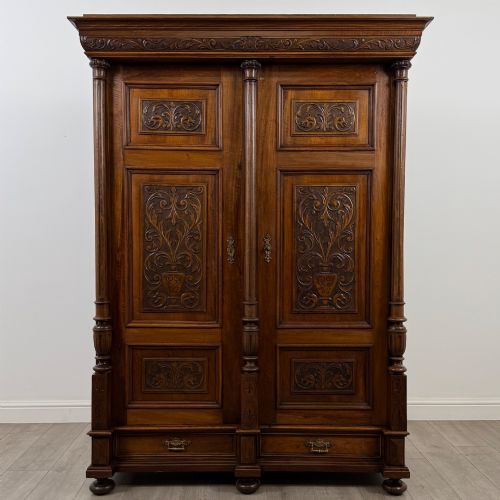
The calibre of timber selection and the precision of the cabinet joinery determine the distinction between standard and superior examples. Finer pieces display carefully matched veneers, such as flame mahogany or burr walnut, applied to the main structure.
Proportion and architectural detail differentiate regional workshop production from high-style metropolitan cabinet work. Original internal sliding trays and unaltered brass hardware elevate the integrity of a surviving press.
The Traditional Linen Press Glossary
- Press
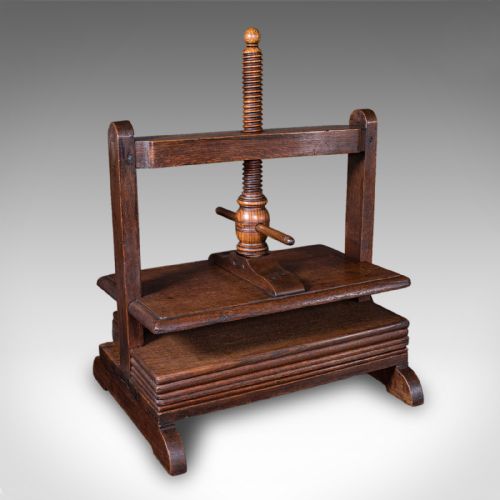
- A large vertical cabinet designed primarily for storing folded clothing, linens, or books behind panelled doors. These pieces usually incorporate sliding shelves or drawers within the upper compartment.
- Housekeeper's cupboard
- A large storage furniture form used in country houses to store provisions, household linen, and tableware. They typically feature panelled doors and substantial lower drawer arrangements.
- Escutcheon
- A protective plate surrounding a keyhole, often fashioned from brass or iron. It prevents the surrounding wood from wearing down through repeated use of the key.
- Scumble paint
- A decorative surface treatment applied to 19th-century furniture to imitate the grain of more expensive hardwoods. Artisans dragged or combed a translucent coloured glaze over a pale base coat.
Traditional Linen Press: Frequently Asked Questions
What is a traditional linen press used for?
These large cabinets served domestic households for storing folded bed linen, tablecloths, and garments before fitted wardrobes became common.
Today, buyers utilise the internal shelving and lower drawers for versatile storage in bedrooms, hallways, or living spaces.
How do I tell Georgian from Victorian presses?
Georgian pieces generally feature timbers like oak and mahogany with formal architectural proportions, bracket feet, and classical cornices.
Victorian examples often utilise pine, ash, or burr walnut, displaying heavier mouldings and different drawer configurations.
Are these pieces made from solid wood?
Most traditional presses utilise solid timbers for their structural framework, carcase sides, and internal components.
Finer examples from the 18th and 19th centuries incorporate decorative wood veneers applied over secondary structural woods.
How do I care for a wooden press?
Keep wooden furniture away from direct heat sources and sudden temperature fluctuations to prevent timber movement and splitting.
Maintain waxed or polished surfaces using traditional beeswax formulations rather than modern silicone sprays.