
Vintage Painted Wardrobe
A vintage painted wardrobe brings character and colour to a bedroom while offering practical storage for modern homes.
Vintage Painted Wardrobe
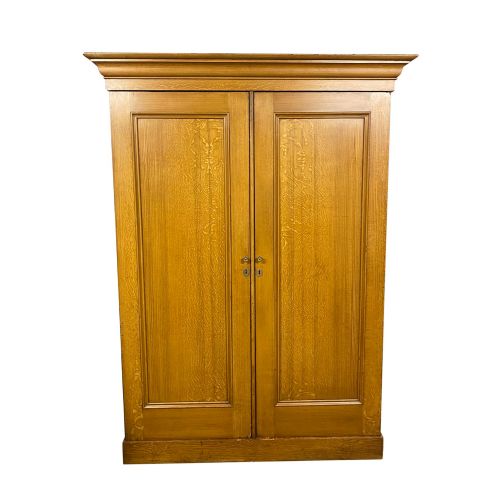
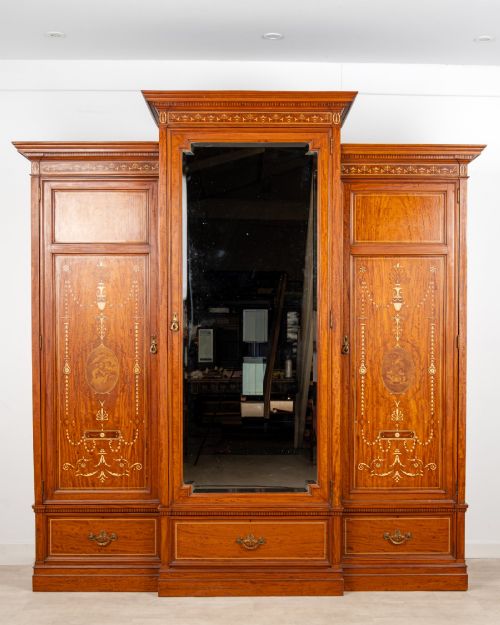
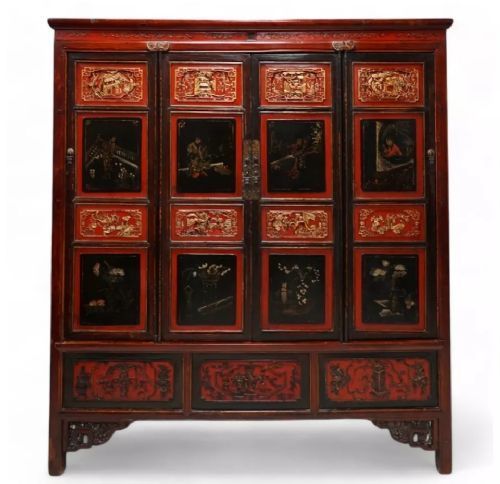
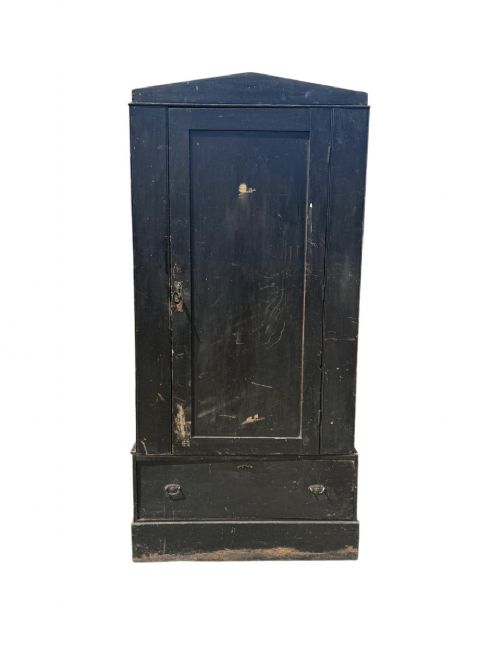
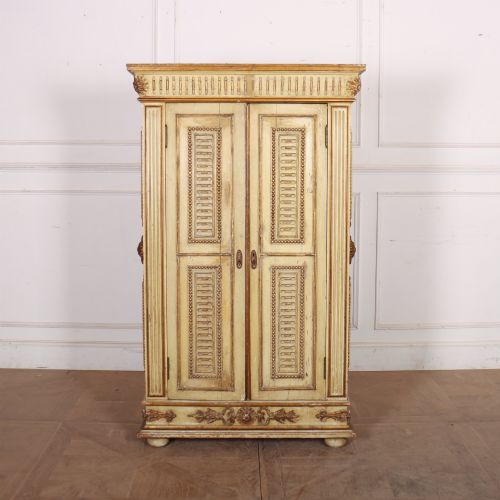
A vintage painted wardrobe encompasses tall storage pieces finished with surface decoration or colour, ranging from grand multi-door compactums to simpler single-door cupboards. Buyers searching for a vintage painted wardrobe will find pieces built from solid timbers like pine, ash, and elm, originating from various periods including the Georgian and Victorian eras.
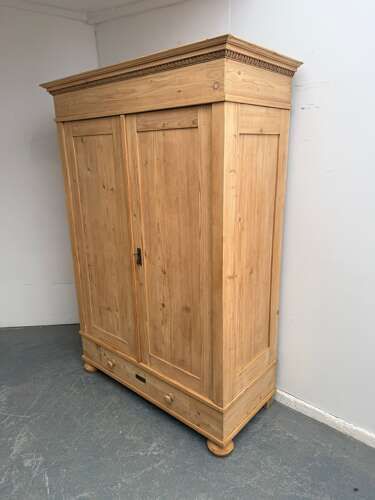
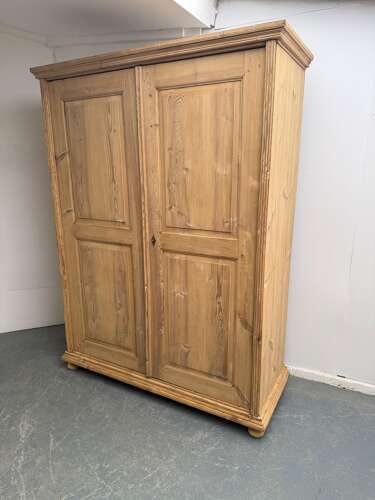
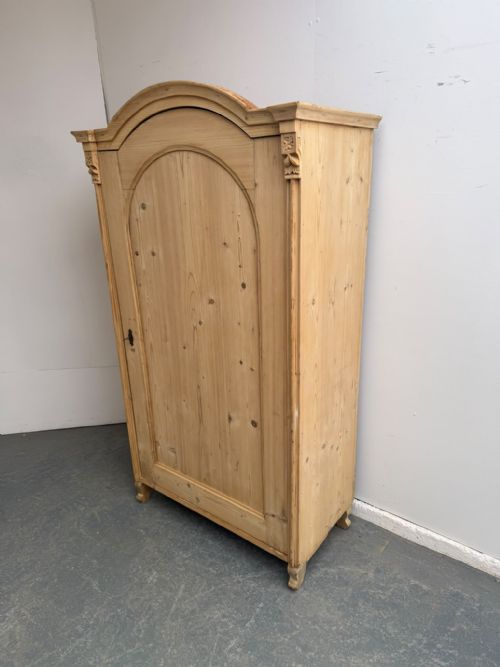
The most common examples on this page are sturdy pine knockdown wardrobes and cupboards, often discovered in traditional European styles such as Scandinavian, Hungarian, and English country forms. These utilitarian pieces were constructed to dismantle easily for transport and frequently feature painted surfaces applied either during their original manufacture or in subsequent decades.
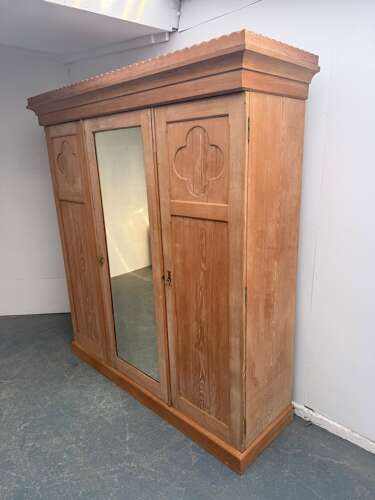
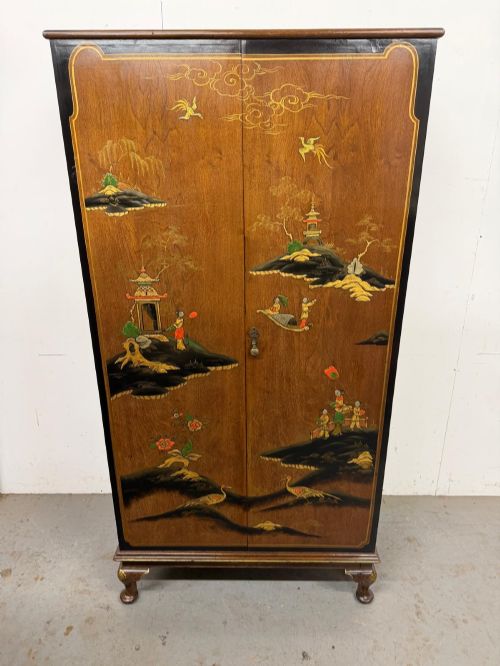
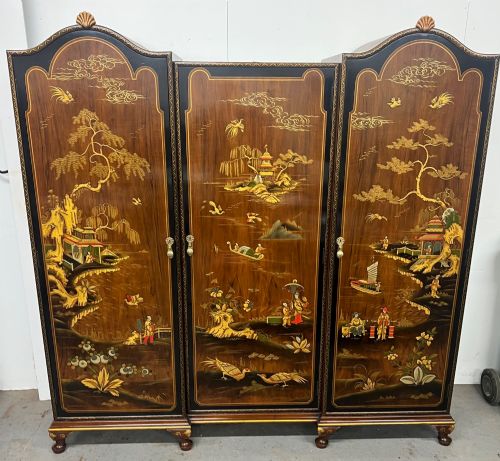
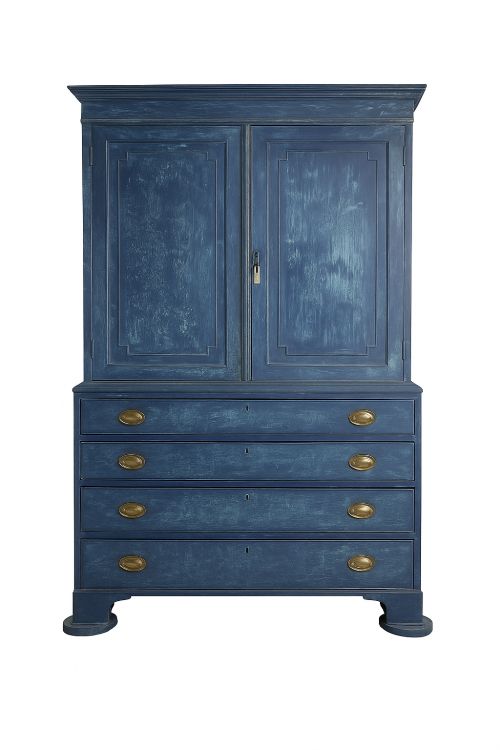
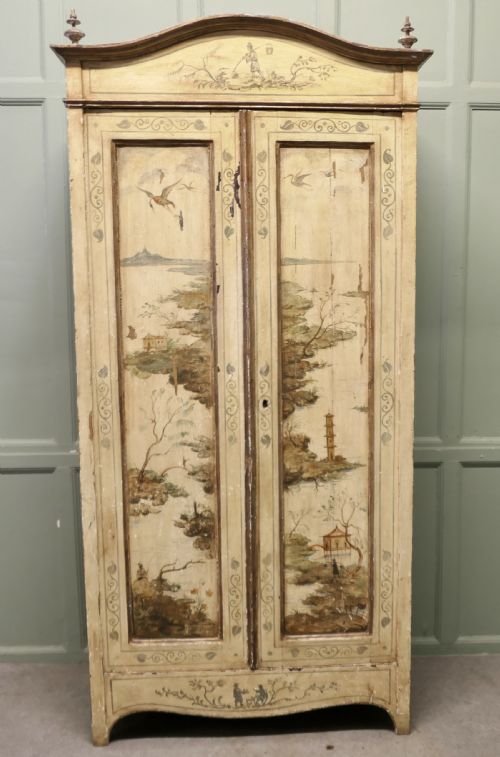
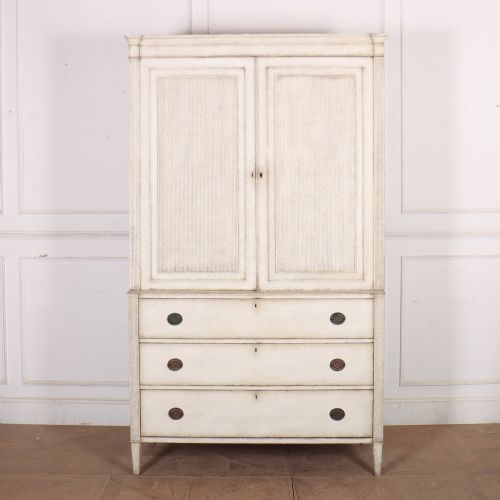
Beyond standard bedroom pieces, the selection includes specialised storage forms like linen presses, compactums, and marriage cabinets, alongside decorative variations finished in lacquer, polychrome, or Chinoiserie styles. Each item provides deep interior space fitted with shelves or hanging room behind one, two, or three doors.
Materials and construction
Makers constructed these carcasses primarily from native softwoods and hardwoods, utilising pine, oak, ash, and cedar alongside exotic imported woods like Chinese elm and teak. Joinery methods relied on traditional pegged joints, dovetailing for drawer construction, and knockdown panel systems that allowed large pieces to be disassembled.
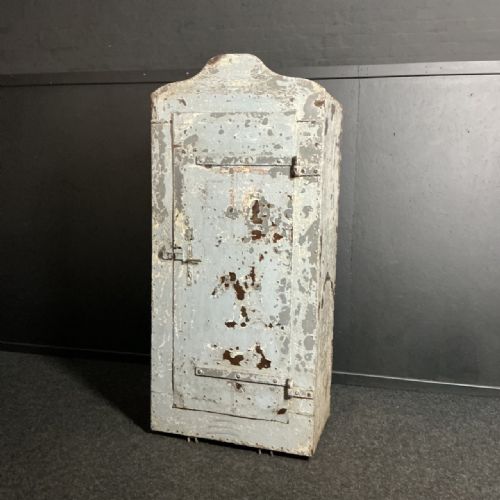
Surfaces received various protective and decorative treatments, spanning from plain lead-based or oil paints to intricate scumble faux finishes, lacquer work, and hand-painted polychrome outdoor scenes. Metal hardware in iron and brass provided functional hinges, key escutcheons, and drop handles to secure the heavy doors.
Vintage Painted Wardrobe Retail Price Guide 2026
Typical asking prices for vintage painted wardrobe among the pieces listed under this phrase on Sellingantiques today, from the lower quarter to the upper quarter. They describe what is for sale here now, not the wider market.
Markers of distinction
Quality rests significantly on the integrity of the original construction and the survival of untouched surface treatments, whether original decorative lacquer or early layered paintwork. Pieces retaining their original knockdown mechanisms, working locks, and interior fittings demonstrate superior factory or workshop design.
Proportion and decorative ambition separate standard utility items from finer examples, with carved mouldings, panelled doors, and specialist finishes like Chinoiserie elevating the piece. The harmonious balance of the cornice, doors, and plinth distinguishes exceptional vernacular cabinetmaking from routine utilitarian storage.
Maples and Co
The Vintage Painted Wardrobe Glossary
- Compactum
- A large, compartmentalised wardrobe combining hanging space, shelves, and internal drawers within a single multi-door unit. These were designed to hold an entire wardrobe of clothing efficiently.
- Knockdown wardrobe
- A large piece of furniture engineered to be easily dismantled into flat panels and separate cornices for moving between rooms or houses. Wedges, bolts, or simple slot-in joints usually secure the frame.
- Linen press
- A tall cupboard featuring upper sliding trays or shelves traditionally used for storing folded textiles, placed above a set of lower drawers. They frequently share proportions with standard bedroom wardrobes.
- Scumble paintwork
- A decorative technique where a translucent top glaze is manipulated over a lighter base coat to imitate the grain of expensive timbers like oak or burl. It was often utilised on utility pine furniture.
- Polychrome
- Painted in several distinct colours, often used to describe decorative folk art furniture adorned with floral motifs or pictorial scenes. This finish is frequently found on continental European armoires.
- Chinoiserie
- European imitation and adaptation of Chinese artistic styles, characterised by raised lacquer work and painted motifs depicting figures, pagodas, and landscapes. It appears on high-status cabinets and wardrobes.
Vintage Painted Wardrobe: Frequently Asked Questions
How do I assemble a knockdown wardrobe?
Knockdown wardrobes utilise interlocking panels, wooden pins, or internal bolts designed to hold the heavy sides, top, and base together securely without permanent glue. Two people are usually required to support the upright panels while locating the cornice and base correctly.
Once the main frame is plumb and square, the doors are hung on their original hinges and the back panels are slid or pinned into place. Checking that the piece sits level on the floor ensures the doors swing true and close evenly.
What is the difference between an armoire and a wardrobe?
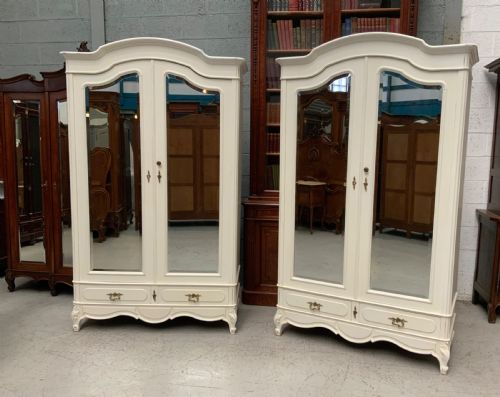
An armoire is traditionally a continental European cupboard featuring deep proportions and decorative panel doors, originally designed for storing arms or armour before evolving into general storage. Wardrobes are British or American forms specifically built with hanging space for garments.
In modern usage, the terms often overlap, and many continental armoires are adapted with internal rails to function as everyday wardrobes.
Can I add hanging rails inside an old cupboard?
Many older cupboards and linen presses contain only fixed or adjustable wooden shelves rather than modern hanging space. Metal or wooden rails can be fitted easily between the interior sides to accommodate longer garments.
When adding rails, consider the internal depth of the piece to ensure coat hangers fit without preventing the doors from shutting completely.
How do I care for painted wooden furniture?
Painted surfaces require gentle cleaning with a soft, dry cloth to remove dust without abrading historical layers of pigment. Avoid harsh chemical cleaners, excess water, and modern silicone polishes that can soften traditional oil or milk paints over time.
Keeping the furniture away from direct sunlight and dramatic humidity changes prevents the underlying timber from expanding and cracking the painted finish.