
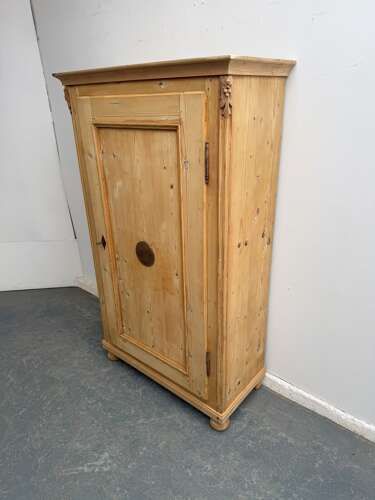
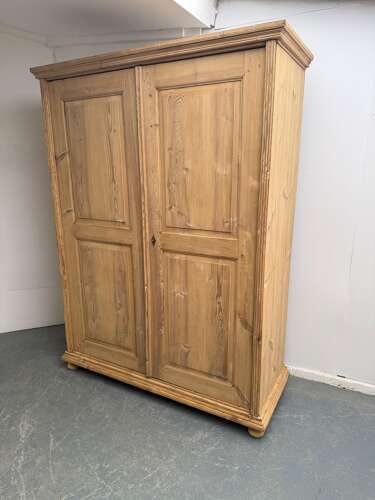
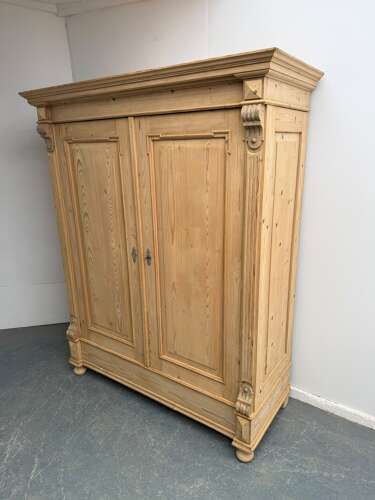
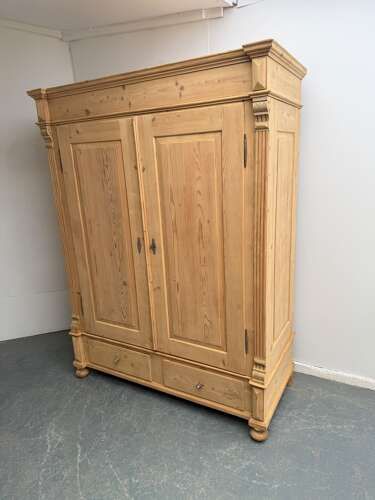
Painted Pine Wardrobe
These painted pine wardrobe pieces offer practical storage with rustic character, making them a charming addition to period and country interiors.
Understanding the painted pine wardrobe
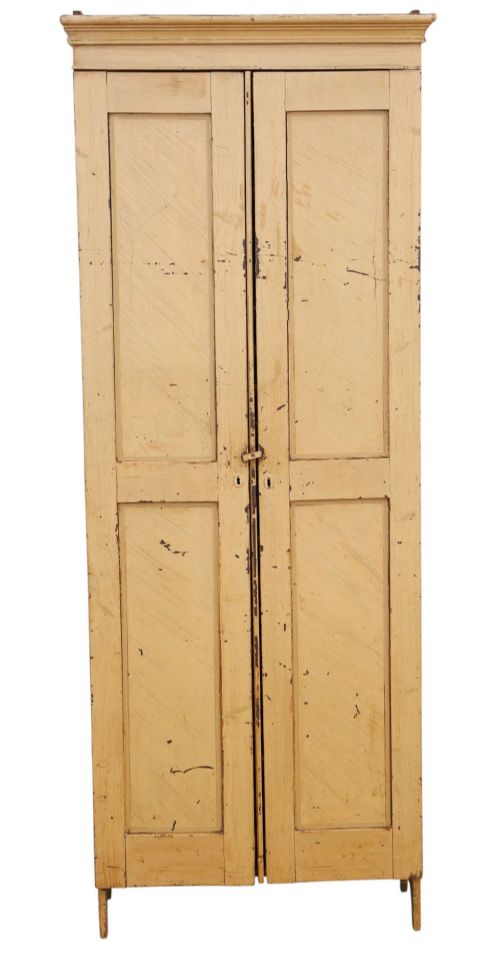
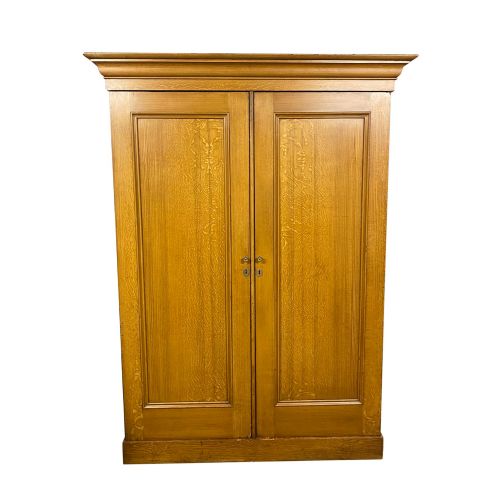
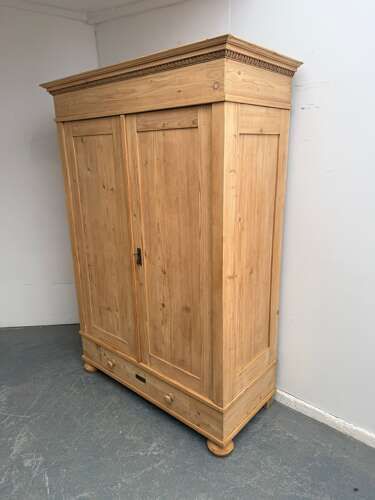
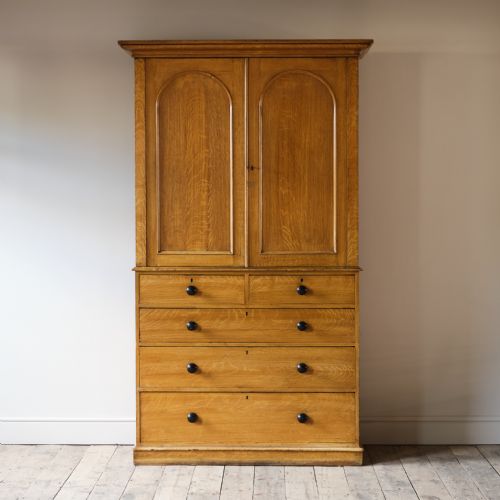
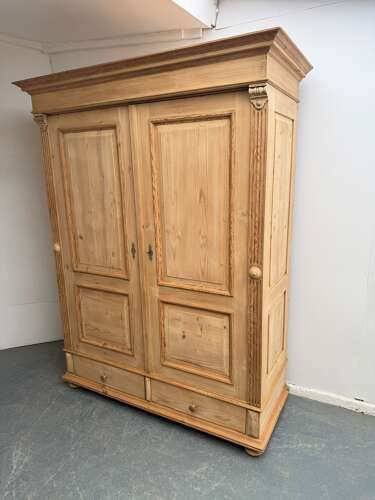
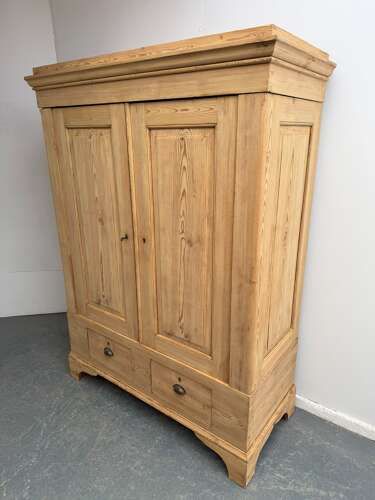
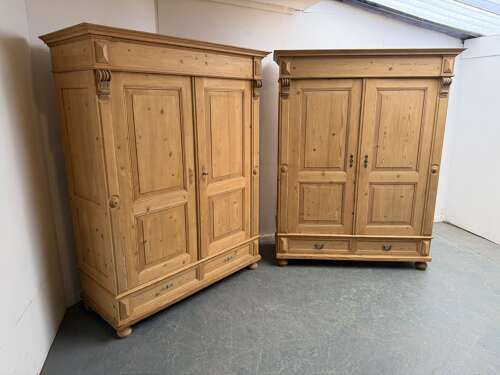
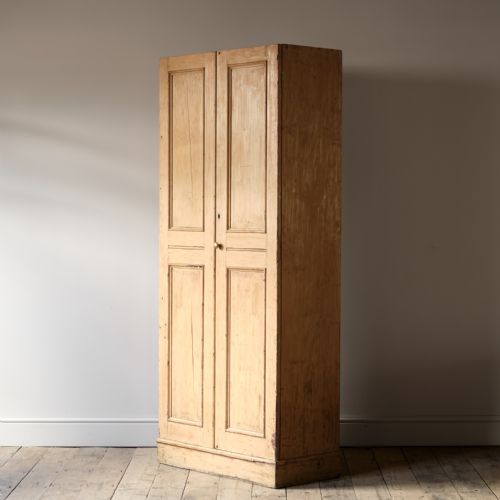
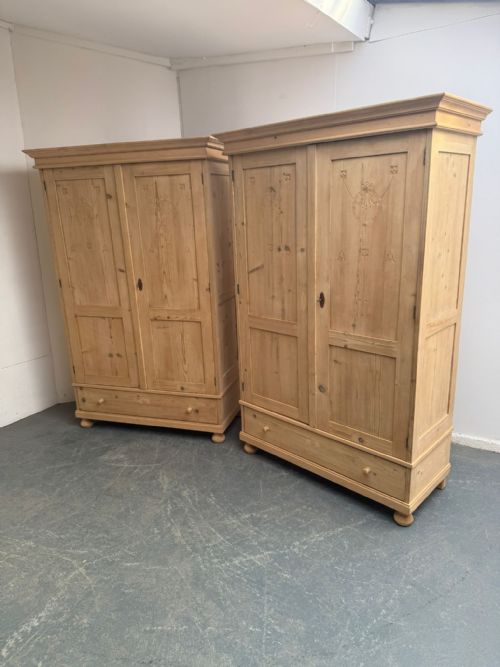
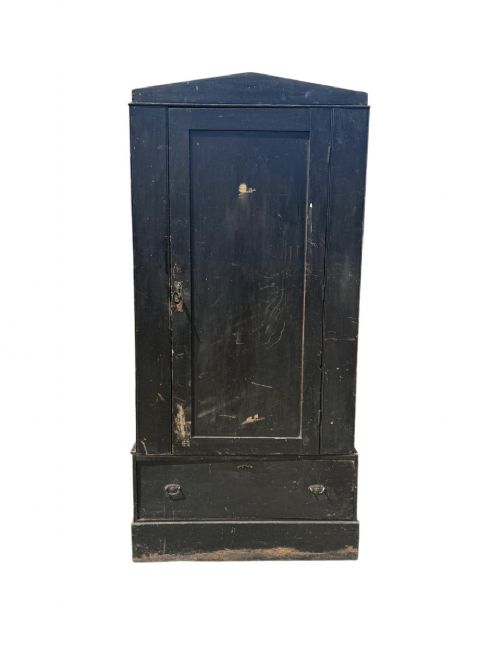
A painted pine wardrobe provides robust bedroom or hallway storage in forms ranging from slim single door cupboards to large continental and triple breakfronted designs. When you search for a painted pine wardrobe, you encounter pieces spanning the eighteenth, nineteenth, and early twentieth centuries, reflecting diverse regional traditions.
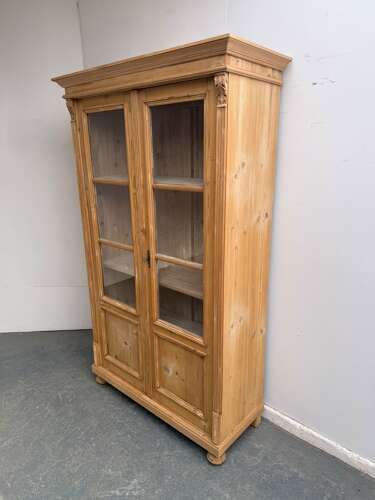
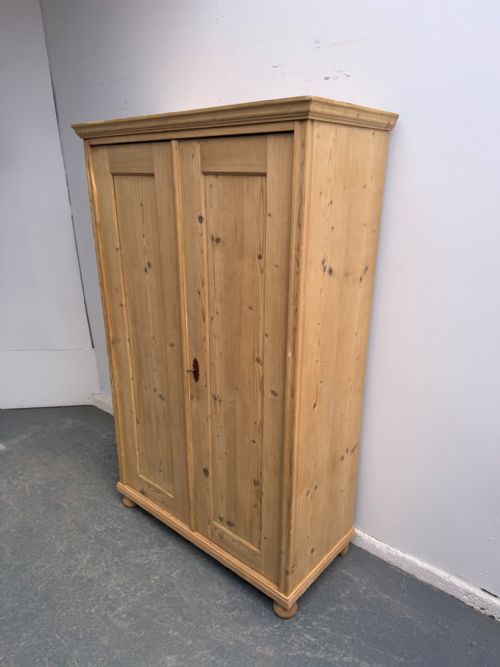
The selection includes English country and Victorian examples alongside continental marriage armoires and Scandinavian folk art cupboards. Many pieces function as two door wardrobes, while others take the form of compactum units, linen presses, or hall cupboards.
Regional variations shape the proportions and surface finishes, from simple country estate utility pieces to ornately decorated Bohemian and French armoires. Buyers select these items for their blend of substantial storage capacity and decorative painted surfaces.
Materials and construction
Carpenters constructed these wardrobes primarily using solid pine, building carcases with panelled doors and fitted interiors that often dismantle for transport. Iron and brass hardware, including strap hinges and key escutcheons, secure the doors and drawers.
Surface decoration relies on layers of paint, sometimes applied over earlier finishes or finished with scumbling techniques to create faux wood grain or textured effects. Subsequent layers of historical paint build up rich patination over the original pine timber.
Retail Price Guide 2026
Typical UK retail prices for painted pine wardrobe, calculated from the Sellingantiques database of over a million retail prices indexed since 2003. This retail price guide relies exclusively on Sellingantiques data; no external sources or auction records are used, so the figures do not describe the wider market.
Available forms range from single door hall wardrobes and child's cupboards to multi-section breakfronted armoires and marriage cupboards.
Evaluating quality and condition
Quality rests in the integrity of the original pine timber construction and the survival of early or original painted surfaces. Finer examples display harmonious proportions, well executed panel work, and balanced patination across the painted exterior.
The sophistication of the decorative paintwork distinguishes standard utility cupboards from exceptional folk art and empire armoires. Intact internal fittings, original iron or brass mounts, and sound structural joints elevate the standing of a piece.
Heal and Son
The Painted Pine Wardrobe Glossary
- Scumbling
- A painting technique involving a thin, translucent layer of glaze brushed over a solid base coat to create mottled or textured depth. This method often imitates richer timbers or adds aged character to country furniture.
- Compactum
- A large wardrobe combining hanging space with internal drawers, shelves, and sometimes small compartments. These multi-section pieces provide comprehensive storage within a single footprint.
- Breakfronted
- A cabinet design where the central section projects forward from the flanking wings. This architectural arrangement creates visual rhythm and deeper internal storage.
- Armoire
- A large upright cupboard or wardrobe, typically originating from continental Europe. These pieces often feature deep proportions and decorative paneling suited to substantial garments.
- Marriage armoire
- A large celebratory cupboard traditionally commissioned or decorated to mark a wedding in regions like Austro-Hungarian Bohemia. They frequently display specific folk motifs and dates.
Frequently Asked Questions
How do I assemble a dismantled wardrobe?
Many large continental and breakfronted pieces were designed to dismantle into sections or panels for easier transport and room placement. Pegs, screws, or tongue and groove joints hold the carcase together securely without permanent glue.
Take care to align the panels correctly and check that the iron or brass hardware is refitted into its original seating. Enlisting an extra pair of hands helps steady the heavy pine sides while securing the top and base.
Can I fit modern hangers inside these wardrobes?
Older wardrobes often feature shallower internal depths or traditional wooden hanging pegs rather than modern rails. Check the internal depth dimensions before purchase if you intend to store contemporary garments on standard hangers.
Many owners successfully install slim metal hanging rails or adapt existing timber hanging bars to accommodate modern coat hangers. Ensure any internal modifications respect the structural integrity of the original pine lining.
How should I clean a painted pine surface?
Maintain painted pine surfaces by dusting gently with a dry, soft cloth to prevent dirt accumulation. Avoid harsh chemical cleaners, abrasive pads, or excessive water that might soften or lift historical paint layers.
If deeper cleaning is necessary, use a damp cloth with a mild, neutral soap solution, drying the wood immediately afterwards. Preserving the existing patination safeguards the historical character of the piece.
How do I distinguish Victorian from earlier pieces?
Victorian examples frequently display machine sawn timber, standardised iron hinges, and distinct colour choices such as greys, blacks, or sky blues. Earlier eighteenth and early nineteenth-century pieces often reveal hand-planed board marks and regional folk art painting styles.
Examine the construction joints, nail types, and backboards for clues regarding manufacturing date. Regional variations in continental pieces can also help narrow down the production period.