



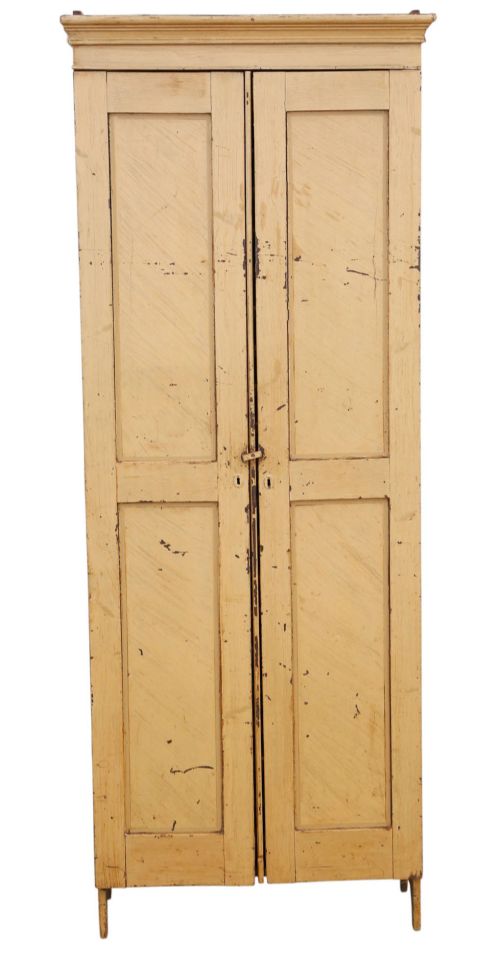
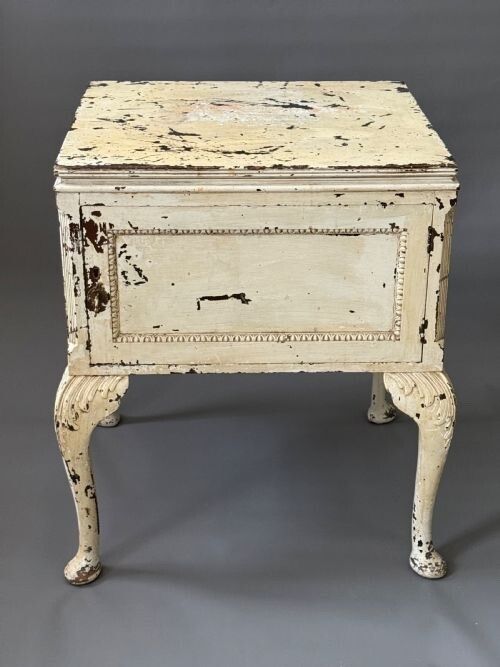
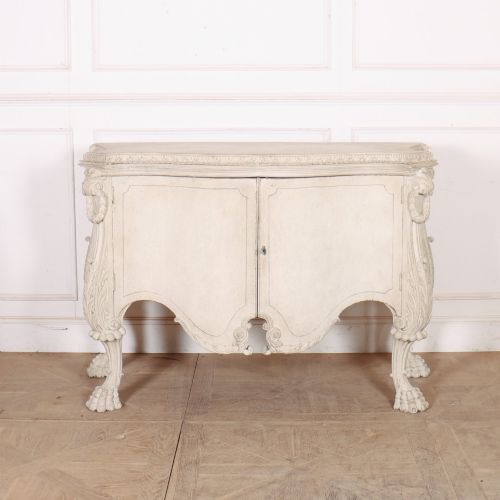
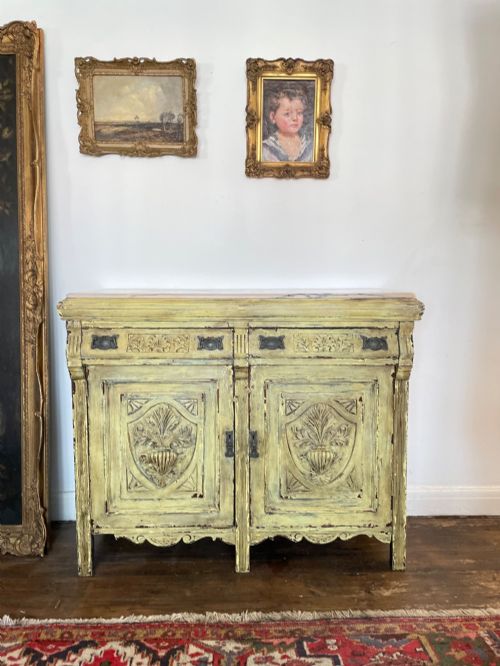
Distressed Painted Cupboard
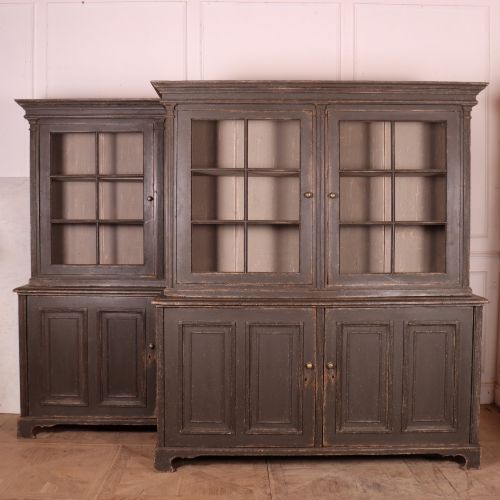
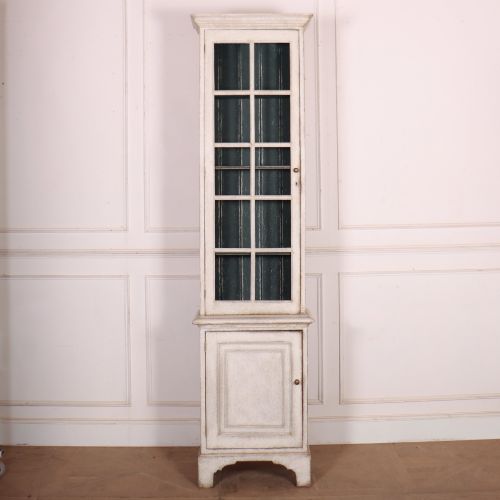
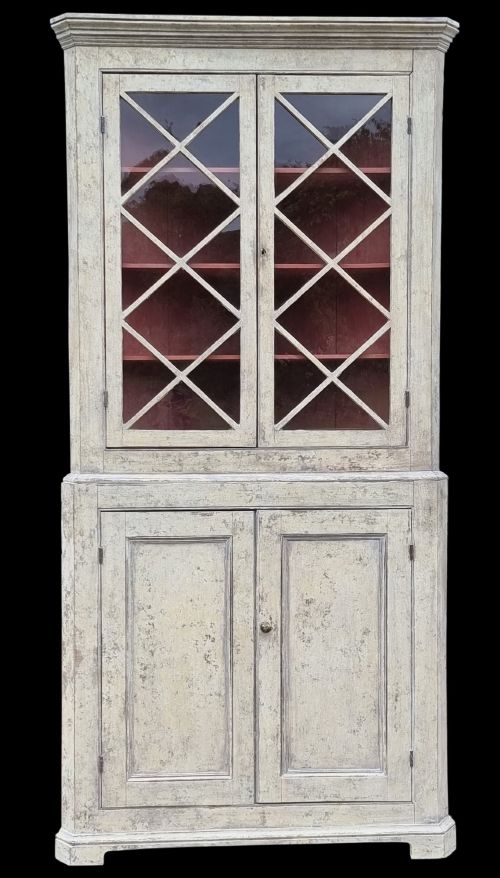
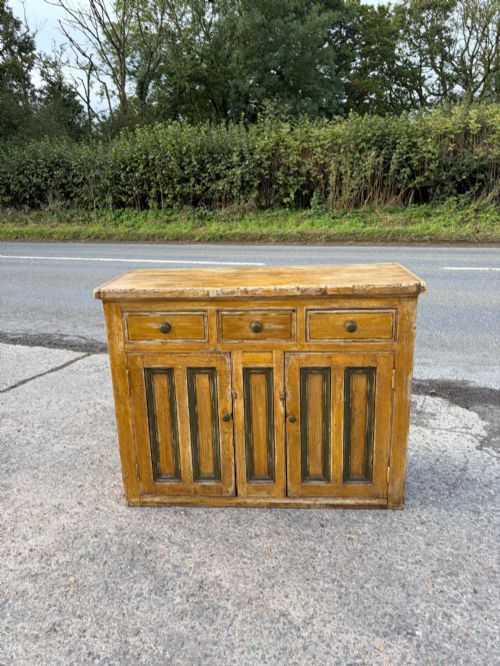
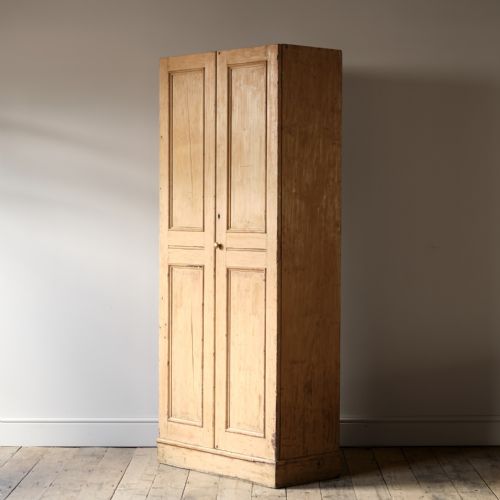
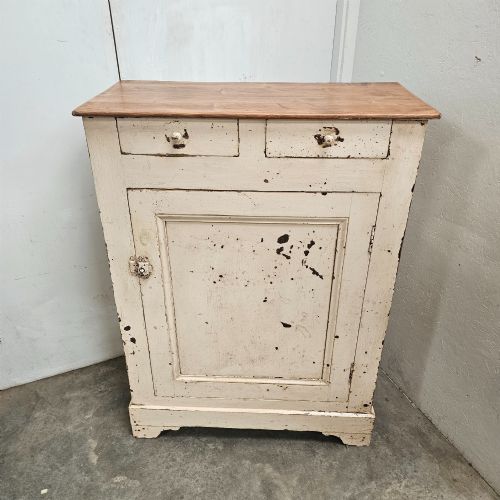
A distressed painted cupboard brings warmth and character to a room, offering practical storage through surfaces marked by time and layers of historic colour.
Distressed Painted Cupboard
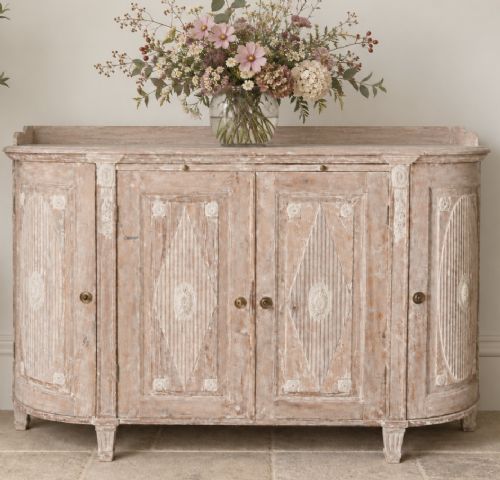
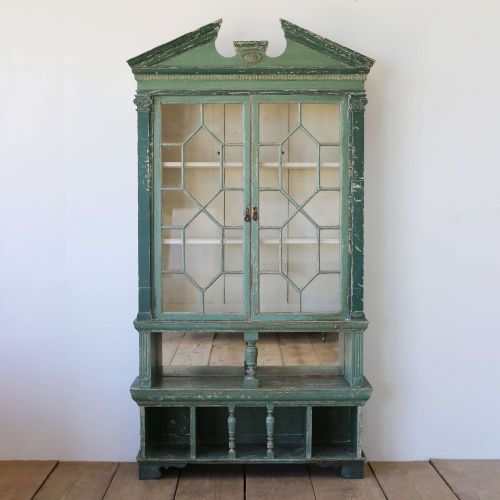
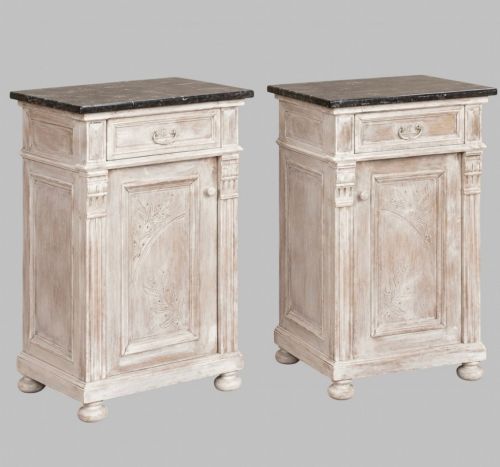
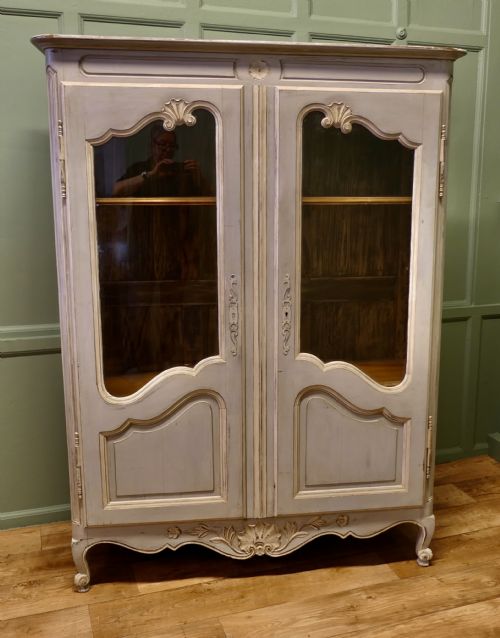
A distressed painted cupboard encompasses a wide variety of storage furniture, from tall kitchen housekeepers' cupboards and linen presses to smaller bedside cabinets and corner units. These pieces emerge from different regional traditions, including English, French, Scandinavian, Italian, and Indian workshops, reflecting diverse domestic needs of past centuries.
Buyers browsing this selection frequently encounter pieces originating in the eighteenth and nineteenth centuries, constructed predominantly in regional styles such as Gustavian, French Provincial, and Victorian country. Tall armoires, dressers, and compact confituriers appear alongside bedside tables and sideboards, each displaying the distinct architectural proportions of its place of origin.
The surface finishes on these items range from time-worn original paintwork to later decorative treatments that accentuate the underlying timber. Whether seeking a substantial kitchen dresser or a slender alcove cupboard, buyers select these items for their utilitarian function combined with decorative presence.
Materials and Technique
Makers constructed these cupboards primarily using softwoods like pine, alongside regional hardwoods such as teak, oak, and cedar, often assembling them with traditional joinery methods suited to domestic use. Iron and brass hardware, including hinges, latches, and pulls, secure doors and drawers while providing functional detail.
The application of paint forms a central characteristic of these pieces, applied over wood in single or multiple layers that have weathered through decades of use. Subsequent handling, chipping, and fading create the characteristic distressed finish observed across Scandinavian, French, and English examples.
Distressed Painted Cupboard Retail Price Guide 2026
Typical asking prices for distressed painted cupboard among the pieces listed under this phrase on Sellingantiques today, from the lower quarter to the upper quarter. They describe what is for sale here now, not the wider market.
Several cupboards retain hidden compartments originally designed for concealing household ledgers or family silver from prying eyes.
Distinctions in Standard
Quality in a distressed painted cupboard often rests upon the integrity of the original construction and the survival of early or untouched surface paint. Pieces retaining their primary structural timber without extensive modern replacements hold greater interest for those seeking period authenticity.
The subtlety of decorative carving, the balance of proportions, and the harmony between the underlying wood and the aged pigment layers distinguish finer examples from simpler utilitarian storage. Regional idiosyncrasies in hardware and joinery further separate standard vernacular items from more accomplished provincial work.
The Distressed Painted Cupboard Glossary
- Confiturier
- A small French storage cupboard traditionally used for storing confit or jams. These compact pieces typically feature a single door above a small drawer.
- Enfilade
- A long sideboard or cabinet designed for serving food or storing linens, commonly found in Italian and French interiors. They often feature multiple doors and drawers across a linear facade.
- Almirah
- An upright freestanding cupboard or wardrobe originating from the Indian subcontinent. These storage pieces frequently utilise reclaimed teak or cedar and display vibrant painted finishes.
- Vitrine
- A glass-fronted cabinet or bookcase designed for displaying ceramics, books, or decorative objects. The glazed doors protect the contents while maintaining visibility.
- Pine
- A common softwood utilised extensively in European country furniture for its workability and availability. It forms the primary carcase material for many regional cupboards.
Distressed Painted Cupboard: Frequently Asked Questions
How do I date a painted cupboard?
Dating relies on examining construction techniques, such as hand-cut dovetails, tool marks on the timber, and the type of hardware used on doors and drawers. Nail types and backboard construction also provide reliable clues to the manufacturing period.
Surface characteristics further aid in determination, as early paint layers exhibit specific craquelure and wear patterns consistent with eighteenth and nineteenth-century domestic environments.
What is a housekeepers cupboard?
A housekeeper's cupboard is a large storage piece historically used in substantial homes to store linens, dry goods, and household supplies. They typically combine upper shelving with lower drawers or cupboards.
These utilitarian pieces often feature robust pine construction and generous proportions suited to heavy domestic service.
Are these cupboards suitable for modern kitchens?
These cupboards integrate well into contemporary kitchens, offering generous storage capacity for dry goods, tableware, or linens. Their varied dimensions allow them to function as freestanding larders or dressers.
The aged surfaces introduce texture and contrast against modern kitchen fittings.
How do I care for historic painted surfaces?
Maintenance requires gentle dusting with a soft dry cloth and avoiding harsh chemical cleaners that might strip or soften fragile historic pigment. Keeping pieces away from direct heat sources prevents the underlying wood from warping and the paint from further flaking.
Occasional applications of neutral microcrystalline wax can help protect stable painted surfaces from moisture.