




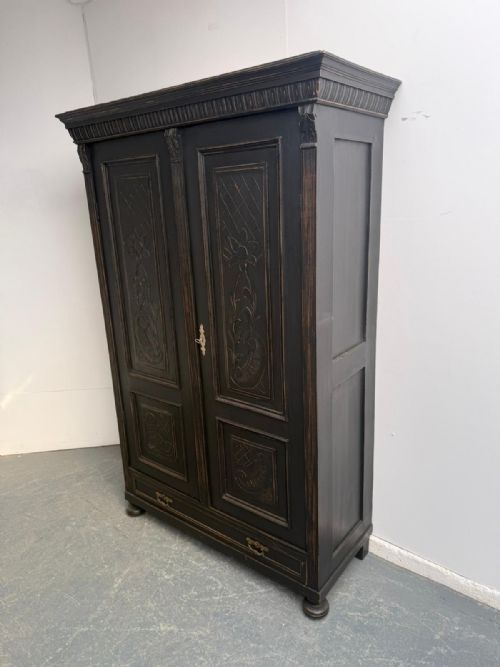
Continental Painted Furniture
Continental painted furniture brings vibrant character and provincial charm to an interior, spanning grand commodes and rustic dressers.
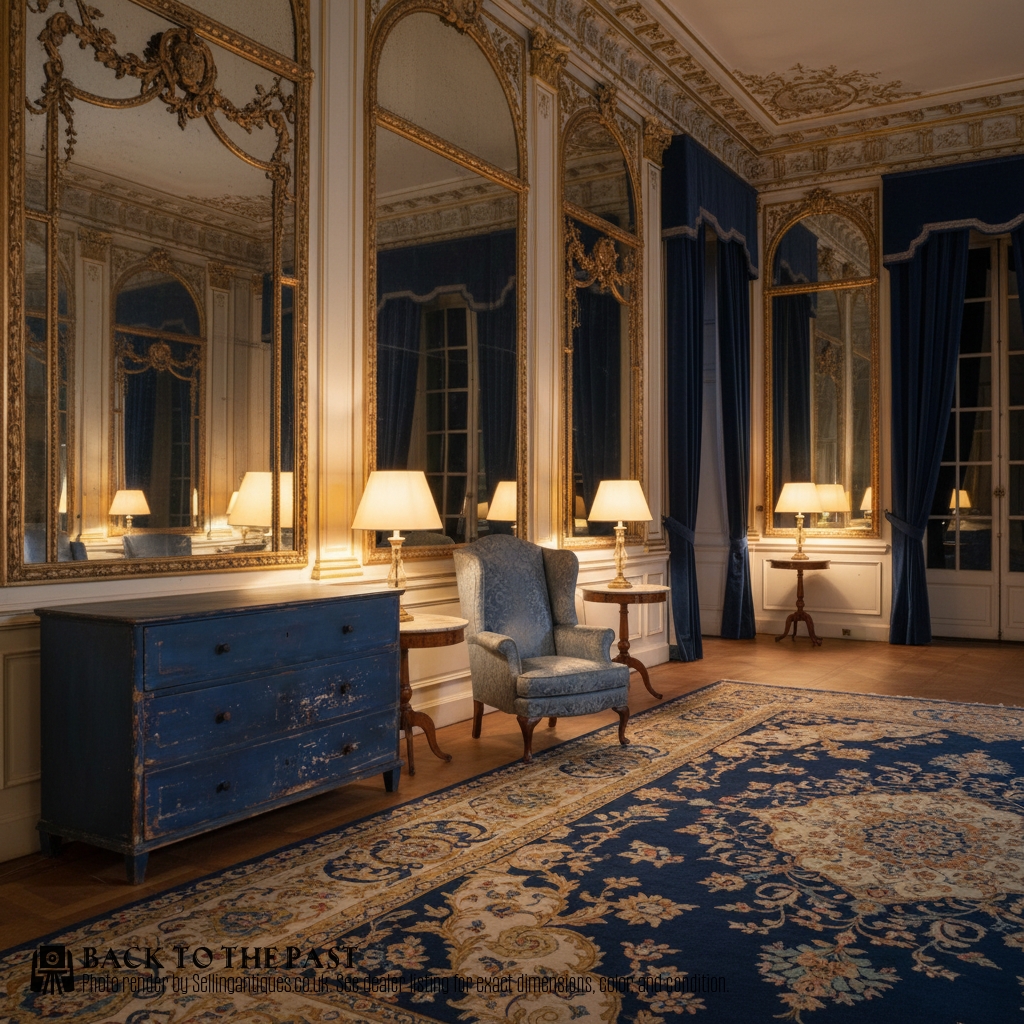
Continental Painted Furniture
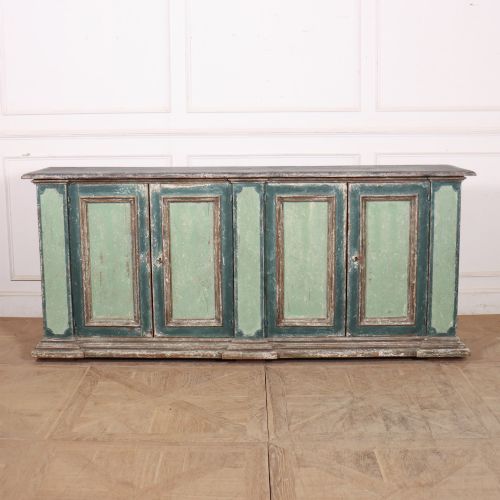
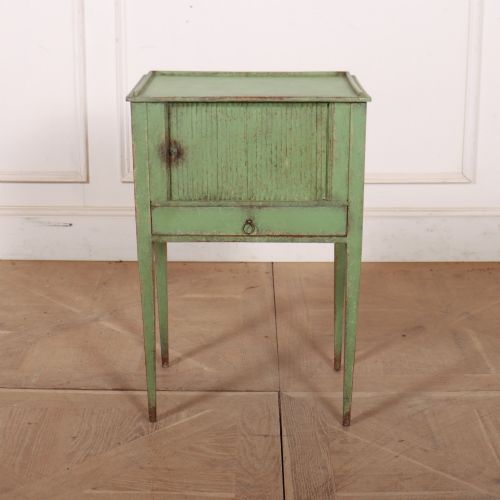
Continental painted furniture encompasses an eclectic selection of decorative items originating from various European regions and spanning multiple centuries. When exploring continental painted furniture, buyers encounter distinct regional styles ranging from Italian baroque and rococo commodes to Scandinavian and Austrian country pieces. These items serve both functional and aesthetic purposes, transforming domestic spaces with hand-painted surfaces and robust wooden constructions.
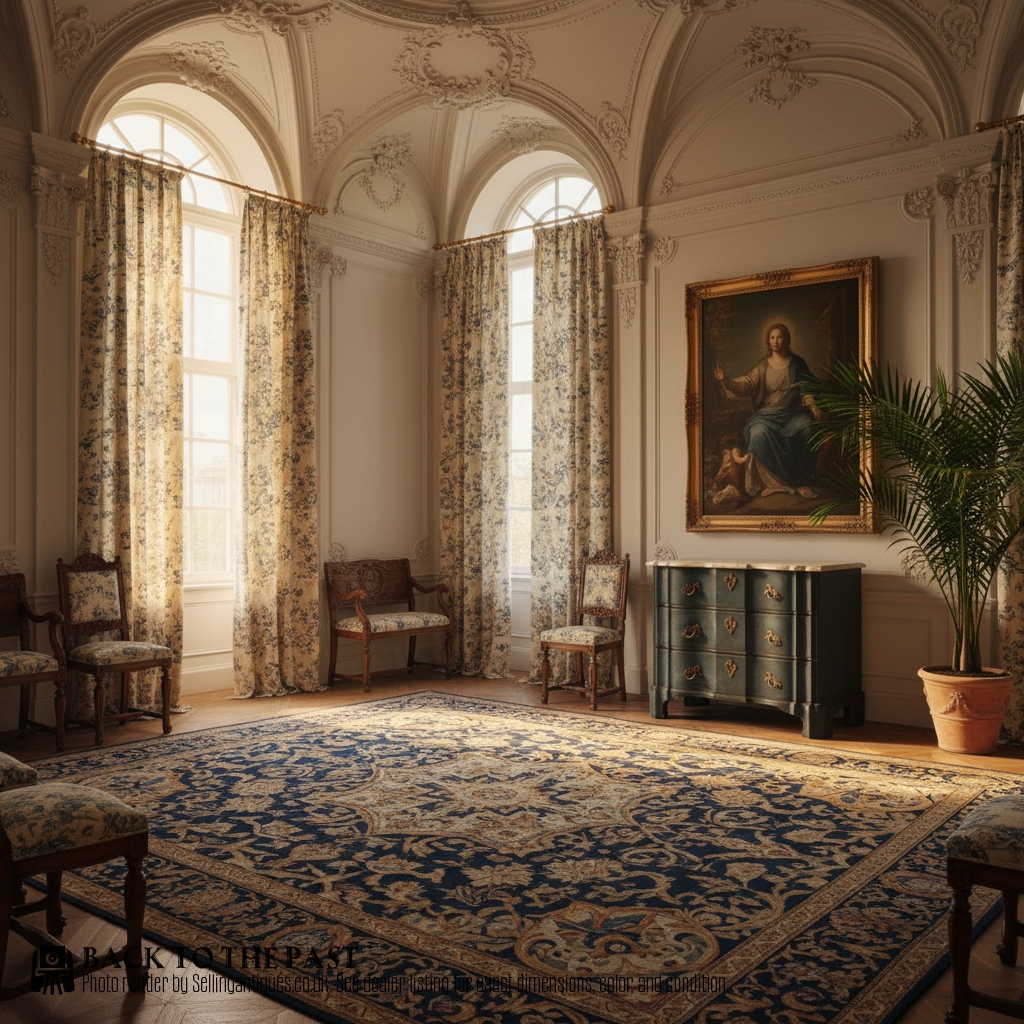
Materials and construction methods
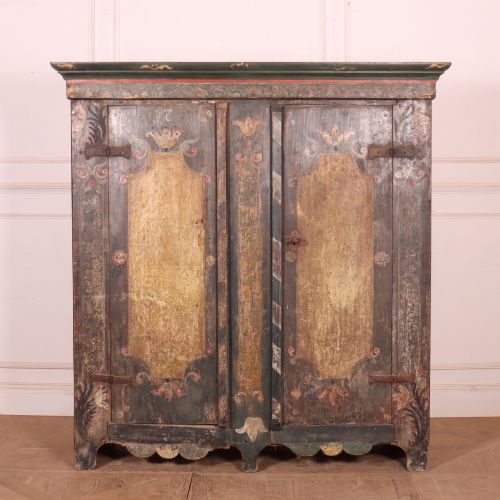
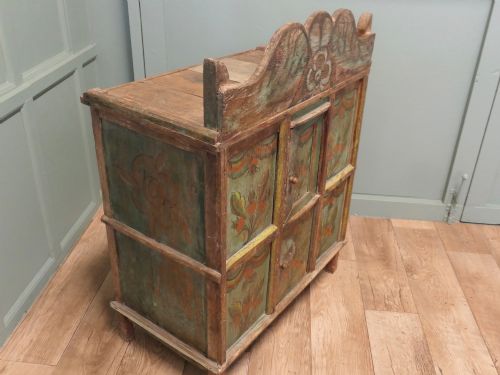
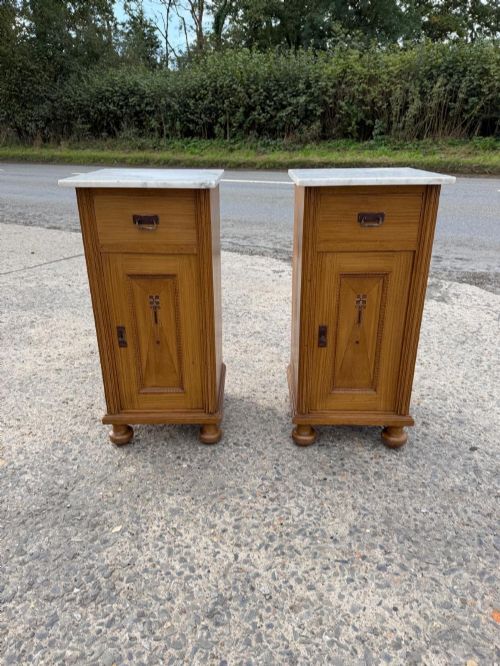
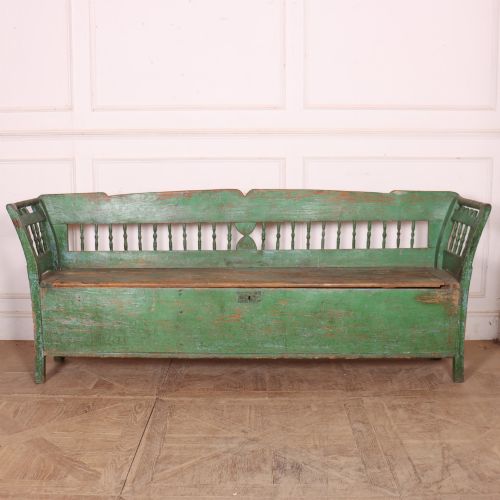
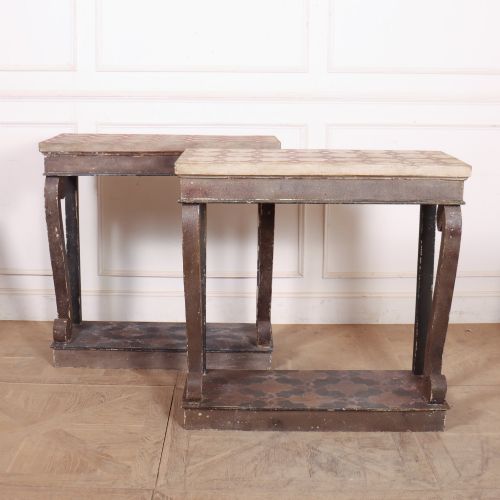
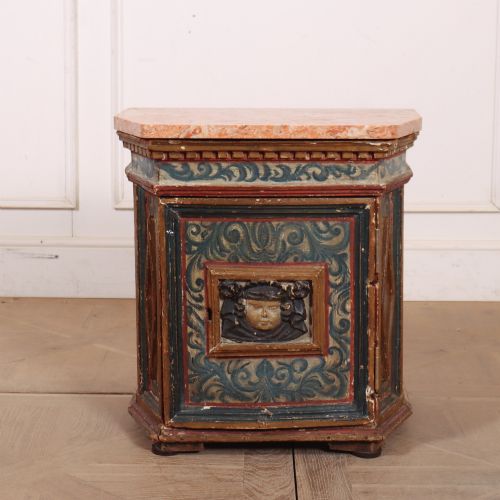
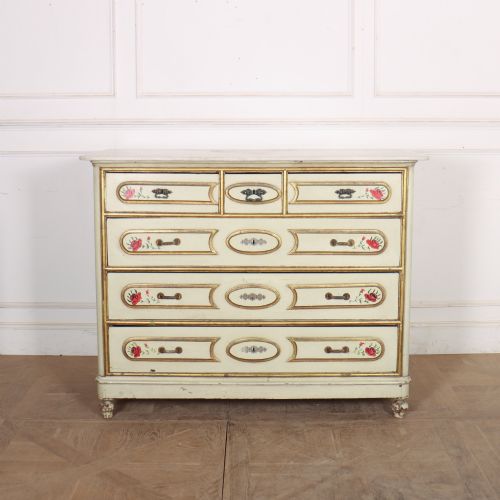
Craftsmen primarily utilised pine, oak, and walnut as foundational woods for these pieces, often applying layers of paint directly onto the timber. Surface decoration frequently incorporated gold leaf detailing, brass hardware, and marble tops to elevate the visual appeal of commodes and console tables. Iron fixtures and structural elements provided durability to heavily used items like benches and settles.
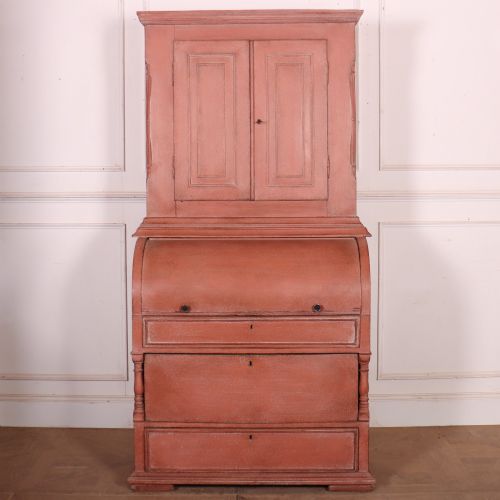
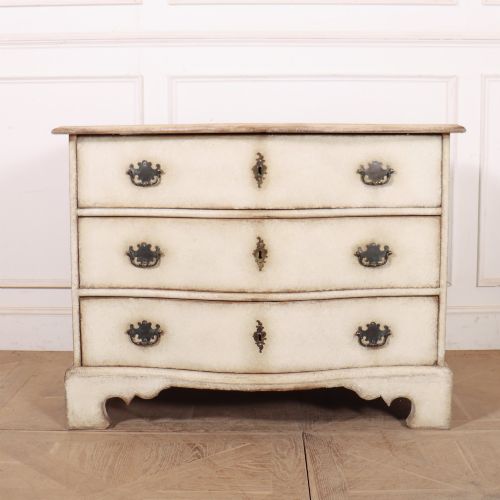
Painting techniques varied from delicate floral motifs on Italian cabinets to robust, plain colour applications on country dressers and wardrobes. Carpenters shaped woods into bombe and serpentine profiles, particularly in eighteenth-century Dutch and Portuguese workshops, requiring advanced skill in timber manipulation.
Continental Painted Furniture Retail Price Guide 2026
Typical asking prices for continental painted furniture among the pieces listed under this phrase on Sellingantiques today, from the lower quarter to the upper quarter. They describe what is for sale here now, not the wider market.
Object forms include apothecary cabinets, commodes, benches, and console tables originating from Italy, Austria, and Spain.
Distinguishing quality in painted pieces
Quality in these items rests upon the originality of the painted surface and the integrity of the underlying woodwork. Pieces retaining their earliest layers of pigment without extensive later overpainting command greater appreciation from collectors seeking historical authenticity.
The sophistication of the joinery and the subtlety of the decorative carving also set finer examples apart from simpler utilitarian objects. Well-executed serpentine and bombe contours demonstrate superior craftsmanship compared to straightforward box construction.
The Continental Painted Furniture Glossary
- Commode
- A low chest of drawers or cabinet, frequently featuring decorative painted finishes and serpentine fronts.
- Bombe
- A bulging or swelling shape characteristic of certain eighteenth-century case furniture from Dutch and Italian origins.
- Settle
- A wooden bench with a high back, solid arms, and often a storage compartment beneath the seat.
- Toleware
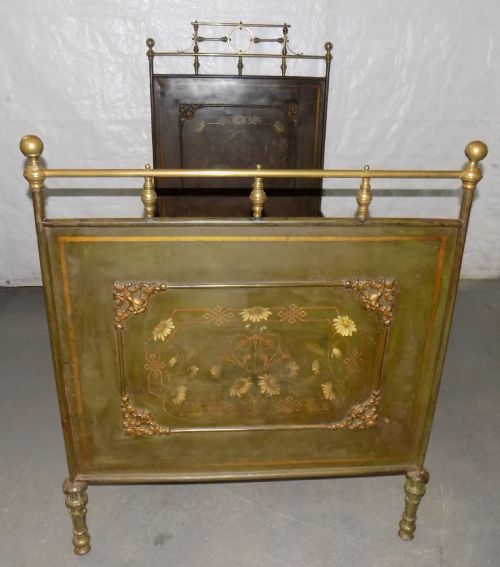
- Enamelled or lacquered metalware, occasionally appearing on bedsteads and decorative fittings within this category.
- Serpentine
- A furniture front or surface curved in a wave-like line, convex at the centre and concave at the sides.
Continental Painted Furniture: Frequently Asked Questions
How do I clean painted furniture?
Dust surfaces gently with a dry microfiber cloth to remove everyday particles without disturbing the historic pigment.
Avoid chemical cleaning agents or excessive moisture, which can soften fragile historic paint layers and damage the wood underneath.
Are these pieces suitable for daily use?
Most items, such as chests of drawers and wardrobes, remain fully functional for modern storage needs.
Delicate eighteenth-century commodes require gentle handling to preserve their decorative surfaces and aged structural joints.
How can I date an antique commode?
Examine the construction methods, timber types, and style markers such as Dutch rococo or Italian baroque outlines.
The character of the paint layer and the wear patterns on the wood also provide clues to the age of the piece.
What is provincial furniture?
Provincial furniture refers to pieces made in regional areas outside major capital cities, reflecting local tastes and available materials.
These items often display charming rustic qualities and traditional folk art painting techniques distinct from courtly styles.