

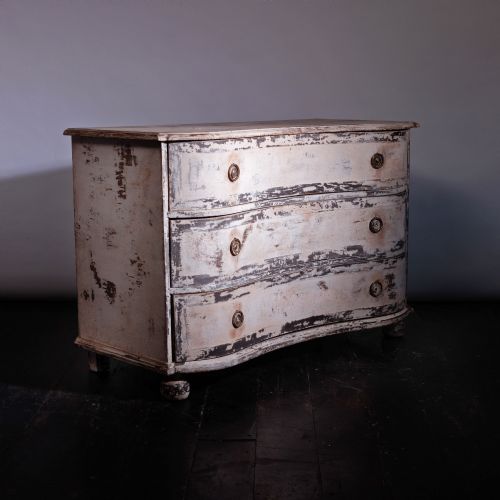
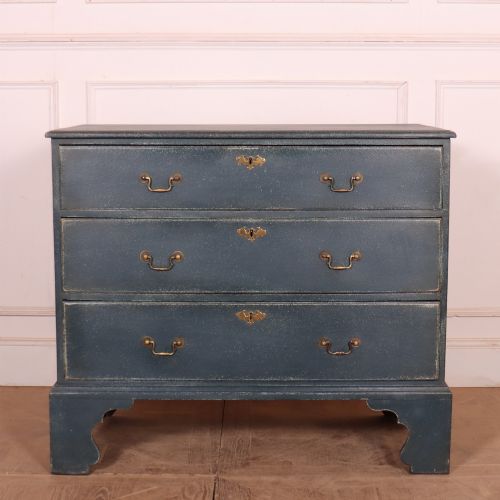
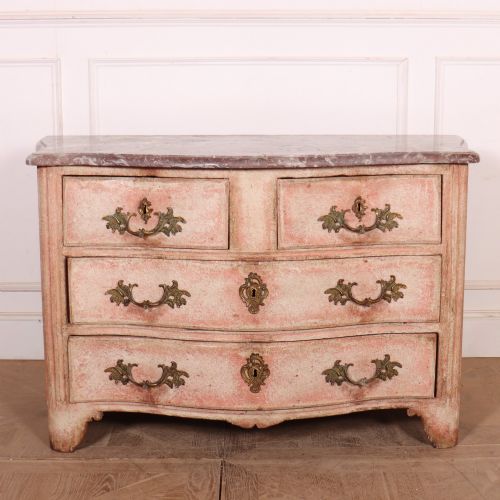
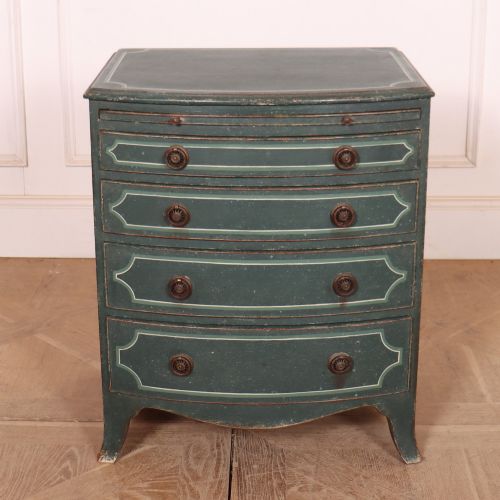
Antique Painted Commode
An antique painted commode brings colour and historic character to a room, offering practical storage disguised beneath decorative brushwork or polished marble.
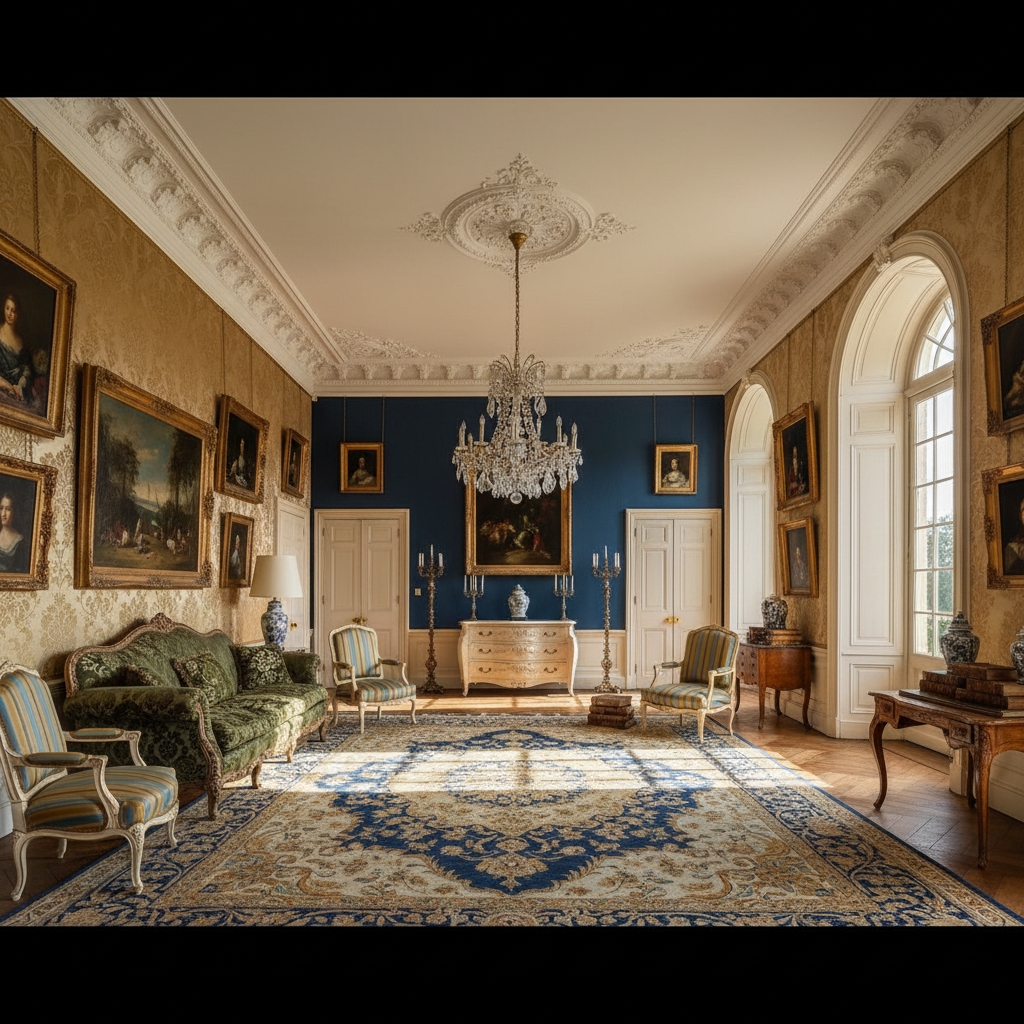
Antique Painted Commode
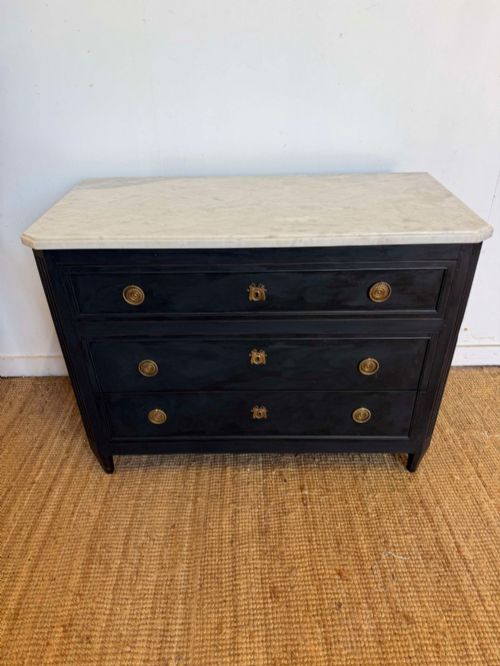
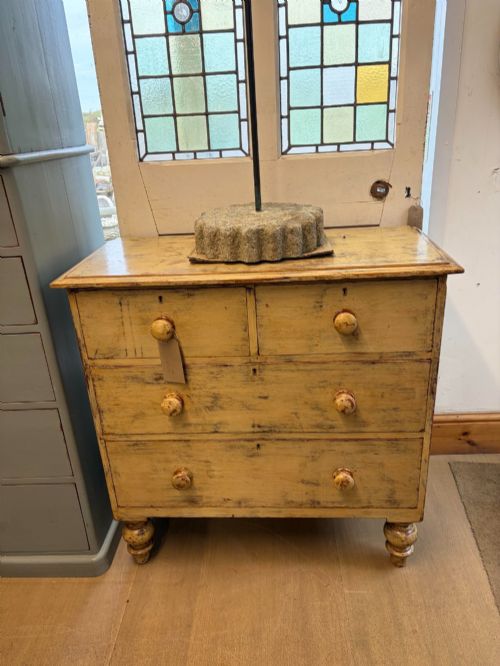
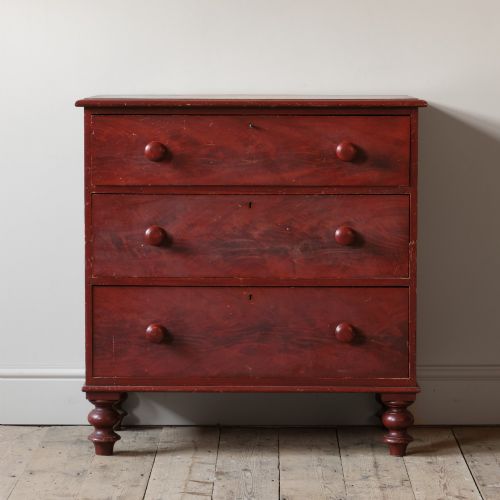
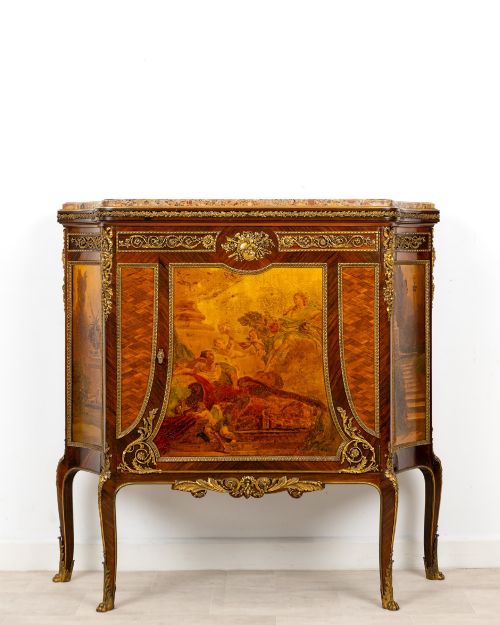
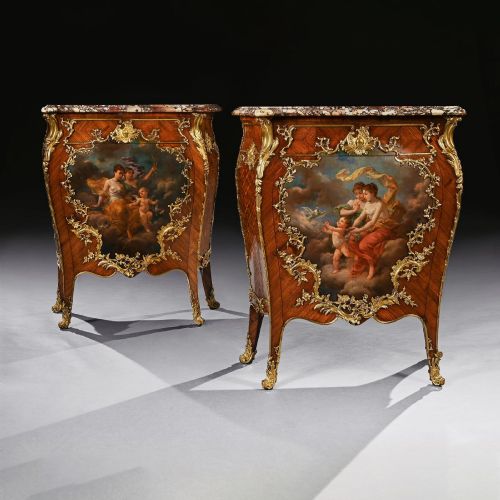
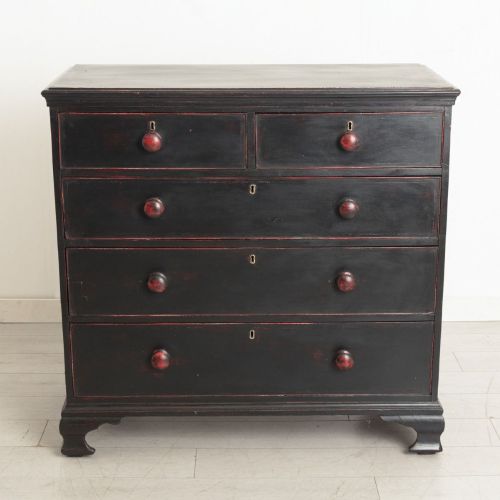
An antique painted commode encompasses low drawer chests, bedside cabinets, and shapely French or Swedish case pieces designed for formal reception rooms and private chambers alike. The form ranges from robust nineteenth-century pine chests in original country paint to elegant serpentine cabinets finished with gilt-bronze mounts.
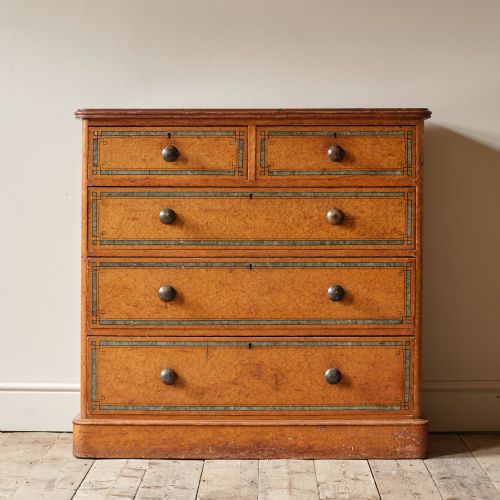
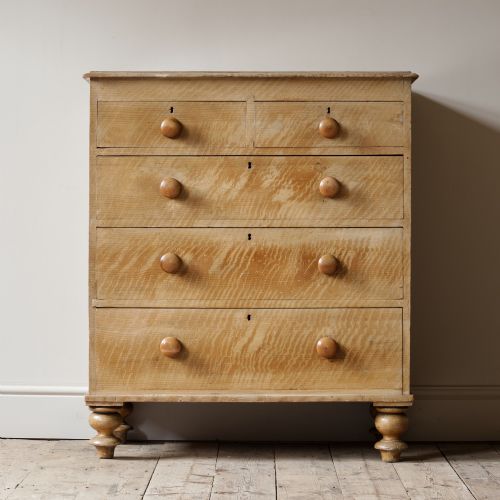
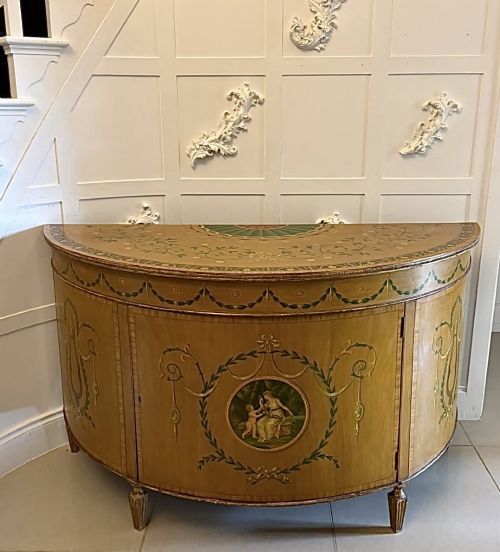
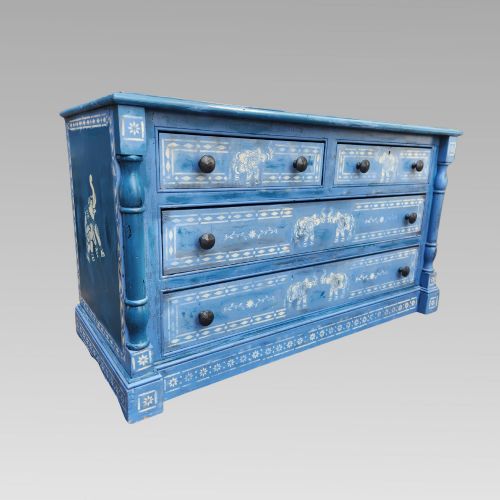
Buyers will encounter provincial English and German work alongside more ornate continental styles, including Louis XV and Louis XVI revivals. Many examples show original scumble paint, stencilled details, or delicate satinwood decoration applied over wood carcasses.
The selection also includes smaller bedside chests, demi-lune cabinets, and miniature apprentice pieces. These diverse forms share a reliance on surface paint and decorative finishes to define their character rather than exposed cabinet wood alone.
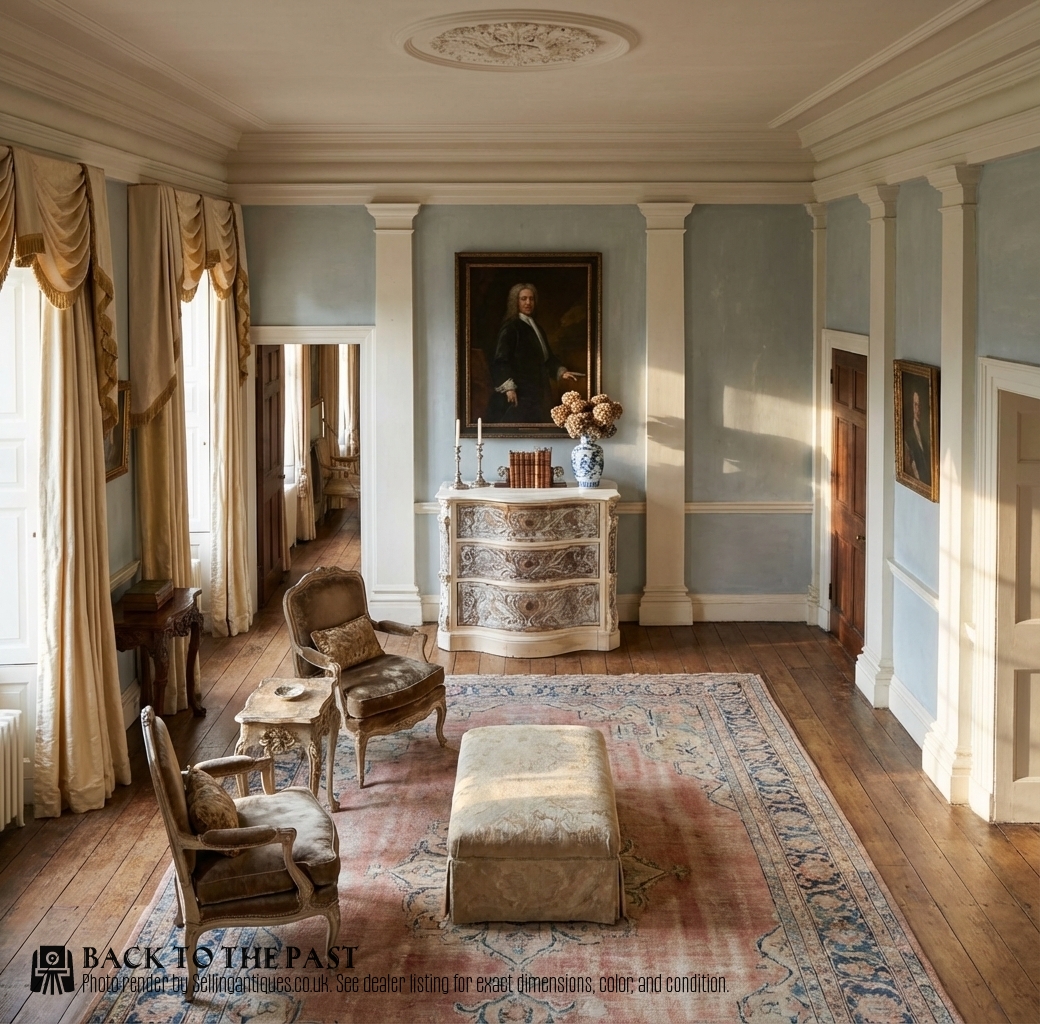
Materials and construction
Carpenters built these pieces using solid timbers such as pine, kingwood, and satinwood, often shaping carcasses into serpentine, bombé, or demi-lune profiles. Continental workshops frequently topped fine cabinets with shaped marble slabs, whilst English makers relied on pine boards finished with decorative paint.
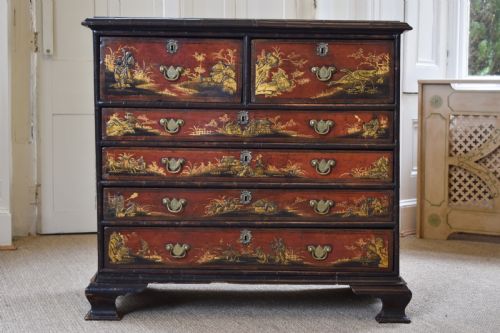
Surface decoration involved diverse techniques, from simple stencilling and brown scumble glazes on country pine to elaborate Vernis Martin lacquer work on French furniture. Gilt-bronze or ormolu mounts, brass handles, and parcel gilding completed the construction of high-status pieces.
Antique Painted Commode Retail Price Guide 2026
Typical asking prices for painted commode among the pieces listed under this phrase on Sellingantiques today, from the lower quarter to the upper quarter. They describe what is for sale here now, not the wider market.
An eighteenth-century French miniature apprentice piece allows a grand serpentine commode silhouette to sit on a tabletop.
Distinctions in quality
The hierarchy of these pieces rests heavily on the survival and sophistication of the original surface finish, whether fine vernis martin or honest country scumble paint. Untouched original pigment carries far greater visual authority than later overpainting or heavy restoration.
Structural finesse also separates standard utility pieces from exceptional cabinet work, seen in the fluid sweep of a serpentine front or the integration of heavy marble tops and cast ormolu mounts. Finer workshops employed disciplined proportions and superior joinery that remain evident in the movement of the drawers.
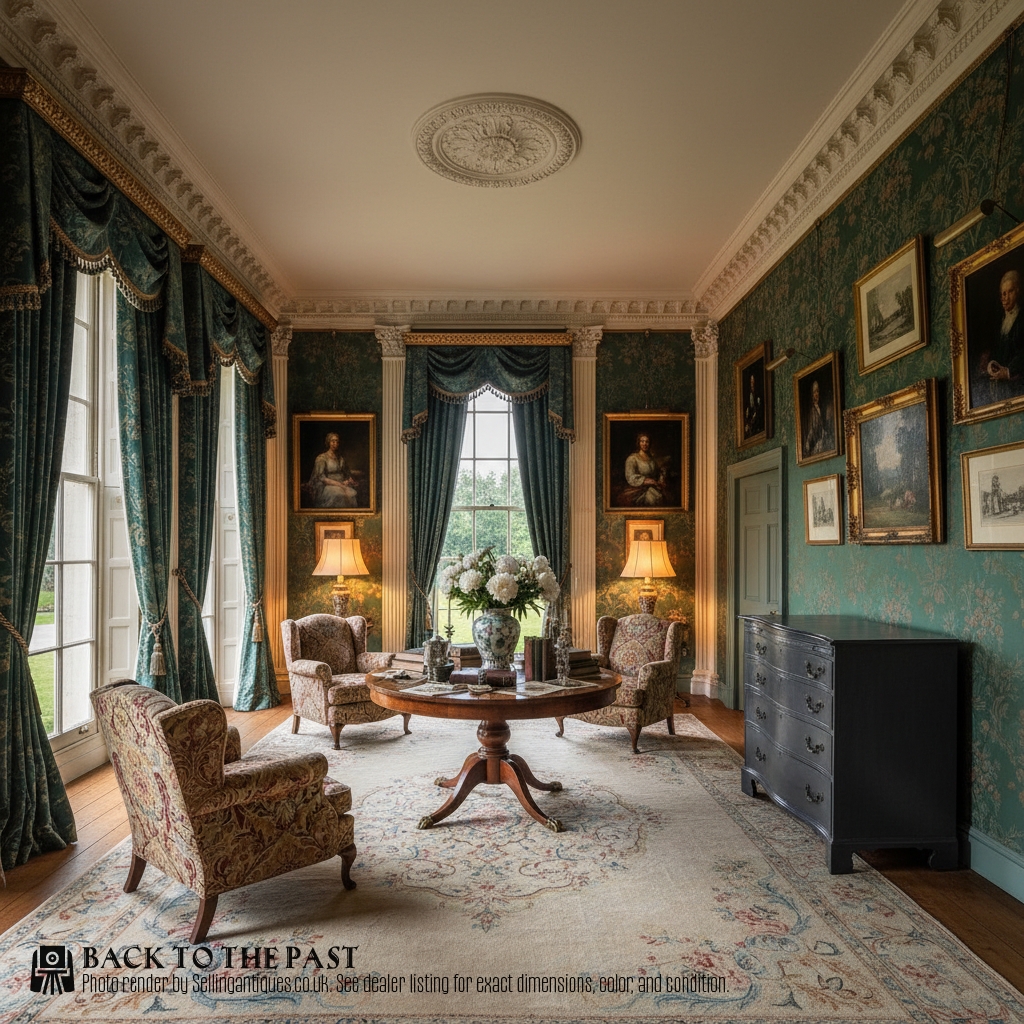
Sir Clough Williams-Ellis·Edwards and Roberts
The Antique Painted Commode Glossary
- Commode
- A low chest of drawers or cabinet, originating in France, designed for domestic storage and often finished with decorative paint or marble.
- Serpentine
- A furniture front or top curving inward centrally and outward at the ends, creating a flowing, undulating line seen on many fine commodes.
- Vernis Martin
- A type of simulated Japanese lacquer developed in eighteenth-century France, prized for its translucent polished finish and painted decorative scenes.
- Scumble
- A decorative painting technique where a translucent glaze is manipulated over a lighter base colour to imitate wood grain or create mottled texture.
- Demi-lune
- Half-moon in shape, describing cabinets and commodes built with a flat back and a curved semicircular front.
Antique Painted Commode: Frequently Asked Questions
What is an antique painted commode?
An antique painted commode is a decorative chest of drawers or low cabinet finished with painted surfaces rather than bare timber. These pieces range from sturdy country pine chests to elegant continental furniture adorned with floral motifs or lacquer.
Historically used in bedrooms and salons, they served as both practical storage and focal points for interior decoration.
How do French and English commodes differ?
French commodes frequently feature curved bombé or serpentine shapes, marble tops, and elaborate gilt-bronze mounts. English versions more often take the form of pine chests of drawers finished with scumble paint or simple stencilling.
Continental examples often lean towards decorative revival styles, while British pieces reflect practical domestic utility.
How do I live with a painted commode?
These cabinets suit living rooms, hallways, and bedrooms where their decorative surfaces can stand out against plain walls. Their flat tops provide ideal display surfaces for lamps, ceramics, or mirrors.
Keep them away from direct sunlight and extreme humidity to protect the fragile historic paint and varnished surfaces.
How can I tell original paint from later work?
Original paint shows natural wear, craquelure, and integration with the underlying timber built up over generations. Later overpainting often masks the natural softening of edges and lacks the patina found in untouched surfaces.
Examining the drawer interiors and hidden joints helps confirm whether the exterior finish matches the age of the wood.