

Antique Pine Drawers
Antique pine drawers bring honest utilitarian character to domestic spaces through enduring timber construction and practical storage forms.
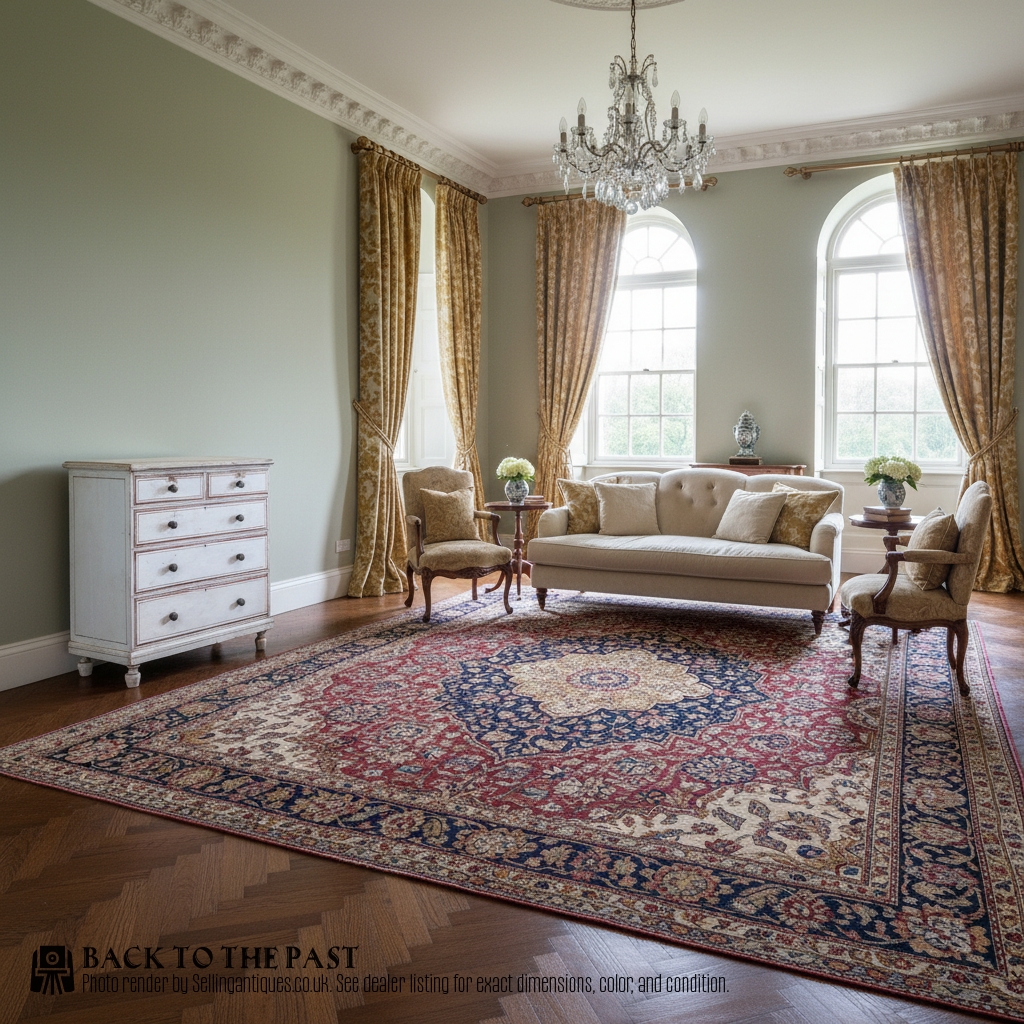
Antique Pine Drawers
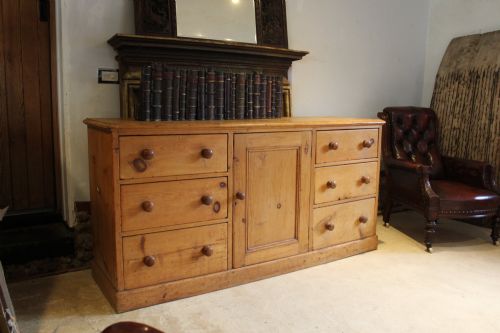
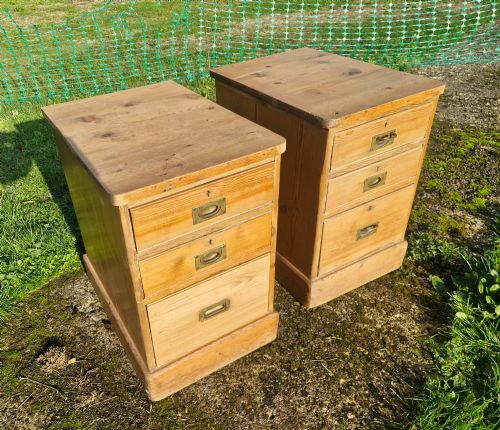
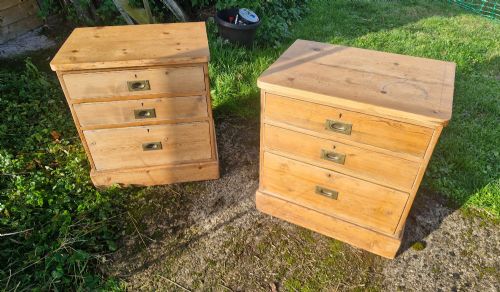
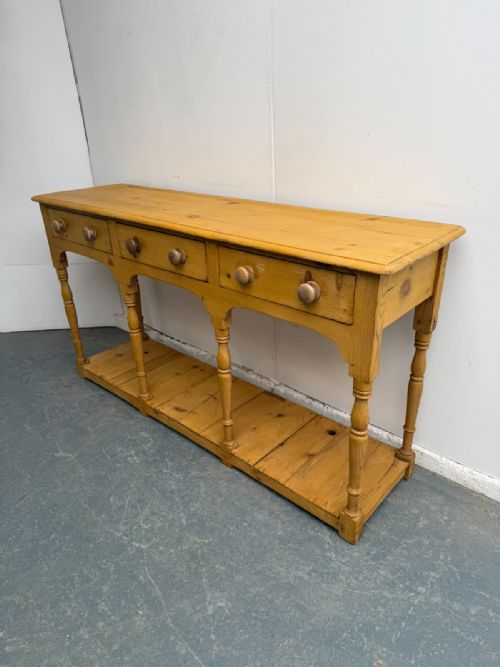
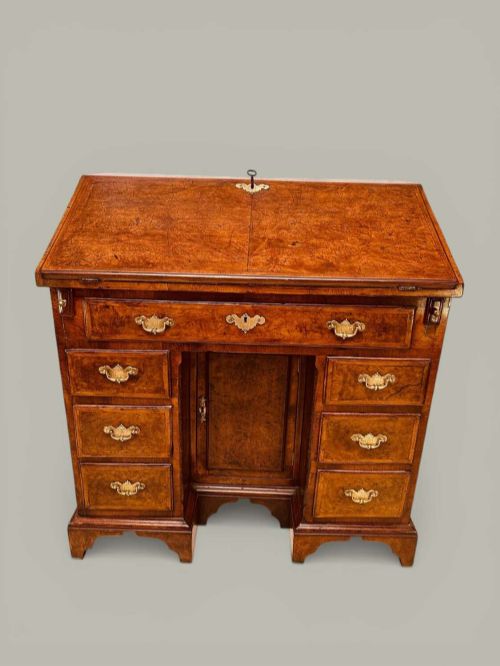
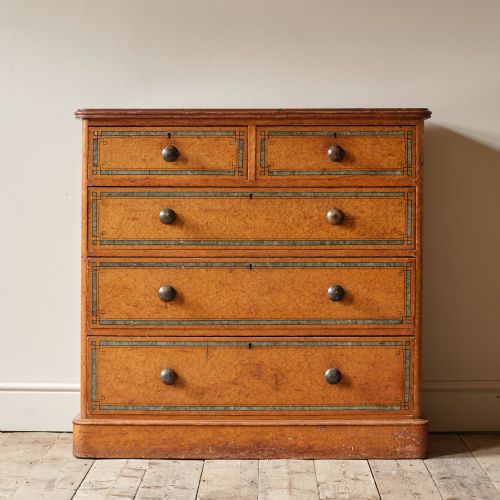
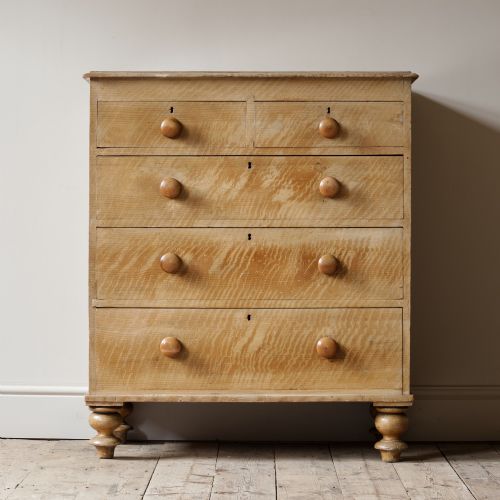
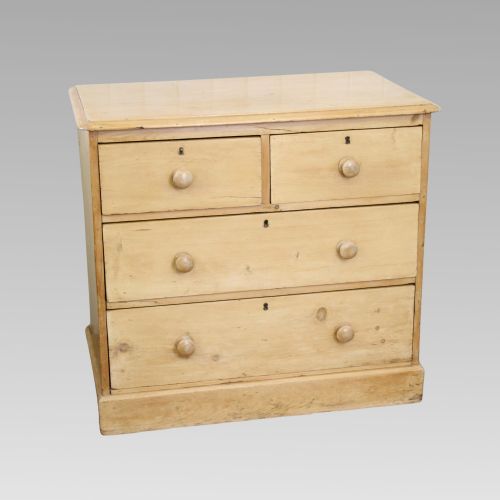
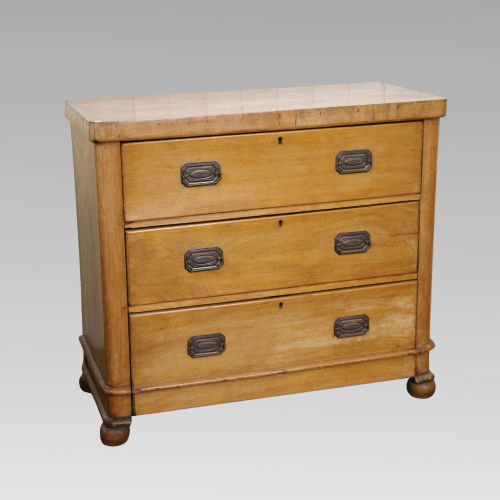
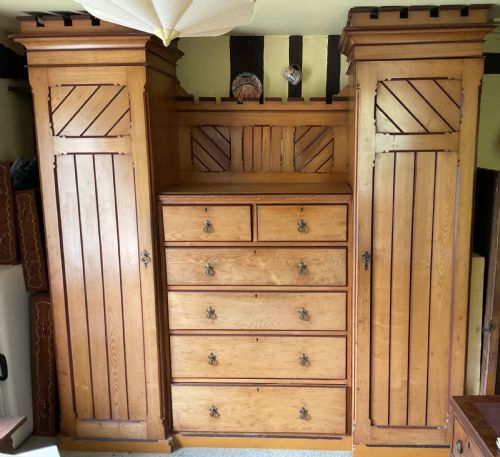
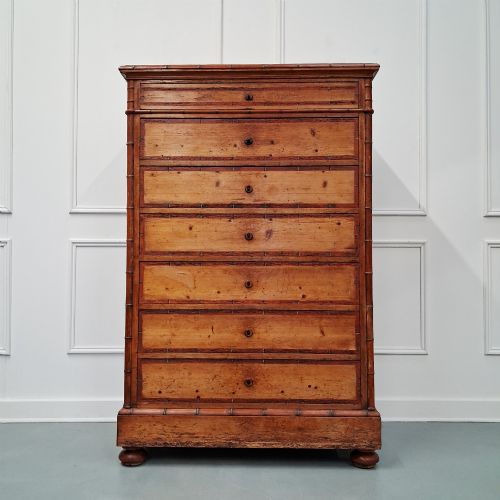
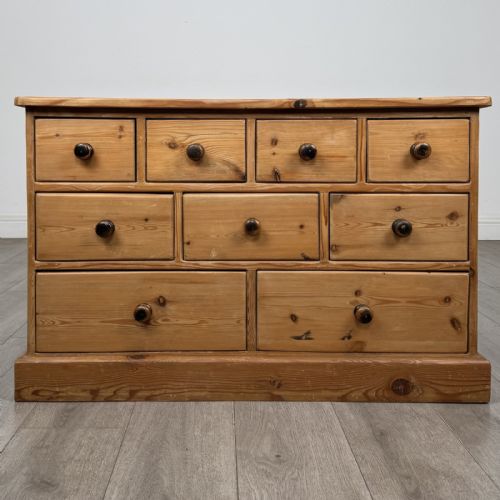
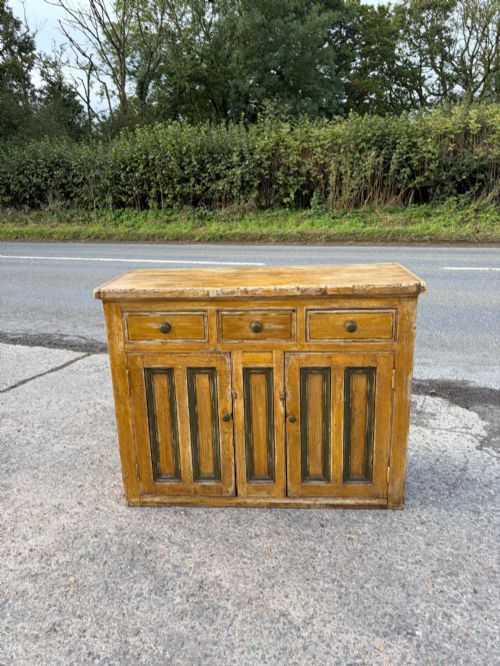
When searching for antique pine drawers, buyers encounter substantial storage furniture primarily originating from the Victorian period alongside nineteenth-century domestic workshops. These pieces span standard bedroom chests configured as two short drawers over three long drawers, alongside banks of drawers, apothecary cabinets and larger wardrobe bases. English, Swedish and Hungarian examples dominate the selection, appearing in both stripped wood finishes and original painted or scumbled surfaces.
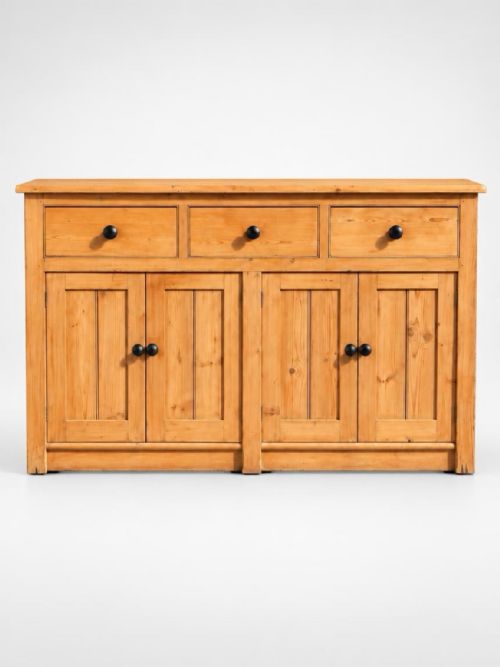
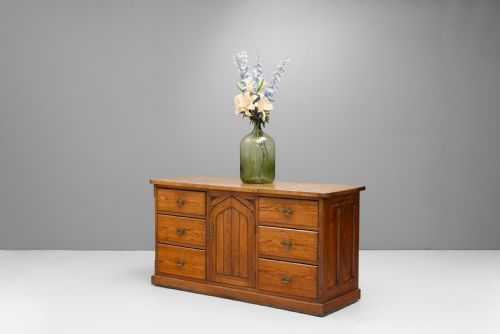
The domestic chest remains the most common form on this page, alongside sideboards, servers and specialised kitchen or office units. Construction ranges from modest farmhouse items to finer pieces featuring pitch pine and glazed handles. Buyers select these items for functional bedroom and hallway placement, valuing the honest proportions and utility inherent in nineteenth-century utilitarian joinery.
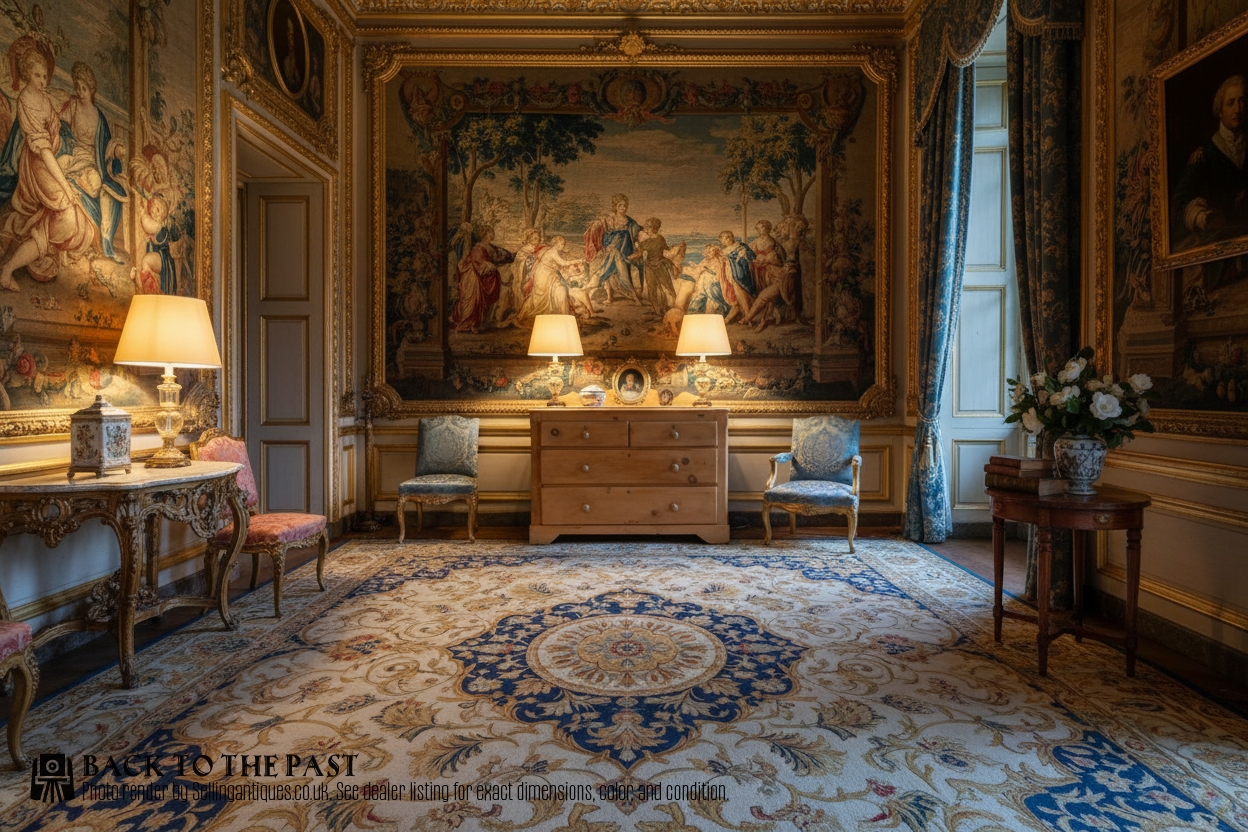
Materials and Construction
Surface treatments define the exterior finish, moving between natural wax, scrubbed bare wood, and applied layers of paint or scumble glaze to imitate more expensive timbers. Joinery relies on traditional dovetailing for drawer construction and pegged mortise and tenon joints for structural stability in larger wardrobes and tables.
Antique Pine Drawers Retail Price Guide 2026
Typical asking prices for pine drawers among the pieces listed under this phrase on Sellingantiques today, from the lower quarter to the upper quarter. They describe what is for sale here now, not the wider market.
Some nineteenth-century apothecary chests carry traces of old remedies inside their tiny drawers.
Assessing Quality and Character
Quality rests in the integrity of the timber selection and the precision of the underlying joinery, particularly where drawer linings meet carcase frames. Superior examples display tight dovetailing, original hardware such as glass or brass handles, and undisturbed historic surface treatments like early paint or scumbling.
Lower tiers of the range often show heavy utilitarian modification, replacement drawer bases, or modern stripping that removes historical patina. The presence of original backboards, intact feet or bun handles, and sound structural timber elevates an individual piece above standard utility items.
The Antique Pine Drawers Glossary
- Pitch pine
- A resinous North American and European timber valued for its distinct grain pattern and durability. It was frequently selected for heavy-use furniture and interior fittings during the nineteenth century.
- Scumble
- A decorative painting technique involving a translucent glaze dragged over a pale base coat to simulate wood grain. It appears frequently on Victorian case pieces to add visual depth.
- Scrubbed pine
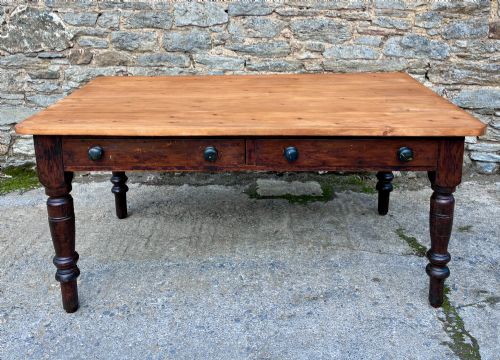
- Timber surfaces washed repeatedly with water and abrasive stone, leaving a clean, pale, matt finish. This treatment is common on nineteenth-century farmhouse and dairy tables.
- Compactum
- A large fitted wardrobe combining hanging space with internal drawers, shelves and sometimes smaller cupboards. These multi-purpose units were popular for bedroom storage in the Edwardian era.
Antique Pine Drawers: Frequently Asked Questions
How do I date antique pine drawers?
Dating relies on construction methods, handle types, and secondary woods found inside the carcase. Early pieces often feature hand-cut dovetails and solid timber backs, whereas later nineteenth-century examples incorporate machine-sawn elements and different drawer configurations.
Style indicators like turned bun feet, applied mouldings, and original paint finishes help narrow the decade of production. Comparing the piece against documented examples from periods like the Victorian era provides further context.
Are painted pine chests original?
Many pine pieces retain their original nineteenth-century paint or scumble glaze applied to imitate costlier hardwoods or to brighten dark interiors. Examining the layers for wear, craquelure, and consistency helps distinguish historic paint from later decoration.
Stripped pine has also become popular, though original painted surfaces offer greater historic interest. The presence of paint beneath hardware provides strong evidence of early surface application.
How should I care for waxed pine furniture?
Waxed surfaces benefit from occasional feeding with a quality beeswax to maintain moisture and prevent the softwood from drying out. Avoid placing pine furniture near direct heat sources or in damp environments that cause timber movement.
Cleaning should be done with a soft, dry cloth rather than harsh chemical sprays. Regular maintenance preserves the historic patina and protects the underlying grain.
What is the difference between standard pine and pitch pine?
Pitch pine contains a high resin content that gives it a denser weight, darker reddish hue, and a more pronounced, highly figured grain than standard softwood pine. Makers reserved pitch pine for heavy-duty furniture, structural tables, and robust commercial or domestic storage units.
Standard pine offers a lighter colour and softer texture, making it the preferred choice for general painted or waxed bedroom chests. Both timbers respond well to traditional joinery and finishing techniques.