


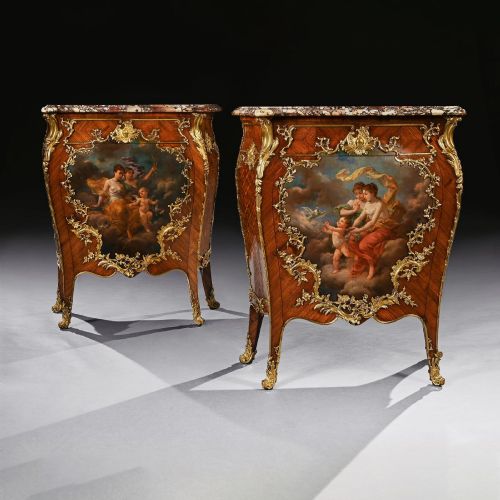
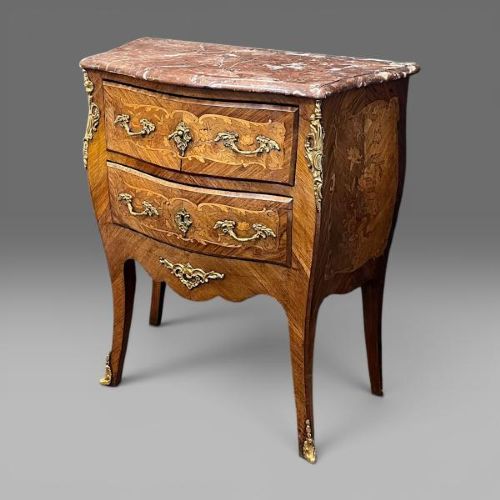
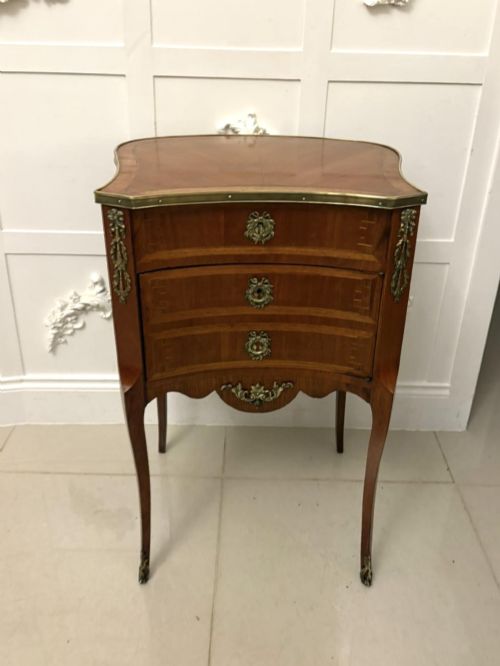
French Style Commode
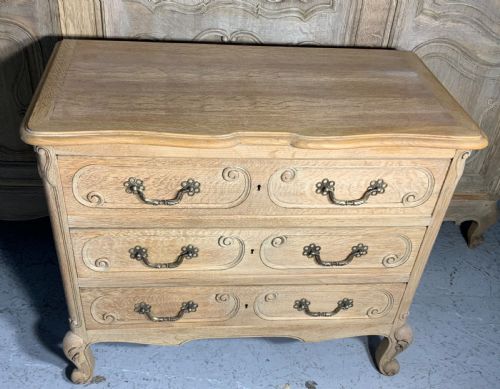
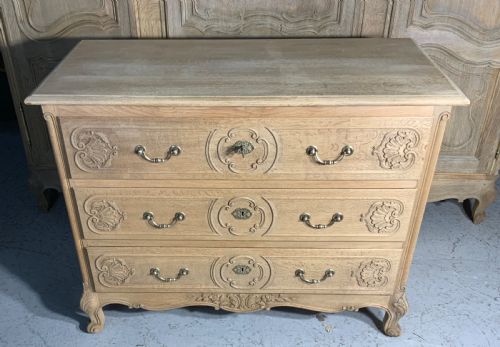
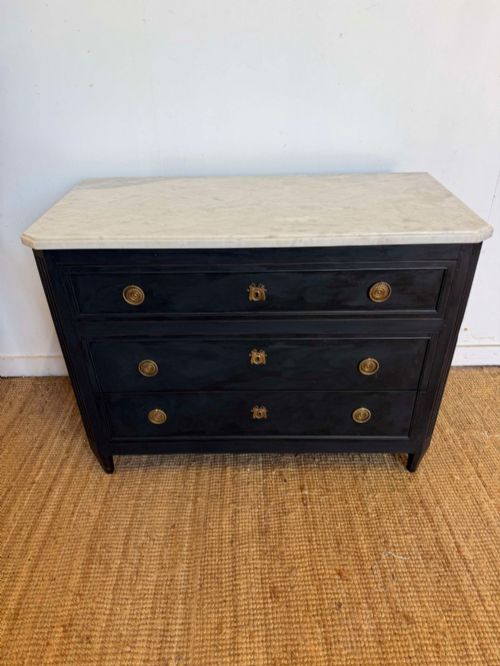
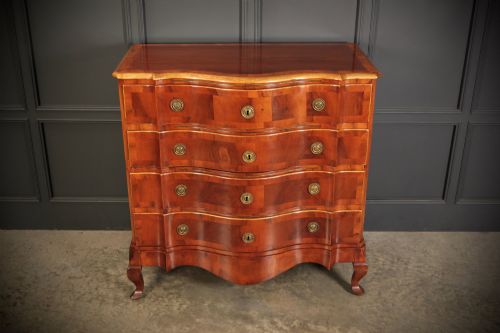
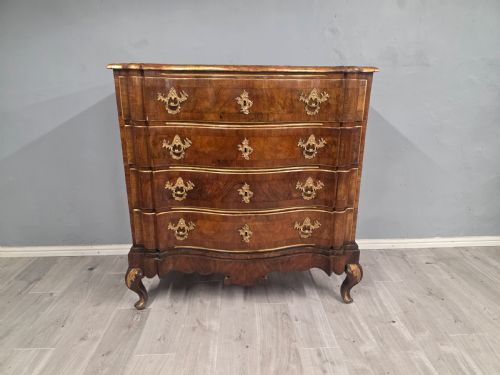
A french style commode brings architectural presence and generous storage to a room through curved serpentine lines and polished stone tops.
French Style Commode
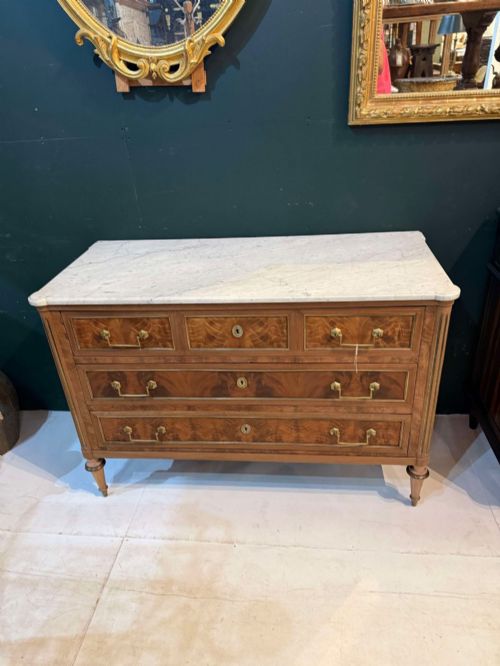
A french style commode is a low chest of drawers originating from continental traditions, built with deep drawer capacity and distinct decorative silhouettes. These pieces function as statement storage surfaces in reception rooms, hallways, and bedrooms.
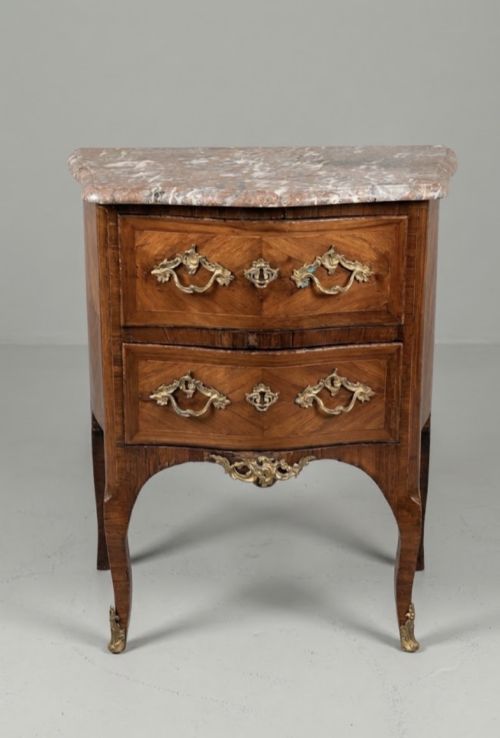
The selections span from robust 18th-century provincial walnut and cherrywood examples to ornate 19th-century revival pieces finished in marquetry. Buyers encounter various formats here, including full-size serpentine chests, miniature models, and matched pairs of bedside cabinets.
Makers drew inspiration from royal courts, resulting in asymmetrical rococo curves, neoclassical straight lines, and swelling bombé profiles. Most items on this page reflect Louis XV and Louis XVI aesthetic revivals produced during the Victorian and Edwardian eras.
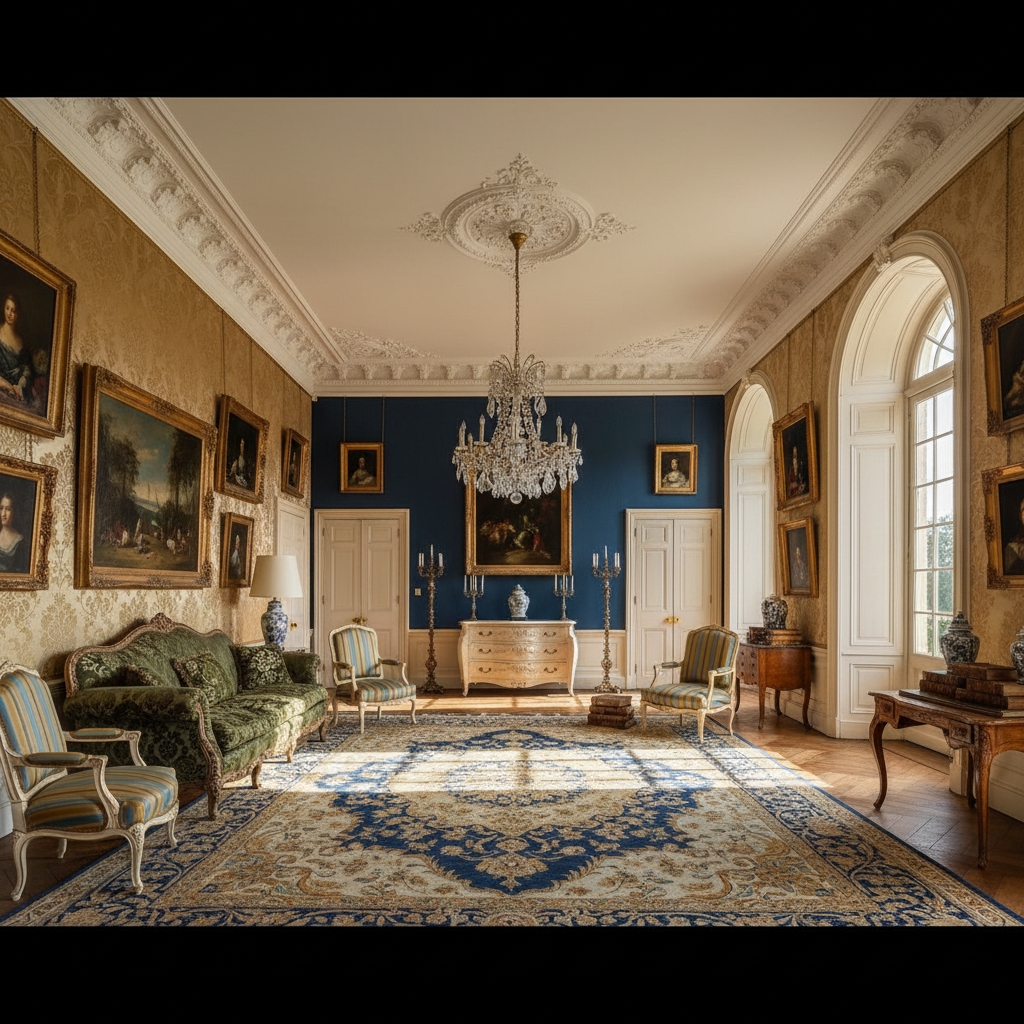
How They Were Made
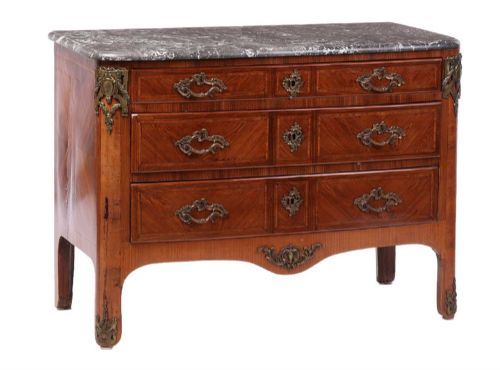
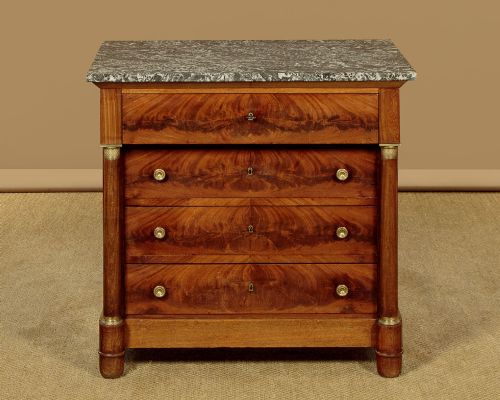
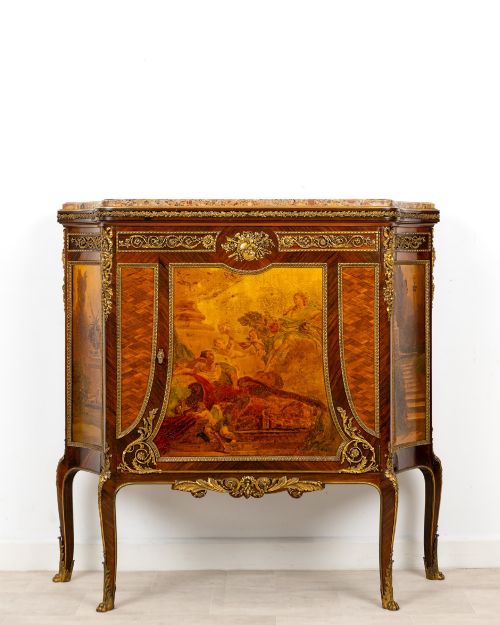
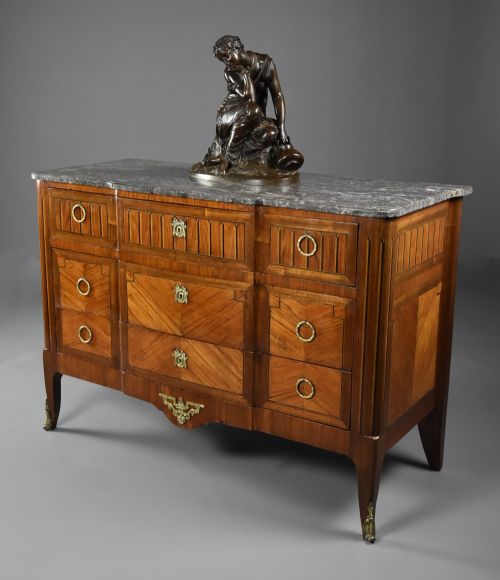
Cabinetmakers constructed these frames using sturdy timbers such as oak, walnut, and mahogany, often applying decorative veneers of kingwood, tulipwood, and burr maple. Intricate surface patterns utilise parquetry and pictorial marquetry to form geometric or floral designs across the drawer fronts and sides.
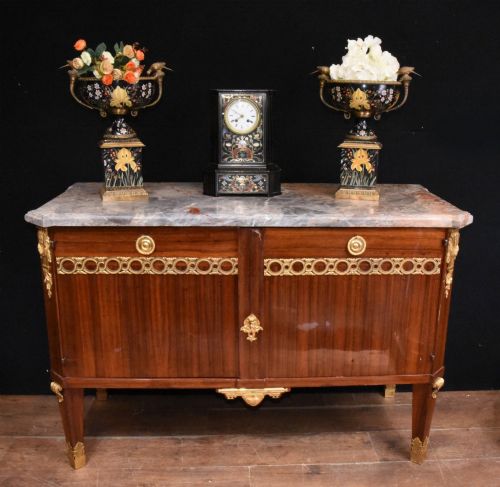
Heavy cast ormolu and gilt-bronze mounts accent corners, handles, and apron centres, complementing fitted slabs of marble in red, white, or variegated tones. Vernis Martin lacquer and hand-painted finishes appear on specialised cabinets to mimic imported Asian screens.
French Style Commode Retail Price Guide 2026
Typical asking prices for french style commode among the pieces listed under this phrase on Sellingantiques today, from the lower quarter to the upper quarter. They describe what is for sale here now, not the wider market.
Miniature cabinets originally served as travelling salesman samples or bespoke dollhouse furnishings for royal nurseries.
What Varies in Quality
Construction standards depend on the precision of the cabinet joinery, the thickness and depth of the timber veneers, and the crispness of the bronze casting. Superior examples display seamless alignment along curved serpentine drawers and hand-chased details on metal mounts.
The authenticity of materials dictates lasting value, distinguishing genuine marble slabs and fire-gilded bronze from later cast resin or painted substitutes. Selection extends to the complexity of the wood grain and the integrity of historic surface finishes.
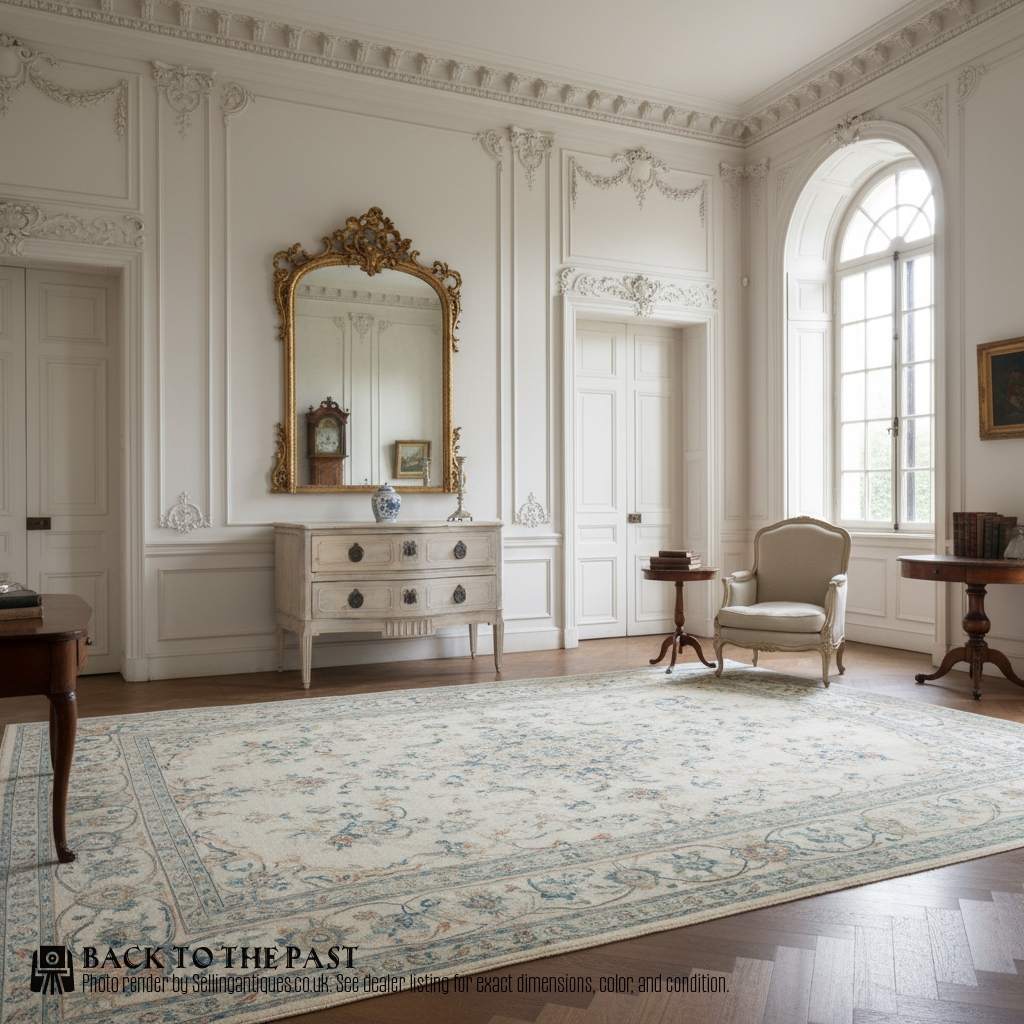
Henry Dasson·Thomas Hache·Sormani·Hopillart and Leroy·Gillows
The French Style Commode Glossary
- Bombe
- A swelling, convex shape that curves outward on the front and sides of a cabinet. This profile requires advanced carpentry to construct from solid timber or curved veneer.
- Ormolu
- Gilt bronze mounts applied to furniture edges and handles for decorative contrast. The technique involves coating bronze objects in a mercury and gold amalgam before firing.
- Marquetry
- Inlaid wood veneers assembled to create pictorial or geometric designs across furniture surfaces. Craftsmen cut contrasting timber species together to ensure tight joints.
- Parquetry
- Geometric wood inlay patterns resembling mosaics or parquet flooring. Artisans arrange small blocks of timber like walnut, mahogany, and satinwood into repeating grids.
- Serpentine
- A furniture front or top shaped with a double-curved line that swells outward in the centre and recesses inward at the sides.
French Style Commode: Frequently Asked Questions
What is a french style commode?
A french style commode is a decorative chest of drawers featuring continental design elements such as serpentine drawer fronts, applied bronze mounts, and marble tops.
Originally designed for French domestic interiors, these cabinets provide functional storage while serving as central decorative focal points in modern rooms.
How do I tell Louis XV and Louis XVI styles apart?
Louis XV furniture relies on asymmetrical curves, cabriole legs, and elaborate rococo ormolu mounts that soften structural lines. In contrast, Louis XVI pieces adopt straight tapered legs, symmetrical neoclassical geometry, and crisp architectural proportions.
Examining the overall silhouette and mount design quickly reveals which royal aesthetic period inspired the piece.
Where can I place a commode at home?
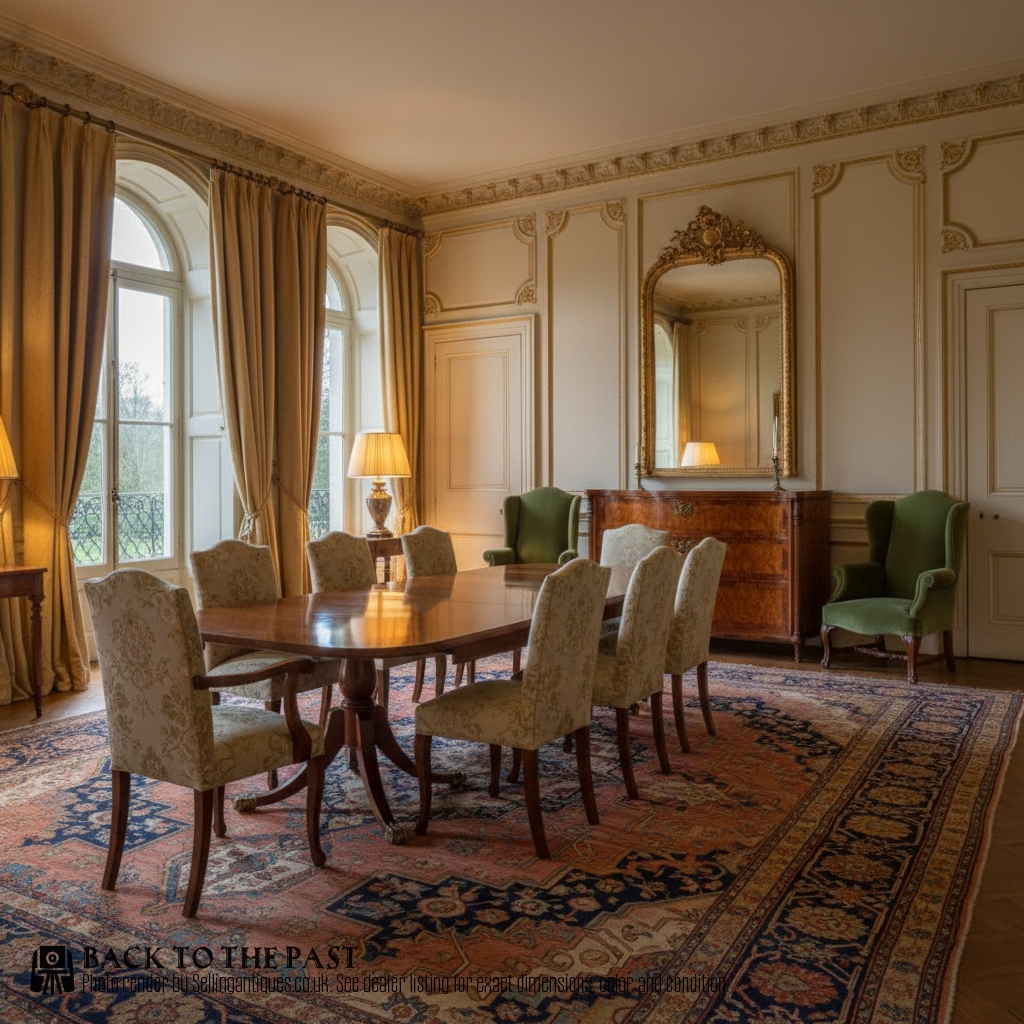
These cabinets fit well in entrance hallways as console surfaces, in living rooms beneath large mirrors, or beside beds as scaled storage tables.
The finished backs and sides on many examples allow them to sit away from walls in open spaces.
How should I care for marble top commodes?
Clean marble surfaces using a damp cloth and mild neutral soap, avoiding acidic liquids like vinegar or citrus juice that etch polished stone. Protect the timber frame from direct sunlight and extreme humidity changes to preserve the veneer and joinery.