
Vintage Commode
These vintage commode pieces offer practical storage in mahogany, oak, and walnut, shaped by Georgian, Victorian, and Edwardian cabinetmakers.
Vintage Commode
When you search for a vintage commode, you encounter a selection of timber storage forms spanning several centuries. The selections range from compact bedside nightstands to substantial chest of drawers units and marble top side cabinets.
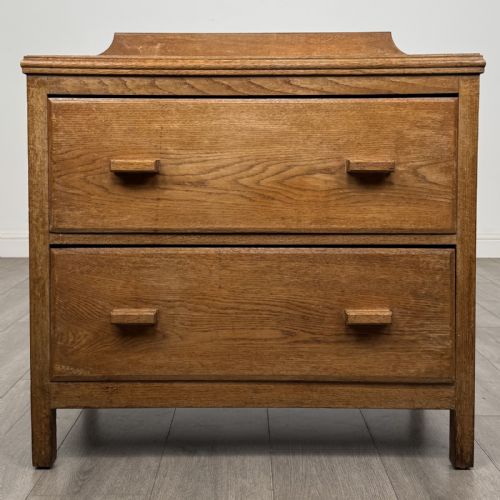
The pieces appearing on this page originate predominantly from Georgian, Victorian, Edwardian, and later twentieth-century periods. Mahogany and oak dominate the forms, supplemented by walnut, pine, and satinwood constructions.
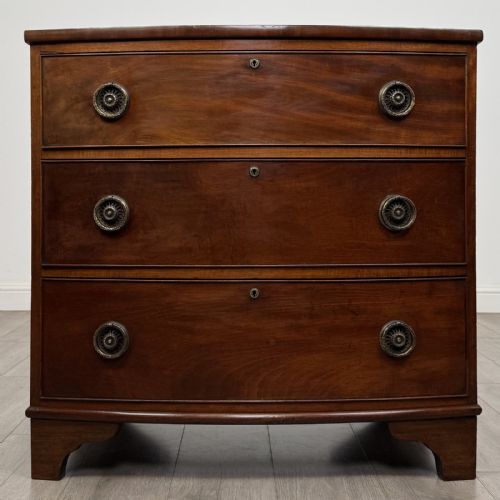
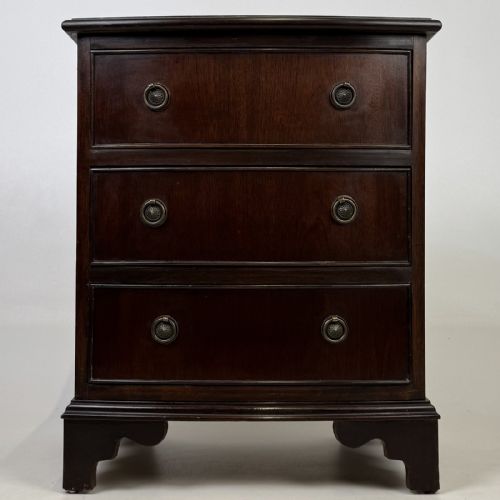
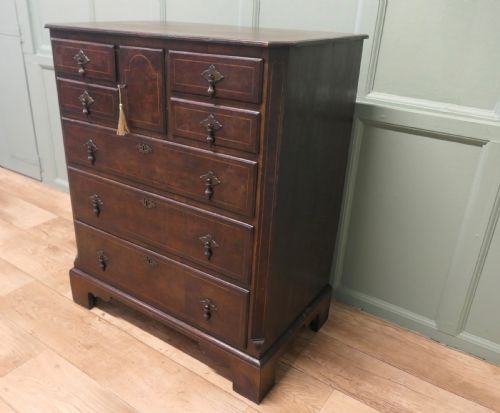
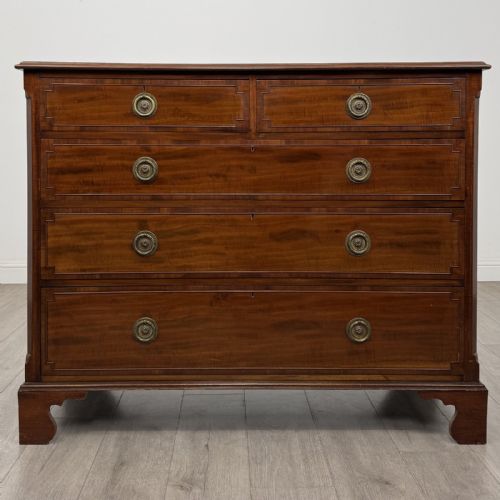
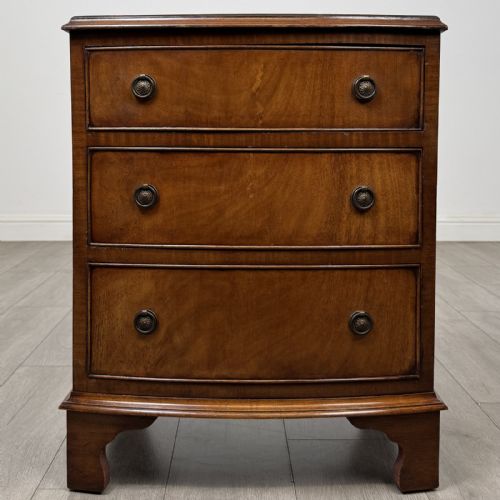
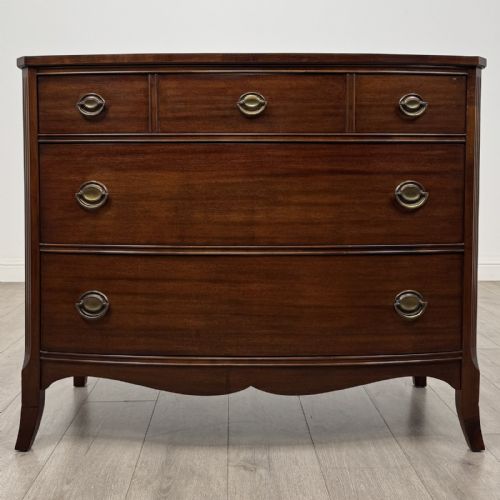
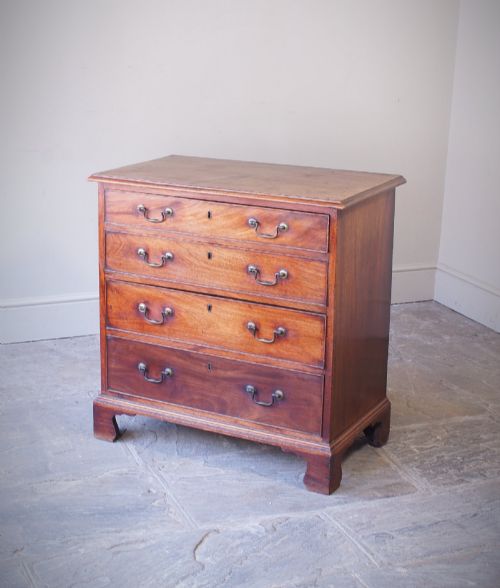
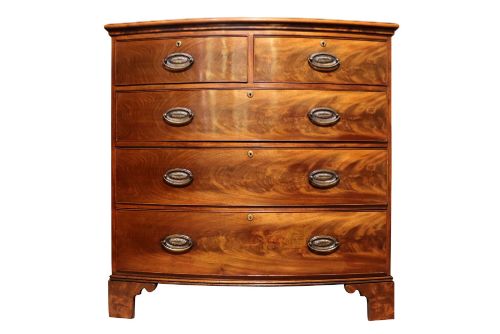
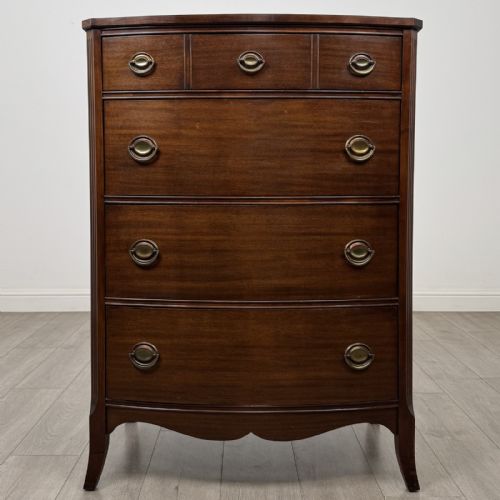
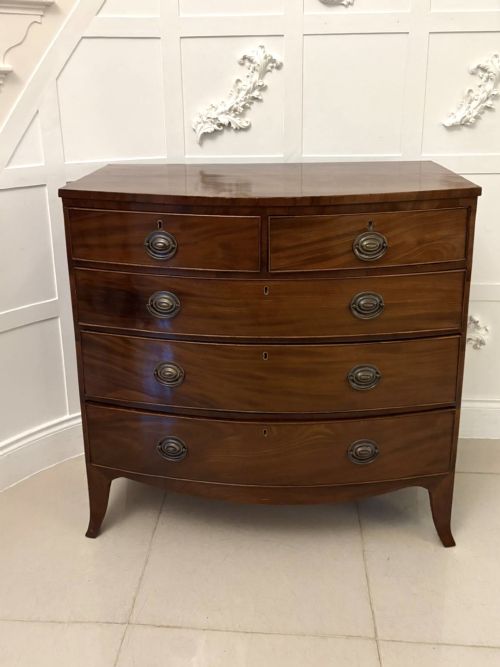
Bow front profiles, bracket feet, and brass handles recur frequently across the available chests of drawers and cupboards. Buyers often meet traditional Georgian proportions alongside French-influenced marble top commode designs.
How they were made
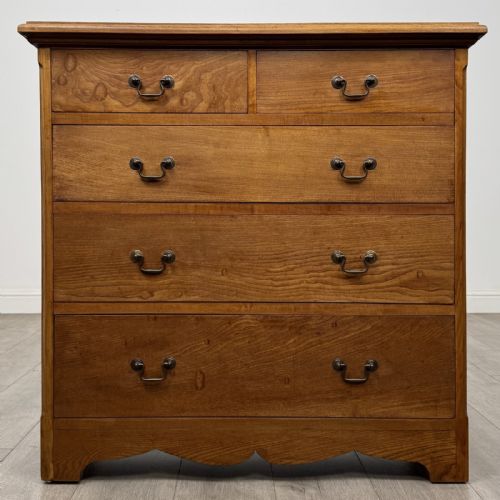
Cabinetmakers constructed these pieces using solid timbers such as mahogany, oak, walnut, and pine, frequently applying decorative veneers and marquetry details to drawer fronts and tops. Brass handles, drop pulls, and cup handles provide the primary metal hardware.
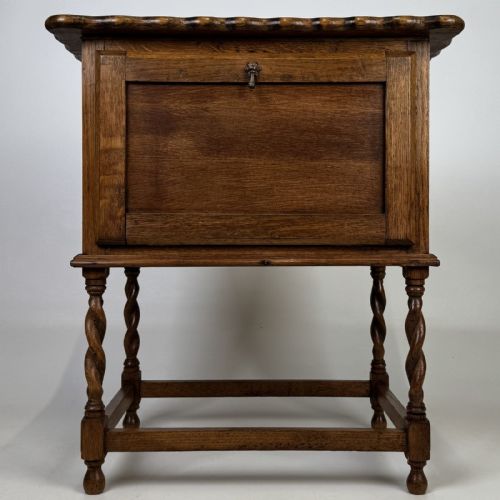
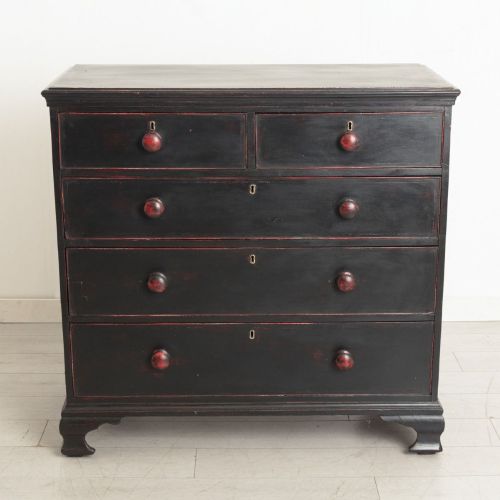
Surfaces receive various finishes, ranging from traditional polish to modern paint applications and marble slabs fitted to the tops of French-influenced commode examples. Structural details include bracket feet, bun feet, and barley twist legs.
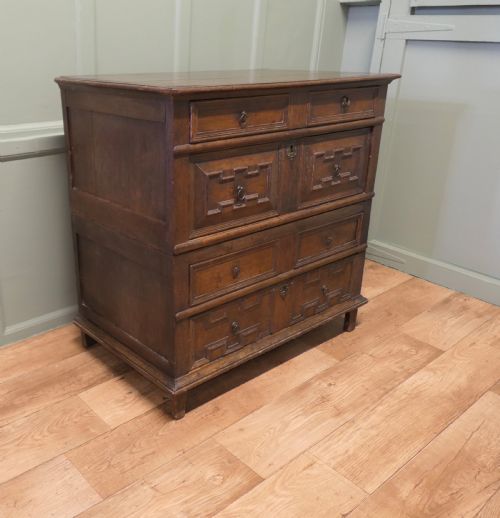
Several chests double as garret storage units, keeping old secrets safely tucked behind solid oak panels.
What varies in quality
The degree of refinement in timber selection and joinery separates standard pieces from finer examples. Figured mahogany veneers, precise inlay work, and substantial brass hardware indicate greater consideration during original production.
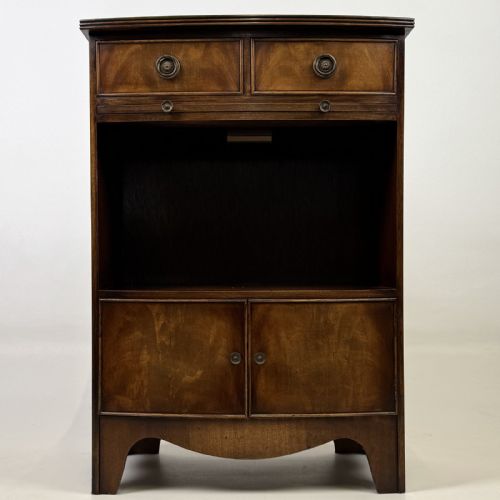
Proportion and decorative additions such as raised galleries, pull-out slides, or marble tops alter the character of individual items. The integration of period details like bracket feet and shaped aprons dictates the visual hierarchy within these storage forms.
Epstein
The Vintage Commode Glossary
- Commode
- A low chest of drawers or cabinet designed for storage. The term encompasses various bedside and freestanding timber forms.
- Bow front
- A convex, curved front profile typical of many Georgian and Regency chests. This shape softens the rectangular outline of the timber.
- Bracket foot
- A structural support foot shaped like a bracket, commonly found on Georgian and Victorian case pieces. It raises the base slightly off the floor.
- Marquetry
- Decorative patterns formed by the insertion of small pieces of veneer into a fitted wood ground. This technique decorates cabinet tops and drawer fronts.
- Pull-out slide
- A horizontal board that extends from above the top drawers to provide an auxiliary surface. It appears on select mahogany cabinets.
Vintage Commode: Frequently Asked Questions
What is a vintage commode?
A vintage commode is a low timber storage unit, typically functioning as a chest of drawers or small cabinet. These pieces provide enclosed space for domestic organisation.
Designs range from Georgian mahogany chests to marble top Victorian commode examples. They utilise traditional hardwoods like oak and walnut.
How do I style a commode?
Place a vintage commode in a bedroom as a bedside nightstand or in a hallway as a storage surface. The top surface accommodates lamps, mirrors, or decorative objects.
Pair wooden finishes with complementary period seating or neutral walls. Their compact proportions suit diverse room layouts.
Are these pieces made of solid wood?
Many items utilise solid timbers such as oak, pine, and mahogany throughout their construction. Other pieces employ veneer surfaces applied over secondary wood foundations.
Figured veneers and marquetry decorate the external panels of specific refined examples. Structural elements like feet and frames remain solid.
How do I identify the period?
Examine the timber selection, hardware style, and foot construction to determine the era. Georgian pieces often feature figured mahogany and bracket feet.
Victorian and Edwardian examples introduce alternative woods, simpler lines, or painted finishes. Specific hardware types correlate with distinct manufacturing decades.