
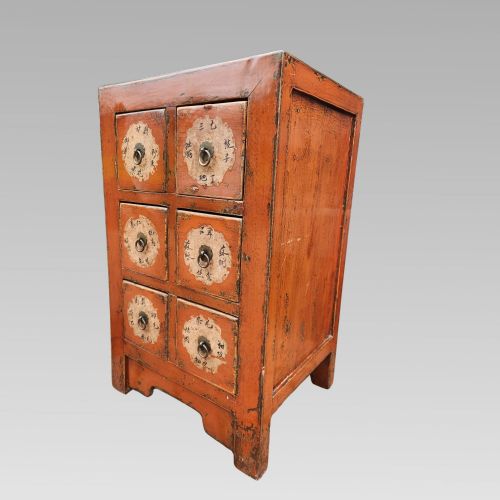


Lacquered Chest of Drawers
Lacquered chest of drawers pieces bring rich surface depth and global stylistic heritage into a room, offering both practical storage and striking visual character.
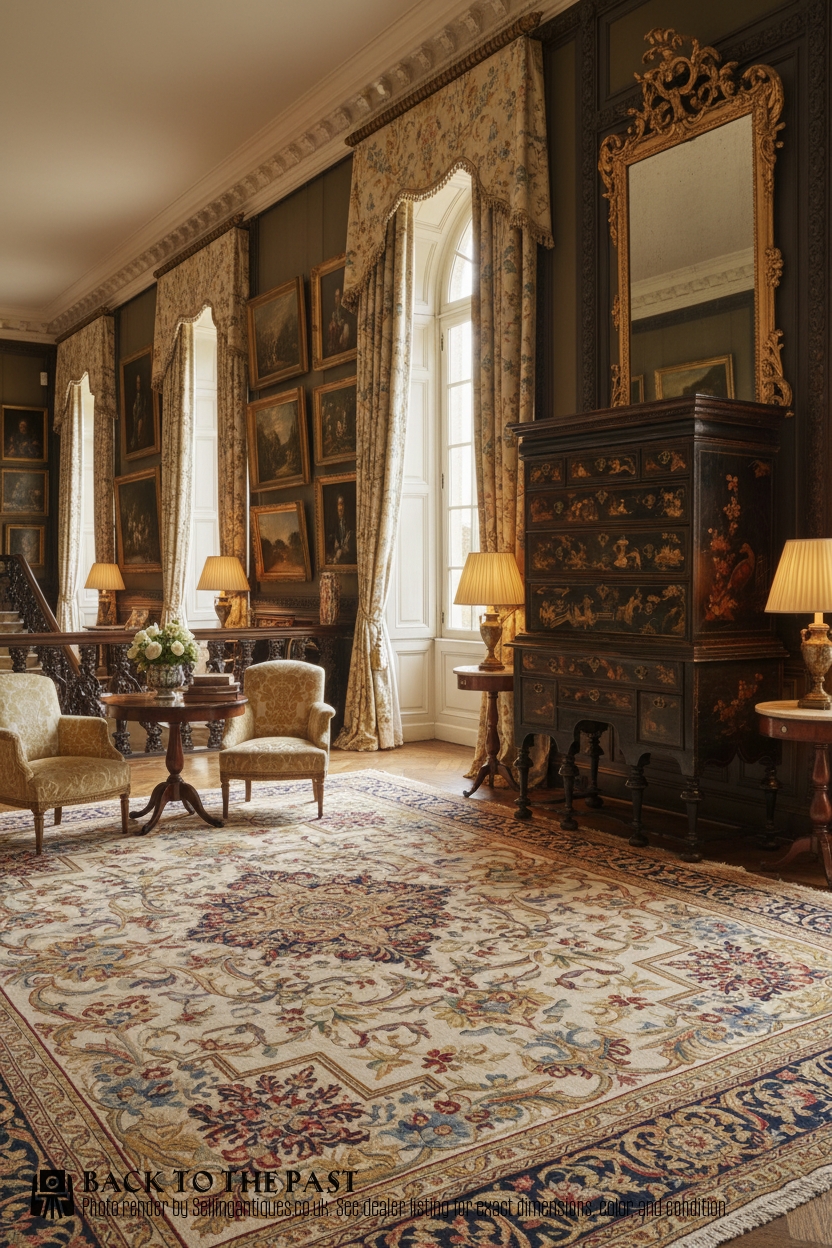
Lacquered Chest of Drawers
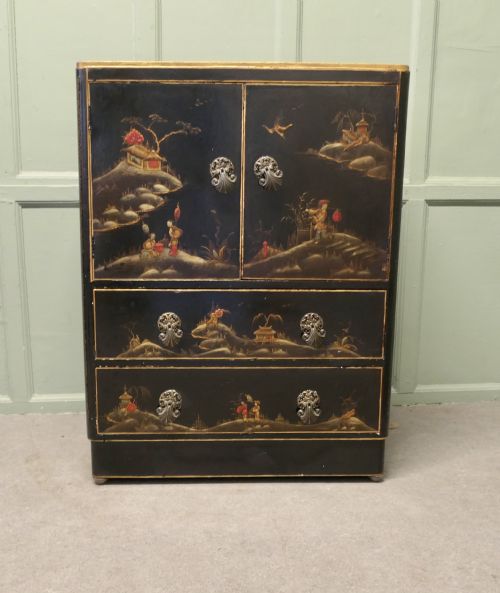
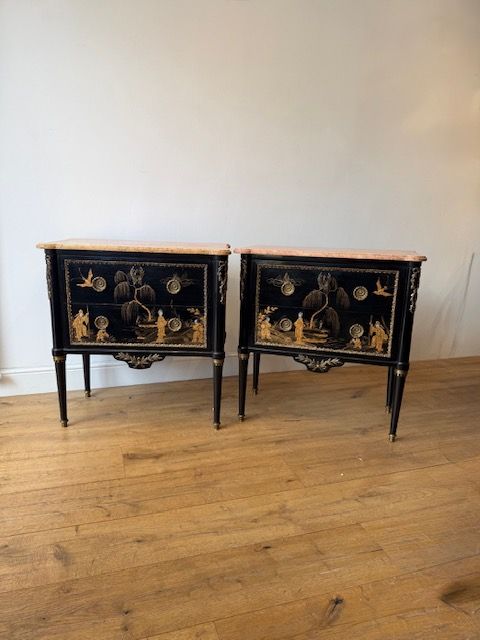
A lacquered chest of drawers brings together functional storage forms and resilient resinous finishes, with roots spanning European revivals and Asian workshop traditions. When exploring a lacquered chest of drawers, buyers encounter pieces ranging from substantial eighteenth-century English stands to compact Japanese table cabinets and twentieth-century English or French commodes. These items serve as focal points in a bedroom or living space, providing enclosed drawer storage beneath decorative surfaces.
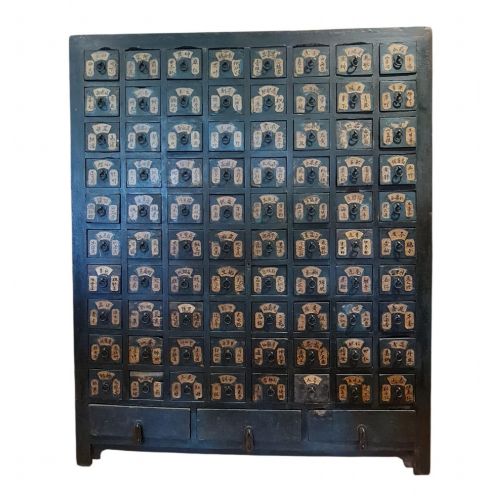
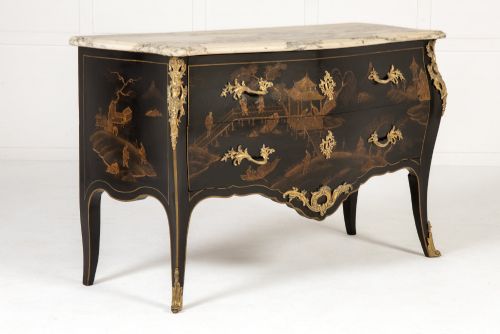
The selection includes specific regional variations such as Chinese apothecary chests with numerous small drawers, Japanese tansu chests, and European commodes adorned with Chinoiserie scenes. Pieces date across the eighteenth, nineteenth, and early twentieth centuries, including Edwardian interpretations and pieces from the 1920s and 1930s. The common thread is the application of lacquer, often paired with brass hardware, wood, iron, and gold leaf.
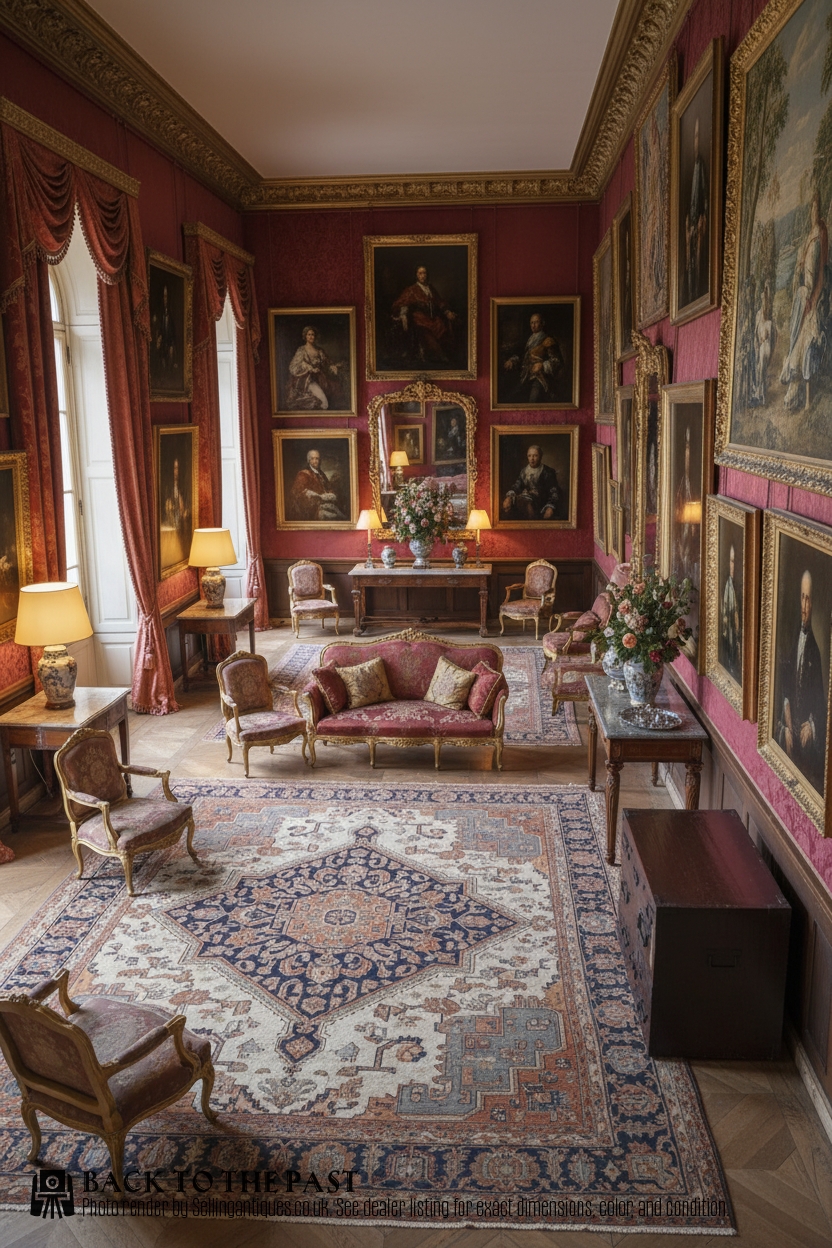
Materials and construction methods
Construction relies upon solid timbers such as elm, oak, and walnut as structural carcases, providing stable foundations for decorative surface treatments. Artisans applied successive coats of natural lacquer to create durable, lustrous finishes that could be polished, painted, or carved with intricate detail.
Metal components, including brass handles, hinges, and iron mounts, reinforce corners and drawers while offering functional contrast to dark or pale lacquer grounds. Selected pieces incorporate gold leaf highlights and hand-painted Chinoiserie motifs to accentuate panels, mouldings, and drawer fronts.
Current listings feature pieces spanning the 18th century through the 1930s, incorporating lacquer, brass, iron, marble, and gold leaf.
Distinguishing quality across examples
Quality in these pieces rests upon the depth of the lacquer finish and the precision of the underlying joinery. Superior examples display smooth, hand-rubbed surfaces without cracking, alongside drawers that move freely within their housings.
Artistic execution dictates the distinction between standard production and exceptional craftsmanship. Finely detailed hand-painted scenes, integrated metal mounts, and well-preserved original hardware elevate a piece above simpler utilitarian storage.
The Lacquered Chest of Drawers Glossary
- Chinoiserie
- European decorative style reflecting Chinese artistic influences, frequently featuring painted landscapes, figures, and pavilions on lacquered furniture. This aesthetic gained particular popularity during the eighteenth and early twentieth centuries.
- Japanned
- European imitation of East Asian lacquerwork, created through layers of varnish and specialised drying techniques. The finish often depicts raised gilt motifs upon a dark ground.
- Tansu
- Traditional Japanese mobile storage cabinetry, constructed from wood with distinct iron or brass hardware. These pieces are designed for utility and portability within domestic interiors.
- Commode
- Low cabinet or chest of drawers designed in the French taste, often featuring curved bodies and decorative mounts. These pieces typically stand on short legs or feet.
- Apothecary chest
- Multi-drawer storage cabinet originally intended for medicinal herbs, powders, or remedies. These items feature numerous small drawers, each often marked for identification.
Lacquered Chest of Drawers: Frequently Asked Questions
How were apothecary chests used?
Apothecary chests served in traditional pharmacies and households to organise and store dried herbs, roots, and medicinal powders in distinct small compartments.
The numerous small drawers kept ingredients separated and protected from light and moisture until required for compounding remedies.
Where should I place a lacquered chest?
These chests function effectively as statement pieces in entrance halls, living rooms, or bedrooms where their decorative surfaces can be appreciated away from direct sunlight.
Positioning them against neutral walls allows the intricate lacquer work and metal hardware to stand out as focal points in the interior.
How do I care for lacquer surfaces?
Maintenance requires dusting gently with a soft, dry cloth and avoiding harsh chemical polishes or excessive moisture that can damage the resinous finish.
Keeping the piece away from direct heat sources and dramatic temperature shifts protects the wood substrate and prevents the lacquer from checking.
What defines a tansu chest?
A tansu chest is a traditional form of Japanese mobile storage featuring exposed timber construction and robust iron or brass reinforcement brackets.
These pieces prioritize functional durability and portability, reflecting regional Japanese craftsmanship from the nineteenth and early twentieth centuries.