


Oriental Storage Trunk
These oriental storage trunk examples offer robust utility and rich cultural decoration, bringing historic character and practical concealment into any interior scheme.
What these pieces are
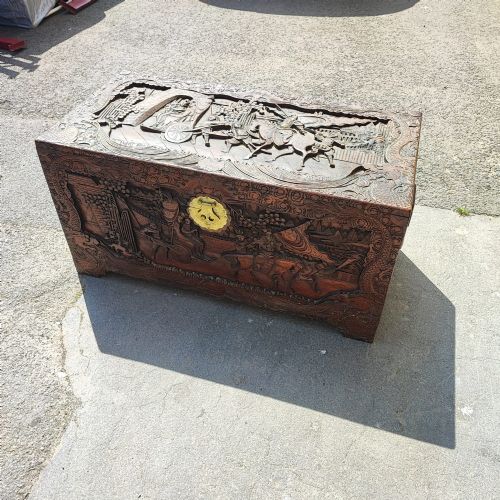
An oriental storage trunk covers various chests, coffers, and blanket boxes originating from distinct Asian traditions and export markets. You will frequently encounter camphor wood chests alongside lacquer pieces from the nineteenth and twentieth centuries.
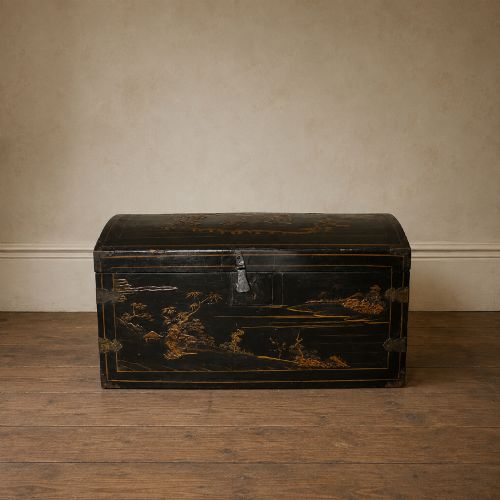
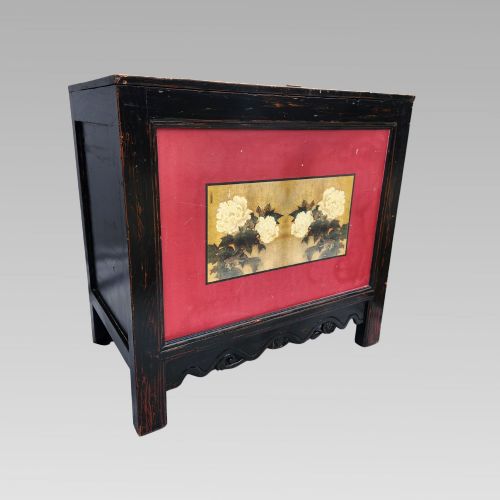
The selection ranges from eighteenth-century Chinese export lacquer coffers to Japanese Meiji period tansu chests and later art deco blanket boxes. These forms served domestic purposes for clothing and valuables before entering the decorative market.
Proportions vary from low storage coffers to large carved camphor wood boxes equipped with metal mountings. Each form reflects the specific regional requirements of its period, whether designed for travel or static home use.
How they were made
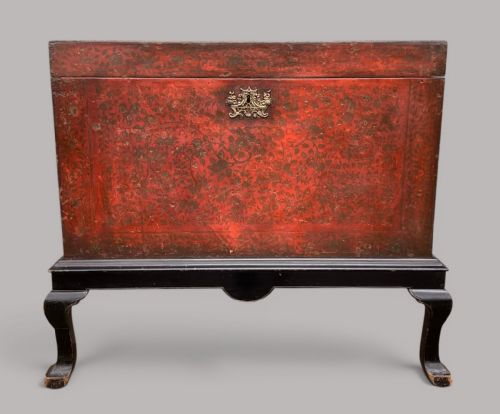
Construction relies heavily on timbers such as camphor wood combined with secondary framing, frequently finished with decorative surface treatments. Artisans applied layers of lacquer, gold leaf, and red urushi lacquer to wooden carcases.
Hardware elements incorporate brass and iron detailing for hinges, corner brackets, and substantial latch plates. Leather covering also appears, applied over wooden foundations and secured with metal studs.
Retail Price Guide 2026
Typical UK retail prices for oriental storage trunk, calculated from the Sellingantiques database of over a million retail prices indexed since 2003. This retail price guide relies exclusively on Sellingantiques data; no external sources or auction records are used, so the figures do not describe the wider market.
Camphor wood trunks retain their distinct herbal aroma decades after leaving the workshop, quietly scenting every blanket stored inside.
What varies in quality
Quality reveals itself in the depth of hand-carving and the preservation of original lacquer or gold leaf surfaces. Superior examples demonstrate meticulous joinery alongside intact interior linings and substantial metal mountings.
The integrity of the timber and the subtlety of painted or carved details separate standard utility boxes from finer export pieces. Original hardware and undisturbed surface patination distinguish the most desirable specimens.

The Oriental Storage Trunk Glossary
- Camphor wood
- A fragrant timber traditionally utilised for storage chests due to its insect-repellent properties. It provides a stable, aromatic carcase that preserves textiles over long periods.
- Urushi lacquer
- A natural resin applied in numerous thin layers to create a durable, glossy surface finish. Red variants appear frequently on traditional Asian furniture and chests.
- Coffer
- A heavy wooden chest traditionally used for holding valuables and precious items. These pieces often feature reinforced corners and secure locking mechanisms.
- Meiji period
- The era of Japanese history spanning from eighteen sixty-eight to nineteen twelve, noted for distinctive craftsmanship and export goods. Pieces from this time display refined artistic execution.
- Chinese export
- Goods manufactured in China specifically for Western markets from the seventeenth to the nineteenth centuries. These items combine traditional Asian techniques with European functional preferences.
Frequently Asked Questions
What are camphor wood chests used for?
These chests served primarily for storing blankets, garments, and valuable possessions within the home. The natural aroma of the timber helped protect textiles from moths and dampness during long storage periods.
Today, they function effectively as coffee tables, end-of-bed storage boxes, or standalone decorative accents. Their robust construction allows them to support weight while keeping contents concealed.
How do I date an oriental chest?
Dating relies on examining the timber species, construction methods, and surface decoration styles. Eighteenth-century examples often feature export lacquer, whereas nineteenth-century pieces frequently display brass detailing and leather coverings.
Twentieth-century items from the nineteen-twenties and nineteen-forties often exhibit art deco influences or simpler carved camphor wood surfaces. Comparing hardware types and lock mechanisms also helps establish the approximate period of manufacture.
Are these trunks waterproof?
Historic storage trunks were designed for domestic containment and travel rather than absolute water resistance. While tight-fitting wooden lids and metal mountings kept out dust and pests, they lack modern rubber seals.
Keeping them in stable indoor environments prevents the timber from warping or the lacquer from cracking. Direct moisture can damage both the exterior finish and the interior wood.
How do I care for lacquer surfaces?
Lacquer requires gentle treatment with a soft, dry cloth to remove dust without scratching the finish. Avoid chemical polishes, abrasives, and direct sunlight, which can cause the material to fade or degrade.
Maintaining moderate room humidity prevents the underlying wood from expanding and cracking the delicate lacquer layers above. Regular, careful dusting preserves the visual depth of the surface.