


Chinese Carved Coffer
A Chinese carved coffer is a robust storage piece offering deep relief work and aromatic timber, ideal for grounding a modern interior scheme.
Chinese Carved Coffer
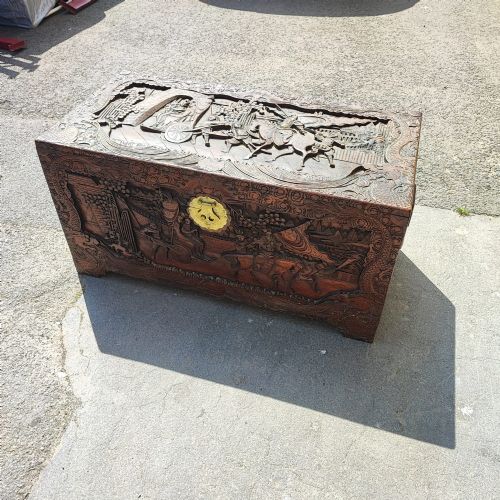
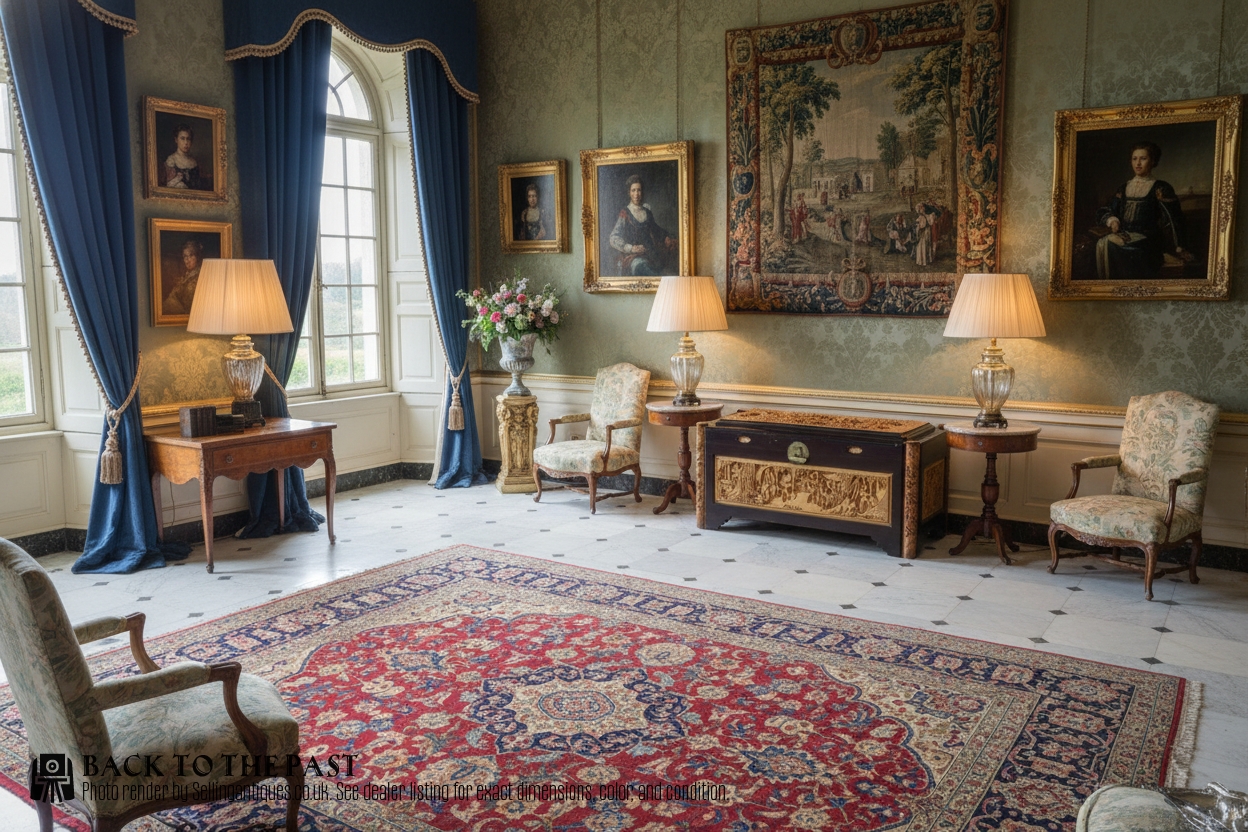
A Chinese carved coffer functions primarily as a heavy-duty storage trunk, blanket box, or occasional table originating from the nineteenth and early twentieth centuries. These pieces emerge in styles ranging from Qing Dynasty traditions to Chinese export productions, utilising regional forms like the camphor trunk or storage chest.
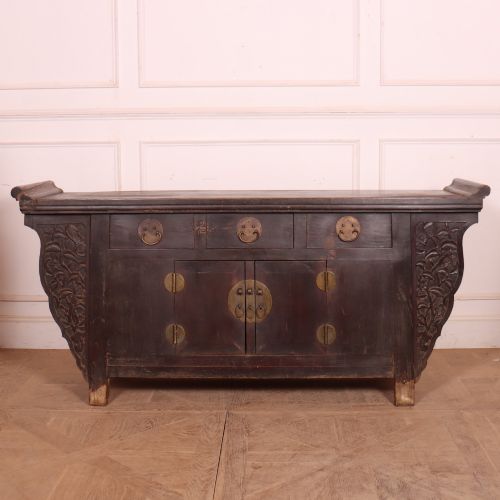
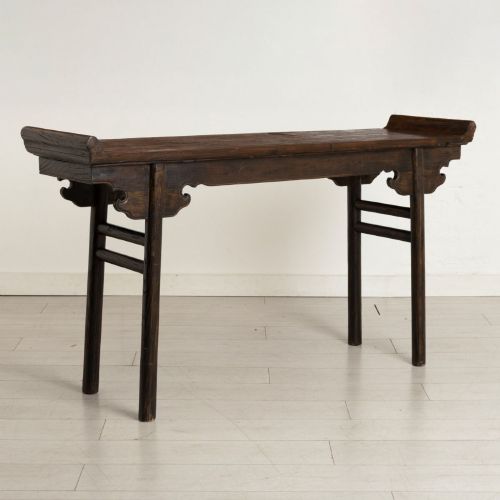
The version most frequently met on this page is the camphor wood trunk or chest, often featuring dense hand-carving across the lid and panels. Alongside these dedicated chests, the inventory holds related forms such as altar tables, sideboards, and hall benches executed in elm, hardwood, and lacquer.
Materials and Construction Techniques
Makers relied on durable woods such as camphor wood, elm, and general hardwoods selected for structural stability and resistance to pests. Camphor wood proved particularly favoured for trunks and coffers due to its natural aromatic qualities, which protect stored textiles.
Surface treatments combine deep relief wood carving with occasional brass binding or contrasting red and black lacquer finishes. Construction often incorporates traditional joinery methods designed to accommodate timber movement across nineteenth-century and early twentieth-century examples.
Chinese Carved Coffer Retail Price Guide 2026
Typical asking prices for chinese carved coffer among the pieces listed under this phrase on Sellingantiques today, from the lower quarter to the upper quarter. They describe what is for sale here now, not the wider market.
Listings feature nineteen-century and early twentieth-century dates, spanning camphor wood, elm, brass, and lacquer.
Assessing Quality and Execution
Quality separates along the depth, crispness, and narrative complexity of the surface carving rather than the mere presence of decoration. Superior examples display sharply defined motifs without splintering, executed by skilled hands that maintain proportion across the entire chest.
The integrity of the timber and original hardware, including brass mounts and hinges, dictates the standing of a piece. Better specimens retain their internal camphor linings and structural rigidity without excessive warping or poorly executed later repairs.
The Chinese Carved Coffer Glossary
- Camphor wood
- A fragrant timber native to Asia, prized for making storage trunks because its natural scent repels insects. It remains stable and takes deep carving exceptionally well.
- Qing Dynasty
- The final imperial dynasty of China, lasting from the mid-seventeenth century until nineteen twelve. Pieces attributed to this period often display traditional motifs and formal restraint.
- Chinese Export
- Objects manufactured in China specifically for Western markets during the nineteenth and early twentieth centuries. These frequently blend traditional forms with design elements intended to appeal to European tastes.
- Lacquer
- A durable finish derived from tree sap, applied in multiple layers and polished to a smooth sheen. Red and black lacquer finishes are characteristic of formal Chinese cabinetry and screens.
Chinese Carved Coffer: Frequently Asked Questions
How were these coffers originally used?
These pieces served primarily for storing garments, important documents, and textiles within the home. Their dense timber construction protected contents from dampness and insects.
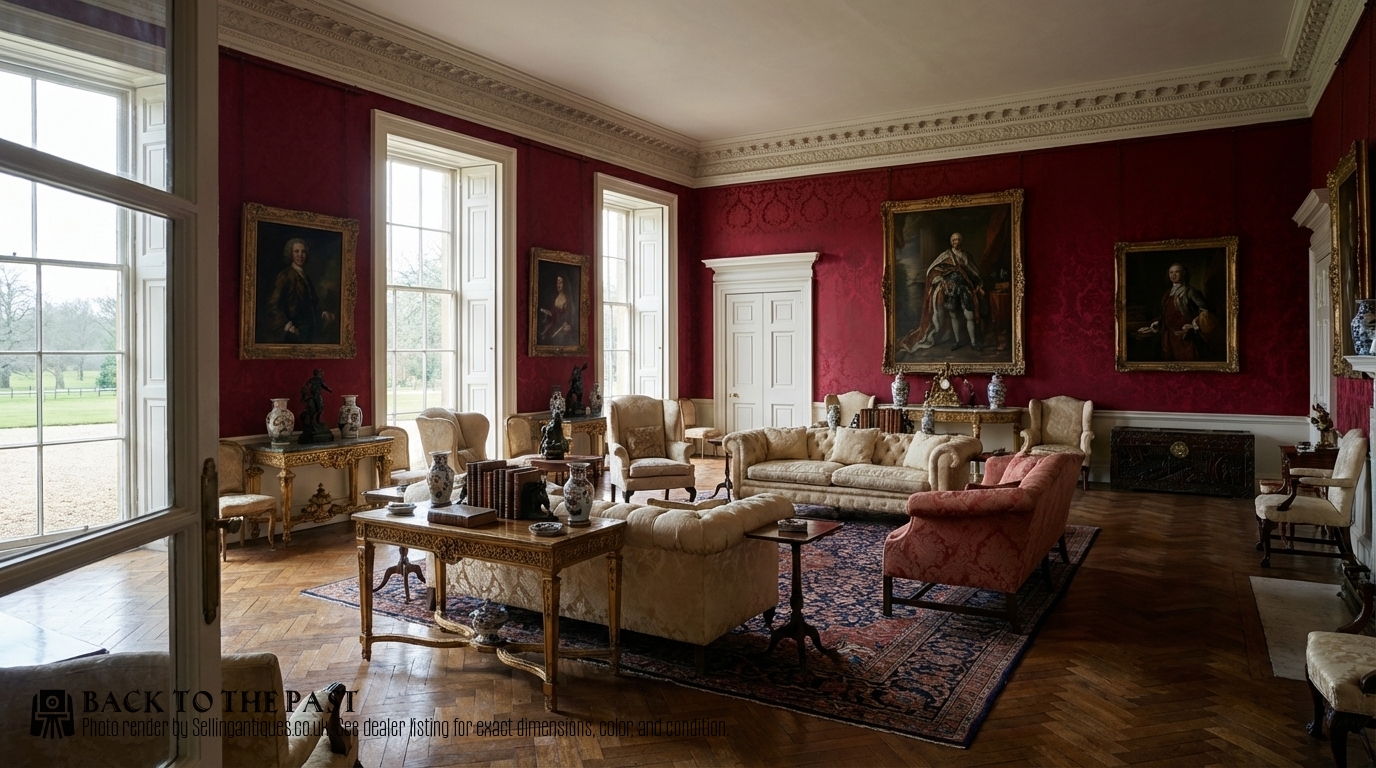
Over time, many of these chests transitioned into multipurpose living space furniture, frequently doubling as low coffee tables or hallway benches.
What is the best way to maintain camphor wood?
Camphor wood benefits from minimal interference and stable indoor humidity levels away from direct heat sources. Regular dusting with a dry cloth preserves the matte or polished finish of the timber.
Avoid applying heavy modern waxes or oils that might seal the wood and diminish its natural aromatic properties.
How can I tell the nineteenth-century pieces apart?
Nineteenth-century examples generally display heavier timber scantlings, hand-forged or traditional brass hardware, and deeper, more varied relief carving. The patination on the wood develops a softer, darker warmth through prolonged handling.
Later pieces from the early twentieth century often show more standardised machine assistance in the joinery and brighter, less mellowed surfaces.
Are these chests suitable for modern living spaces?
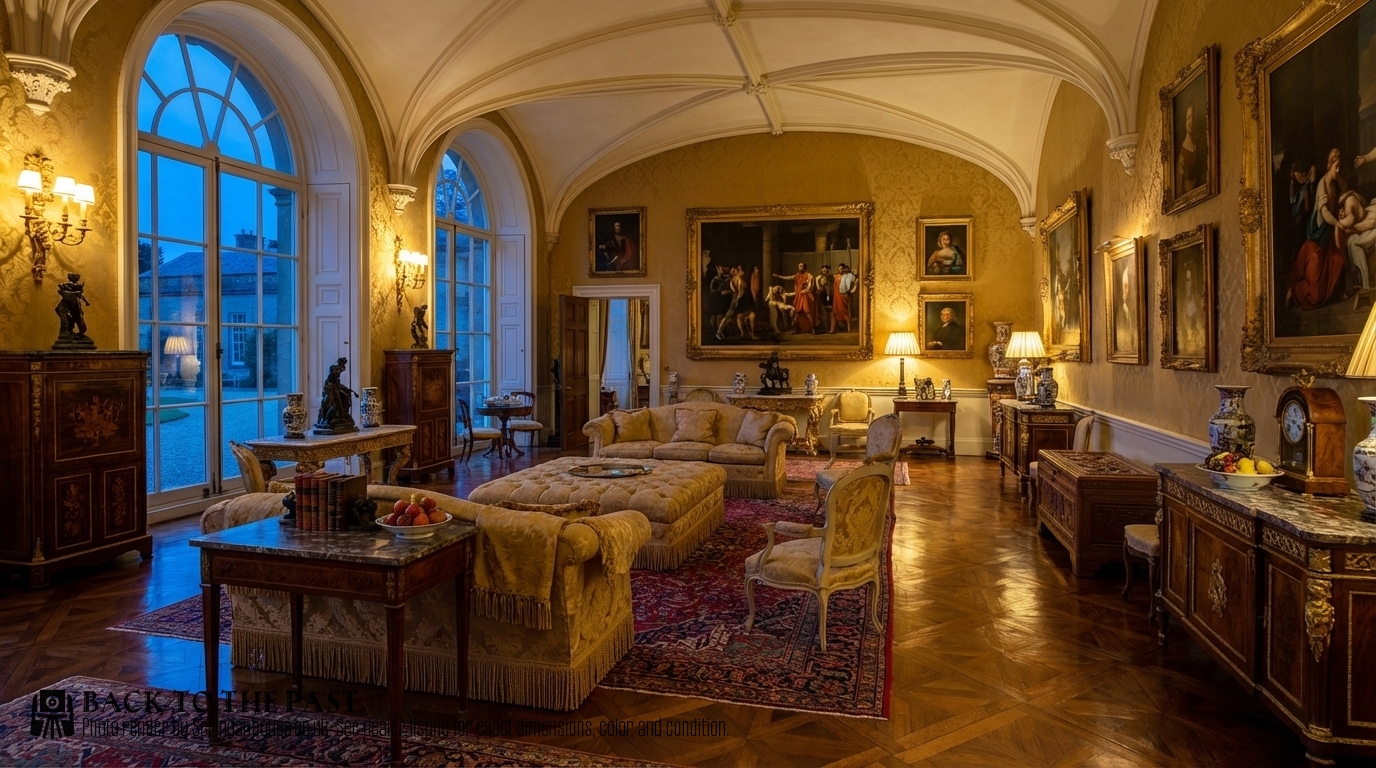
The generous proportions and flat lids make these coffers practical as coffee tables or end-of-bed storage units. They introduce texture and historical contrast into contemporary minimalist or eclectic interiors.
Their dual functionality provides concealed storage while offering a sturdy surface for lamps, books, or decorative objects.