

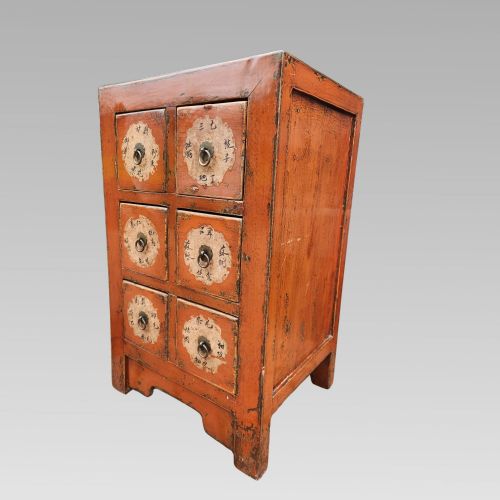


Oriental Storage Chest
An oriental storage chest brings aromatic wood and substantial hardware into a room, offering practical containment with distinct historic character.
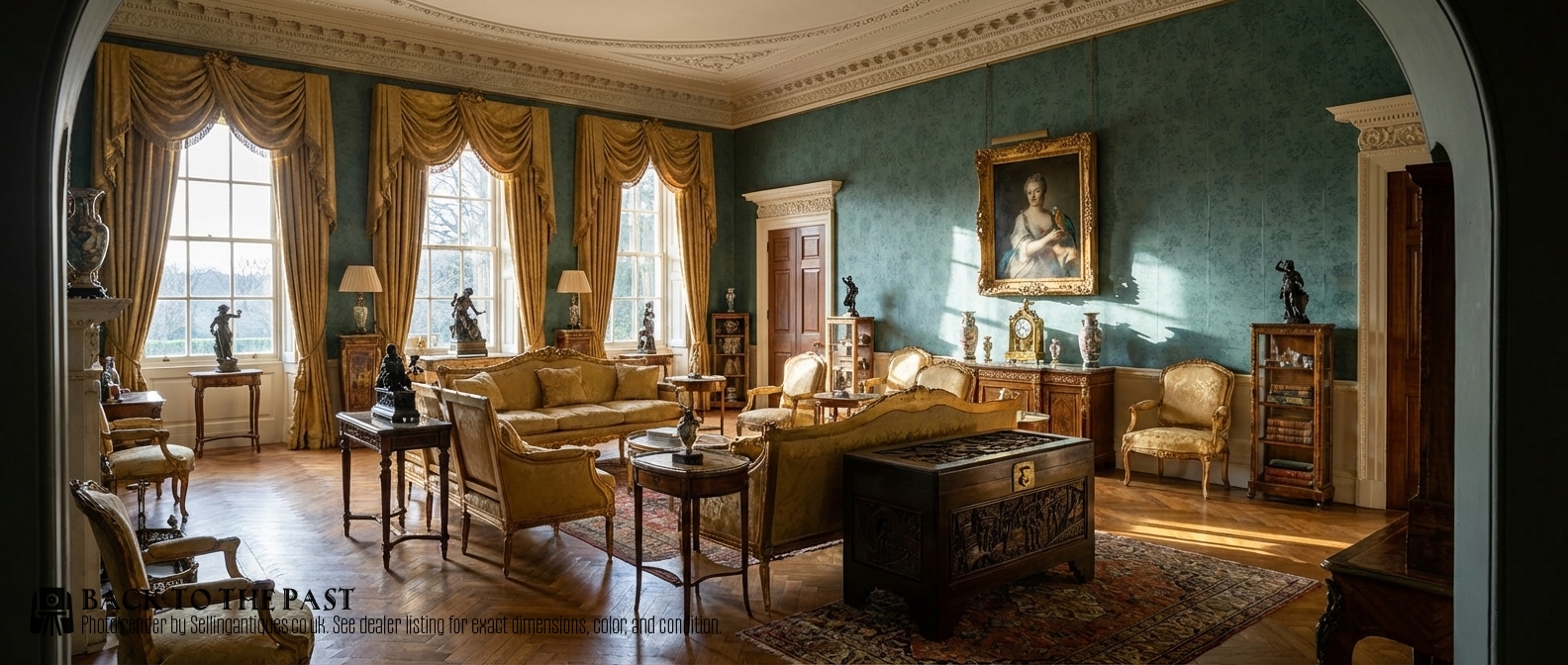
Identifying your oriental storage chest
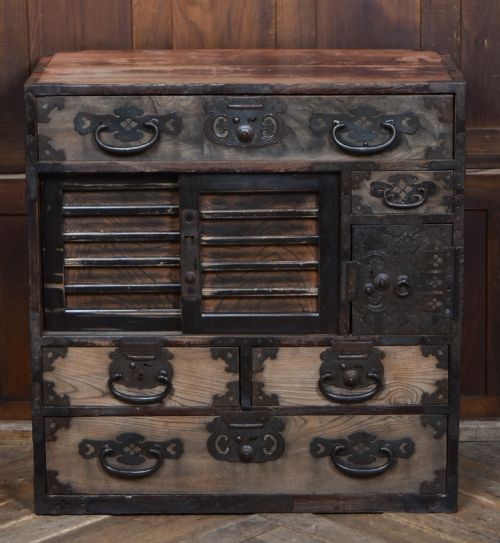
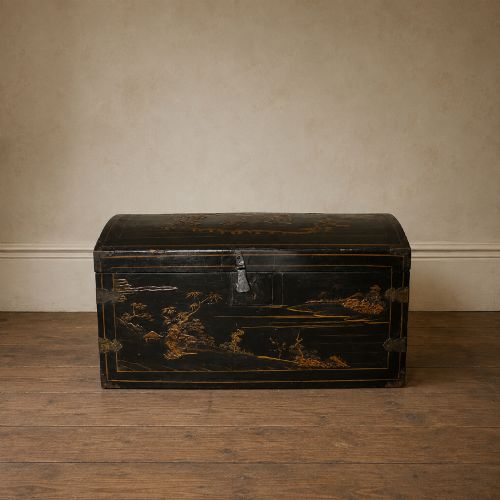
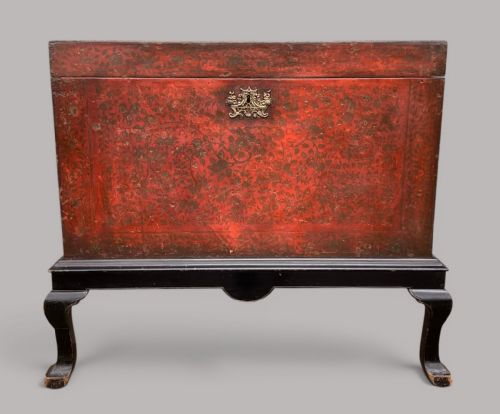
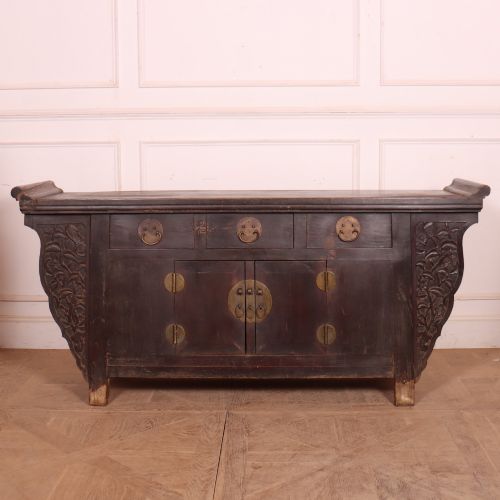
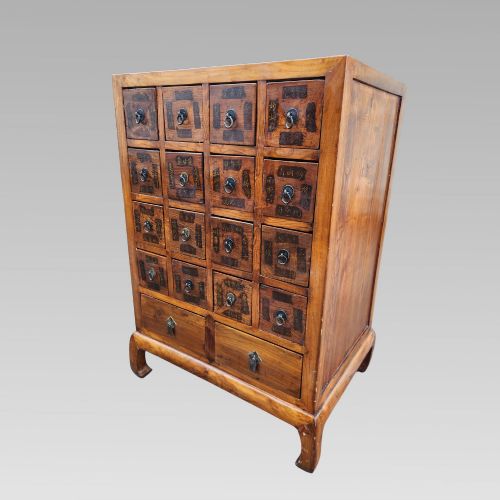
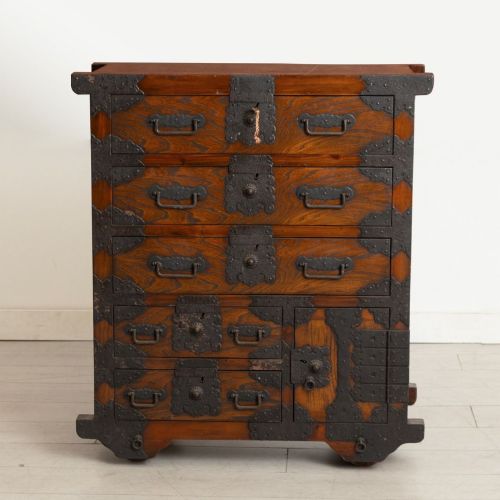
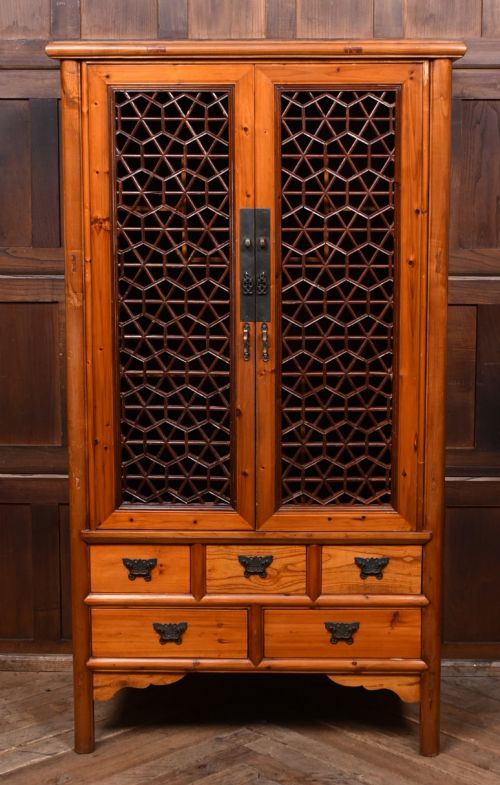
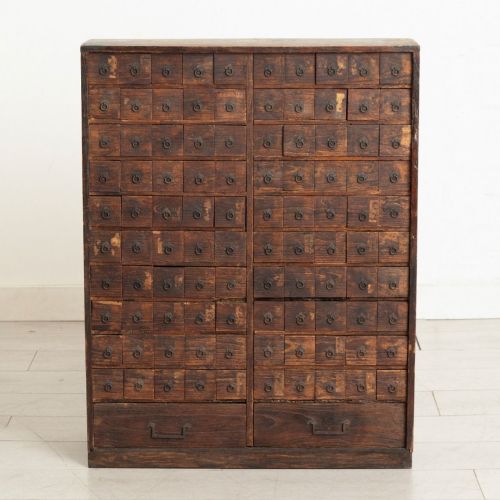
When you search for an oriental storage chest, you encounter sturdy blanket boxes, blanket chests, coffer trunks, and robe chests designed for travel and household safekeeping. These pieces arrive from various periods including the nineteenth century alongside the nineteen-tens, twenties, and thirties, reflecting global trade and diverse regional traditions.
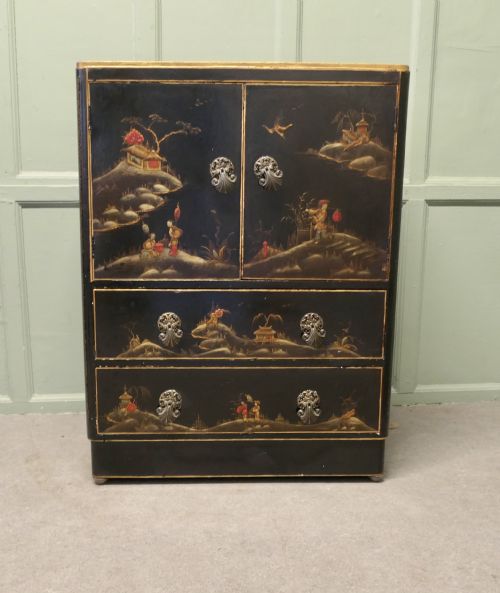
You meet Chinese export and Japanese Meiji works, as well as later British and continental interpretations influenced by Art Deco design. Materials range from plain wood and fragrant camphor to oak and leather, frequently incorporating brass and iron reinforcement.
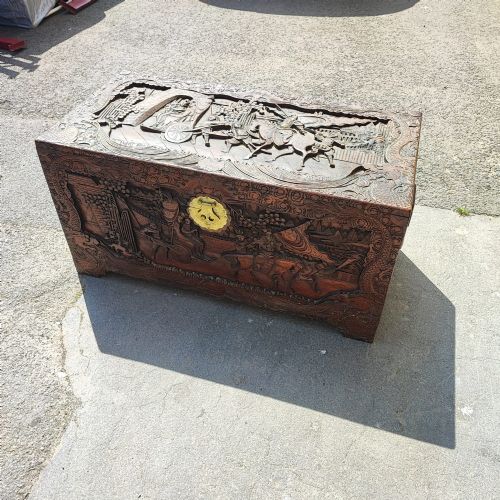
The most common formats on this page are camphor wood trunks and carved chests designed to protect contents while serving as decorative furniture. Each piece combines functional storage with traditional craftsmanship from Asian and Western workshops.
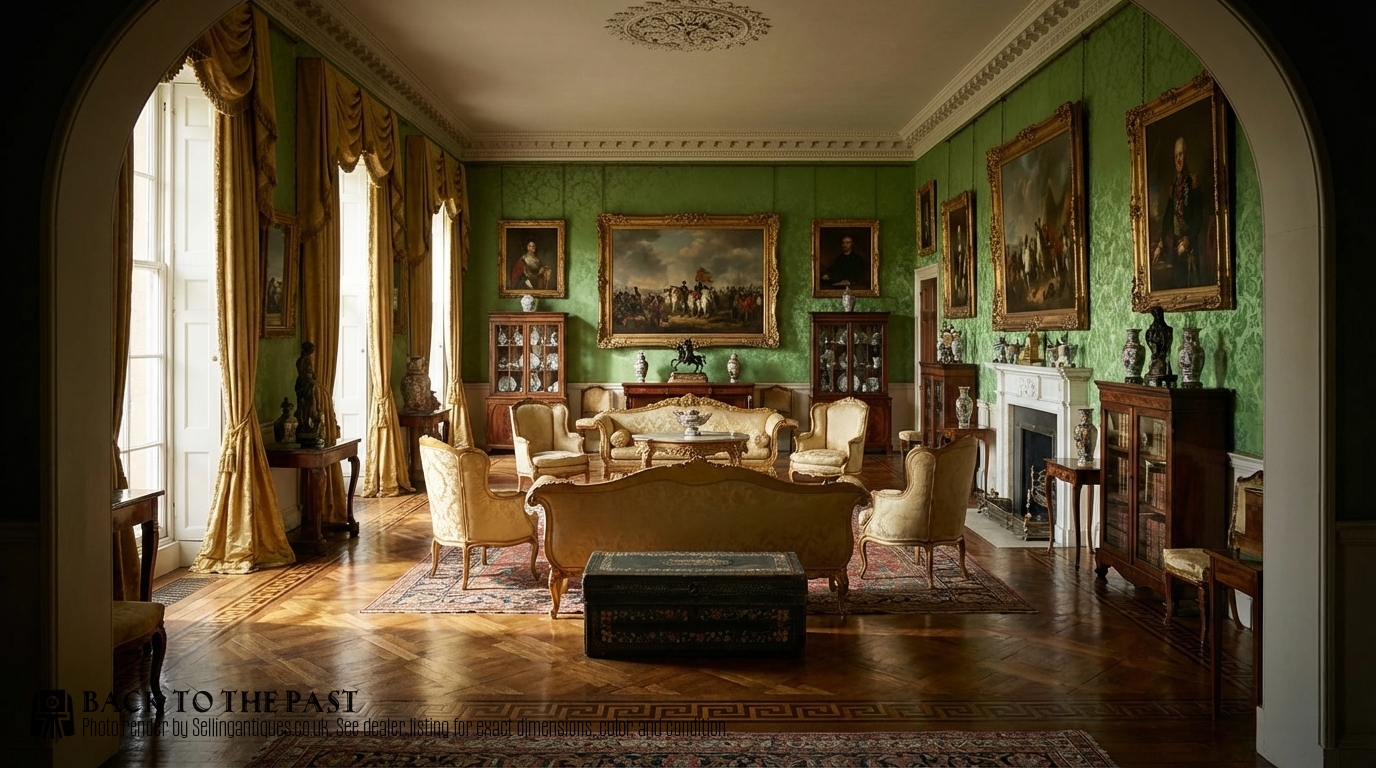
Construction and materials
These chests rely on dense, durable timbers such as camphor wood, cedar, oak, and general wood structures selected for stability and insect resistance. Camphor wood is particularly favoured for its aromatic properties, which naturally deter moths and preserve textiles.
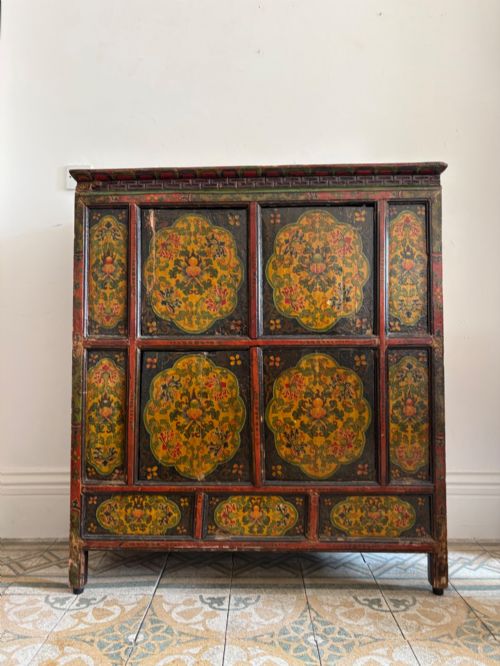
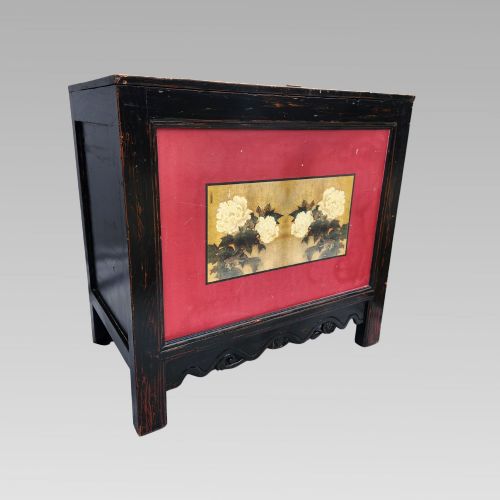
Joinery is reinforced with heavy metalwork including brass and iron brackets, corners, and straps to withstand long-distance transit. Surfaces display varied finishes, from hand-painted decoration and carved relief work to limed treatments and plain polished wood.
Retail Price Guide 2026
Typical UK retail prices for oriental storage chest, calculated from the Sellingantiques database of over a million retail prices indexed since 2003. This retail price guide relies exclusively on Sellingantiques data; no external sources or auction records are used, so the figures do not describe the wider market.
The lingering scent of camphor wood in these chests has protected generations of woollens from hungry moths.
Assessing quality and execution
Quality in these chests rests upon the depth and precision of the carving, the integrity of the timber, and the substantial nature of the hardware. Pieces featuring intricate hand-painted details or deep relief carving stand apart from simpler utilitarian boxes.
The retention of original brass or iron mounts and working hinges defines the better examples in this range. The choice of fragrant camphor or cedar over standard utility timbers similarly elevates the standing of a trunk.

The Oriental Storage Chest Glossary
- Camphor wood
- An aromatic timber traditionally used for storage trunks because its natural scent repels insects and protects stored garments. It forms the core material for many export chests.
- Tansu
- A traditional Japanese mobile storage cabinet or chest built from wood with distinct iron or brass hardware. These pieces reflect specific regional joinery techniques.
- Coffer
- A heavy, secure box or chest traditionally used for storing valuables, documents, or textiles. The term often describes robustly built rectangular trunks.
- China Trade
- Goods manufactured in China specifically for export to Western markets during the nineteenth and early twentieth centuries. These objects frequently blend Eastern motifs with European furniture forms.
Frequently Asked Questions
What is an oriental storage chest used for?
These chests serve as practical containers for blankets, linens, and clothing while functioning as decorative furniture in living spaces and bedrooms.
Their sturdy construction allows them to double as coffee tables or end tables in contemporary interiors.
How do I care for a camphor wood chest?
Keep the wood away from direct heat sources and strong sunlight to prevent the timber from drying out or splitting. Gentle dusting and occasional soft waxing maintain the finish without harming the natural aromatic properties.
Avoid using harsh chemical polishes on the painted or carved surfaces.
How can I tell the period of a chest?
Dating relies on examining the construction methods, hardware styles, and decorative motifs present on the piece. Nineteenth-century examples often feature hand-forged iron or heavy brass fittings, while nineteen-thirties pieces may incorporate Art Deco styling.
Comparing the timber type and finish helps place the chest within a specific decade or era.
Are these chests heavy to move?
Most oriental storage chests are built from dense timbers like camphor wood or oak, often reinforced with iron and brass. This makes them relatively substantial, requiring two people to lift them safely.
Many feature integrated side handles to assist with positioning them in a room.