
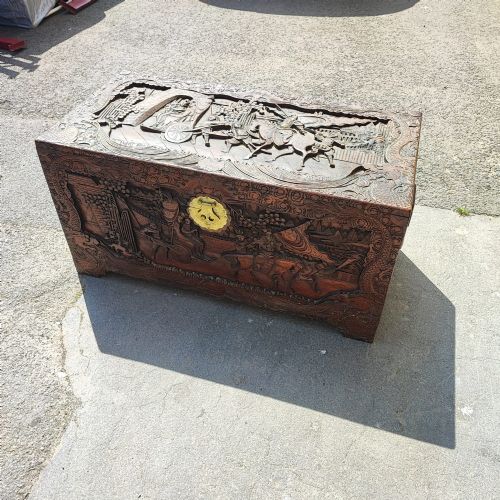


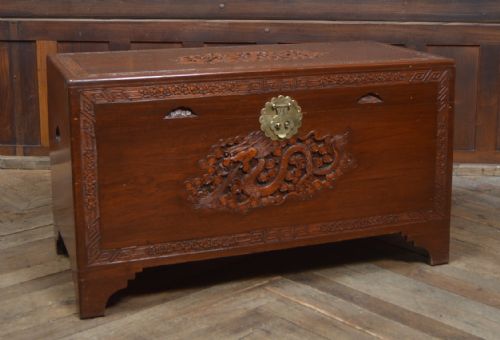
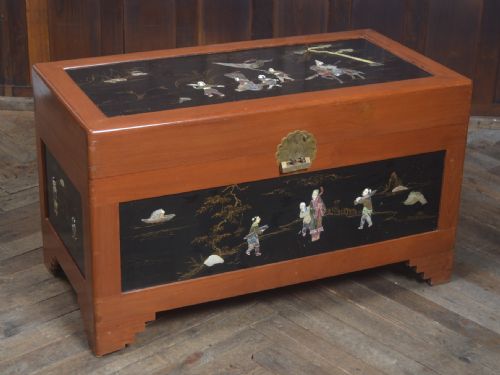
Oriental Camphor Box
Oriental camphor box examples combine fragrant timber, brass hardware and carved motifs, offering practical storage with a distinct trade history.
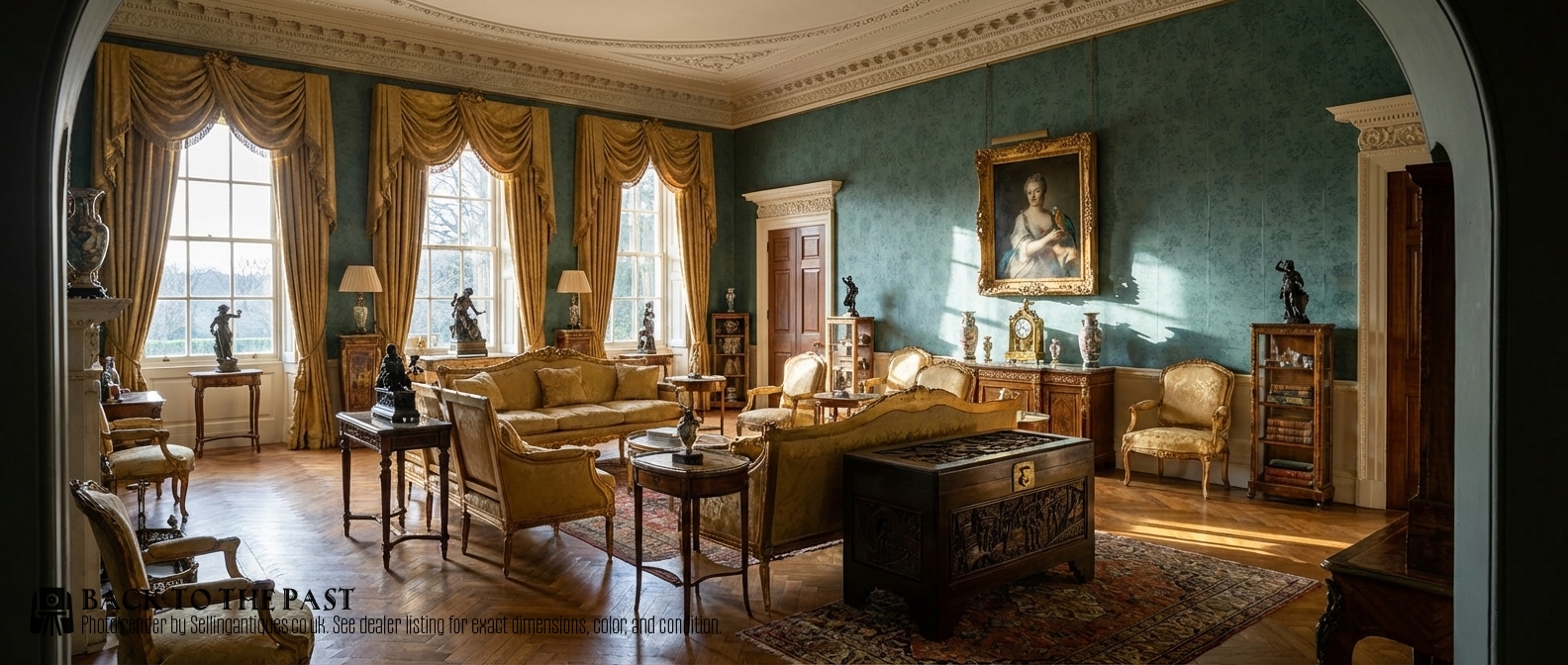
Oriental Camphor Box
An oriental camphor box provides sturdy storage in the form of chests, trunks and blanket boxes constructed for travel and domestic use. Buyers encounter pieces spanning the nineteenth century through the Art Deco era, reflecting varied production dates.
The aesthetic bridges traditional Chinese craftsmanship and colonial trade influence, encompassing carved panels, plain surfaces and leather-covered variants. These storage trunks serve as functional furniture, often doubling as coffee tables in modern interiors.
Materials and construction methods
Makers utilised camphor wood and camphorwood for its aromatic properties and resilience, frequently pairing the timber with brass hardware, brass bindings and leather. Some examples feature painted pigment details or limed oak structures.
Construction relies on durable joinery designed for transport, with many pieces displaying hand-carved relief work across the lid and sides. Original brass corners and handles reinforce the structural edges.
Listings span the nineteenth century through the 1930s, featuring camphor wood, oak, brass, leather and painted pigment.
Distinctions in craftsmanship and finish
Quality rests upon the depth and crispness of the carving, where sharply defined floral or figural motifs distinguish finer chests from simpler surfaces. The weight and finish of the brass hardware also indicate the original grade of manufacture.
The choice of secondary materials, such as integrated leather coverings or structural oak framing seen in Art Deco pieces, alters the character of the box. Preservation of the natural camphor scent and original fixings marks the higher end of the surviving selection.
The Oriental Camphor Box Glossary
- Camphor wood
- A fragrant timber native to Asia utilised for making storage chests due to its insect-repellent properties. The distinctive scent endures across decades.
- Campaign trunk
- A utilitarian chest fitted with brass hardware designed for portability during military or colonial travel. These boxes prioritise robust construction.
- China Trade
- Goods manufactured in China specifically for export to Western markets during the nineteenth and early twentieth centuries. These items blend Eastern materials with Western tastes.
- Coffer
- A large box or chest traditionally used for storing valuables or textiles. They often feature hinged lids and sturdy proportions.
Oriental Camphor Box: Frequently Asked Questions
What are oriental camphor boxes used for?
These pieces serve primarily as storage trunks, blanket boxes and coffers for household textiles and possessions. Their sturdy lids also allow them to function as coffee tables in living spaces.
Buyers utilise them to introduce period character while maintaining practical storage capacity in bedrooms and reception rooms.
How do I care for camphor wood furniture?
Maintain the timber by dusting with a dry cloth and avoiding excessive moisture or direct sunlight that might dry the wood. Preserving the natural finish protects both the carved details and the brass hardware.
Keep the interior clean without harsh chemical polishes to retain the characteristic aroma of the camphor wood.
How can I date an antique camphor box?
Dating relies on examining the style of the brass hardware, the construction methods and any decorative influences such as Art Deco limed oak framing or nineteenth-century trade painting. Nineteenth-century examples often display traditional hand carving.
Later pieces from the early decades of the twentieth century incorporate simpler lines or different material combinations like leather.
Are all camphor boxes carved?
Not all examples feature carved decoration, as some utilise plain timber surfaces, leather coverings or brass bindings. Plain chests often date to trade or campaign contexts where utility was paramount.
Carved versions showcase elaborate floral or traditional scenes across the lid and panels, varying from simple borders to high-relief work.