


Brass Latch Trunk
A brass latch trunk brings tactile history into a room, offering robust storage shaped by centuries of travel and maritime heritage.
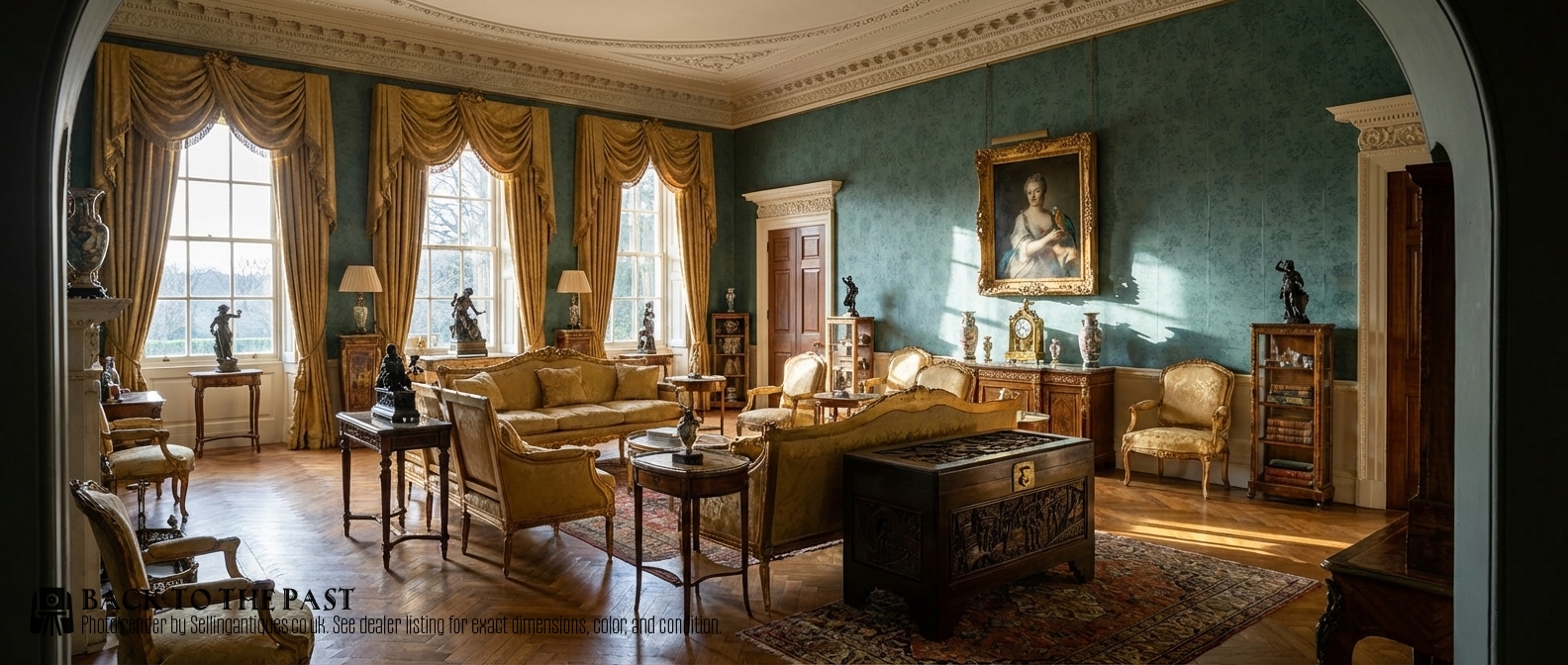
Brass Latch Trunk
A brass latch trunk encompasses sturdy storage chests and travel luggage, frequently manifesting as a brass latch trunk through durable construction and secure metal fastenings. These pieces serve practical household storage needs while carrying the physical narrative of early twentieth-century and nineteenth-century journeys.
The versions most frequently encountered on this page originate from Chinese export workshops or European maritime contexts. They combine functional utility with distinct regional aesthetics, spanning eras from the Victorian period through the Art Deco epoch.
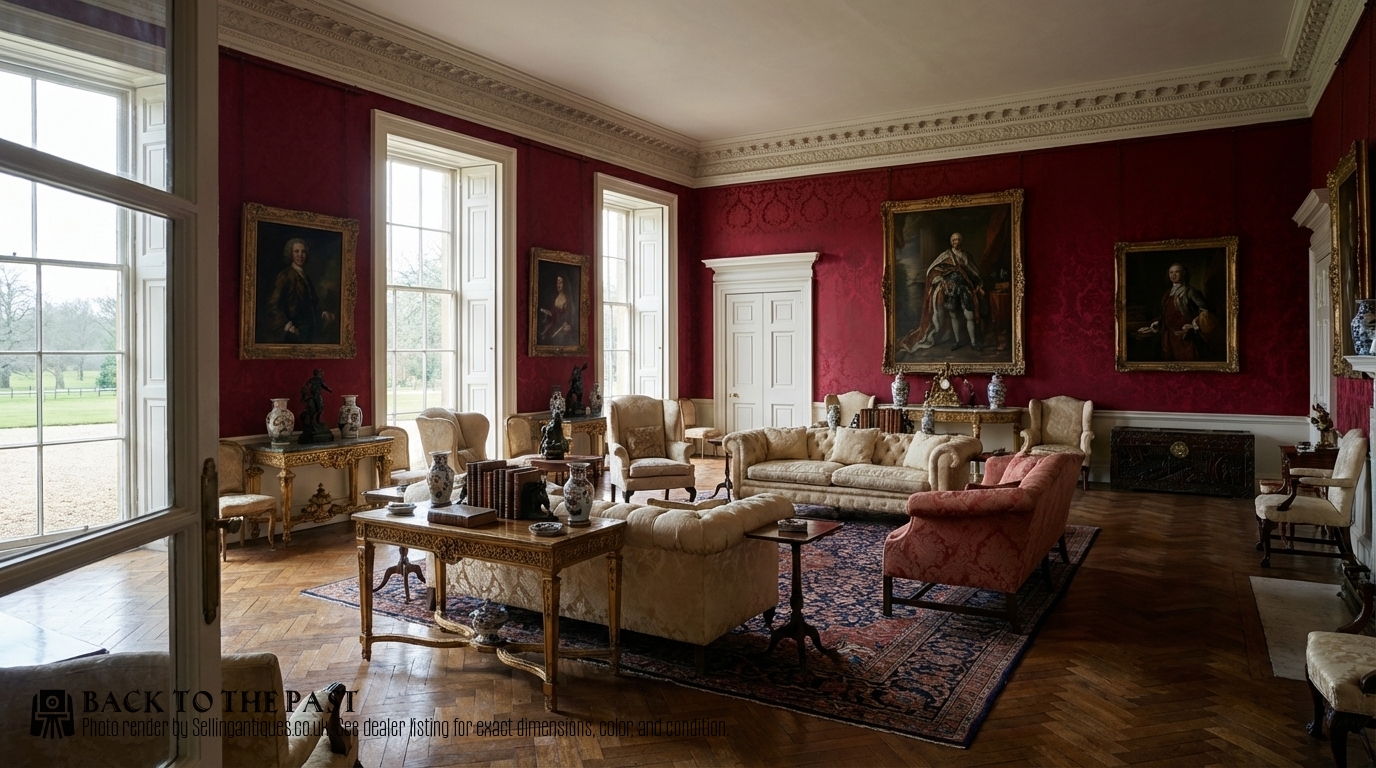
Materials and construction
Carved oriental chests display intricate hand-chiselled surface decoration directly into the timber, while travel luggage employs riveted metal straps and reinforced edges to withstand the rigours of transit by steamship and rail.
Listings span from the nineteenth century through the 1930s, featuring materials like camphor wood, leather, canvas, and brass.
Judging quality and craftsmanship
The distinction between standard utility luggage and finer decorative chests lies in the depth and precision of the carved woodwork and the weight of the metal hardware. Superior pieces display crisply detailed relief carving on solid timber panels rather than shallow surface scoring.
Hardware integrity also dictates standing, with original fitted brass latches, working locks, and intact leather carrying handles commanding greater appreciation than replacement components or heavily altered surfaces.
The Brass Latch Trunk Glossary
- Camphor wood
- A durable, aromatic timber native to Asia, prized for crafting storage boxes because its natural scent deters insects from stored textiles.
- Steamer trunk
- A lower-profile travel chest designed to fit beneath a ship cabin berth during transatlantic voyages in the nineteenth and twentieth centuries.
- Chinese export
- Goods manufactured in China specifically for Western markets, often blending traditional domestic forms with motifs appealing to European buyers.
- Limed oak
- Timber treated with a white-pigmented finish that highlights the open grain, a technique favoured during the Art Deco period.
Brass Latch Trunk: Frequently Asked Questions
How do I use a trunk at home?
These pieces function ideally as coffee tables in living spaces or as blanket storage at the foot of a bed, combining practical containment with strong visual presence.
Their robust construction allows them to support decorative objects on top while keeping seasonal textiles or keepsakes securely enclosed inside.
Were these chests used for travel?
Many examples on this page, including steamer trunks and luggage pieces, were built specifically for international transit by ocean liner and railway.
Others, such as carved camphor wood boxes, originated as domestic storage containers or export goods before making their way to Western homes.
How do I care for camphor wood?
Camphor wood benefits from minimal intervention, requiring only occasional dusting with a dry cloth to preserve its natural grain and finish.
Avoid placing these chests in direct sunlight or beside intense heat sources to prevent the timber from drying out or splitting.
How are different periods identified?
Dating relies on observing construction methods, materials, and stylistic markers such as Art Deco limed oak finishes or Victorian maritime brass hardware.
Earlier nineteenth-century pieces often feature heavier iron and brass fittings, while early twentieth-century examples embrace streamlined steamer luggage designs.