
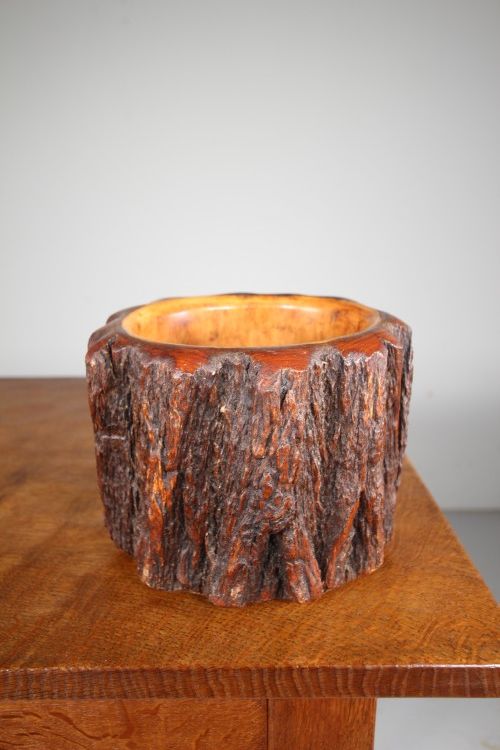


Carved Timber Trunk
A carved timber trunk offers sturdy storage, bringing centuries of regional craftsmanship and robust wood into a room.
Carved Timber Trunk
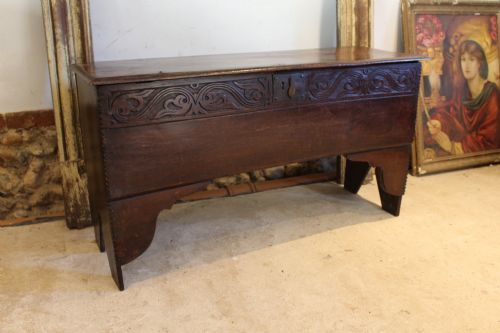
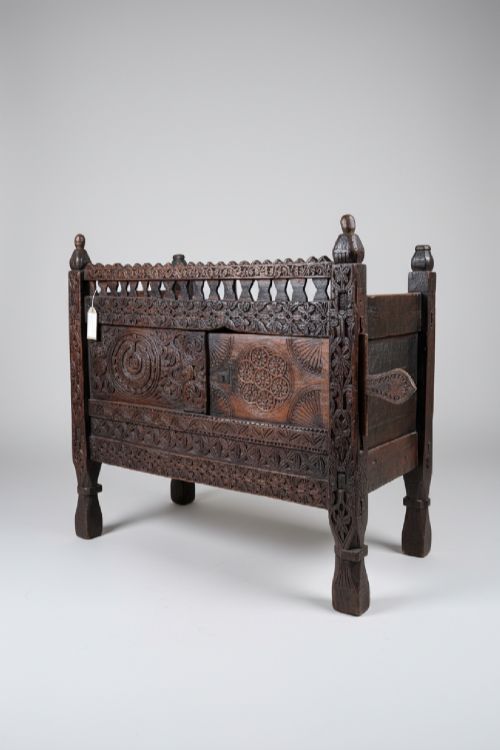
When you search for a carved timber trunk, you encounter a diverse array of storage pieces ranging from 17th-century European coffers to 19th-century colonial blanket chests. These objects share a primary function for domestic storage, spanning forms such as dowry chests, six plank coffers, and camphor wood storage boxes.
The selection includes rustic dug out items alongside formal joined furniture. You will find pieces originating from British, French, Spanish, Italian, Scandinavian, Indian, and Chinese traditions, reflecting local materials and carving styles of their respective periods.
How they were made
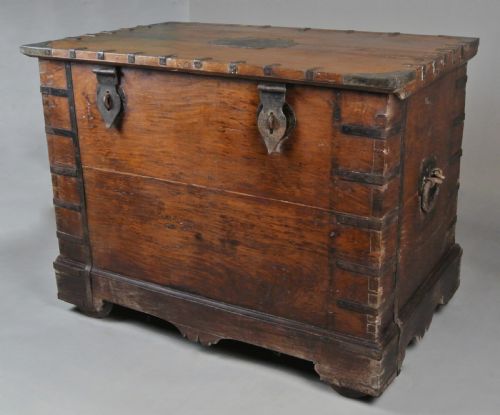
Constructed from solid timbers such as oak, teak, camphor wood, elm, and cedarwood, these pieces often utilise traditional joining methods like framing or heavy planking. Iron and brass hardware, including straps, hinges, and bindings, provide structural reinforcement to heavy hardwood bodies.
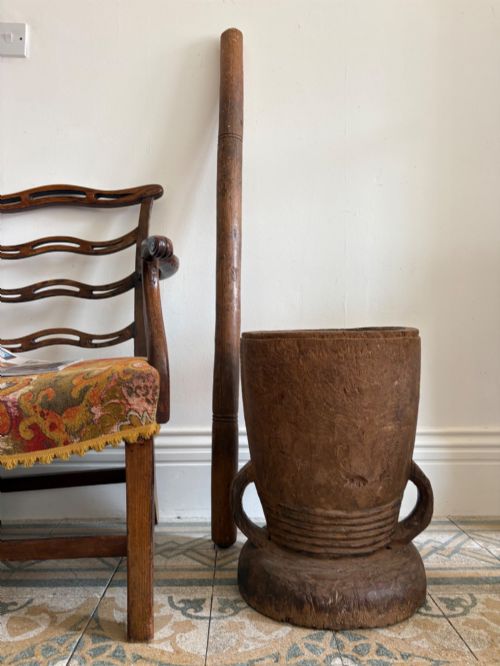
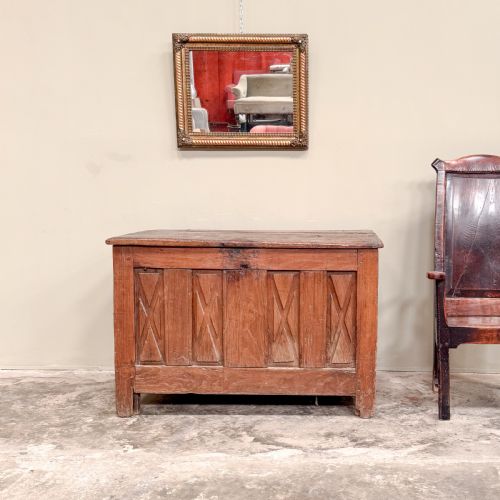
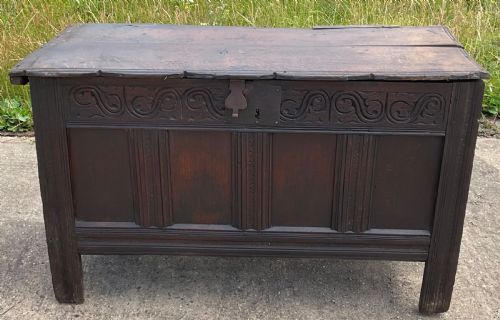
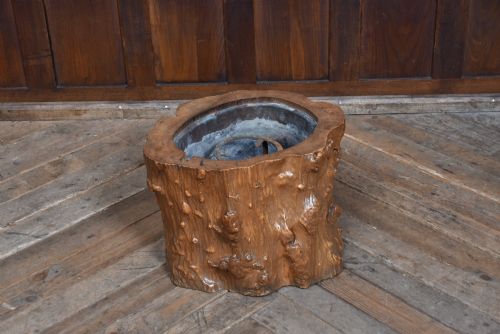
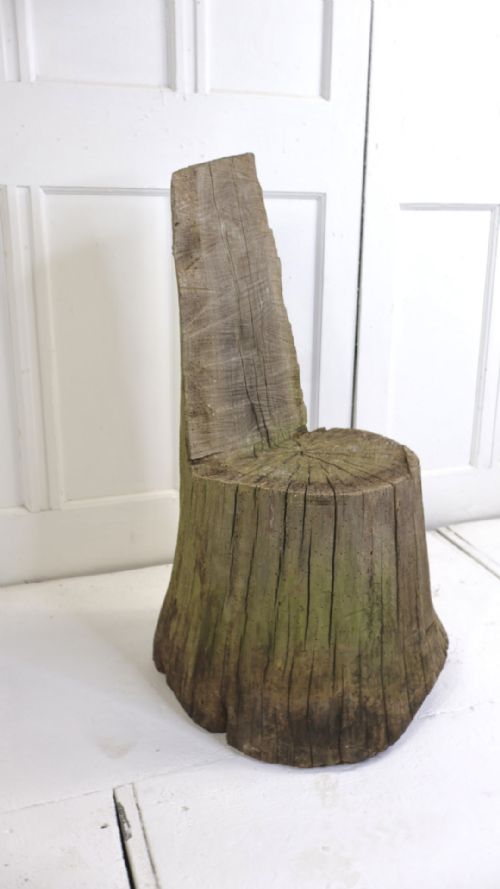
Surface decoration relies on direct carving into the wood, sometimes supplemented by paint, ripple moulding, or metal bound additions. Dug out examples demonstrate the shaping of whole tree trunks and sections of timber into troughs, chairs, and planters.
Among the seating options, you might just find yourself resting upon a sculptural tree seat or a dug out sycamore planter.
What varies in quality
The distinction in quality rests on the integrity of the timber, the depth and precision of the carving, and the preservation of original structural elements. Finer examples display harmonious proportions and robust joins that withstand centuries of use.
Regional provenance and the sophistication of the joinery or carving elevate specific pieces, separating standard utilitarian storage from exceptional examples of period craftsmanship.
The Carved Timber Trunk Glossary
- Coffer
- A heavy wooden chest traditionally used for storing valuables or documents. These often feature hinged lids and sturdy plank construction.
- Dowry chest
- A storage box prepared for a bride, often richly carved or decorated to mark a marriage. These originate from various global traditions including Indian and European cultures.
- Six plank coffer
- An early form of chest constructed from just six principal boards pinned or joined at the corners. This minimalist method represents traditional joinery techniques.
- Camphor wood
- An aromatic timber frequently utilised for storage trunks due to its insect-repellent properties. It yields a distinct scent and takes fine relief carving.
Carved Timber Trunk: Frequently Asked Questions
What is a carved timber trunk used for?
These trunks served historically to hold household linens, garments, valuables, and dowry items in domestic settings.
Today, they function primarily as living room or bedroom storage furniture that doubles as a surface or focal point.
How do I date a timber chest?
Dating relies on identifying construction methods, tool marks, timber species, and stylistic carving motifs specific to periods like the 17th century or the Georgian era.
Changes in hinge types, lock mechanisms, and assembly also help establish the approximate age of a piece.
Are these trunks suitable for daily use?
Their solid hardwood construction and durable iron or brass bindings make them robust enough for regular handling and storage.
Care should be taken to place them away from direct heat sources to protect the historic timber.
What woods are common in these chests?
European pieces frequently utilise oak, elm, sycamore, and cedarwood, reflecting local woodland resources.
Asian and colonial pieces often employ teak, camphor wood, and various dense hardwoods suited to tropical climates.