


Asian Carved Chest
An asian carved chest brings aromatic timber, deep relief carving and centuries of craftsmanship straight into a modern interior.
Asian Carved Chest
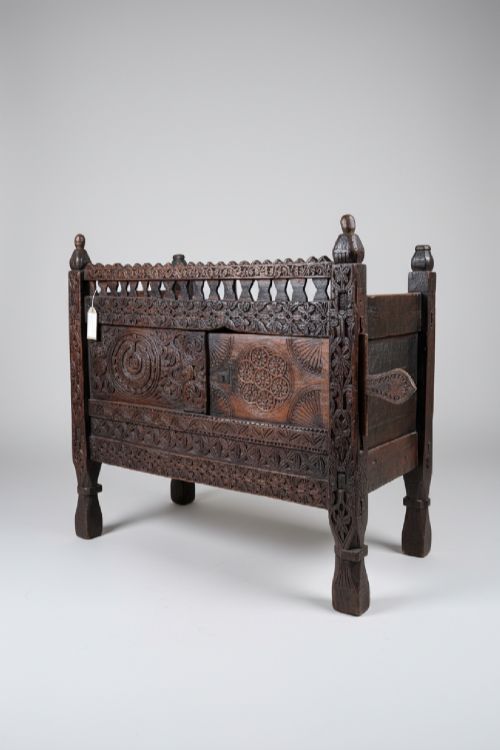
When you search for an asian carved chest, you encounter a diverse group of storage forms spanning camphor wood trunks, dowry chests and decorative boxes. These pieces emerge from traditions across China, Japan, India and the Swat Valley, reflecting centuries of woodworking skill.
The most common examples on this page are camphor wood trunks and blanket boxes dating from the nineteenth and early twentieth centuries. These pieces often display dense hand-carved motifs and substantial brass hardware designed for practical storage and travel.
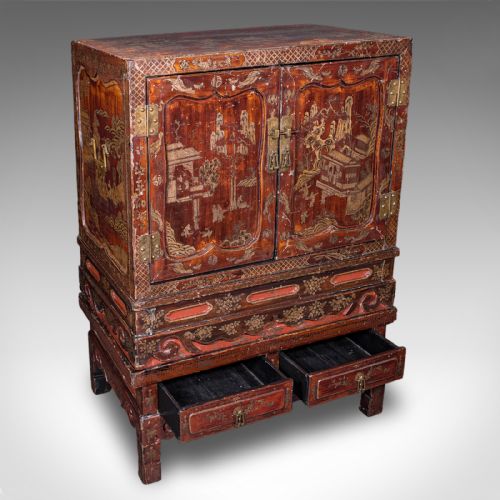
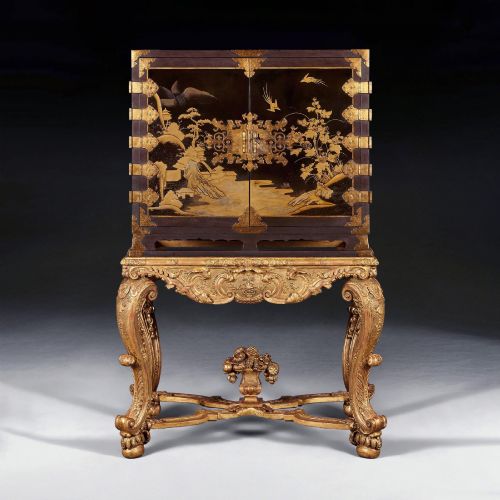
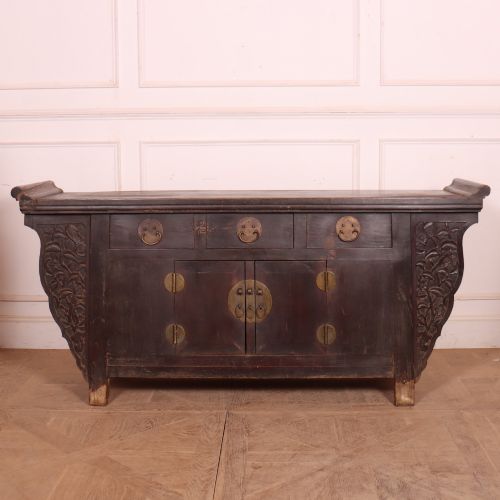
Beyond standard blanket boxes, the selection includes elaborate cabinets on stands, sideboards and wedding boxes utilising elm, hardwood and lacquer. Each form serves a distinct domestic purpose, from storing linens to housing precious documents.
How they were made
Carpenters utilised native timbers such as aromatic camphor wood, resilient elm and dense hardwoods to build sturdy carcases that withstand humidity and time. Camphor wood remains particularly valued for its natural insect-repelling properties and fine grain.
Surface decoration relies heavily on hand carving in deep relief, alongside applications of red or black lacquer, gold leaf, and mother of pearl inlay. Brass fittings and bindings provide structural reinforcement while adding metallic contrast to the timber and lacquer surfaces.
Listings feature pieces spanning from the seventeenth century through to the 1930s, incorporating elm, camphor wood and black lacquer.
What varies in quality
Quality rests upon the crispness of the hand carving and the integrity of the timber joints rather than mere age. Pieces featuring deeply undercut relief work and well-preserved lacquer or inlay demonstrate superior artisan skill.
The retention of original brass hardware, stands and interior fittings elevates a piece significantly. Finer examples maintain their structural stability and aromatic qualities without excessive replacement of parts.
The Asian Carved Chest Glossary
- Camphor wood
- An aromatic timber frequently utilised for storage chests due to its pleasant scent and natural ability to deter moths. It takes fine carving exceptionally well.
- Chinoiserie
- European interpretation and imitation of Chinese and East Asian artistic traditions, often expressed through lacquered surfaces and gilt decoration.
- Dowry chest
- A traditional storage piece created for a bride to hold household linen and personal belongings as she moved to her marital home. These often feature auspicious carvings.
- Hibachi
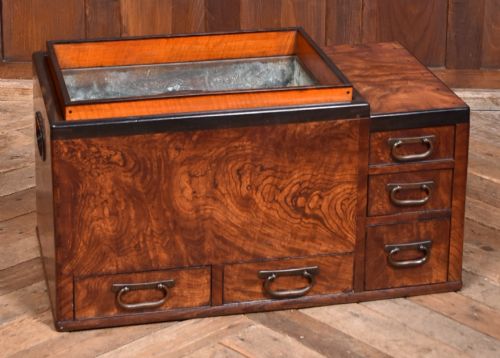
- A traditional Japanese heating device or brazier, frequently constructed as a small wooden box lined with copper or ceramic. They serve as decorative containers today.
- Lacquer
- A durable resin applied in multiple layers to wood and polished to a hard, smooth finish. It is often coloured in rich reds or blacks and sometimes decorated with gold leaf.
Asian Carved Chest: Frequently Asked Questions
What were camphor wood chests used for originally?
Camphor wood chests served primarily to store garments, blankets and valuable textiles. Their natural aroma kept insects away from stored woollens and silks during transport or humid seasons.
Travellers and merchants also utilised these sturdy trunks for shipping personal belongings across maritime routes. The dense wood and brass hardware offered protection against moisture and rough handling.
How do I care for an antique lacquered cabinet?
Protect lacquered surfaces by keeping them away from direct sunlight and maintaining stable room humidity. Dust gently with a soft, dry cloth without applying modern chemical polishes.
Avoid placing damp items directly onto the wood or lacquer. Gentle handling preserves the delicate gold leaf and inlaid details found on many traditional cabinets.
How can I tell a dowry chest from a standard trunk?
Dowry chests often feature specific symbolic carvings representing longevity, prosperity or marital harmony intended to bless the new household. Their construction is typically substantial, reflecting their importance as family assets.
Standard storage trunks may focus purely on utility with simpler geometric patterns or plain camphor wood panels. Both share robust construction methods designed to endure for generations.
Are these chests suitable for modern living rooms?
These chests function brilliantly as coffee tables, end tables or blanket storage at the foot of a bed. Their rich wood tones and intricate carvings add texture and warmth to contemporary spaces.
The natural fragrance of camphor wood pieces also provides a pleasant sensory element when opened. Their sturdy flat tops easily support everyday living room objects.