

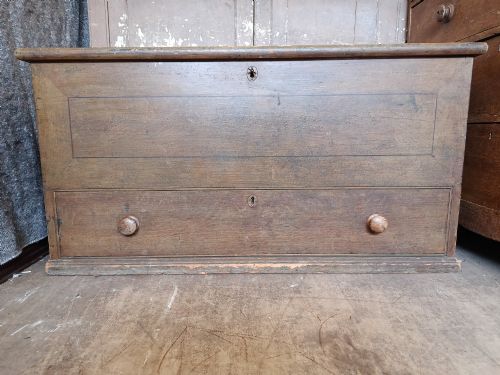
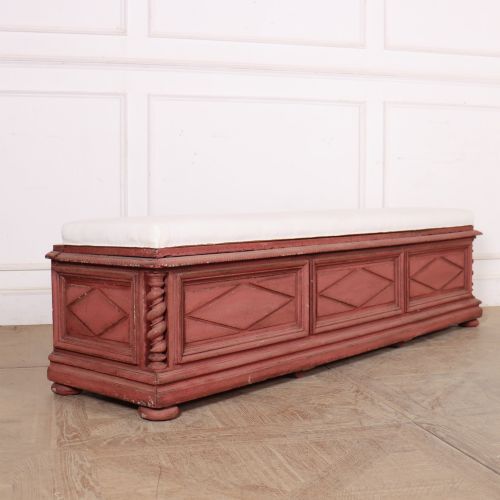
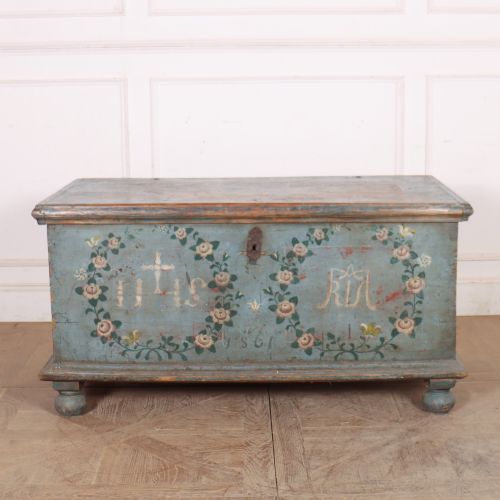
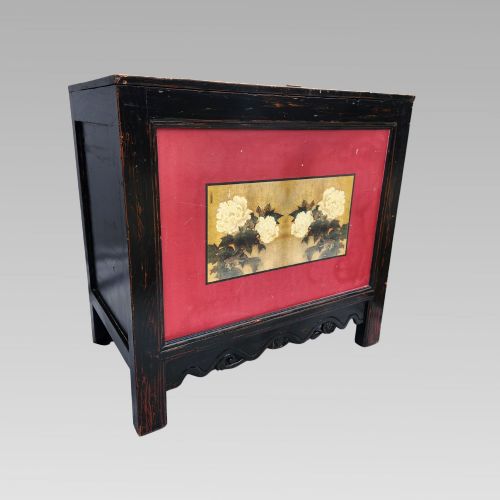


Painted Blanket Box
A painted blanket box provides robust storage with decorative character, ranging from country pine to folk art finishes.
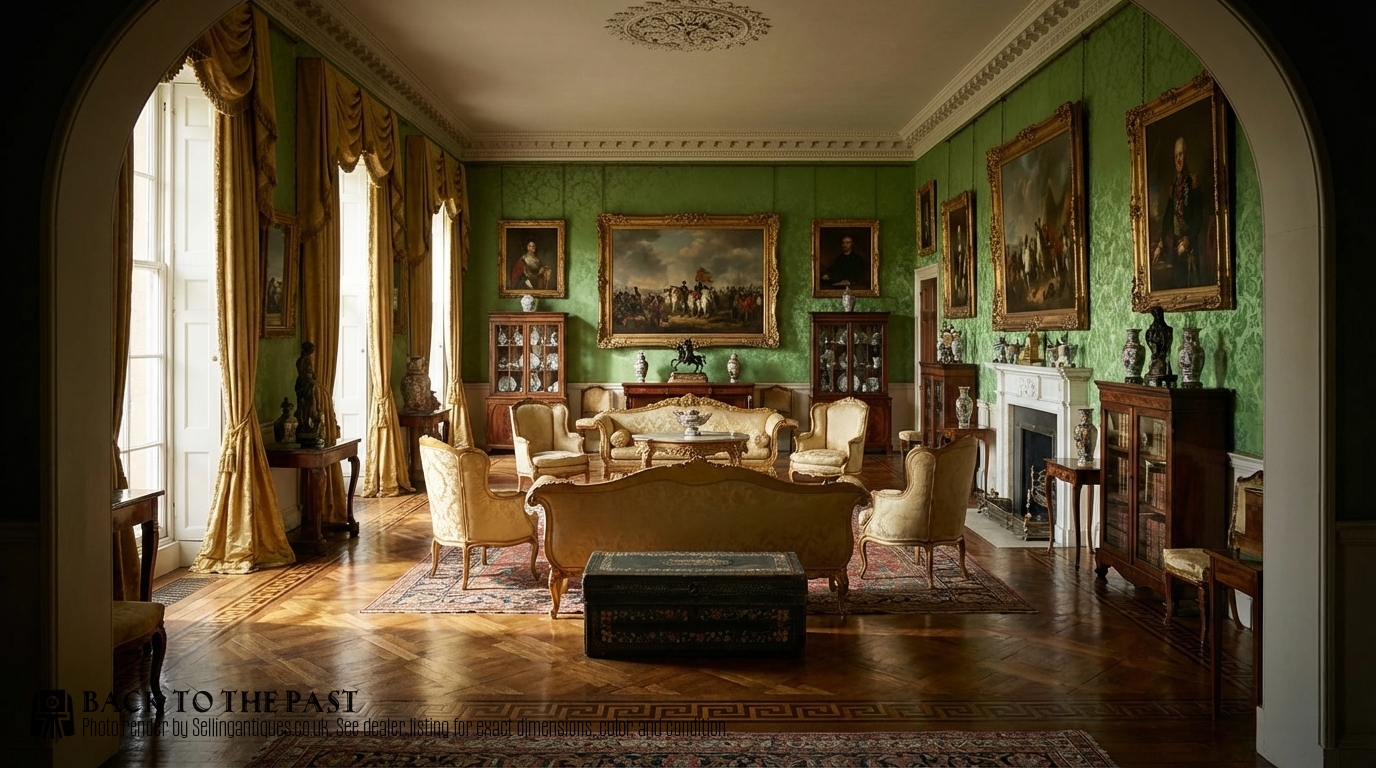
What a painted blanket box is
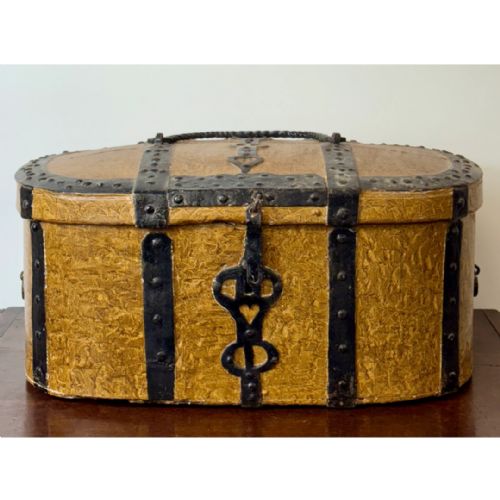
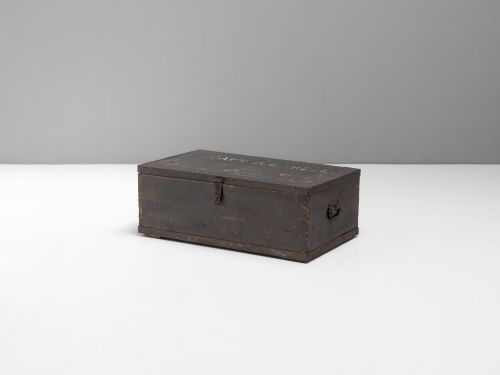
A painted blanket box offers traditional storage for textiles, household linen and personal belongings, serving as a functional furniture piece in domestic interiors. When exploring a painted blanket box, buyers encounter various forms including plain storage chests, domed coffers and trunks fitted with internal candle boxes or lower drawers.
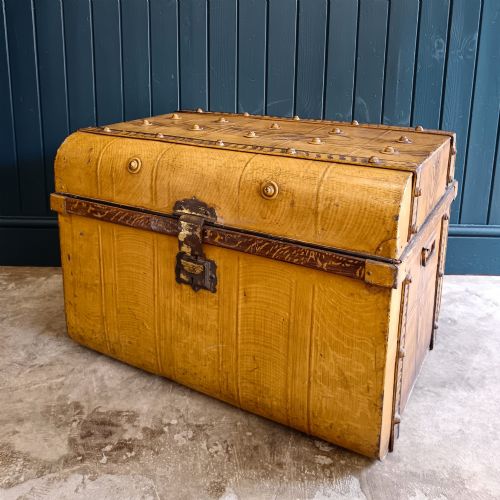
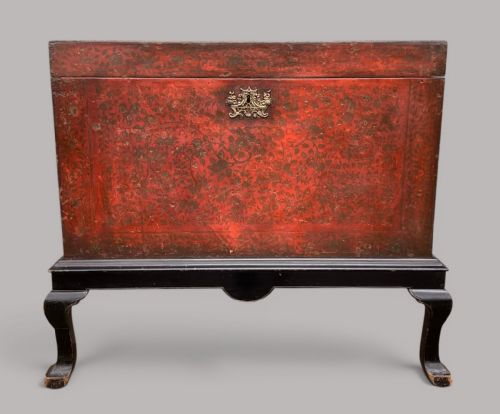
The pieces available span multiple periods from the eighteenth century through to the nineteenth century, encompassing Georgian, Victorian and twentieth century examples. Regional variations emerge clearly, ranging from British pine and scumbled examples to Italian neoclassical benches, Hungarian boxes, Scandinavian oak coffer forms and Chinese export leather trunks.
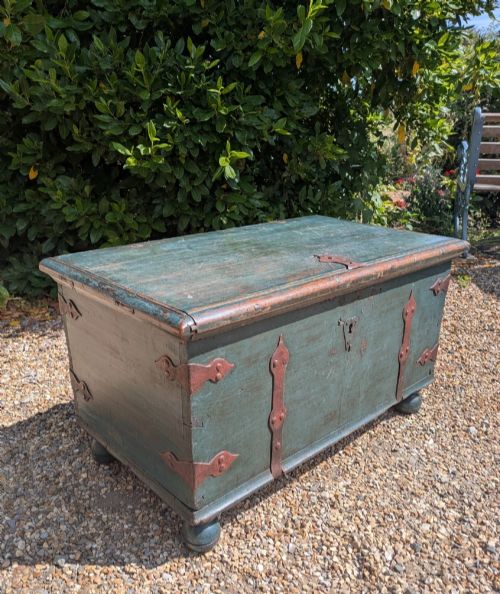
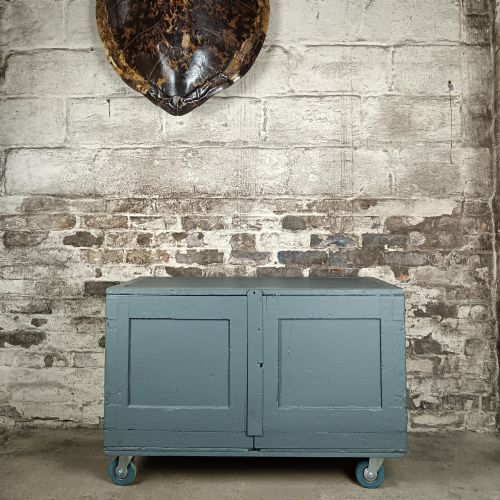
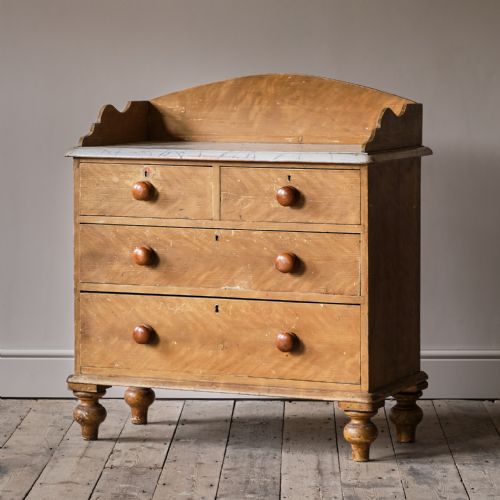
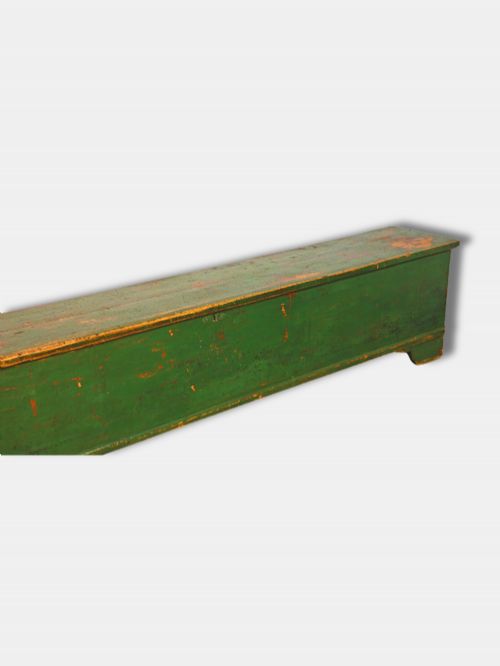
Stylistic expressions vary from simple utilitarian country pieces to elaborate folk art, arts and crafts interpretations and European folk traditions. Buyers frequently find sturdy pine construction finished with original paint, scumbled decoration or folk art motifs designed to catch the eye.
How they were made
Makers constructed these storage pieces primarily using solid wood, with pine serving as the dominant material alongside oak and general timber. Carpenters and cabinet makers joined panels securely to withstand heavy domestic use, frequently incorporating wrought iron or brass hinges, handles and locks for reinforcement.
Surfaces received decorative treatments involving paint, applied either as a solid ground colour, a scumbled finish mimicking finer wood grains, or elaborate hand-painted folk art scenes and motifs. Internal fittings such as small candle boxes or lower storage drawers required careful joinery within the main chest cavity.
Retail Price Guide 2026
Typical UK retail prices for painted blanket box, calculated from the Sellingantiques database of over a million retail prices indexed since 2003. This retail price guide relies exclusively on Sellingantiques data; no external sources or auction records are used, so the figures do not describe the wider market.
Listings feature pine, oak, leather, brass and iron alongside painted wood and upholstery.
What varies in quality
The distinction between standard utility items and finer examples rests largely on the survival and integrity of the original surface decoration. Pieces retaining authentic, untouched early paintwork command greater interest than those subjected to modern repainting or heavy stripping.
Structural robustness and the retention of original hardware, including hinges, locks and carrying handles, elevate the standing of a piece. Finer proportions, sophisticated regional paint styles and thoughtful internal arrangements such as integrated till boxes further separate ordinary storage chests from superior examples.
The Painted Blanket Box Glossary
- Scumbled finish
- A paint technique where a translucent top layer is manipulated over a lighter base colour to simulate the appearance of grained wood or create textured depth.
- Coffer
- A heavy, strong chest traditionally used for storing valuables, textiles or documents securely in domestic or ecclesiastical settings.
- Candle box
- A small, lidded compartment fixed internally within a larger chest or blanket box, originally intended to keep candles safe from pests.
- Folk art
- Artistic work created within a traditional culture by self-taught or local artisans, often featuring bold patterns, naive painting and regional character.
- China trade
- Commerce conducted between European nations and China during the eighteenth and nineteenth centuries, producing export items such as painted leather trunks.
Frequently Asked Questions
What fits inside a blanket box?
These chests accommodate bulky textiles, spare bedding, winter garments and household linens. Their deep interiors provide generous capacity for items requiring concealed storage.
Smaller internal compartments, such as candle boxes or lower drawers, hold smaller personal effects and accessories securely separate from the main cavity.
How do I care for original paint?
Maintain painted surfaces by keeping pieces away from direct sunlight and excessive humidity, which can cause timber movement and paint flaking. Dust gently with a dry, soft cloth rather than using harsh cleaning agents.
Avoid modern liquid polishes that might soften or damage historic paint layers and binders.
Are these chests safe for modern homes?
Sturdy construction and durable timber make these boxes reliable for everyday use in living spaces or bedrooms. They anchor easily against walls and provide stable surface tops for lamps or decorative objects.
Historic locking mechanisms may not function securely with modern keys, so buyers should check operational hardware if security is required.
How can I tell regional styles apart?
Regional characteristics reveal themselves through timber choice, construction joints and specific painting traditions. Scandinavian and Hungarian pieces often display distinct folk motifs, palette choices and dome-top forms.
British Victorian pine examples tend toward simpler rectangular proportions, frequently featuring scumbled finishes or straightforward utilitarian hardware.