




Domed Wooden Trunk
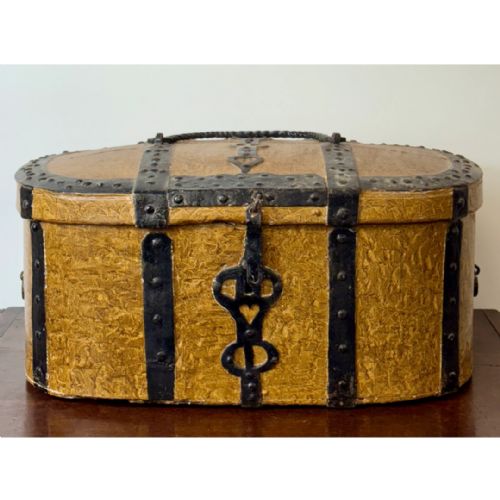
A domed wooden trunk offers robust storage wrapped in historical charm, spanning simple pine strong boxes to painted Scandinavian marriage chests.
Domed Wooden Trunk
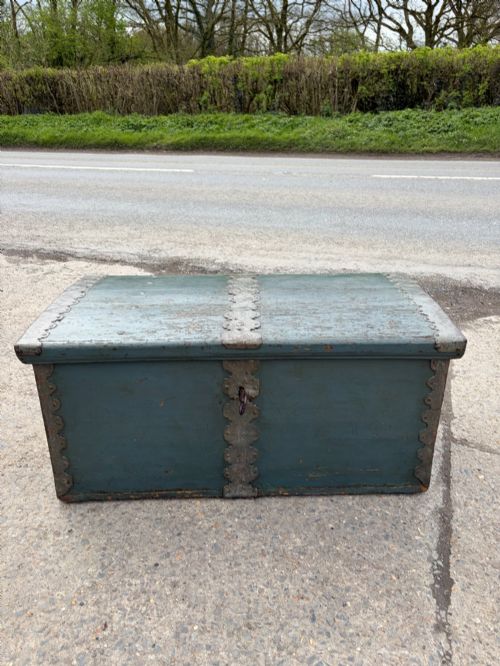
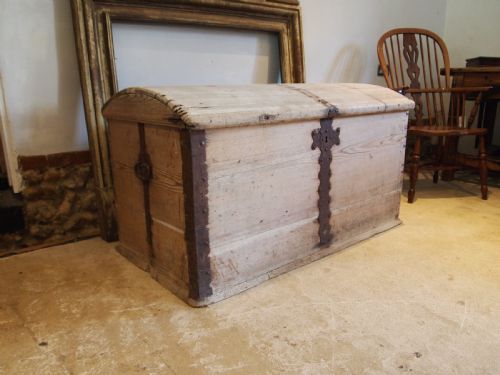
A domed wooden trunk serves as a substantial storage container distinguished by its curved, rounded lid designed to shed water and provide extra internal volume. Buyers searching for a domed wooden trunk will encounter numerous nineteenth-century pine examples originating from Sweden, alongside eighteenth-century oak and stylistic expressions ranging from folk art to baroque revival. These sturdy receptacles function equally well as statement coffee tables or deep blanket chests within modern interiors.
The prevailing form on this page is the Scandinavian painted pine box or coffer, often dated to the middle nineteenth century and decorated with traditional motifs. Alongside these northern European country pieces, listings include Chinese export lacquer coffers, English oak shipping chests, and smaller travel boxes. The arched lid remains the defining architectural feature across every regional variation, uniting sturdy utilitarian builds with decorative surface treatments.
How they were made
Construction relies on solid timbers such as pine, oak, walnut, and teak, joined to form heavy carcass boxes capable of enduring transit. Makers reinforced these wooden bodies using wrought iron bands, brass fixtures, and metal corner brackets to protect vulnerable edges from heavy handling during travel.
Surface decoration involved applied layers of paint, original pigment finishes, hand-painted folk motifs, lacquer, and decorative inlay work. The curved dome was typically formed using shaped internal ribs or bent wooden planks secured to the primary frame.
Materials span native European softwoods and hardwoods like pine and oak, alongside imported exotic timbers including teak.
What varies in quality
The distinction between ordinary utility items and exceptional pieces rests upon the survival of original surface finishes, such as untouched early paint or intricate hand-painted folk decoration. Trunks retaining their authentic patinated skin and untouched metal hardware command greater attention from collectors than stripped or heavily restored examples.
Structural integrity and regional craftsmanship also define worth, where sophisticated joinery, such as dovetailing or complex iron binding, elevates the piece beyond basic vernacular carpentry. The presence of documented regional characteristics, such as specific Scandinavian folk art motifs or intricate continental walnut inlay, separates standard storage boxes from masterworks.
The Domed Wooden Trunk Glossary
- Dome top
- A rounded, arched lid configuration designed to shed water and increase internal storage capacity. This profile is common on travel trunks and early blanket chests.
- Coffer
- A heavy, secure wooden chest traditionally used for storing valuables, documents, or precious textiles. These pieces often feature reinforced iron bands and robust locking mechanisms.
- Marriage chest
- A celebratory storage box commissioned or decorated for a wedding, frequently inscribed with dates or initials and painted with folk art motifs. These items were central to traditional European dowry customs.
- Strong box
- A compact, heavily reinforced utilitarian container designed for securing money and documents against theft or transit damage. They typically employ thick timber and extensive metal strapping.
- Chinoiserie
- European decorative style reflecting Chinese artistic influences, characterised by lacquered finishes and painted motifs. It appears on select imported export pieces.
Domed Wooden Trunk: Frequently Asked Questions
What is a domed wooden trunk?
A domed wooden trunk is a deep storage container featuring a curved lid designed to shed moisture and accommodate bulky items like blankets or clothing.
These pieces range from utilitarian pine travel boxes to highly decorated folk art marriage chests originating across Europe and beyond.
How were these trunks used historically?
Historically, these trunks served as secure vessels for transporting personal belongings during travel by carriage, ship, or train. At home, they doubled as heavy-duty furniture for storing household linens, valuable documents, and winter garments.
Their robust construction protected contents from dust, dampness, and pests over decades of active domestic or transit service.
How do I live with a dome top chest?
A dome top chest integrates smoothly into modern rooms by serving as a functional coffee table with hidden interior storage. Placing one at the foot of a bed provides a convenient surface for extra cushions while keeping spare blankets close at hand.
The natural wood grain or painted folk motifs add visual warmth and historical contrast to contemporary neutral interiors.
How can I tell different periods apart?
Earlier pieces from the eighteenth century often feature heavy oak construction, hand-forged wrought iron hardware, and austere joinery typical of baroque or early country styles. Nineteenth-century examples frequently showcase softer pine timbers, applied colourful paintwork, or utilitarian canvas and metal coverings suited for mass travel.
Examining the hinges, locks, and fastening nails provides further clues regarding the manufacturing era and regional traditions.