


18th Century Trunk
When seeking an 18th century trunk, you encounter sturdy timber receptacles built for travel, domestic storage, and security.

18th Century Trunk
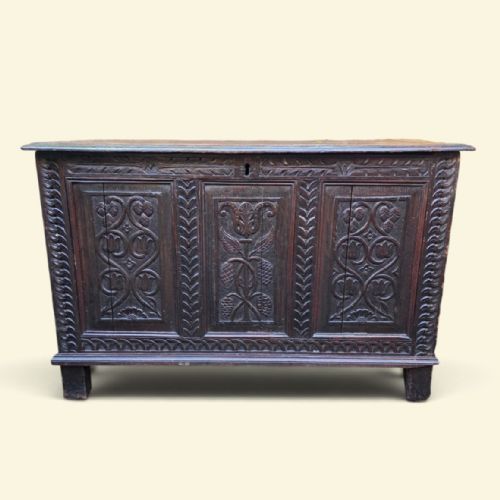
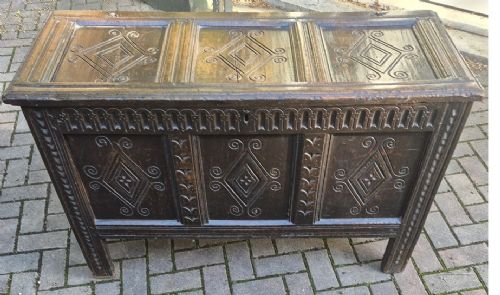
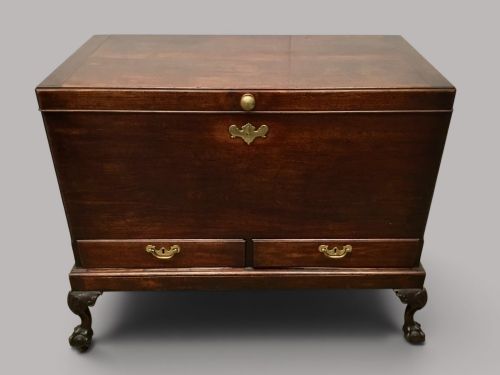
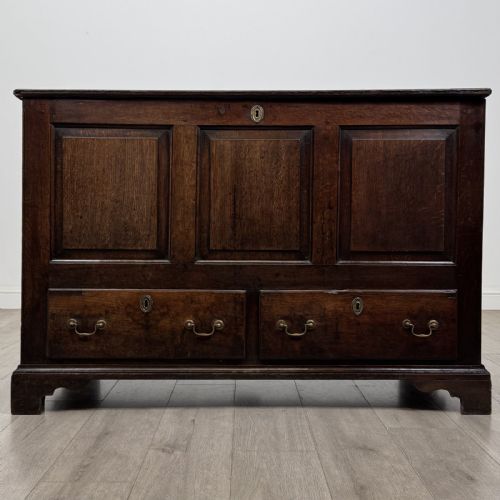
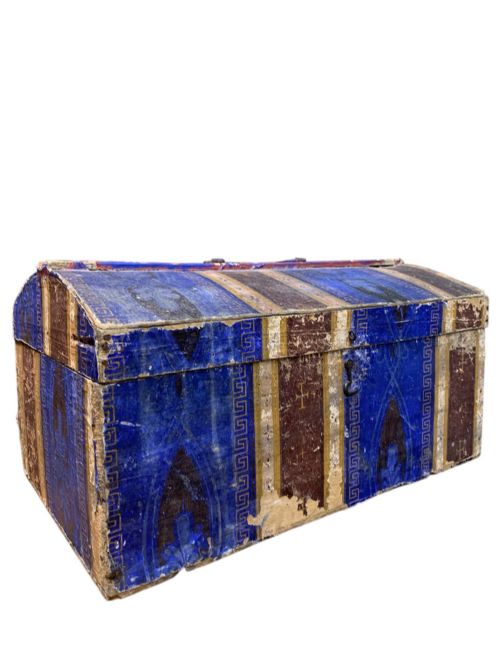
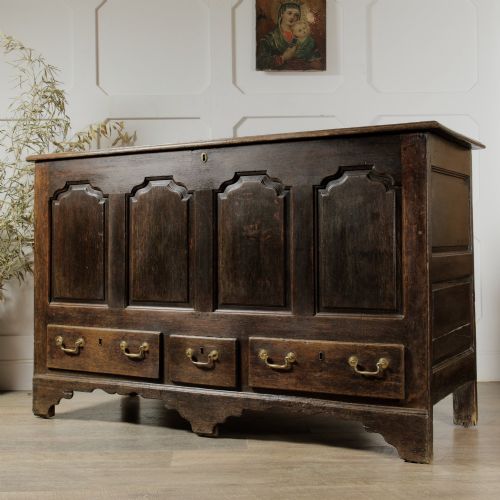
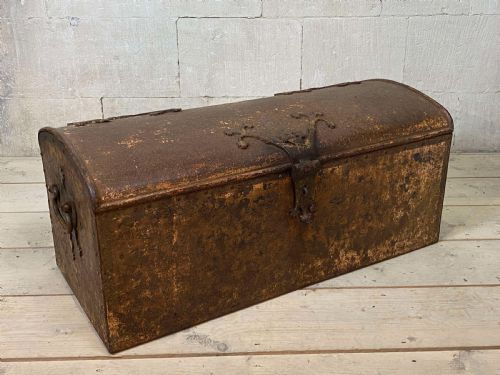
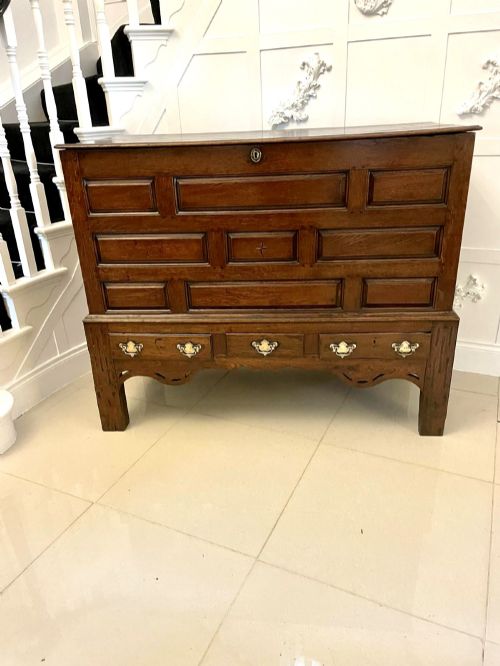
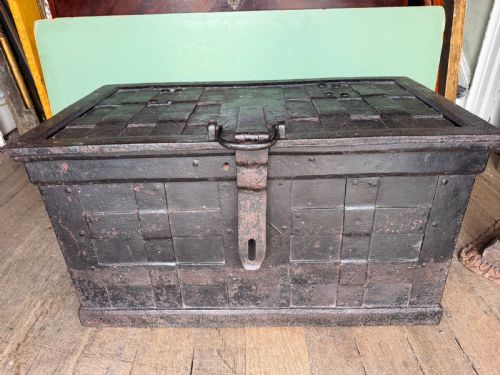
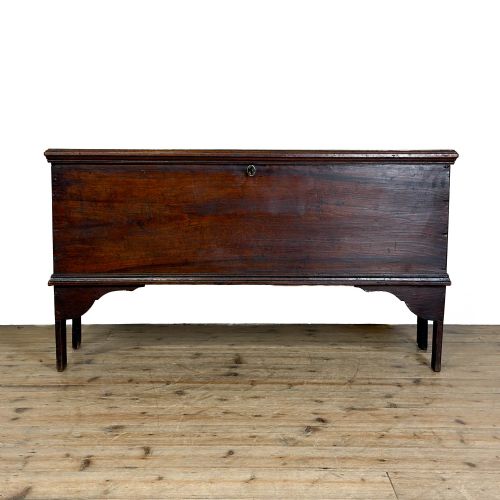
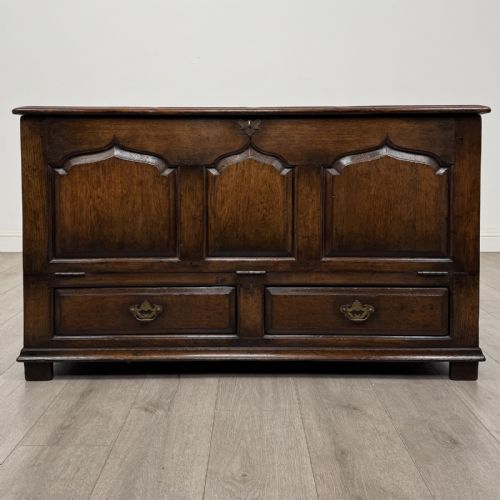
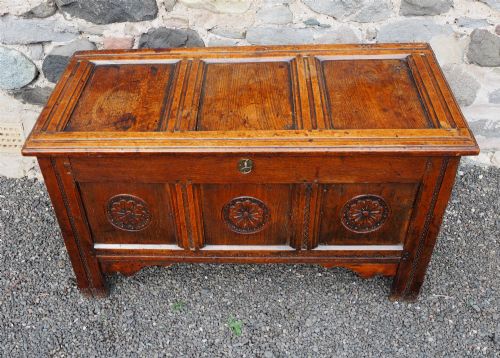
An 18th century trunk encompasses heavy storage forms including panelled coffers, mule chests with lower drawers, and domed travelling cases. These items served households for linen, garments, and valuables before modern fitted wardrobes existed.
Oak dominates the English and Welsh examples found here, often constructed with joined frames and pegged panels. European and colonial workshops introduced alternative hardwoods and specialised housing for transport.
Regional variations span from French provincial coffers and Scandinavian folk art pieces to Dutch colonial teak and padouk boxes. Mule chests featuring integrated base drawers represent a distinct domestic evolution.
How they were made
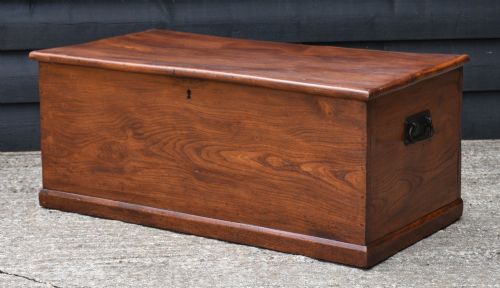
Joiners constructed primary frames using solid native timbers like oak, elm, and pine, secured with mortise and tenon joints and wooden pegs. Iron and brass hardware provided structural reinforcement and hinges.
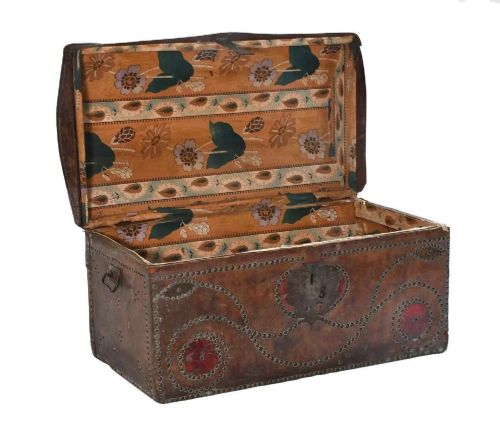
Travel variants utilised protective coverings such as leather, deer skin, or painted surfaces, augmented with stud work and iron bands for durability on coaches and ships.
18th Century Trunk Retail Price Guide 2026
Typical asking prices for 18th century trunk among the pieces listed under this phrase on Sellingantiques today, from the lower quarter to the upper quarter. They describe what is for sale here now, not the wider market.
Some trunks crossed oceans holding spices and silk before resting in quiet country houses.
What varies in quality
The sophistication of the joinery and carver's hand distinguishes standard domestic receptacles from finer provincial or colonial commissions. Integrated drawer construction and secondary timber choices reveal the original maker's intent.
Survival of original surface treatments, hardware, and linings separates well-preserved examples from heavily restored or altered pieces.
Jn° Smith·Richard Corless
The 18th Century Trunk Glossary
- Coffer
- A heavy wooden chest traditionally used for storing valuables or documents. These storage boxes often feature hinged lids and sturdy panel construction.
- Mule chest
- A storage chest fitted with one or more drawers at the base beneath the main compartment. This hybrid form emerged to offer easier access to smaller garments.
- Coffer bach
- A small Welsh chest or coffer, typically constructed in miniature proportions from oak. These domestic pieces were traditionally gifted on marriage.
- Padouk
- A heavy tropical hardwood valued for its rich reddish colour and density. It frequently appears in colonial trade furniture.
- Strap work
- Ornamental bands of metal or leather applied across the exterior of a trunk. They reinforce the structure while adding geometric decoration.
18th Century Trunk: Frequently Asked Questions
What is a mule chest?
A mule chest combines a traditional top-opening trunk with one or more drawers built into the base. This design allowed users to retrieve smaller items without disturbing the main compartment.
They appeared frequently in English and Welsh domestic interiors throughout the Georgian period.
How were early trunks used for travel?
Travelling trunks relied on timber frames wrapped in leather, painted canvas, or deer skin to protect contents from rain and dust. Iron bands and brass stud work reinforced the exterior for carriage or ship journeys.
Domed lids helped shed water during transit.
Where were coffer baches made?
Coffer baches originated in Wales as miniature versions of standard storage chests. Families commissioned them as wedding presents or presentation pieces.
Local joiners built them primarily from oak.
What timber did colonial makers use?
Colonial workshops utilised dense exotic hardwoods suited to trade routes and humid climates. Teak, padouk, and camphor wood appear frequently in pieces originating from Dutch East India and Anglo-Indian contexts.
These materials resisted splitting and insect damage.