

Antique Travel Chest
An antique travel chest carries the solid presence of a journey across continents, built from sturdy wood, brass, and leather for the rigours of transit.
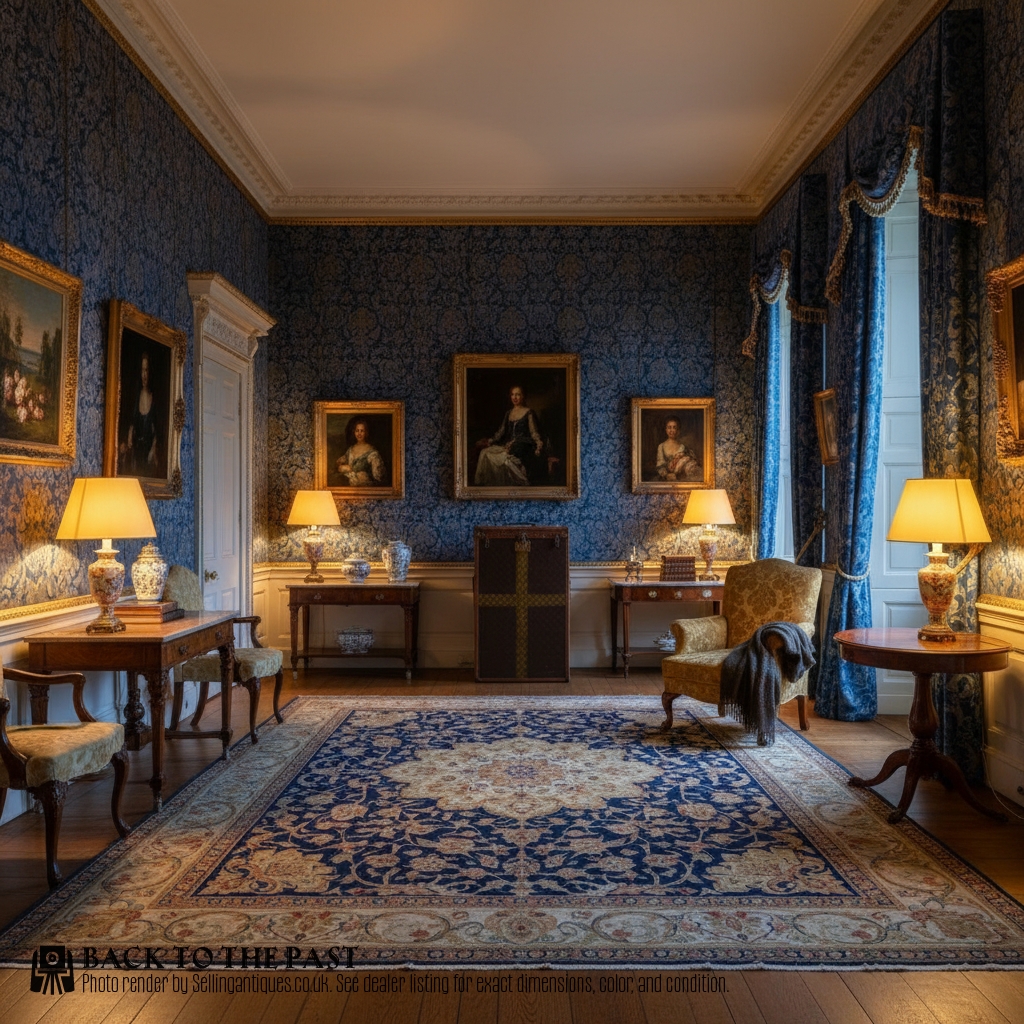
Antique Travel Chest
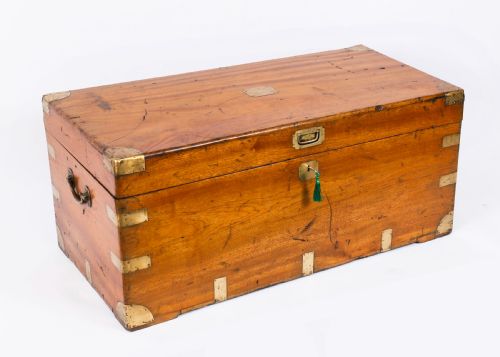
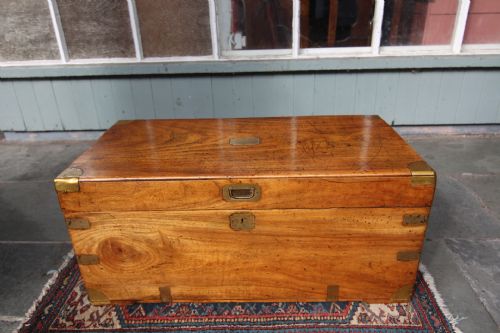
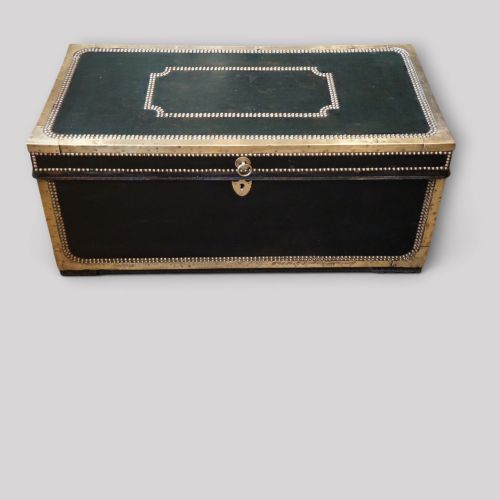
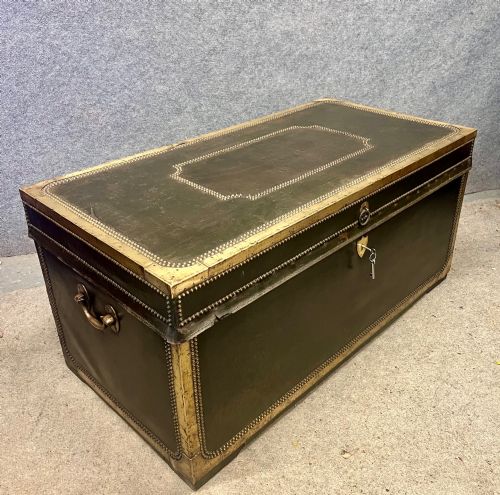
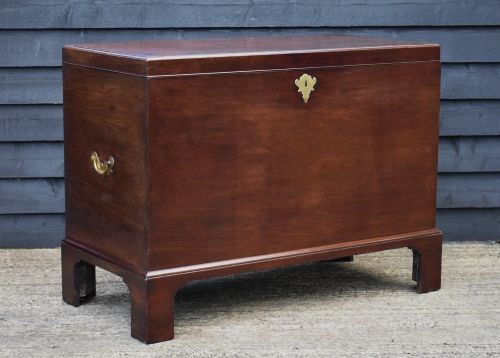
An antique travel chest serves as a robust container designed for the movement of personal possessions across land and sea. Examples span multiple centuries, ranging from early oak strong boxes and Georgian camphorwood chests to Victorian pine trunks and Edwardian steamer wardrobes.
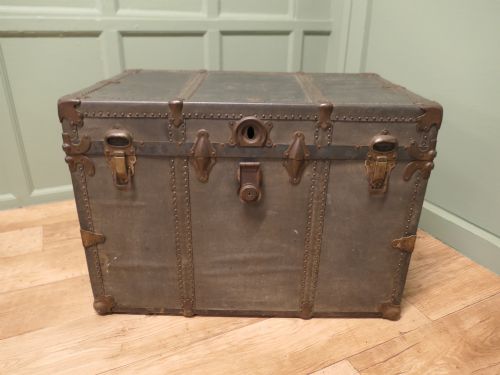
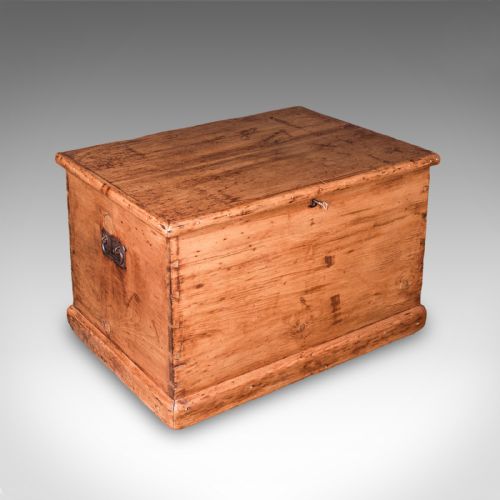
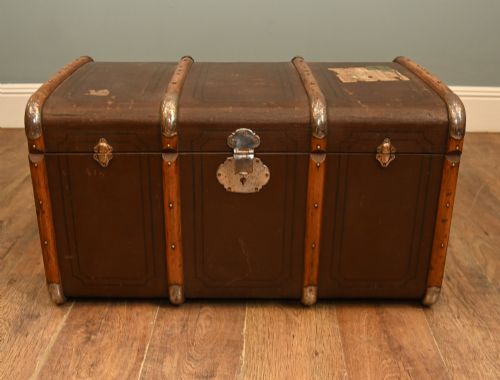
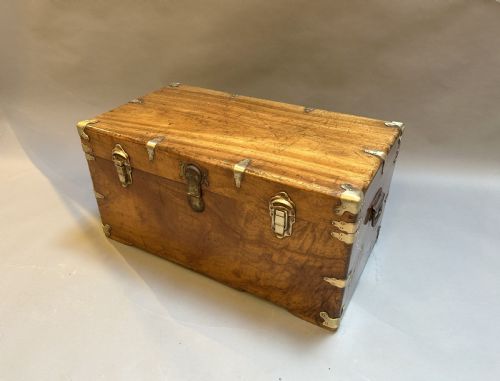
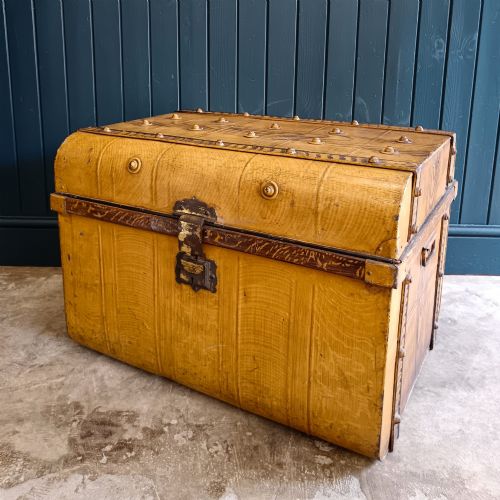
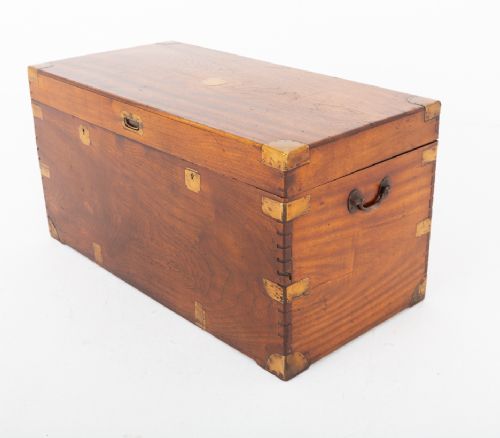
The pieces encountered most frequently on this page originate from the nineteenth and early twentieth centuries. These encompass military campaign chests in mahogany and teak, brass-bound leather trunks, and canvas-covered steamer trunks utilised for ocean voyages.
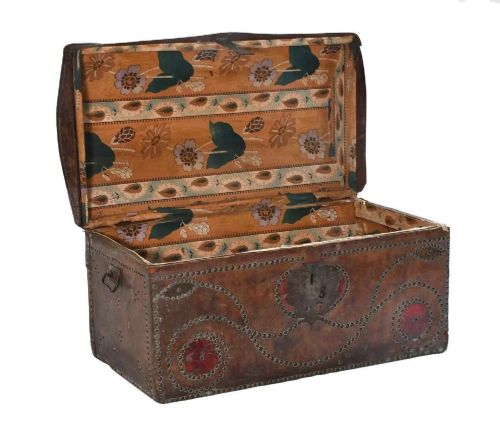
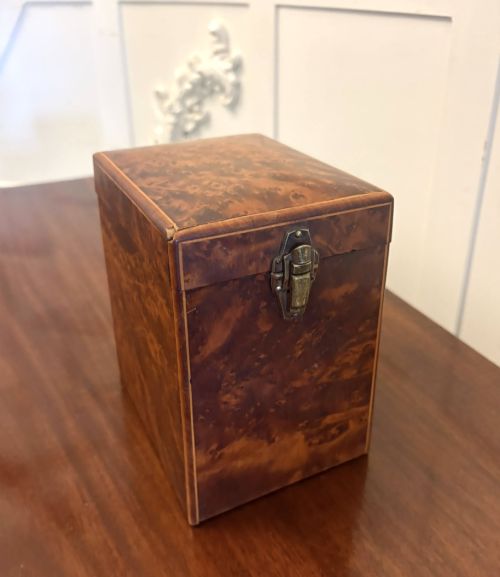
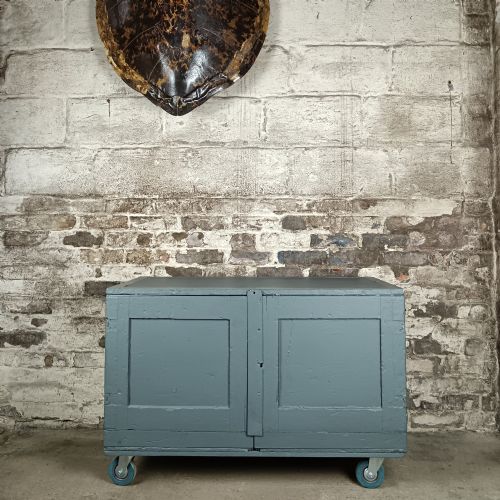
Makers and merchants addressed specific needs, producing specialised forms such as apothecary cases, hat boxes, and dome-top carriage chests. Buyers encounter both utilitarian pine transport cases and high-status China trade camphorwood boxes.
Materials and construction methods
Carpenters and cabinetmakers selected timber according to destination and purpose, employing durable hardwoods like mahogany, teak, and camphorwood alongside utilitarian softwoods such as pine. Camphorwood provided natural protection against insects during long sea voyages, while oak and mahogany suited domestic and military transport.
Protective hardware defined the construction, integrating heavy brass corners, iron bands, flush-fitting handles, and robust locks to withstand rough handling in transit. Leather, canvas, and metal cladding shielded wooden carcases from weather and wear.
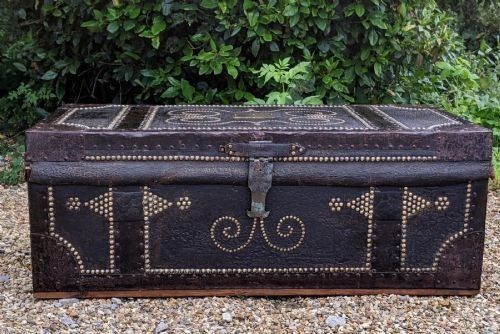
Joinery techniques prioritised resilience, often combining dovetailed corners with reinforced strapping and studded hide coverings. Many military and campaign pieces featured sectional designs intended for dismantling during transport.
Antique Travel Chest Retail Price Guide 2026
Typical asking prices for travel chest among the pieces listed under this phrase on Sellingantiques today, from the lower quarter to the upper quarter. They describe what is for sale here now, not the wider market.
Some nineteenth-century chests crossed oceans bearing the monogrammed initials of military officers, diplomats, and travellers stitched into canvas or stamped into brass.
Distinctions in construction and provenance
The standard of a piece rests upon the integrity of its original hardware, the quality of its internal fittings, and the selection of timber. Superior examples retain matching brass mounts, functional locks with keys, and untouched interior compartments or trays.
Provenance and maker attribution elevate certain items, particularly those bearing stamps from established outfitters and cabinetmakers. Pieces retaining original surface patination and uncompromised structural joinery command greater interest than heavily altered or stripped examples.
Samuel Pratt·Wm. Insall of Bristol·Louis Vuitton·S. W. Silver & Co·Army and Navy
The Antique Travel Chest Glossary
- Campaign chest
- A piece of furniture designed to dismantle or fold easily for military transport during campaigns. These often feature brass corners and recessed handles.
- Camphorwood
- An aromatic timber prized for its insect-repellent properties, commonly utilised for chests built for trade in the East. It has a distinctive scent.
- Steamer trunk
- A low-profile luggage trunk designed to fit beneath a ship cabin berth during ocean liner travel. They date largely from the late nineteenth and early twentieth centuries.
- Portmanteau
- A large travelling case or bag, typically opening into two equal compartments. The term also describes fitted cabin wardrobes.
- Strong box
- A heavily reinforced small chest or box utilised for securing valuables, money, or documents during travel. They typically feature iron or brass binding.
Antique Travel Chest: Frequently Asked Questions
What is an antique travel chest used for today?
These pieces serve primarily as functional storage furniture within modern interiors, holding blankets, linens, or books. Many function effectively as coffee tables in living spaces while providing concealed storage.
Their robust construction allows them to endure daily domestic use while displaying historical character.
Why do some travel chests smell of camphor?
Camphorwood was selected specifically for travel chests intended for the China trade because its natural oils deter moths and wood-boring insects. The distinctive aroma persists within the pores of the timber across generations.
This scent serves as a primary indicator of genuine camphorwood construction.
How do I care for leather-bound travel chests?
Leather surfaces require gentle cleaning and periodic conditioning to prevent the hide from drying and cracking over time. Avoid placing them in direct sunlight or near heat sources that accelerate moisture loss.
Original hardware should remain untreated with harsh metal polishes to preserve the patination.