



Brown Leather Chest
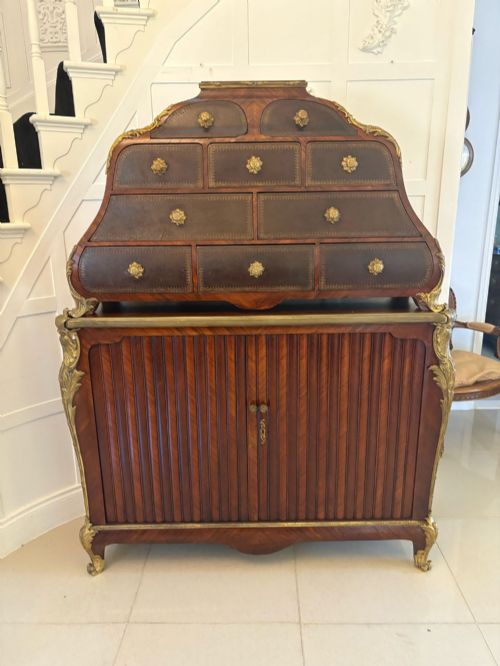
A brown leather chest brings tactile history and enduring utility into a room, offering robust storage shaped by centuries of travel and domestic life.
Brown Leather Chest
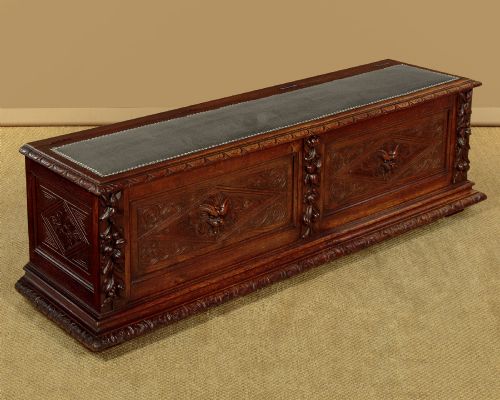
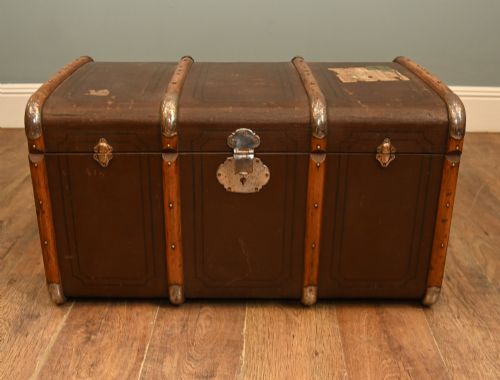
When you search for a brown leather chest, you encounter a varied lineage of storage forms spanning travel trunks, domestic ottomans, and heavy coffers. The pieces on this page originate from periods ranging from the seventeenth century through the early twentieth century, reflecting shifting practical needs.
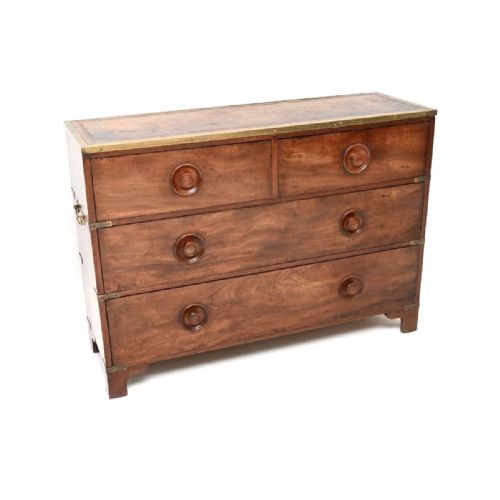
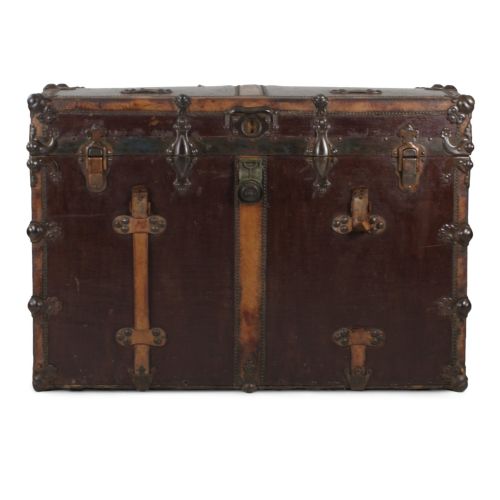
The most common versions met here include Victorian and Edwardian travel trunks alongside Georgian and Regency campaign pieces. Many of these items served officers, diplomats, or travellers before finding a permanent place in domestic interiors.
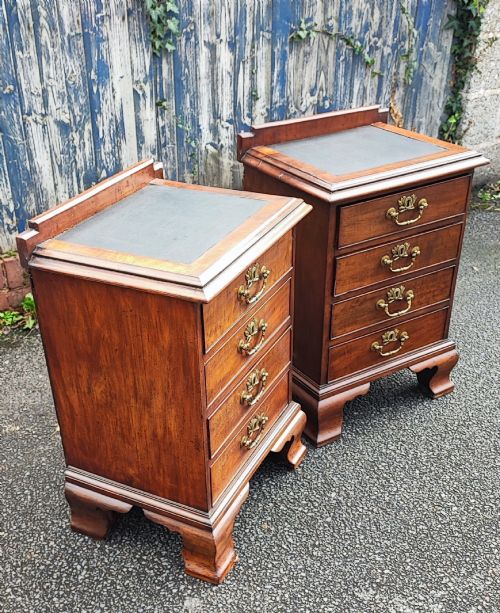
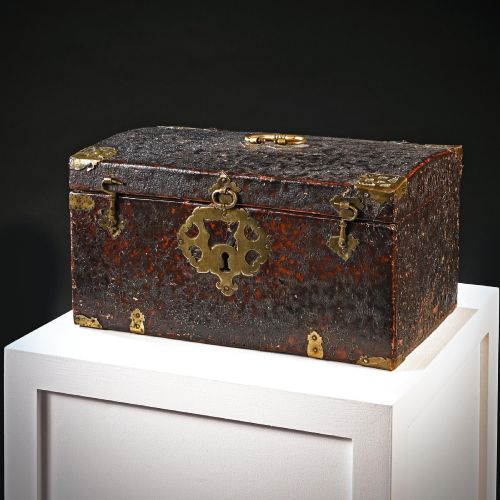
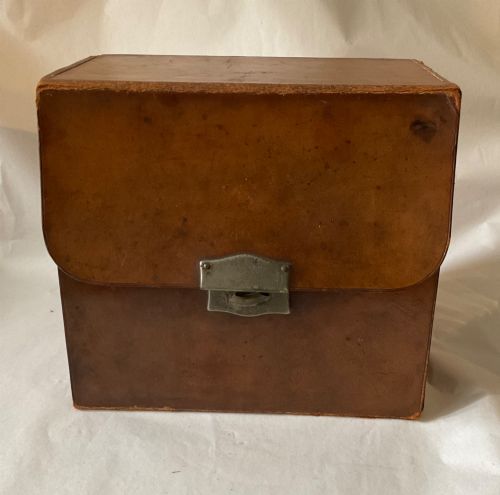
Beyond large trunks, the category encompasses smaller caskets, ottomans, and specialised cases clad in hide. Each object demonstrates the sturdy nature of period luggage adapted for modern living.
Materials and construction
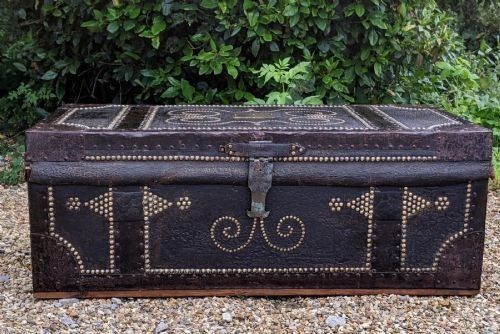
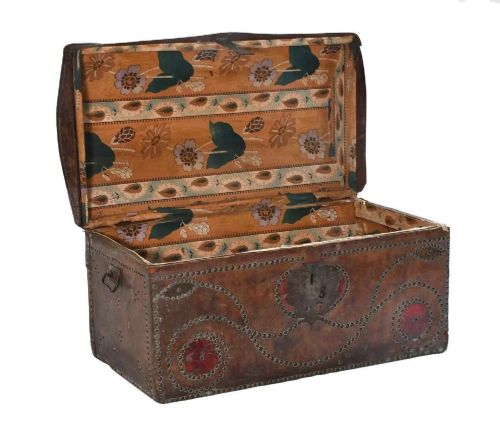
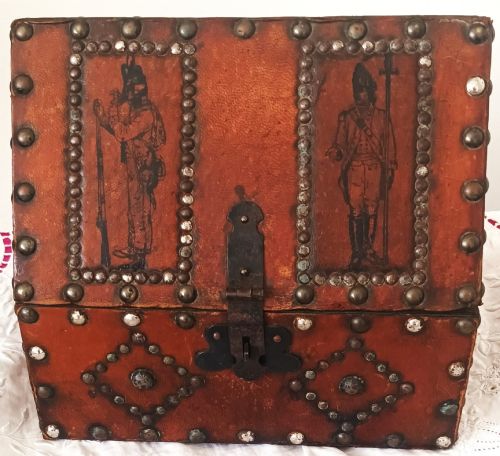
These pieces rely on a robust foundation of wood, often oak, mahogany, or pine, which provides the structural rigidity required for heavy travel. Artisans then clad these timber carcasses in hides, securing the leather with careful stitching and iron or brass tacks.
Metal reinforcement remains central to their manufacture, with brass corner plates, iron bands, and carry handles bolted on to withstand rough transit. Canvas reinforcement and specialised interior fittings complete the construction of pieces designed for endurance.
Brown Leather Chest Retail Price Guide 2026
Typical asking prices for brown leather chest among the pieces listed under this phrase on Sellingantiques today, from the lower quarter to the upper quarter. They describe what is for sale here now, not the wider market.
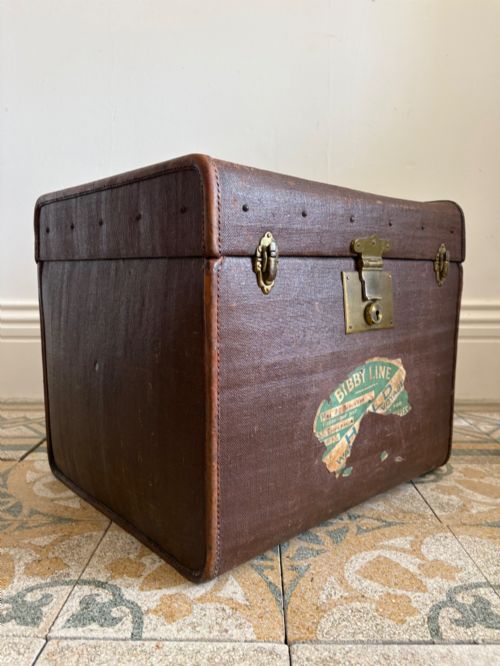
Many well-traveled trunks retain faded shipping labels and monograms, offering silent proof of forgotten grand tours across Europe.
Distinctions in quality
Quality rests upon the integrity of the underlying timber frame and the thickness of the original hide employed by the maker. Superior examples retain their structural plumb, with original brass or iron hardware intact and functioning locks.
The degree of hand-finishing marks the upper tier of these pieces, visible in precise brass studwork, hand-stitched seams, and well-preserved maker markings. Patina accumulated through genuine travel enhances better items, provided the underlying hide retains its suppleness.
Samuel Pratt·Chapple & Sons·Drew & Sons·Louis Vuitton
The Brown Leather Chest Glossary
- Campaign chest
- A modular set of drawers designed to dismantle into sections for easy transport by military officers on campaign. These pieces frequently feature recessed brass handles and corner brackets.
- Coffer
- A heavy wooden box used for storing valuables, often covered in leather and reinforced with metal bands. They represent some of the earliest forms of secure domestic storage.
- Ottoman
- A low upholstered seat or storage bench lacking arms and a back, sometimes utilising hinged lids. In leather iterations, they double as seating and discrete storage.
- Studded
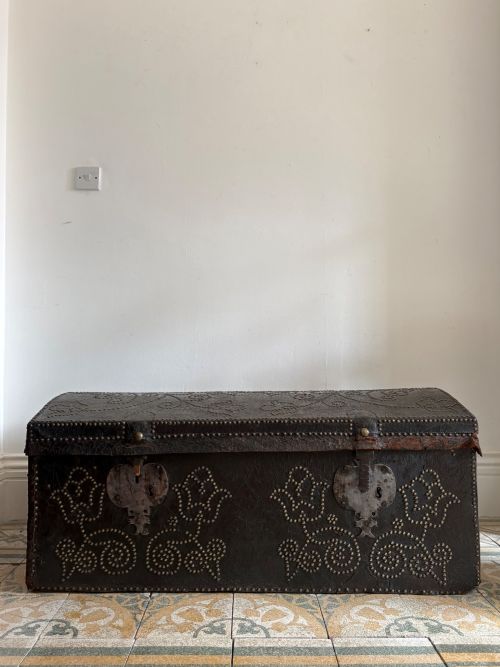
- A decorative and functional technique where brass or iron tacks secure leather to a wooden carcass. The pattern of the tacks often delineates panels and adds structural hold.
- Steamer trunk
- A lower-profile travel trunk developed in the late nineteenth and early twentieth centuries to fit beneath cabin berths on ocean liners. They utilise canvas and leather bindings over lightweight wooden frames.
Brown Leather Chest: Frequently Asked Questions
How were leather chests used originally?
These pieces served as durable luggage for long journeys by sea and land, protecting clothing, papers, and valuables against the elements. Their sturdy construction allowed them to endure rough handling by transport crews.
Over time, many transitioned from travel gear into permanent domestic storage, holding blankets, linens, and personal effects in country houses and town residences.
How do I care for antique leather?
Maintain the hide by keeping the piece away from direct heat sources and strong sunlight, which cause drying and cracking. Regular dusting and occasional light conditioning preserve the suppleness of the material.
Avoid heavy modern chemical polishes, as older leathers respond best to traditional conservation methods that respect the accumulated patina.
How can I date a leather chest?
Dating relies on examining the construction methods, such as dovetailing in the interior wood, the style of the brass or iron hardware, and the type of lock mechanism. Earlier seventeenth and eighteenth-century examples display heavier timber framing and hand-forged ironwork.
Later nineteenth and twentieth-century pieces incorporate machine-made screws, standardised brass brackets, and distinctive maker labels from firms specialising in travel luggage.
Are these chests suitable for daily storage?
Their original design prioritizes sturdy interiors and reliable lids, making them well-suited for holding modern household items like spare bedding or books. The deep compartments offer practical capacity for items that need to be kept out of sight.
Placing them in rooms with stable humidity levels ensures the wood frame and exterior leather remain stable through seasonal changes.