


Tan Leather Trunk
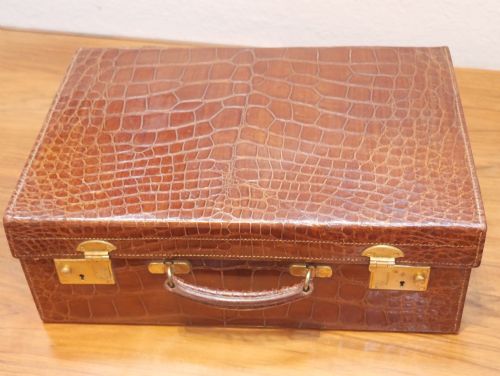
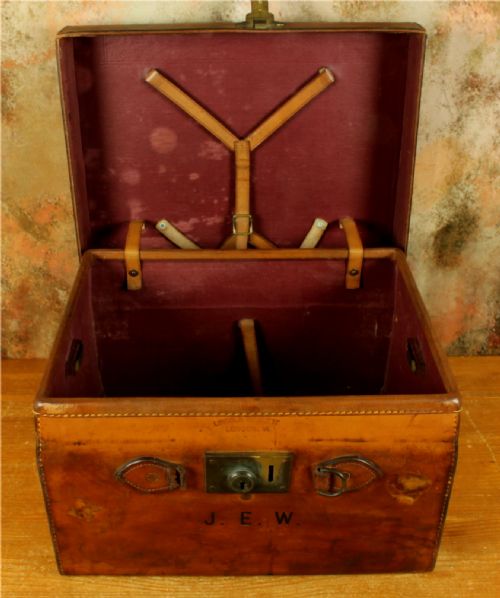
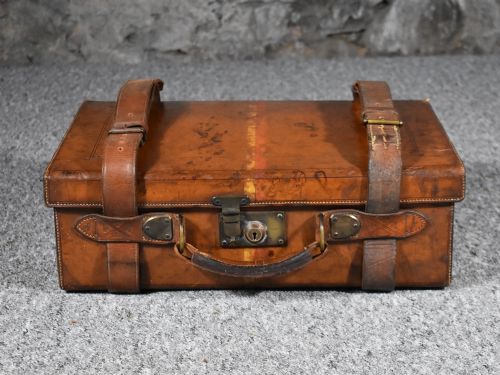
A tan leather trunk is a sturdy piece of travel luggage designed for durability and storage, fashioned from hide over a sturdy wooden frame with metal fastenings.

Tan Leather Trunk
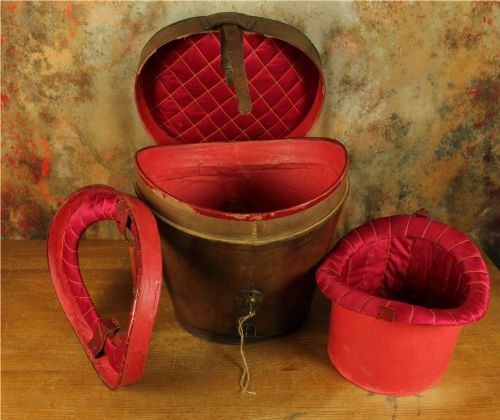
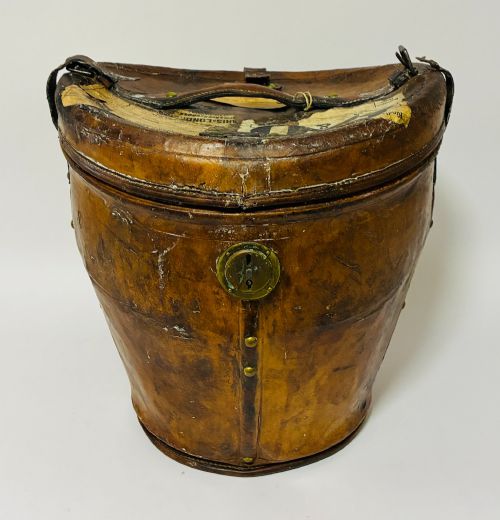
A tan leather trunk serves as both practical storage and historical luggage, originating from periods spanning the eighteenth century through to the early twentieth century. When exploring this selection, buyers encounter various forms including steamer trunks, hat boxes, suitcases, and fitted travel cases designed for specific items such as top hats, guns, and cartridges.
The pieces on this page derive from diverse origins and workshops, incorporating styles such as Victorian, Edwardian, and Georgian examples alongside sporting and military luggage. Formats range from domed travel chests and rectangular portmanteaus to compact overnight picnic cases and large wardrobe trunks.
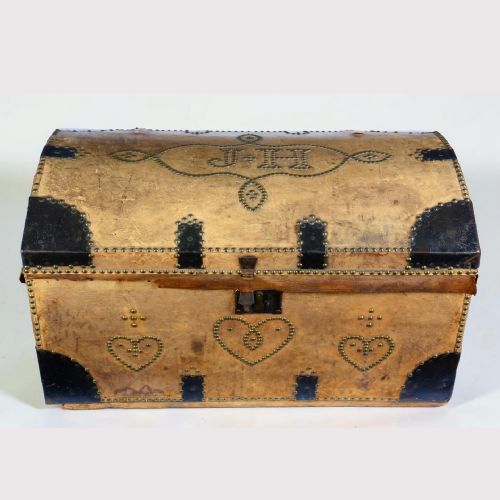
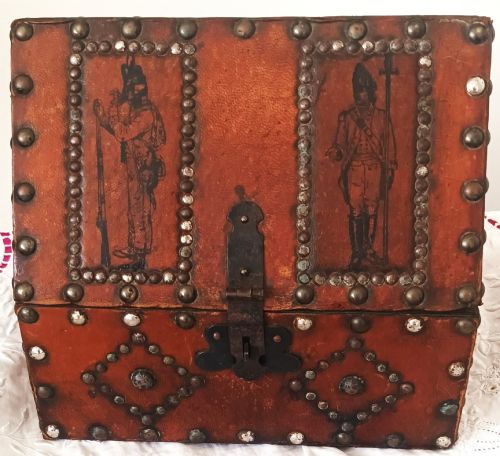
Many items retain historic travel labels, monograms, and brass studwork, reflecting their extensive use by officers, gentlemen, and travellers on early journeys. The construction balances robust utility with decorative exterior finishes intended to withstand the rigours of transit.
Materials and Construction
Construction relies upon a robust core of wood, oak, birch, or metal, which provides structural rigidity to withstand heavy loads during travel. This frame is then covered in leather, hide, or canvas, secured tightly to the underlying structure.
Metal components such as brass, iron, and steel are integrated extensively for corner brackets, locks, hinges, and decorative studwork, reinforcing vulnerable edges and securing the lid. Canvas and paper linings or fitted internal compartments often complete the interior organisation of suitcases and hat cases.
Tan Leather Trunk Retail Price Guide 2026
Typical asking prices for tan leather trunk among the pieces listed under this phrase on Sellingantiques today, from the lower quarter to the upper quarter. They describe what is for sale here now, not the wider market.
Some antique travel trunks still contain forgotten travel labels from long-gone shipping lines across distant continents.
Assessing Quality
Quality rests upon the integrity of the underlying wooden or metal framework and the thickness of the outer leather or hide covering. Finer examples maintain original brass hardware, working locks with keys, and intact internal fittings such as trays, compartments, or silk and paper linings.
The reputation of the maker or retailer stamped into the leather or brass hardware distinguishes standard luggage from elite workshop output. Furthermore, the presence of documented history, original travel labels, and well-preserved stitching elevates the standing of an individual trunk.
Arthur Wannop·Lincoln Bennett·James Purdey & Sons·Drew & Sons·John Pound·Harrods·C. Antrobus·Finnegans of Bond Street·Louis Vuitton
The Tan Leather Trunk Glossary
- Portmanteau
- A large leather trunk or suitcase typically opening into two equal compartments. These pieces were standard luggage for long journeys in the nineteenth and early twentieth centuries.
- Steamer trunk
- A lower-profile luggage chest designed to fit beneath the cabin berths on steamships. They combine durable leather or canvas exteriors with internal storage trays.
- Studwork
- Decorative and functional brass or iron nails driven into the leather surface in geometric patterns. This technique reinforces the seams while adding visual detail to Victorian and Georgian pieces.
- Fitted interior
- An internal arrangement of compartments, lift-out trays, and straps designed to hold specific garments or accessories securely. Gentlemen's suitcases frequently feature dedicated slots for grooming items and bottles.
- Hat box
- A rigid circular or multi-tiered storage case built to transport tall hats or top hats without crushing the brim. These often feature specialised internal cradles.
Tan Leather Trunk: Frequently Asked Questions
How do I clean a leather trunk?
Dust the surface gently with a soft dry cloth to remove loose particles accumulated over time. Apply a suitable leather conditioner sparingly to nourish the hide without darkening the patina.
Avoid using modern chemical detergents or excessive water, which can damage historic leather and corrode original brass or iron fastenings. Test any cleaning product on a small hidden area first.
Were these trunks used for international travel?
Yes, these trunks accompanied owners on ocean liners, trains, and horse-drawn carriages across global routes. Travel labels affixed to the exterior often document specific shipping lines and international destinations.
Sturdily built with reinforced corners and secure locks, they protected clothing and equipment against rough handling during transit.
How do I date an antique trunk?
Examine the construction materials, hardware styles, and any maker's marks or stamps stamped into the leather or metal fittings. Nineteenth-century examples frequently feature heavy brass studwork and wooden frames, while early twentieth-century pieces incorporate lighter canvas and fitted interiors.
Patina, lock designs, and historical travel labels also provide reliable clues to the manufacturing decade.
Can I use a trunk as a coffee table?
Many people place flat-topped trunks in living spaces to serve as coffee tables with built-in storage capacity. Flat steamer trunks and sturdy oak or leather chests work particularly well for this purpose.
Ensure the lid is stable and capable of supporting objects placed on top without sagging or damaging the historic structure.