




Leather Travel Chest
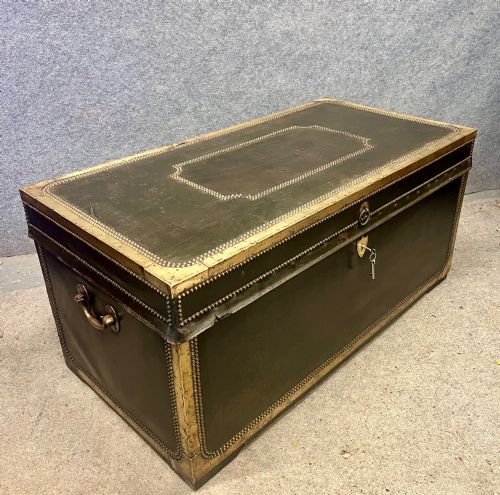
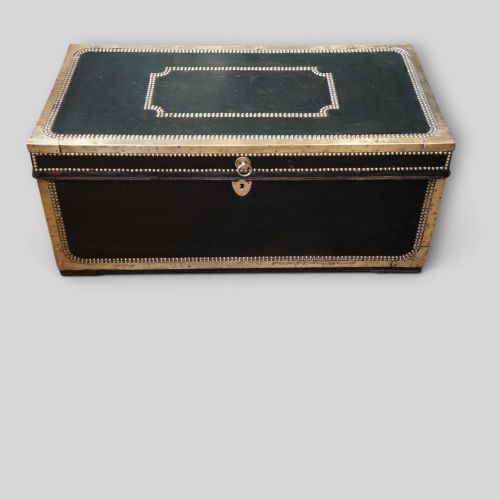
A leather travel chest carried personal belongings across land and sea, combining functional durability with distinguished materials.
Leather Travel Chest
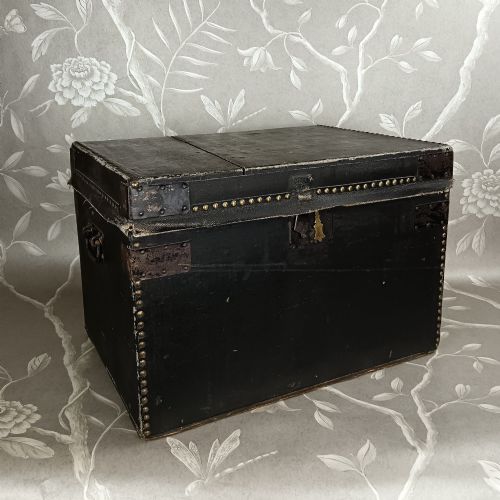
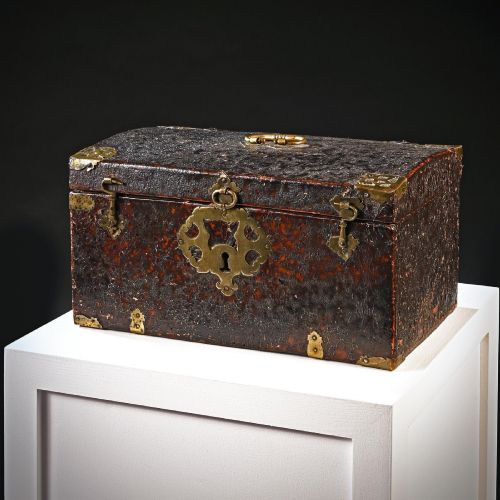
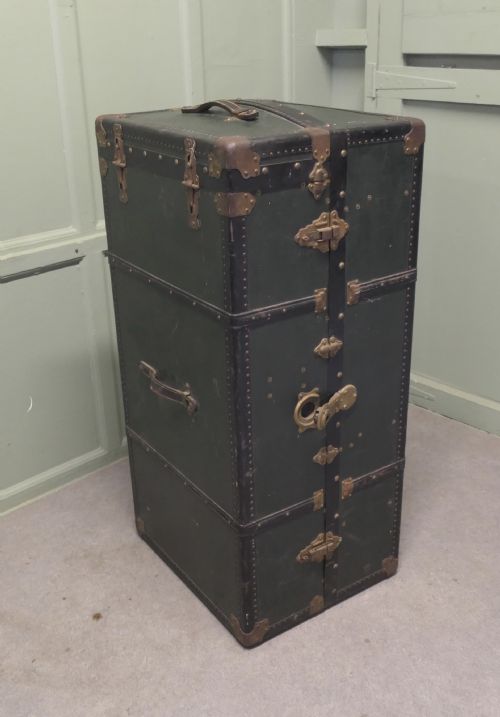
A leather travel chest is a rigid container designed for mobility, taking forms such as dome-top trunks, campaign cases, and wardrobe trunks. These pieces span from the late seventeenth century through the Edwardian era and into the early twentieth century.
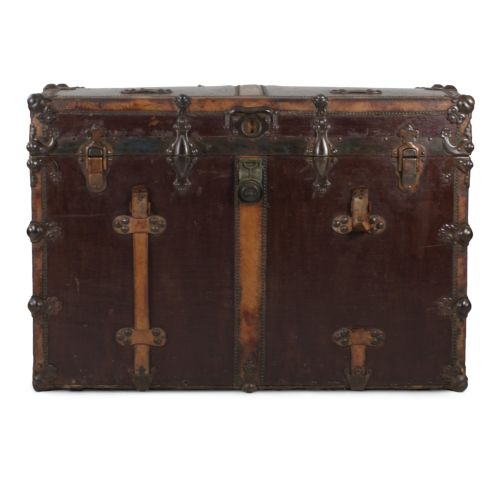
The version most commonly met on this page is the nineteenth-century Victorian or Regency trunk, constructed for carriage or ship travel. Such pieces frequently incorporate internal fittings, compartments, or maker labels.
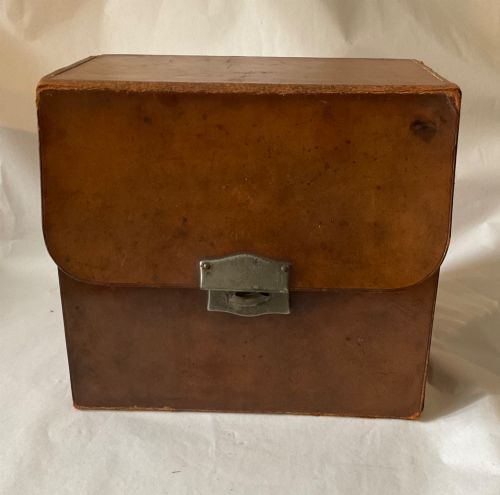
Makers adapted these forms for specific tasks, producing apothecary cases, hat boxes, and picnic sets alongside standard luggage.
How they were made
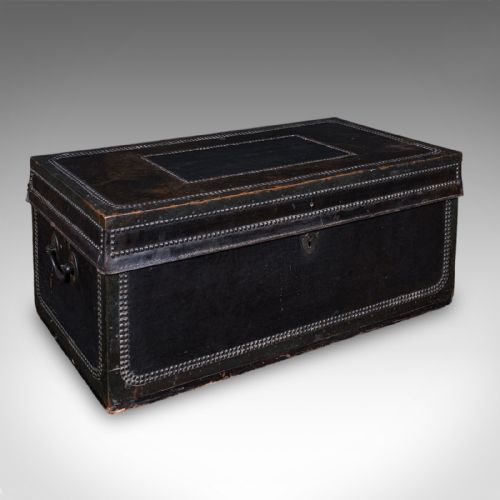
Construction relies upon a robust core of wood, pine, or camphor wood, encased in outer layers of leather, hide, canvas, or pony skin. This protective shell absorbed the rigours of transit.
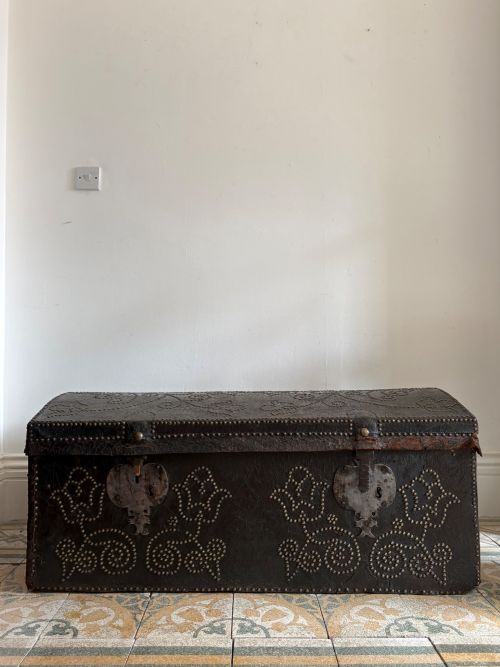
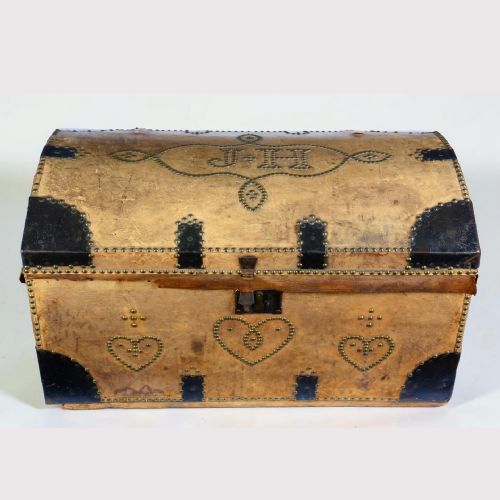
Metal reinforcement was essential, utilising brass studs, iron bands, and corner plates to secure the seams and edges. Brass binding and handles provided both structural integrity and a finished appearance.
Leather Travel Chest Retail Price Guide 2026
Typical asking prices for leather travel chest among the pieces listed under this phrase on Sellingantiques today, from the lower quarter to the upper quarter. They describe what is for sale here now, not the wider market.
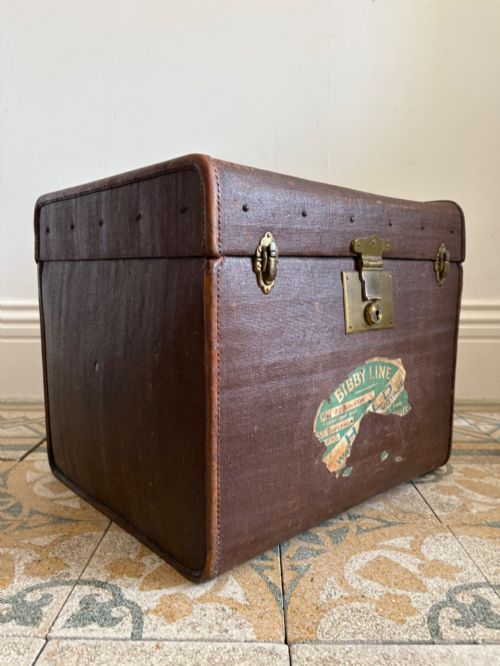
Several chests retain old travel labels and monograms, preserving the exact journeys and owners from a century ago.
What varies in quality
Quality rests in the integrity of the internal fittings and the precision of the exterior metalwork. Pieces equipped with original trays, partitioned compartments, or maker signatures demonstrate superior original purpose.
The selection of primary materials, from standard pine cores to aromatic camphor wood or heavy hide, dictates the baseline standard of the trunk.
Samuel Pratt·Wm. Insall of Bristol·Arthur Wannop·Chapple & Sons·Drew & Sons·John Pound·Aux Etats Unis·Louis Vuitton
The Leather Travel Chest Glossary
- Campaign trunk
- A portable chest designed for military officers or travellers, often featuring drop fronts or fitted interior drawers. These pieces were built for dismantling or ease of transport.
- Steamer trunk
- A lower-profile trunk created to fit beneath the cabin berths of ocean liners during the late nineteenth and early twentieth centuries. They frequently incorporate lift-out trays and durable canvas coverings.
- Dome top
- A curved lid construction designed to shed water during carriage travel. This shape restricted internal stacking but offered superior weather resistance.
- Brass bound
- The application of brass edging and strips to protect vulnerable corners and joints from impact. It also served as a decorative accent against dark leather.
Leather Travel Chest: Frequently Asked Questions
How were leather travel chests used?
Travellers packed clothing, documents, and personal valuables into these chests for journeys by coach, ship, or rail. The robust exterior shielded contents from moisture and rough handling.
Many included internal compartments or removable trays to organise specific items like hats, bottles, or papers during transit.
How do I care for antique leather?
Keep these chests away from direct sunlight and excessive heat sources to prevent the leather from drying and cracking. Gentle cleaning with appropriate conservation waxes helps maintain the hide.
Avoid using modern chemical cleaners that might strip the historic finish or discolour the original metal studs.
Can I use these chests for modern storage?
These pieces provide sturdy storage solutions for blankets, seasonal clothing, or household items while adding historical character to a room. Their flat tops also allow them to function as side tables or coffee tables.
Ensure the interior is clean and dry before storing textiles inside older trunks.
How can I tell the period of a trunk?
Construction methods, hardware styles, and internal linings offer clues to the date of manufacture. Earlier examples often feature hand-stitched hide over wooden frames with simple iron or brass tacks, while later Edwardian versions utilise canvas and machine-riveted metal.
Maker stamps, retailer labels, and travel stickers provide definitive dates and provenance.