



Studded Leather Chest
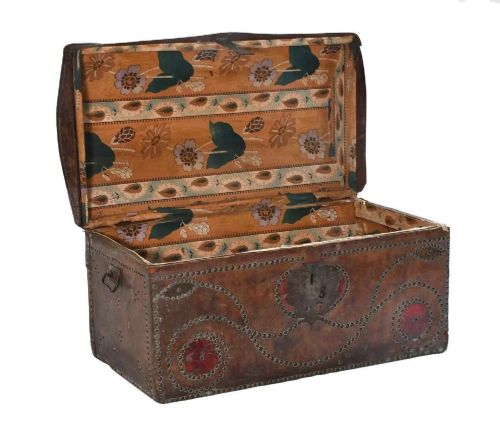
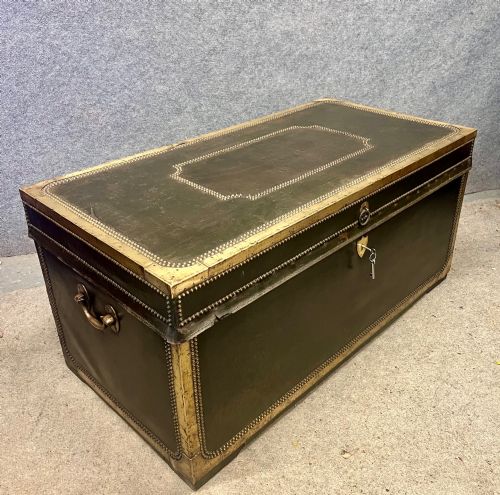
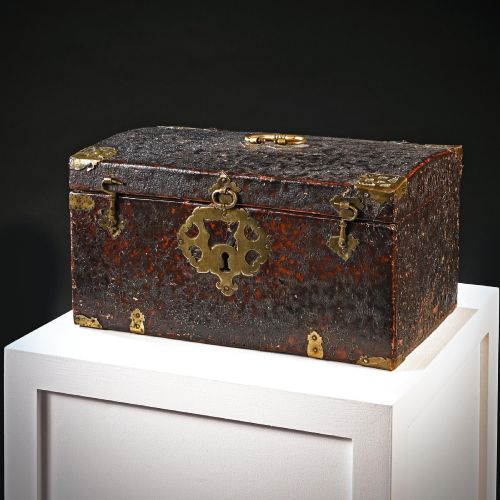
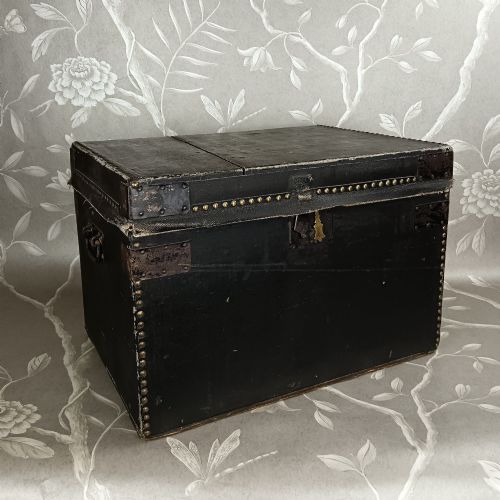
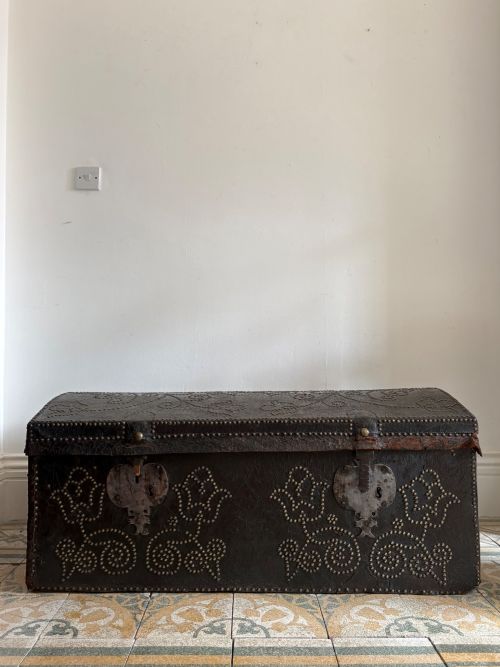
A studded leather chest brings tactile history to an interior, offering robust storage shaped by centuries of travel and craftsmanship.
Studded Leather Chest
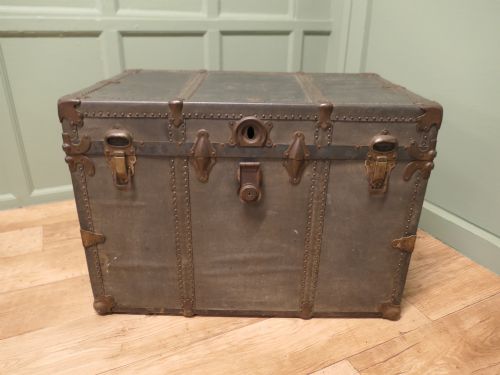
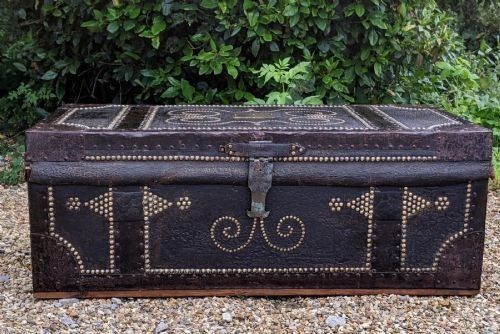
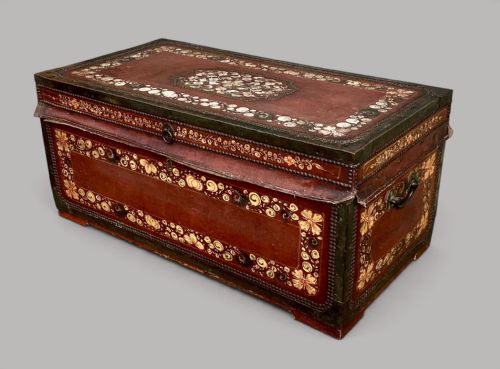
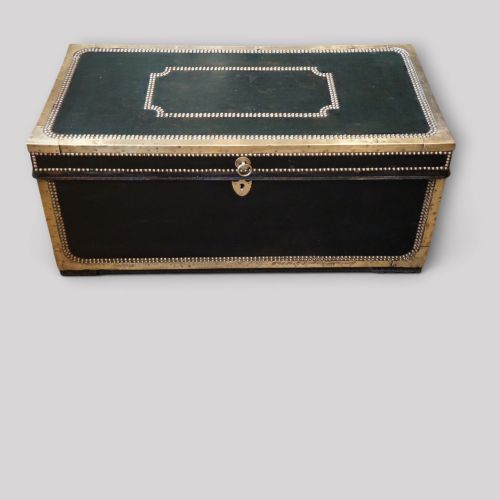
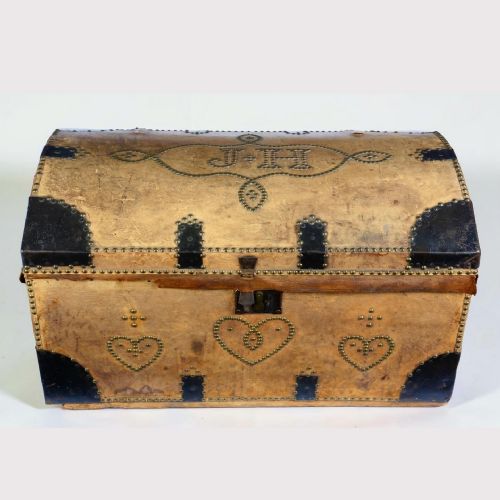
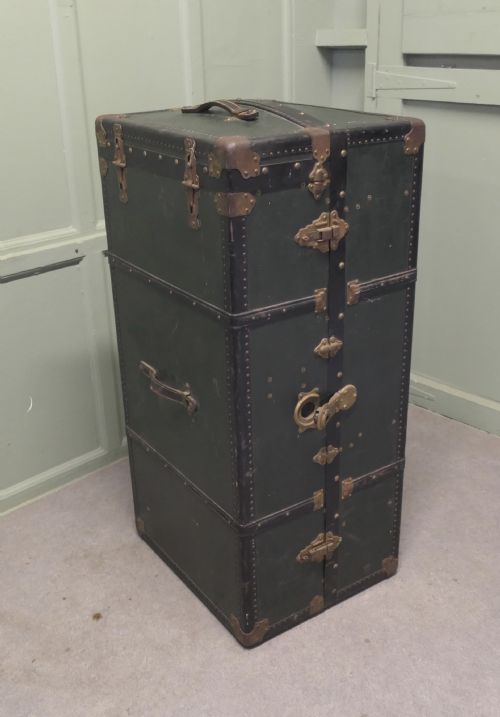
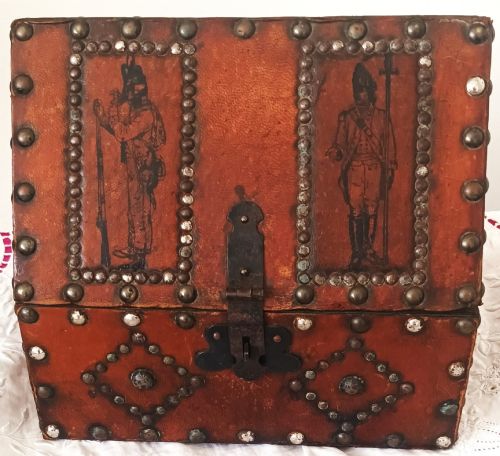
A studded leather chest spans utilitarian travel gear and decorative domestic storage, appearing across the seventeenth, eighteenth, and nineteenth centuries. Buyers frequently encounter Regency campaign pieces and Victorian trunks, alongside earlier Spanish Baroque coffers and China Trade items.
Forms range from dome-top travelling trunks and coaching boxes to flat-lidded blanket chests and ottomans. Many examples integrate internal wooden carcases of camphor wood, mahogany, or birch beneath their outer skins.
Origins vary widely, encompassing English workshops, continental European makers, and Asian export hubs. This diversity ensures that forms adapt readily to modern residential spaces as functional coffee tables or bedroom storage.
Distinctions in construction and finish
Quality rests upon the integrity of the internal timber frame and the thickness of the applied hide. Superior examples display dense woods such as camphor or mahogany beneath intact leather, whereas simpler iterations utilise lighter deal boards.
The precision of the brass studwork and the survival of original hardware distinguish workshop output. Maker-labelled pieces and fitted interiors elevate an example above standard utility trunks.
Studded Leather Chest Retail Price Guide 2026
Typical asking prices for studded leather chest among the pieces listed under this phrase on Sellingantiques today, from the lower quarter to the upper quarter. They describe what is for sale here now, not the wider market.
Listings feature items spanning from the pre-sixteenth century up to the Edwardian era, constructed from leather, brass, iron, and camphor wood.
Samuel Pratt·Wm. Insall of Bristol·Arthur Wannop·Chapple & Sons·Seabrook of St.Pauls, London
The Studded Leather Chest Glossary
- Campaign trunk
- A portable storage chest designed for military officers or travellers, often featuring recessed brass handles and reinforced corners. These pieces were built for frequent transit.
- Camphor wood
- An aromatic timber frequently utilised for the internal carcase of travel chests to deter insects. Its distinctive scent often lingers within the box.
- Coffer
- A heavy wooden chest traditionally used for storing valuables, frequently leather-clad and studded in early periods. They often feature dome-shaped lids to shed water.
- Nailhead
- A decorative or structural metal stud driven through leather into the wood beneath. Rows of these elements define the aesthetic of the style.
- China Trade
- Goods manufactured in China during the nineteenth century specifically for export to Western markets. These items frequently combine traditional local timber with European forms.
Studded Leather Chest: Frequently Asked Questions
How were studded leather chests used?
These pieces served primarily as luggage and transport containers for long-distance travel by coach, ship, or military campaign. Their robust construction protected clothing and valuables from the elements.
In domestic settings, they transitioned to permanent storage for blankets, linen, and personal possessions. Today, they function effectively as coffee tables or decorative storage units.
How do I care for leather storage?
Maintain the material by keeping the chest away from direct heat sources and strong sunlight, which can dry out ancient hides. Gentle dusting and occasional feeding preserve the surface texture.
Avoid applying modern synthetic cleaning agents to historic leather surfaces. Professional conservation advice helps maintain the integrity of delicate studs and wood.
How are different periods identified?
Early pieces from the seventeenth century often display heavy timber frames, Spanish Baroque influences, and dome-top coffer shapes. Eighteenth-century examples frequently incorporate camphor wood and heavier iron or brass bindings.
Nineteenth-century Victorian and Regency pieces commonly feature refined brass studwork, maker labels, and specialised campaign fittings. Examining the underlying wood and interior linings clarifies the date of manufacture.
Can these chests be used daily?
Sturdy construction allows these items to withstand regular domestic use as functional furniture. Many examples provide substantial internal capacity for contemporary living spaces.
Placing items carefully on flat lids prevents surface wear on older leather. Their dual role as furniture and storage makes them practical for modern interiors.