
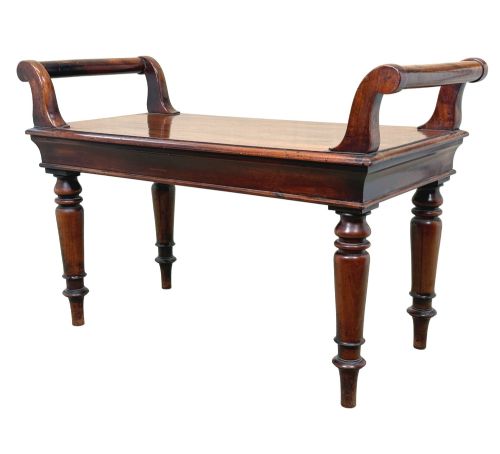
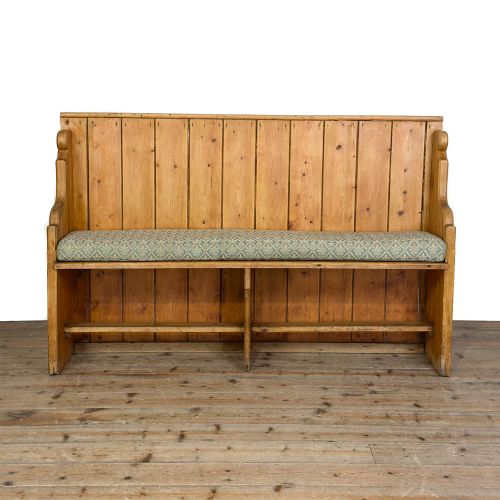
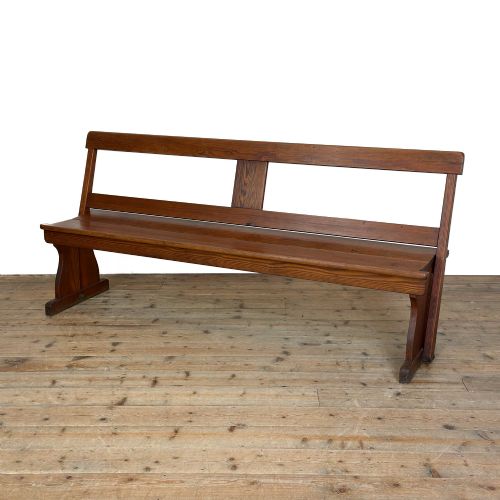
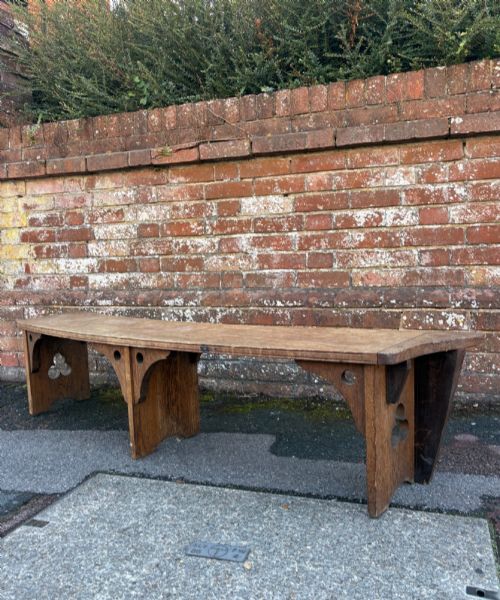

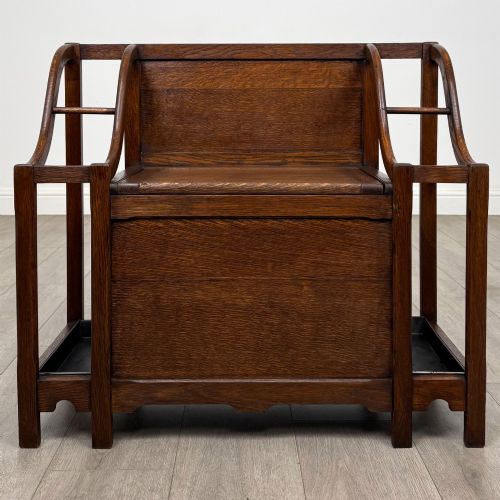
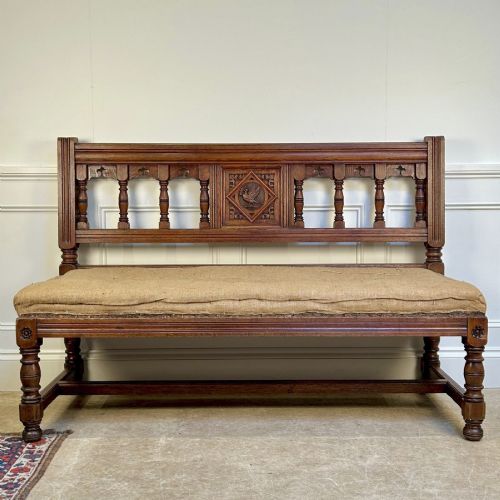
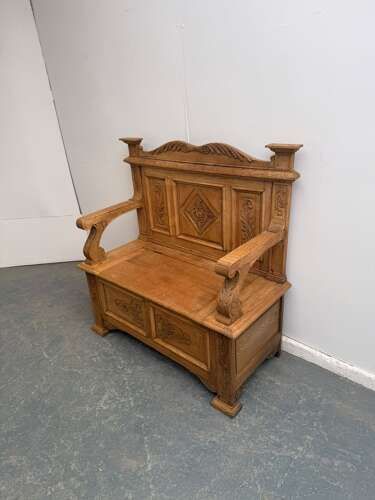
Hallway Bench Seat
A hallway bench seat provides a practical seating solution in an entranceway, drawing upon traditional forms in oak, pine, and mahogany.
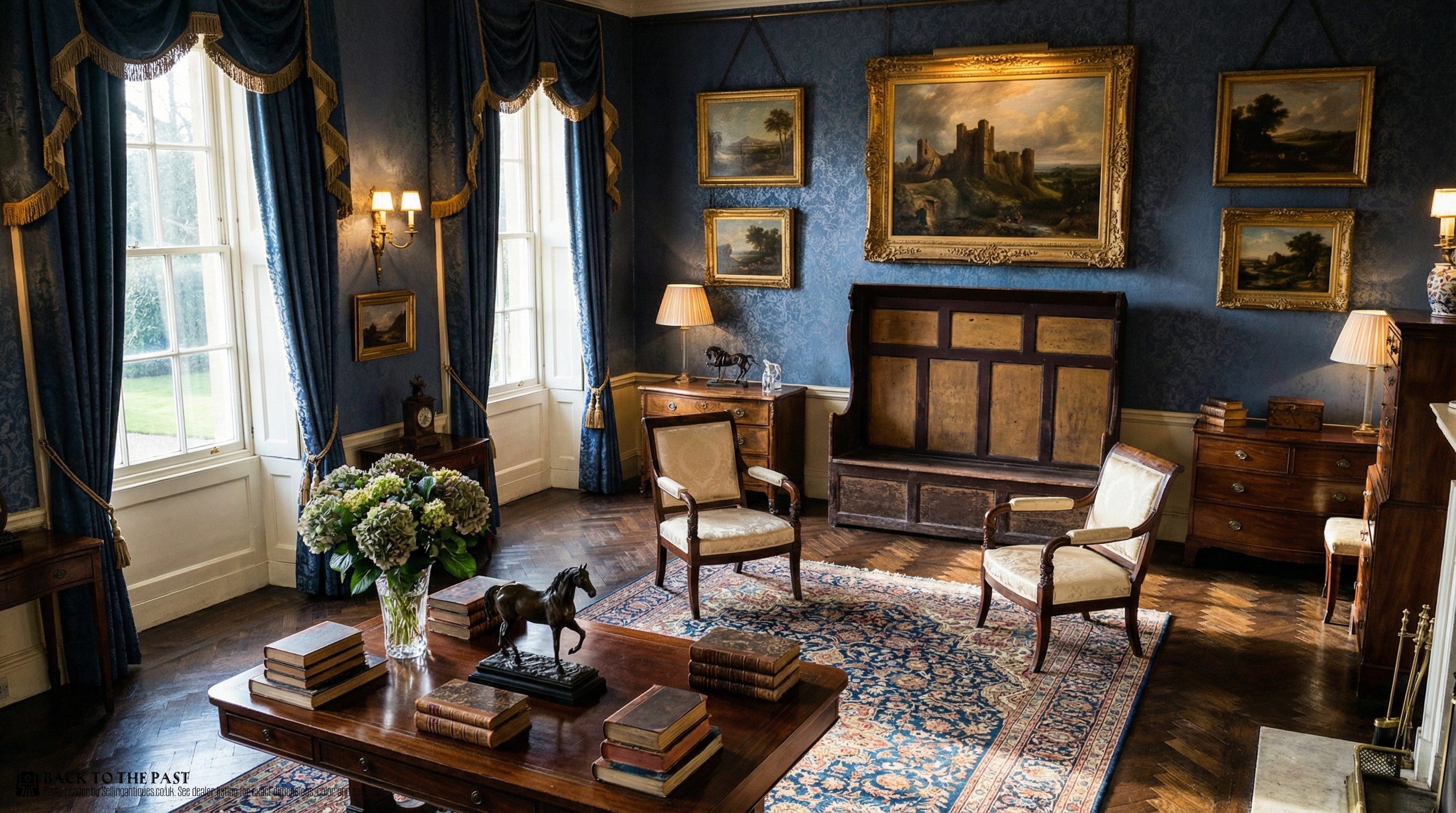
Hallway Bench Seat
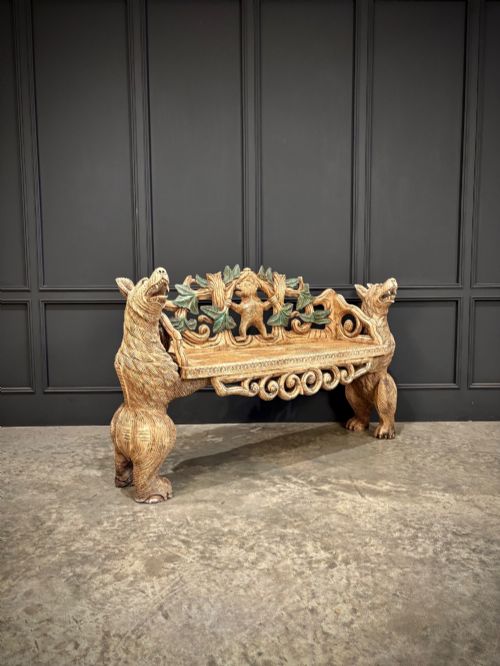
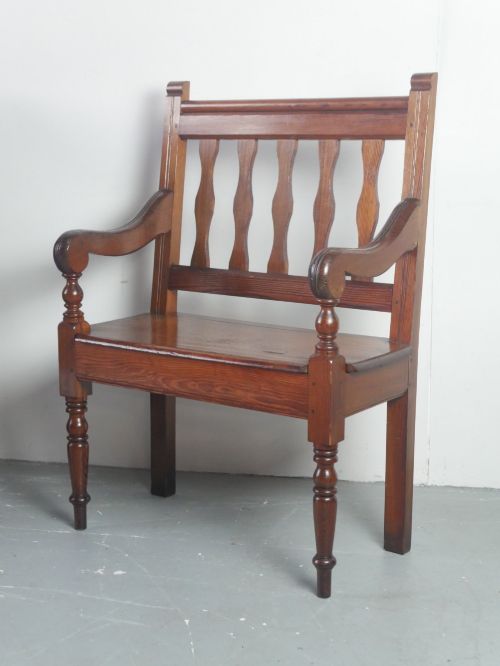
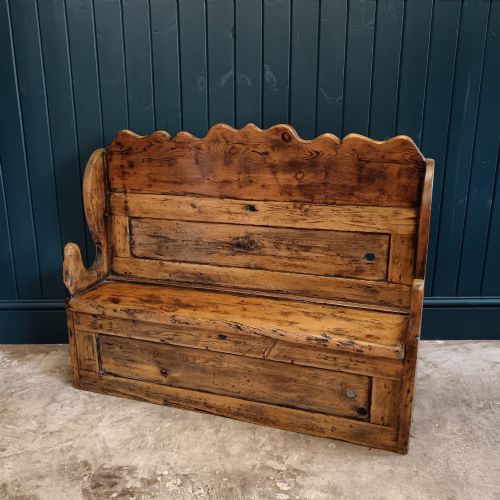
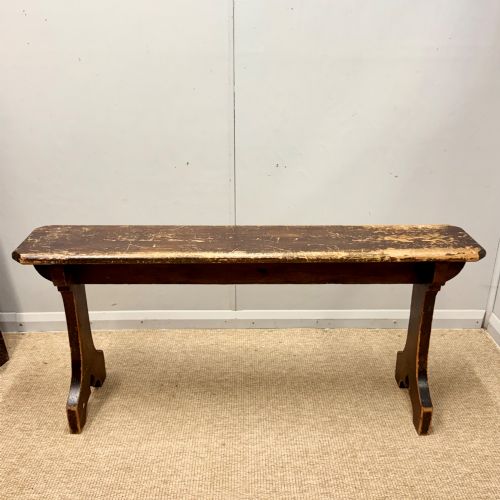
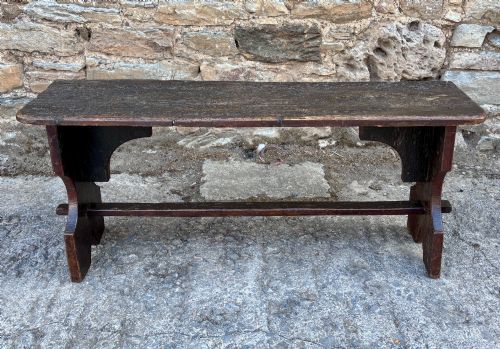
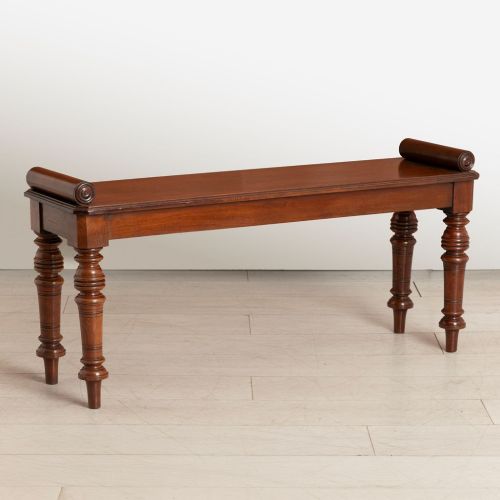
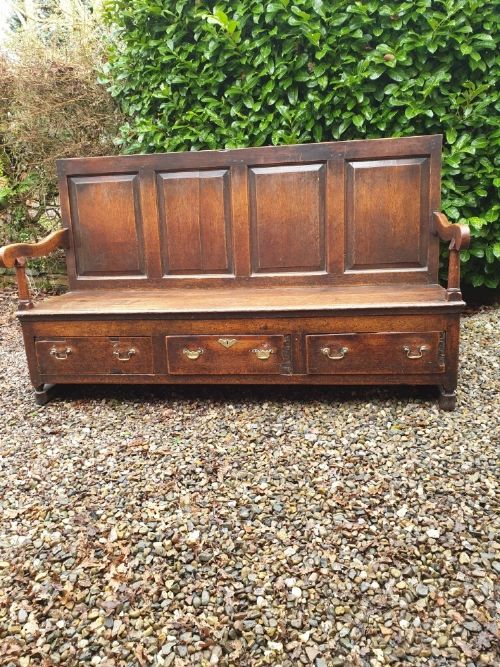
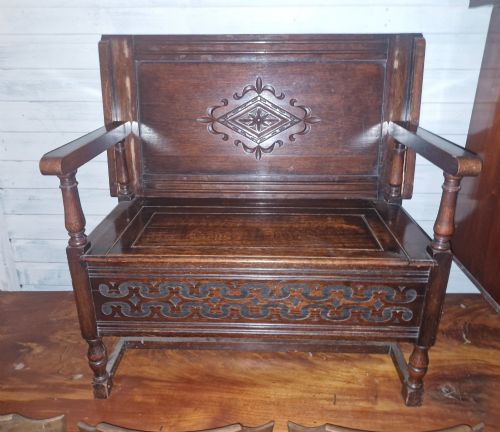
A hallway bench seat serves as a functional item for an entryway, spanning forms such as church pews, box settles, window seats, and hall benches. These pieces emerge from periods including the Georgian, Victorian, and Edwardian eras, reflecting both country workshop traditions and formal cabinet-making. Buyers frequently encounter pine and oak examples shaped for domestic entryways or repurposed from ecclesiastical settings.
The selection ranges from rustic country pine pews and elm settles to carved oak box seats and mahogany window seats. Pieces frequently incorporate practical additions like lift-up lids for storage, fold-over tops, or integrated stick stands. Proportions vary from compact single-seater pews to lengthy benches designed for extensive corridors.
How they were made
Construction relies heavily on timbers such as oak, pine, elm, and mahogany, joined through traditional carpentry methods suited to heavy domestic use. Workshops utilised panelled construction for high backs and box bases, incorporating brass fittings on specific refined designs. Wax finishes and painted surfaces appear across country and period pieces, developing patinas over centuries of handling.
Hallway Bench Seat Retail Price Guide 2026
Typical asking prices for hallway bench seat among the pieces listed under this phrase on Sellingantiques today, from the lower quarter to the upper quarter. They describe what is for sale here now, not the wider market.
Listings feature hallway bench seats spanning the Georgian, Victorian, and Edwardian periods, constructed predominantly in oak, pine, and mahogany.
What varies in quality
The standard of a hallway bench seat rests on the integrity of its timber, the execution of its joinery, and the retention of its original surface patina. Pieces constructed from solid hardwoods like oak and mahogany with pegged framing sit at the higher end, compared to heavily altered utility items. Original hardware, such as brass mountings and authentic hinges, alters the standing of a piece.
Proportion and decorative restraint distinguish standard utilitarian items from workshop-attributed seating. Pieces retaining untouched wax finishes or original upholstery treatments demonstrate superior preservation against examples that have undergone extensive reconstruction.
GIllows·Jas Shoolbred·James Shoolbred & Co.
The Hallway Bench Seat Glossary
- Settle
- A wooden bench with a high back, solid arms, and often a storage box beneath the seat. This form kept draughts away from people sitting near fires or in hallways.
- Box settle
- A variation of the settle featuring a hinged seat lifting to reveal a storage compartment. It provided dual utility for seating and household storage.
- Window seat
- An elongated stool or bench designed specifically to fit the recess of a window. These typically feature upholstered tops and refined mahogany or walnut frames.
- Church pew
- Long wooden seating originating from ecclesiastical buildings, constructed from pine or pitch pine. Many were later adapted for domestic hallway use.
- Patina
- The surface sheen and colour developed by wood over years of handling, polishing, and ageing. It serves as an indicator of a piece's age and history.
Hallway Bench Seat: Frequently Asked Questions
What is a hallway bench seat used for?
A hallway bench seat provides a designated place to sit while putting on or removing shoes in an entryway. Many designs also incorporate integrated storage beneath the seat for household items.
Taller versions with panelled backs often include fixtures for walking sticks and umbrellas, combining multiple hallway functions into a single wooden item.
How do I tell an old pine bench from a modern reproduction?
Original period pine benches display natural wear patterns, tool marks from hand-working, and historical patinas accumulated through decades of use. The timber exhibits shrinkage, fading, and authentic surface dryness that modern treatments struggle to replicate accurately.
Construction details such as hand-cut joinery, old fixings, and timber movement further distinguish genuine 19th-century workshop output from recent decorative items.
How do I care for a waxed oak hallway bench?
Maintain a waxed oak bench by applying a quality beeswax polish periodically to nourish the dry timber and protect the surface. Avoid placing wooden seating near direct heat sources or in damp environments that cause the wood to warp.
Dust the piece regularly with a soft, dry cloth to prevent grit accumulation in carved details and panel joints.