
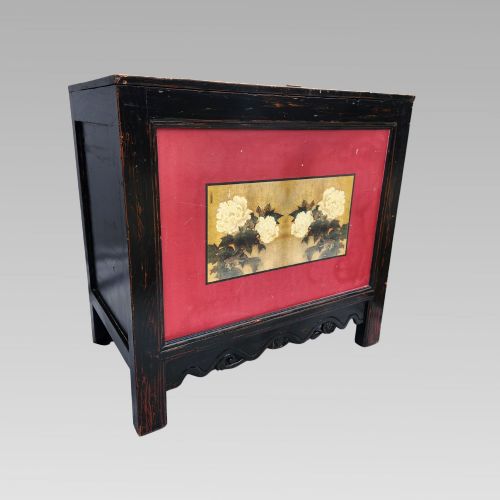


Oriental Blanket Box
An oriental blanket box brings rich texture and practical storage into a room, fashioned from aromatic woods and finished with polished brass.
What an oriental blanket box is
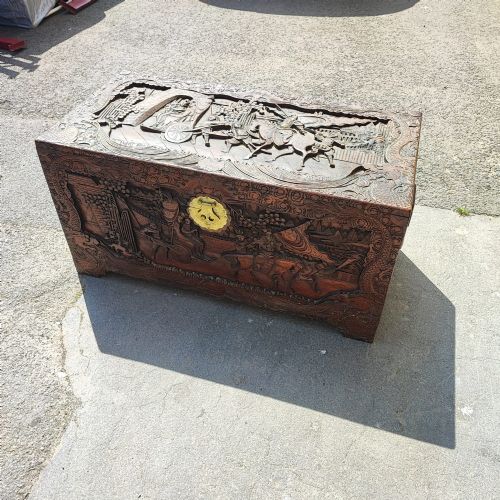
An oriental blanket box is a sturdy storage piece designed to keep textiles and garments safe from pests while adding distinct character to an interior. These trunks appear in traditional forms spanning Chinese regional, Chinese export, and Art Deco styles.
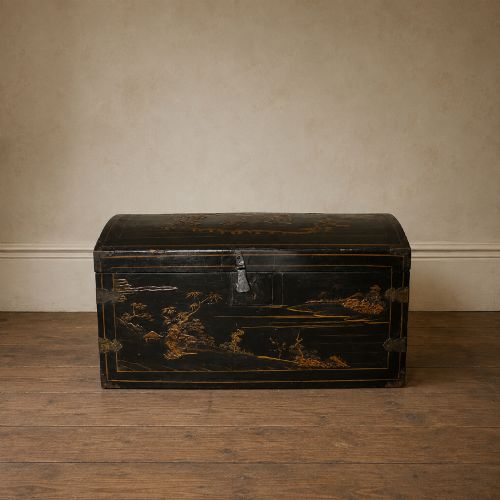
Most examples found here date from the nineteenth century up to nineteen-forty, encompassing nineteenth-century camphor wood chests alongside nineteen-twenties and nineteen-thirties lacquered trunks. Buyers encounter both carved wooden surfaces and smooth leather or pigskin coverings.
The primary forms include large storage trunks, blanket boxes, and coffer chests intended for daily utility as well as shipping. Each piece reflects traditional craftsmanship adapted for both local use and international trade.
How they were made
Makers utilised resilient timber such as camphor wood, prized for its natural insect-repelling qualities and pleasant scent. Surfaces often received thick coats of black lacquer or coverings of pigskin and leather.
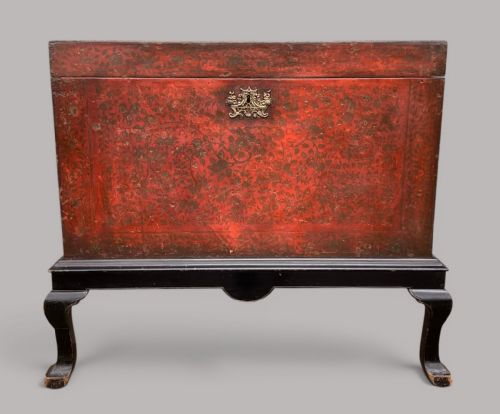
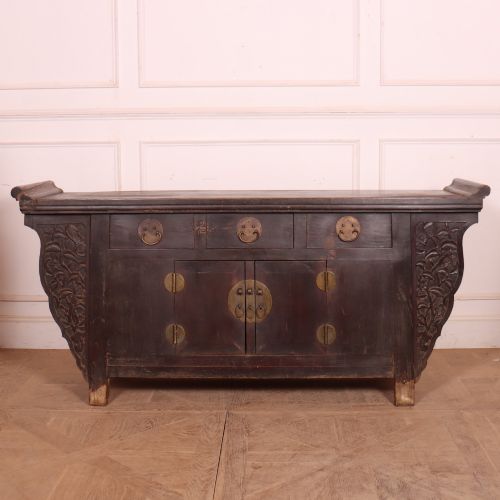
Brass hardware provided both structural reinforcement and decorative contrast against dark wood and leather finishes. Gilt detailing occasionally accented the carved or lacquered panels.
Retail Price Guide 2026
Typical UK retail prices for oriental blanket box, calculated from the Sellingantiques database of over a million retail prices indexed since 2003. This retail price guide relies exclusively on Sellingantiques data; no external sources or auction records are used, so the figures do not describe the wider market.
The natural camphor aroma inside these antique chests has been quietly repelling moths for over a century.
What varies in quality
Quality rests in the crispness of the carving and the depth of the lacquer or hide finish. Finer boxes display robust brass mountings fitted flush to the timber and well-preserved surface treatments.
The integrity of the underlying wood and the tightness of the joinery distinguish a superior storage trunk from a basic utilitarian box. Examples retain their original hardware and internal linings more successfully than others.
The Oriental Blanket Box Glossary
- Camphor wood
- A fragrant timber native to Asia, traditionally chosen for blanket boxes because its natural oils deter moths and other insects. This wood finishes to a warm tone and holds intricate carving well.
- Lacquer
- A durable resin finish applied in multiple layers and polished to a smooth sheen, frequently seen in black on nineteenth-century and early twentieth-century trunks. It provides a hardwearing protective surface.
- Pigskin
- A tough, grained animal hide utilised as an outer covering on twentieth-century shipping trunks and chests. It offers resilience against travel wear.
- Coffer
- A traditional heavy chest or box used for safekeeping valuables and textiles before standard wardrobes became common. These pieces often feature reinforced corners.
- Gilt
- A thin layer of gold application used to highlight carved details or lettering on wooden and leather surfaces. It adds subtle brightness to dark finishes.
Frequently Asked Questions
What is an oriental blanket box used for?
These boxes serve as practical storage furniture for blankets, linens, and bulky winter garments. Their sturdy construction also allows them to function as coffee tables or end-of-bed benches in modern interiors.
The aromatic interior of camphor wood varieties helps keep stored textiles fresh over long periods.
How do I identify nineteenth-century pieces?
Nineteenth-century examples often feature solid camphor wood construction with hand-carved panels and traditional Chinese regional or export styling. They rely heavily on natural timber grains and brass fittings.
Twentieth-century pieces tend to introduce lacquer finishes, pigskin coverings, and Art Deco influences dating into the nineteen-thirties and nineteen-forties.
Are these chests heavy?
Solid wood construction and substantial brass hardware give these trunks considerable weight. Camphor wood and timber frames are built for durability and long-term utility.
Original brass handles assist with lifting, though positioning requires two people.
How do I care for a lacquered chest?
Lacquered and leather-covered surfaces require gentle dusting with a soft, dry cloth to prevent scratching. Avoid harsh cleaning products and keep the box away from direct heat sources to protect the finish.
Applying a light, neutral wax can help preserve leather and pigskin exteriors over time.