




Qing Dynasty Trunk
These qing dynasty trunk examples are substantial storage vessels offering historical craftsmanship and enduring utility for modern interiors.
Qing Dynasty Trunk
When searching for a qing dynasty trunk, buyers encounter substantial storage furniture originating from various periods including the eighteenth and nineteenth centuries. These pieces function primarily as chests, coffers, and travel boxes designed for domestic use or export trade.
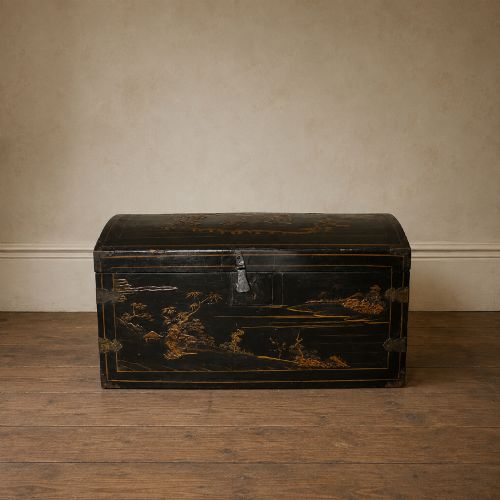
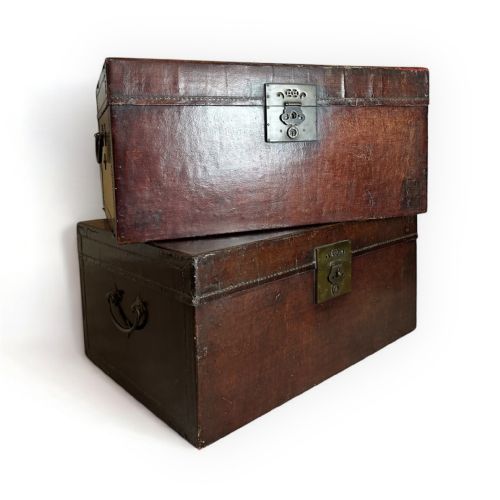
The most frequent examples on this page are nineteenth-century lacquered or leather-covered trunks featuring traditional brass detailing and hardware. Artisans also produced significant camphorwood and hardwood coffers during these eras.
Regional Chinese workshops and export centres created these items to meet both domestic requirements and international demand. Consequently, survivors range from simple travelling boxes to elaborate gilt-decorated domed chests.
Materials and construction methods
Carpenters utilised durable timbers such as camphorwood and various hardwoods to construct the primary carcase of each qing dynasty trunk. These woods provided natural protection against insects and humidity during transport.
Surface decoration frequently involved layers of black or red lacquer applied to wood or leather substrates. Artisans then added gilt ornamentation, carved relief work, or brass mounts to reinforce and adorn the corners and hinges.
Qing Dynasty Trunk Retail Price Guide 2026
Typical asking prices for qing dynasty trunk among the pieces listed under this phrase on Sellingantiques today, from the lower quarter to the upper quarter. They describe what is for sale here now, not the wider market.
Camphorwood trunks retained their spicy scent across centuries, quietly repelling moths while waiting in quiet storerooms.
Distinguishing quality across examples
Superior qing dynasty trunk specimens display meticulous joinery and finely detailed hand-carved relief work on the hardwood or lacquer surfaces. The precision of the brass binding and the retention of original gilt decoration also indicate higher craftsmanship.
Lesser examples show simpler construction with plain timber or heavily worn finishes where surface treatments have degraded over time. The integrity of the original hardware and the stability of the core structure differentiate standard utilitarian items from finer pieces.
The Qing Dynasty Trunk Glossary
- Coffer
- A large box or chest traditionally used for holding valuables or documents. These storage items usually feature a hinged lid and robust timber construction.
- Camphorwood
- An aromatic timber prized for its insect-repellent properties and distinctive grain. Makers frequently employed this wood for chests destined for travel or storage.
- Gilt
- Gold leaf or powdered gold applied to a surface for decoration. Artisans used this technique to highlight carved details on lacquer and wood.
- Lacquer
- A durable resin finish applied in multiple layers and polished to a hard sheen. This traditional coating protected the underlying wood while providing a canvas for painted or carved designs.
Qing Dynasty Trunk: Frequently Asked Questions
How were these trunks used originally?
These vessels served primarily for storing garments, textiles, and valuable possessions within the home or during travel. Their robust construction protected contents from moisture and pests.
Merchants and officials also utilised specialised boxes for transporting documents and trade goods across regions and overseas.
Where should I place a trunk at home?
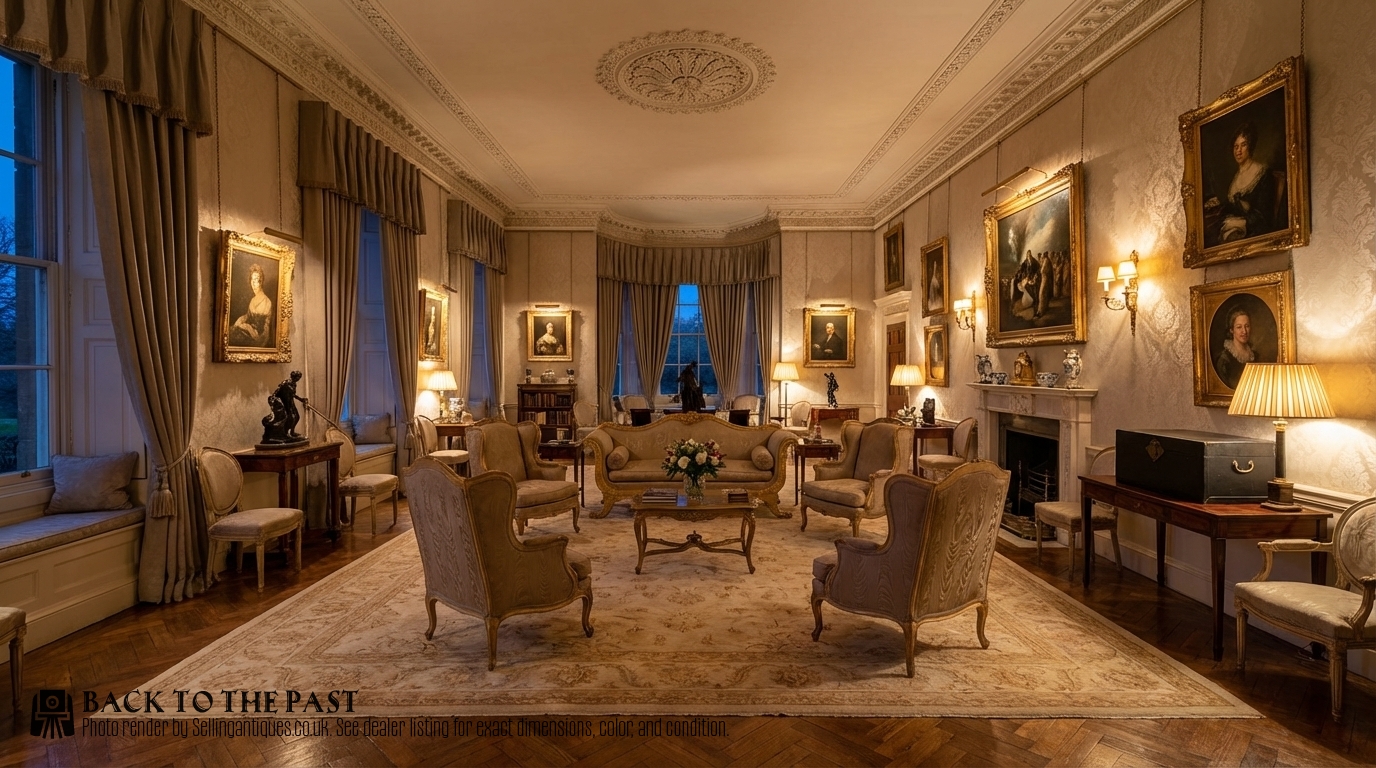
A large chest functions effectively as a coffee table in a living room while offering concealed storage inside. Smaller boxes sit well on sideboards or desks to hold personal items.
Placement away from direct heat sources helps preserve the wooden carcase and delicate lacquer finishes.
How do I care for lacquer surfaces?
Maintaining lacquer requires gentle dusting with a soft, dry cloth without chemical polishes or abrasive cleaners. Stable indoor humidity prevents the underlying wood from expanding and cracking the finish.
Direct sunlight can fade pigments and gilt decoration over extended periods.
What indicates an eighteenth-century origin?
Earlier pieces typically exhibit heavier hardwood construction, deeper hand-carved motifs, and specific regional joinery techniques. The style of brass mounts and the formulation of the lacquer also provide clues to the period.
Comparison with documented examples helps confirm the dating of these items.