
Antique Asian Cabinet
These antique asian cabinet pieces bring character and storage to a room, offering craftsmanship from various periods and traditions.
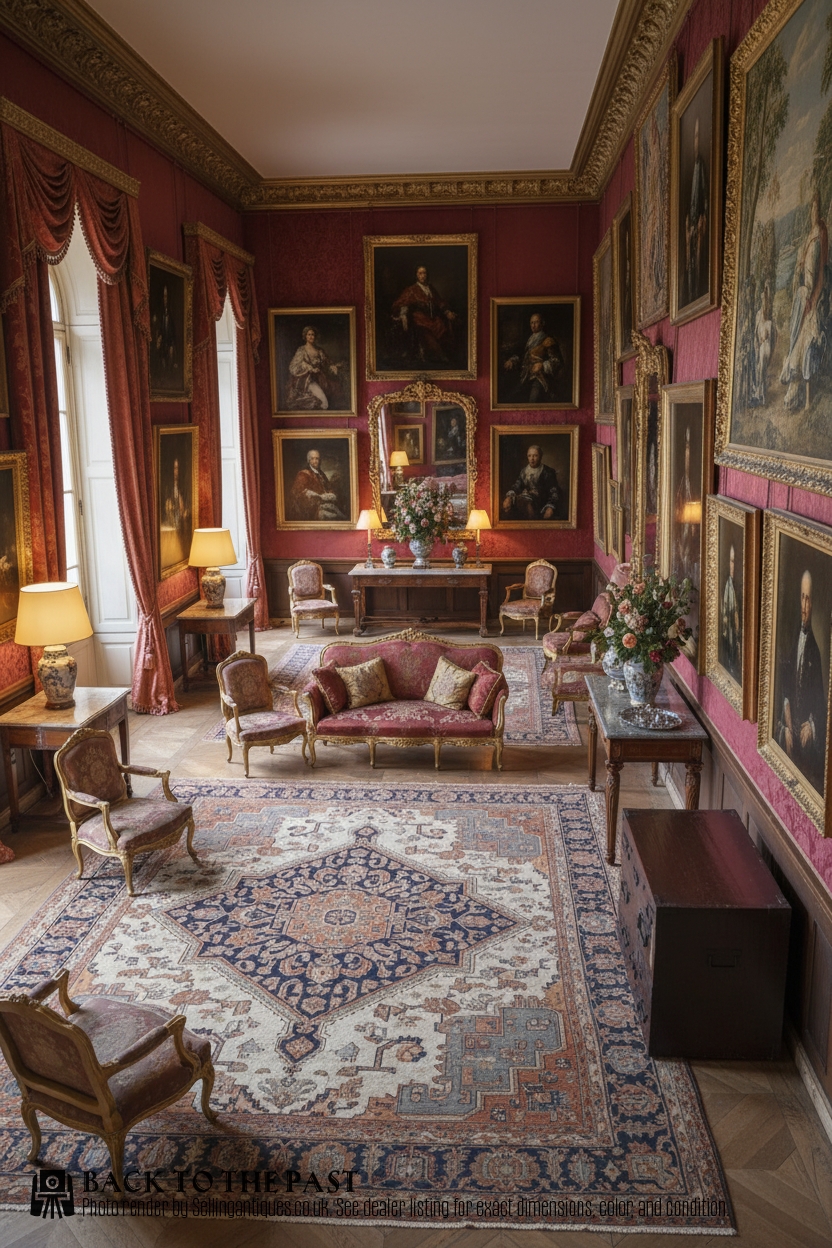
What these pieces are
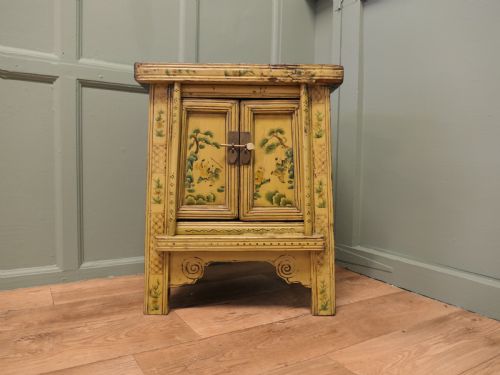
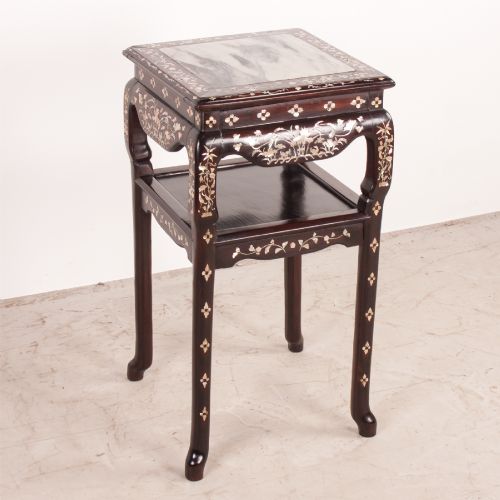
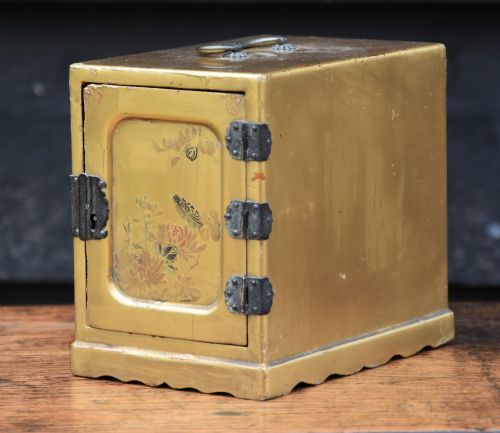
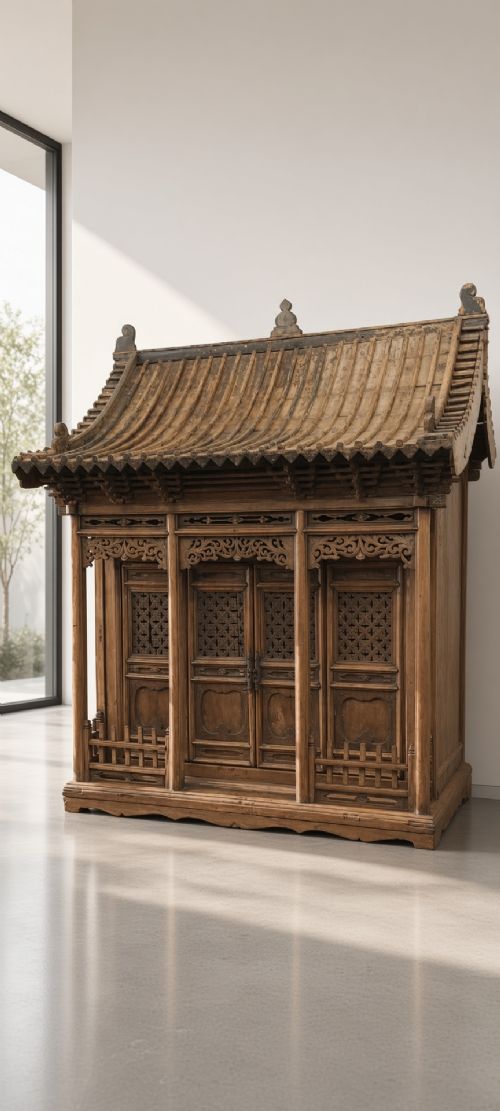
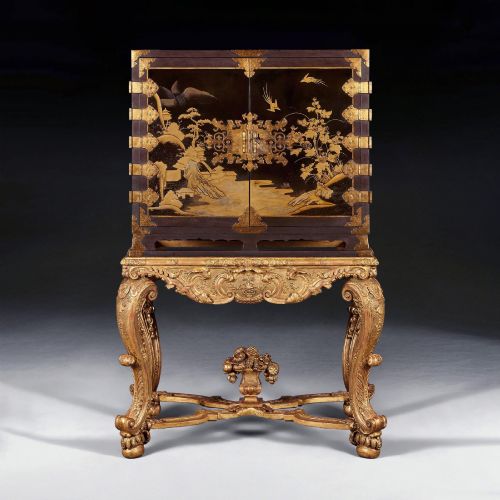
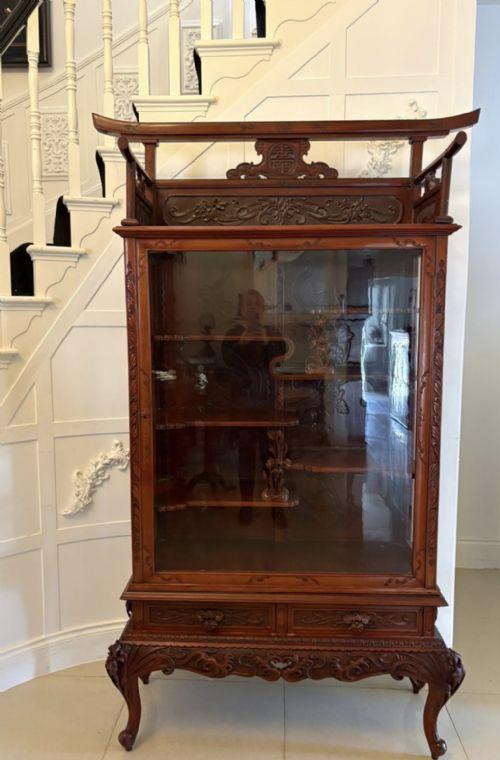
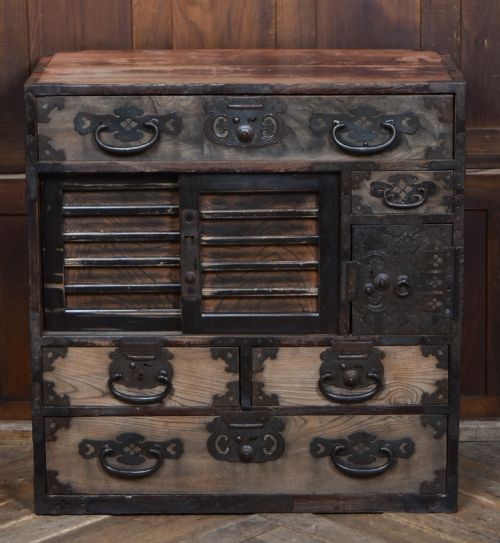
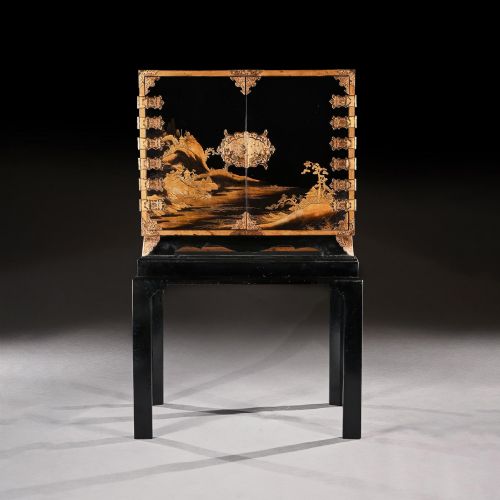
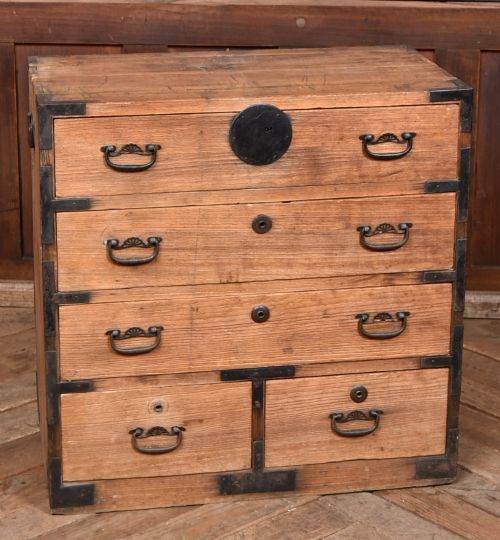
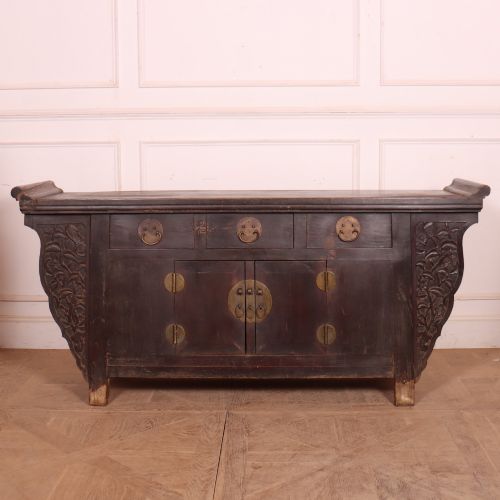
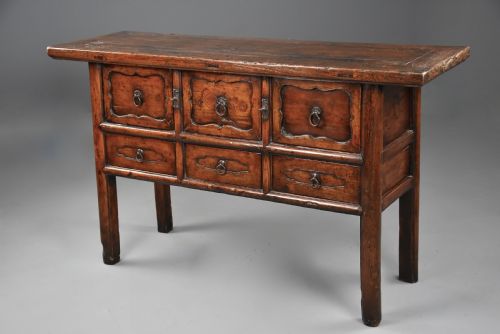
When searching for an antique asian cabinet, a buyer explores a diverse selection of storage furniture including sideboards, armoires, chests, and display cabinets. These pieces originate from traditions spanning Chinese provincial designs, Qing dynasty works, Korean Joseon style pieces, and Japanese Meiji period items.
Earlier examples date from around eighteen hundred and the nineteenth century, extending through to early twentieth century productions. Each piece serves both a practical storage function and a distinct decorative role within an interior.
How they were made
Construction relies primarily on timbers such as elm, burr elm, and general wood, paired with metal components like brass and iron hardware. Artisans utilised traditional joinery and finishing techniques appropriate to each region and workshop.
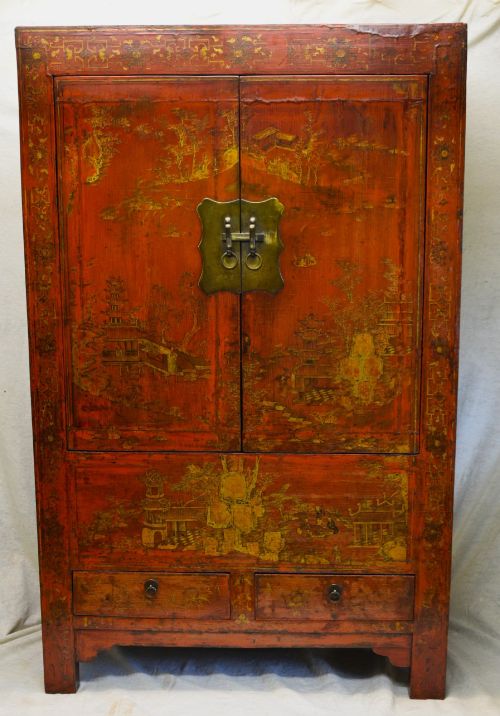
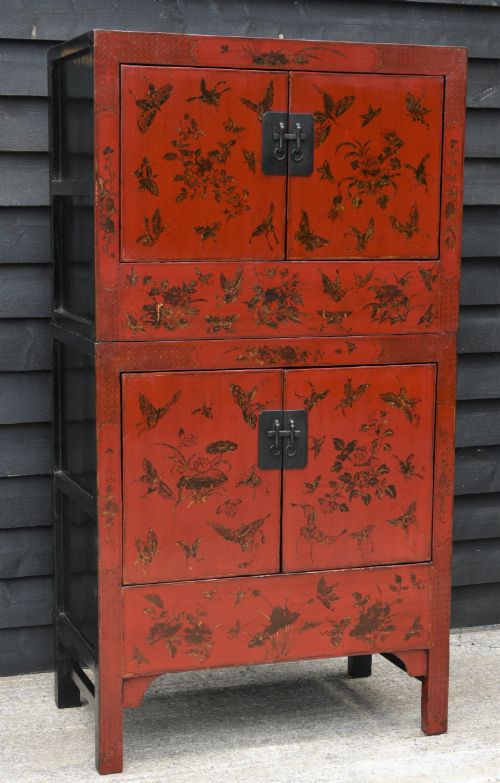
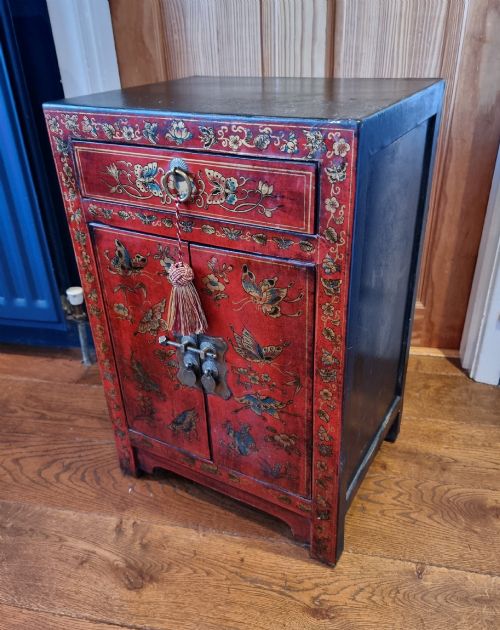
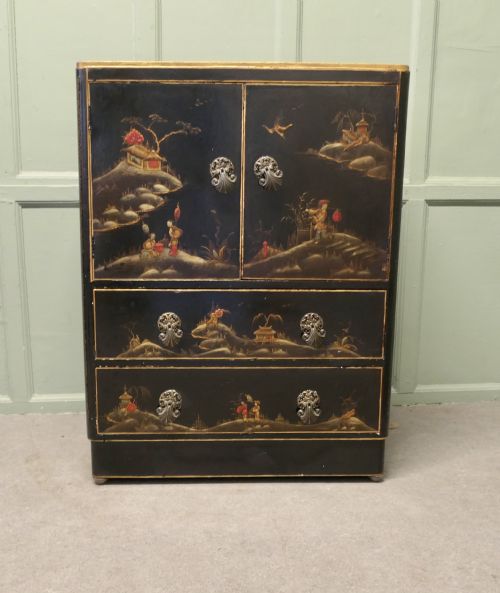
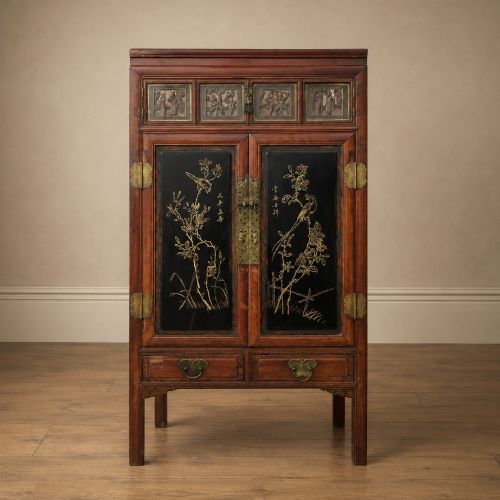
Surfaces frequently showcase applied treatments including red lacquer, red urushi lacquer, paint, and hand painted gilt decor. Original hardware such as brass mountings and locks secure the wooden structures while adding functional detail.
Retail Price Guide 2026
Typical UK retail prices for asian cabinet, calculated from the Sellingantiques database of over a million retail prices indexed since 2003. This retail price guide relies exclusively on Sellingantiques data; no external sources or auction records are used, so the figures do not describe the wider market.
Marriage cabinets were built to hold a bride's belongings, carrying quiet hopes inside their red lacquered doors.
What varies in quality
Quality differences rest in the preservation of original surfaces, such as untouched paint, patinated elm, and intact lacquer finishes. Pieces retaining their original brass or iron hardware and uncompromised structural integrity command greater appreciation.
The refinement of the woodwork, the depth of the lacquer application, and the complexity of regional styles distinguish standard utility pieces from exceptional examples of craftsmanship.
The Antique Asian Cabinet Glossary
- Elm
- A durable hardwood commonly used in Chinese cabinet construction for its strong grain and stability. It forms the primary structure of many provincial and storage pieces.
- Lacquer
- A natural resin finish applied to wooden furniture to provide a hard, glossy, and protective coating. Red urushi lacquer represents a specific traditional formulation.
- Tansu
- A traditional Japanese mobile chest of drawers utilised for storage and transport. These pieces often feature prominent iron or brass hardware.
- Patina
- The surface sheen and texture developed on wood and metal through age and handling. A fine patina indicates natural wear over decades.
- Chinoiserie
- European decorative style reflecting Chinese artistic influences. This style appears on later export and decorative cabinets.
Frequently Asked Questions
Where were these cabinets placed in traditional homes?
These storage pieces were utilised in main living quarters, bedrooms, and halls to store clothing, linens, and domestic goods. Their physical presence and closed storage helped organise traditional interiors.
Larger armoires and marriage cabinets served as central furniture pieces in family spaces, while smaller chests functioned as portable storage units.
How do I care for a lacquered wooden cabinet?
Maintain lacquered and wooden surfaces by dusting gently with a soft, dry cloth and avoiding harsh chemical cleaners. Keep the furniture away from direct sunlight and steady moisture sources to protect the finish.
Stable indoor humidity levels prevent the wood from expanding or contracting, which preserves both the timber and the original hardware.
What is the difference between Chinese and Japanese regional styles?
Chinese regional pieces often highlight the natural grain of elm and feature substantial brass backplates, whereas Japanese tansu focus on functional drawer arrangements with prominent iron bracing.
Each regional style reflects local materials, woodworking traditions, and domestic requirements specific to its period of origin.
Are these cabinets suitable for modern storage use?
These cabinets provide functional shelving and enclosed compartments that accommodate contemporary storage needs while adding historical character to a room. Their interior configurations adapt well to modern living spaces.
Placing them in hallways, living rooms, or dining areas allows them to function as sideboards, display units, or general storage cupboards.