
Black Lacquered Cabinet
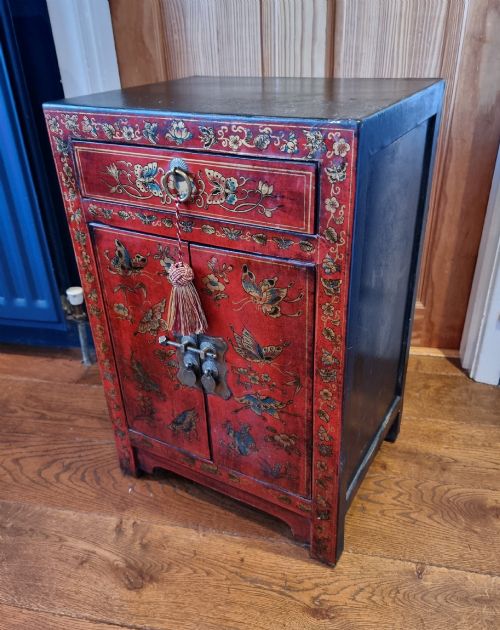
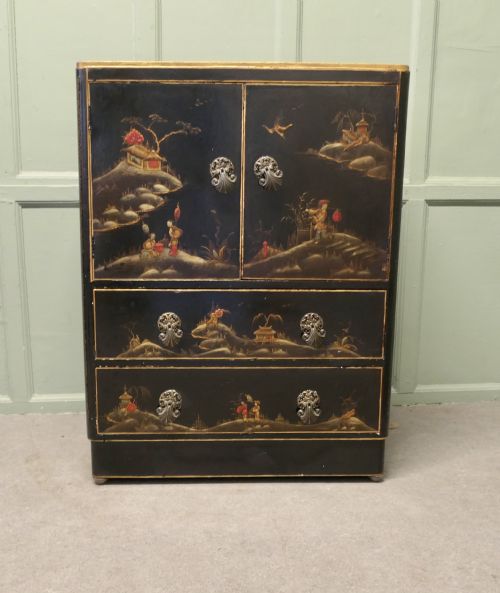
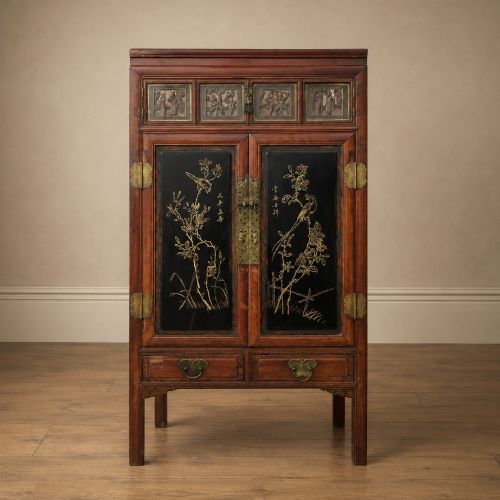
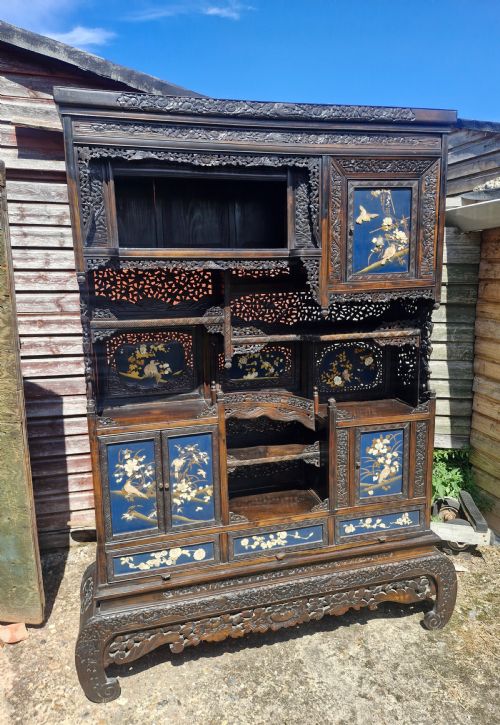
These black lacquered cabinet examples bring together lacquer, gilt, and brass across periods from the seventeenth century onwards.
Identifying black lacquered cabinet examples
A black lacquered cabinet encompasses forms such as cabinets on stand, corner cupboards, chiffoniers, and table cabinets. These pieces emerge across the seventeenth century, eighteenth century, Regency period, Victorian era, and Edwardian period, alongside Japanese and Chinese examples.
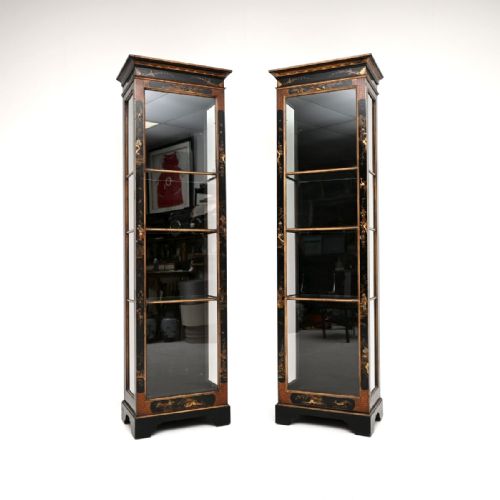
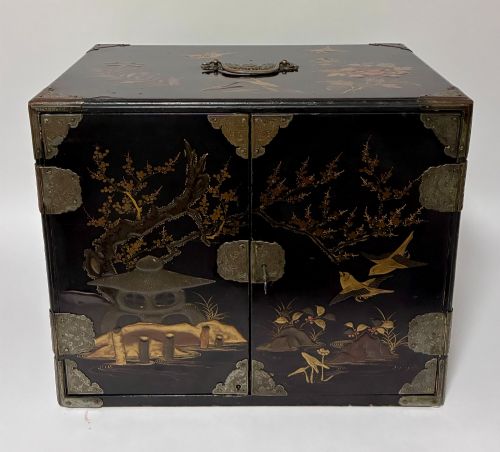
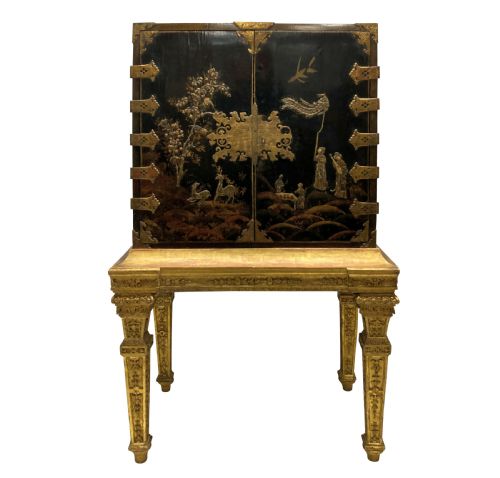
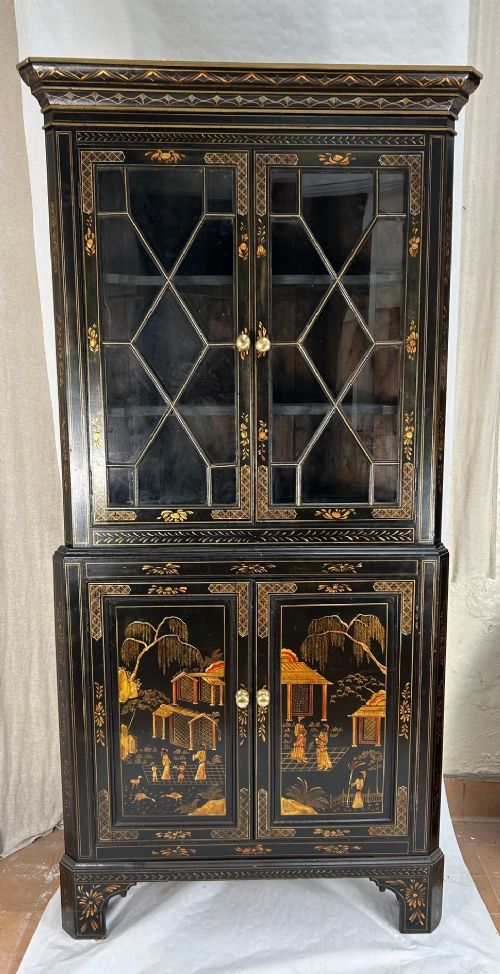
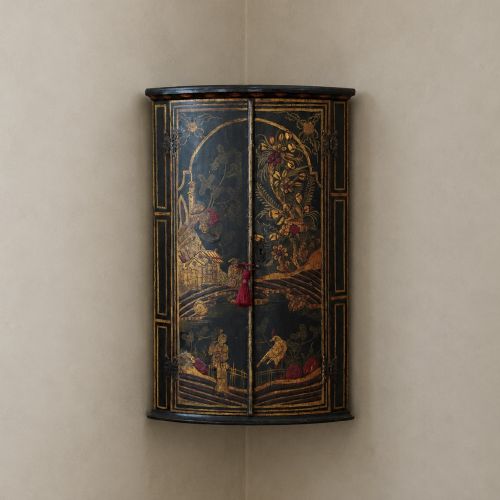
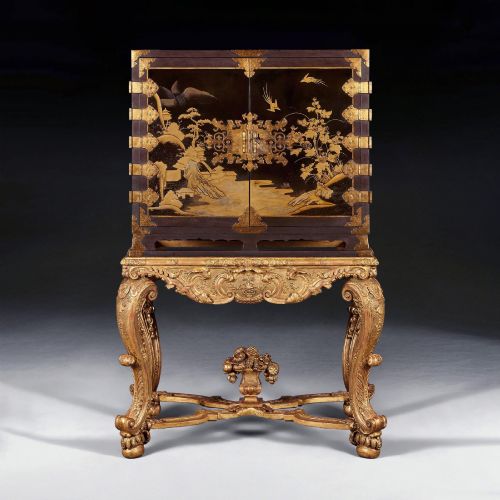
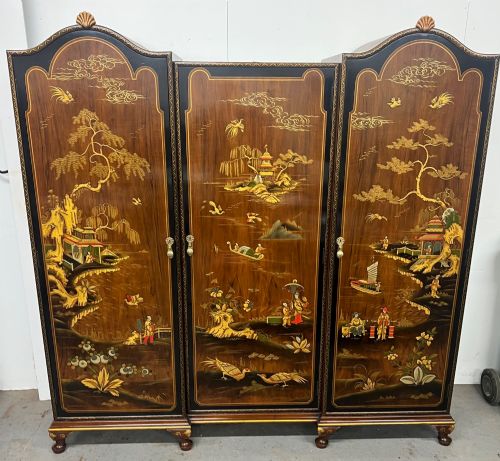
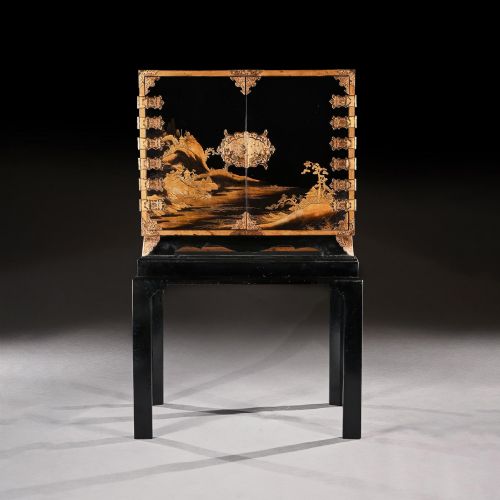
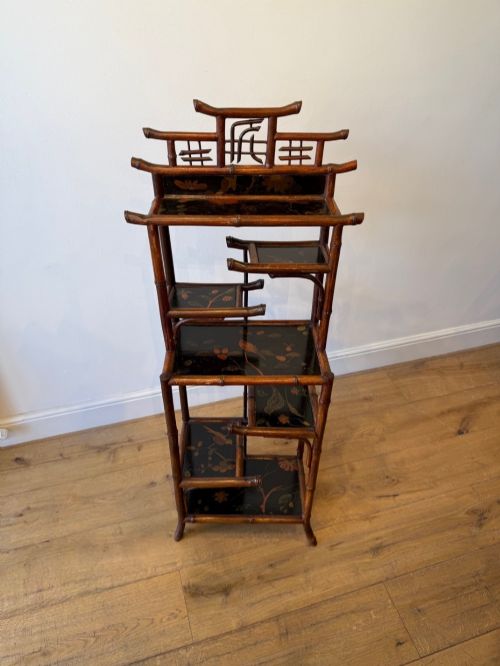
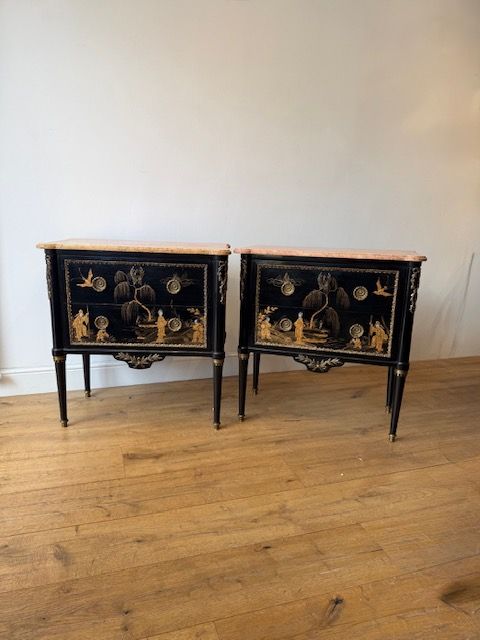
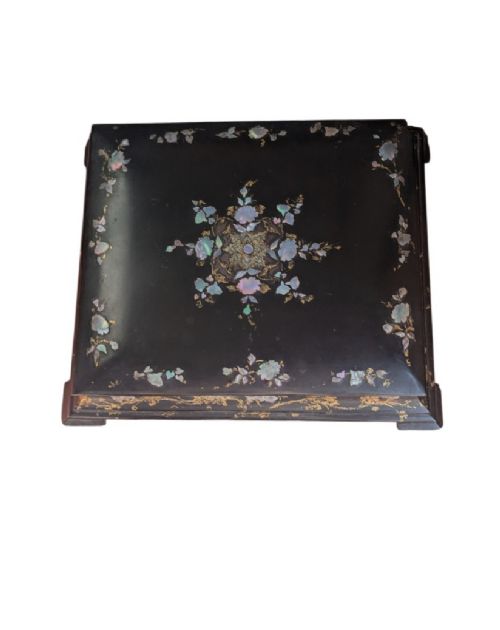
The most common formats on this page are cabinets on stand and corner cabinets decorated in Chinoiserie styles, alongside ebonised wood and Japanned lacquer surfaces. Buyers encounter forms ranging from large display pieces with glass and Sevres plaques to compact table cabinets.
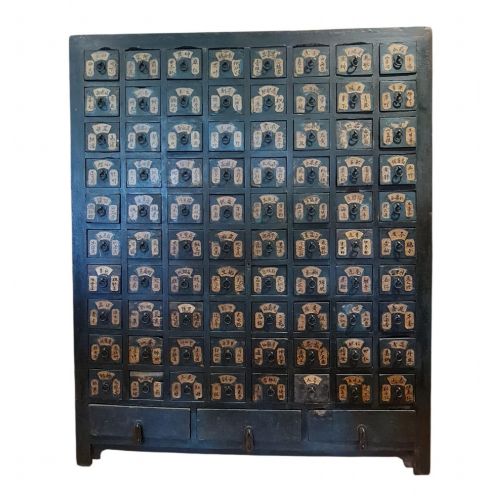
Origins span English workshops working in Regency and William and Mary styles, alongside Asian export pieces including Korean Joseon style chests and Japanese Meiji period items.
Materials and construction methods
Construction relies upon wood carcasses finished with lacquer, ebonised wood, and giltwood. Makers applied layers of black lacquer to form deep surfaces, often embellished with gilt decoration and paint.
Metalwork plays a structural and decorative role, incorporating brass, engraved brass, and ormolu mounts to secure doors, corners, and stands.
Retail Price Guide 2026
Typical UK retail prices for black lacquered cabinet, calculated from the Sellingantiques database of over a million retail prices indexed since 2003. This retail price guide relies exclusively on Sellingantiques data; no external sources or auction records are used, so the figures do not describe the wider market.
Object types include corner cabinets, side cabinets, and cabinets on stand decorated in Chinoiserie.
Distinctions in quality
Quality differentiates through the depth and preservation of the lacquer work and Chinoiserie decoration, separating standard surface finishes from intricate painted and gilt scenes.
The integration of mounts, such as engraved brass, ormolu, and glass elements, marks the distinction between simpler utility pieces and elaborate display cabinets on stands.
The Black Lacquered Cabinet Glossary
- Chinoiserie
- European interpretation of Chinese and East Asian artistic traditions, frequently seen on lacquer furniture. This style uses motifs of figures, landscapes, and pavilions rendered in gold upon dark surfaces.
- Japanned lacquer
- European imitation of Asian lacquerwork created using layers of varnish and metallic dust. Artisans built up dark grounds before applying raised gilt decoration.
- Ebonised wood
- Timber treated with chemical stains or dark paint to imitate expensive ebony. This finish provides a dark, uniform surface common on Victorian display pieces.
- Cabinet on stand
- A storage enclosure raised upon a separate supporting frame or legs. This form elevates the main compartment to display decorative surfaces at eye level.
- Penwork
- Decorative technique utilising ink drawings on wood surfaces, often finished with protective varnish. This method creates fine monochrome detail on Regency table cabinets.
Frequently Asked Questions
What periods do these cabinets cover?
The selection spans from seventeenth century William and Mary pieces through eighteenth century examples, Regency designs, Victorian and Edwardian periods, up to the early twentieth century.
Asian export pieces from Chinese and Japanese traditions also appear alongside English interpretations.
How are corner cabinets structured?
Corner cupboards and cabinets utilise angled sides designed to fit directly into room corners. They provide enclosed shelving while saving floor space.
Many feature glazed doors or decorated panels suited for display.
What is a cabinet on stand?
A cabinet on stand consists of a main storage box placed upon a distinct supporting framework of legs. This elevated form highlights the decorated surfaces of the lower and upper sections.
Stands often feature matching lacquerwork or contrasting timber.
How do table cabinets differ from large pieces?
Table cabinets are smaller storage units designed to sit upon furniture surfaces rather than directly on the floor. They frequently contain multiple small drawers or compartments.
Examples include shodana styles and penwork collector cabinets.
What materials are used for decoration?
Decoration relies upon black lacquer, gilt paint, brass hinges, and engraved brass mounts. Some Victorian variations incorporate Sevres porcelain plaques and glass panels.
Surfaces range from smooth ebonised wood to intricate Chinoiserie landscapes.