
English Regency Cabinet
An english regency cabinet brings architectural clarity and rich timbers to a room, offering refined storage for books, papers, or precious collections.
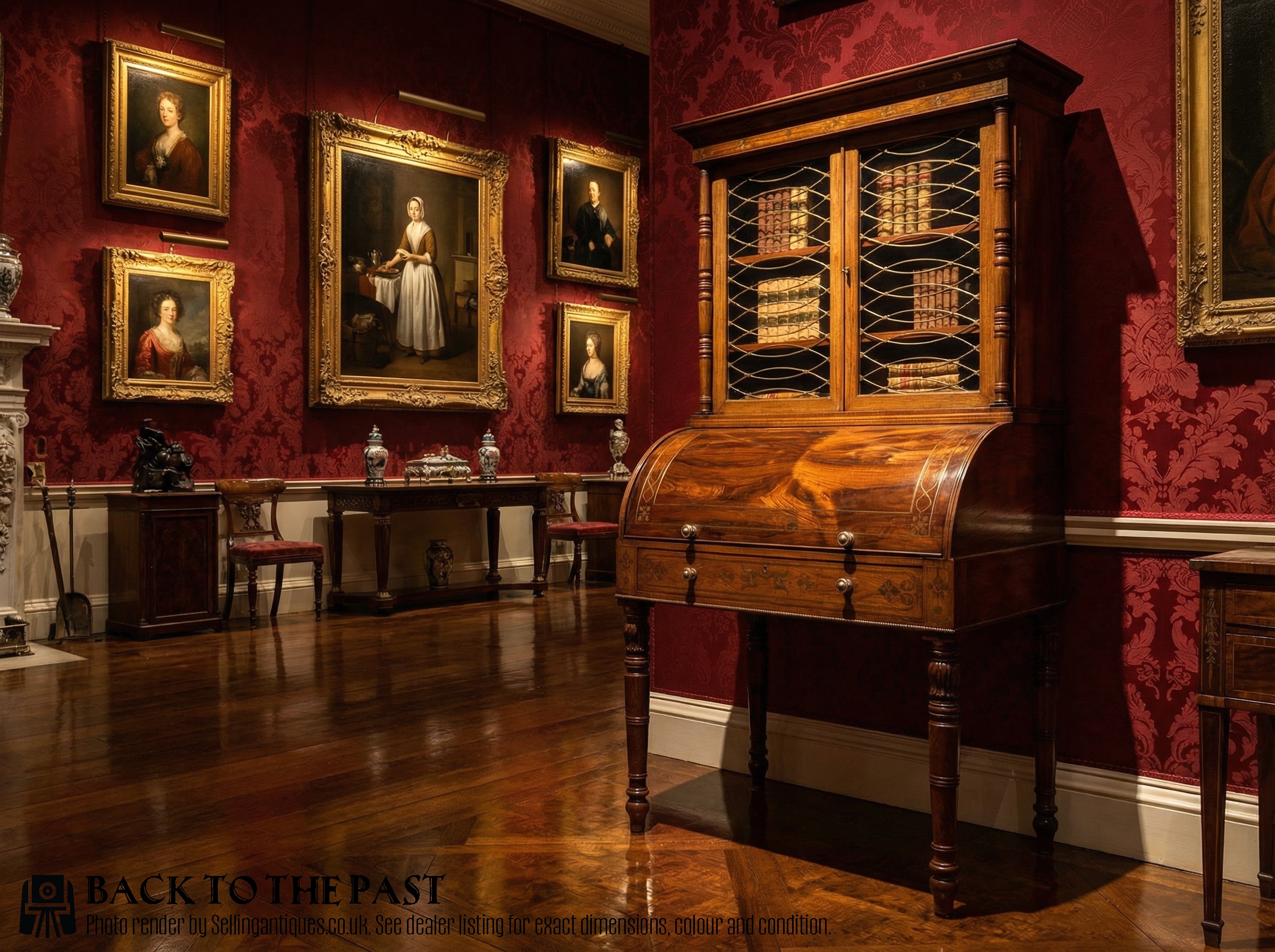
The English Regency Cabinet
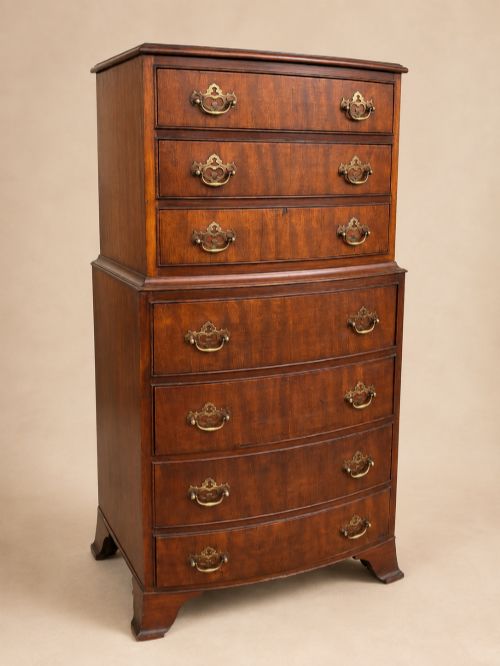
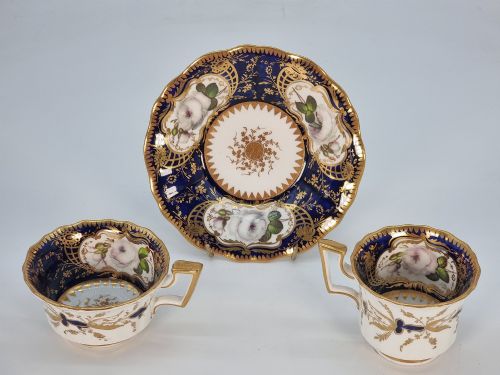
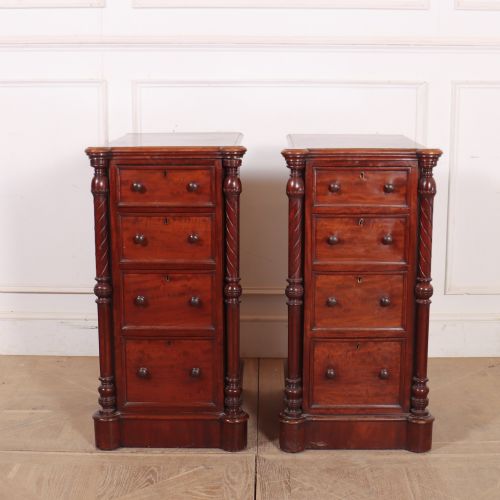
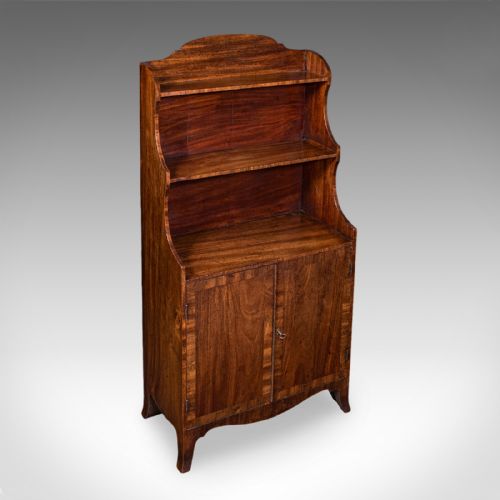
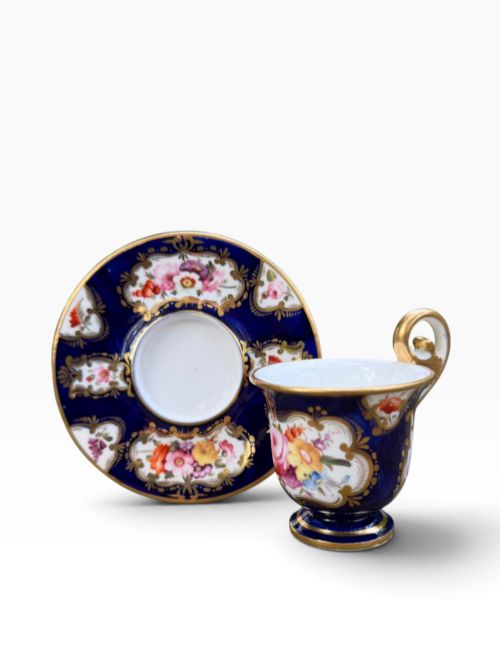
When searching for an english regency cabinet, a buyer encounters a disciplined range of forms spanning side cabinets, chiffoniers, secretaires, and tabletop display cases. These pieces originate primarily from the Regency period and the early nineteenth century, reflecting the classical restraint and structural symmetry of the era.
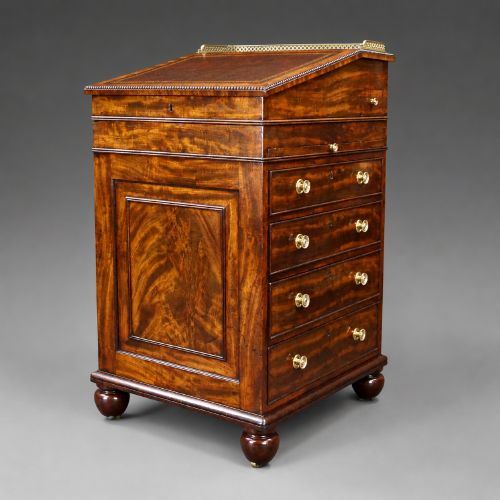
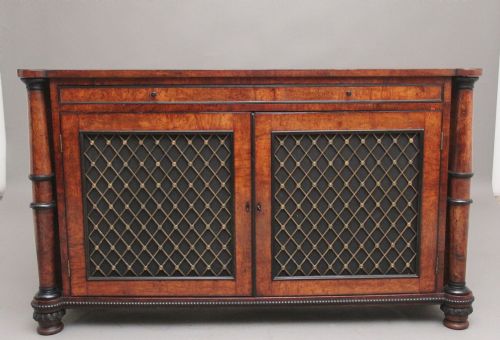
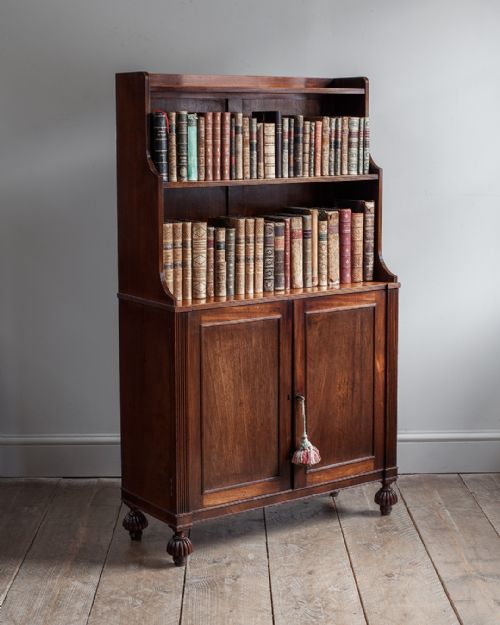
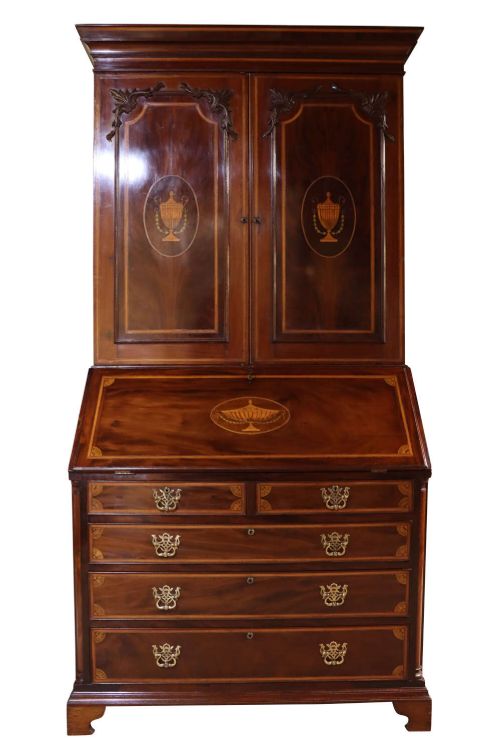
The version most commonly met on this page is the rosewood or mahogany side cabinet, often fitted with brass inlays, glass doors, or a raised shelf back. Alongside these stand compact table cabinets, folio chests, and secretaire variants that combine writing surfaces with enclosed shelving.
Makers of the period adapted traditional storage needs to lighter, more portable formats, resulting in cabinets suited for drawing rooms, libraries, and private studies. The stylistic vocabulary draws heavily on architectural motifs, turning functional storage into ornamental furniture.
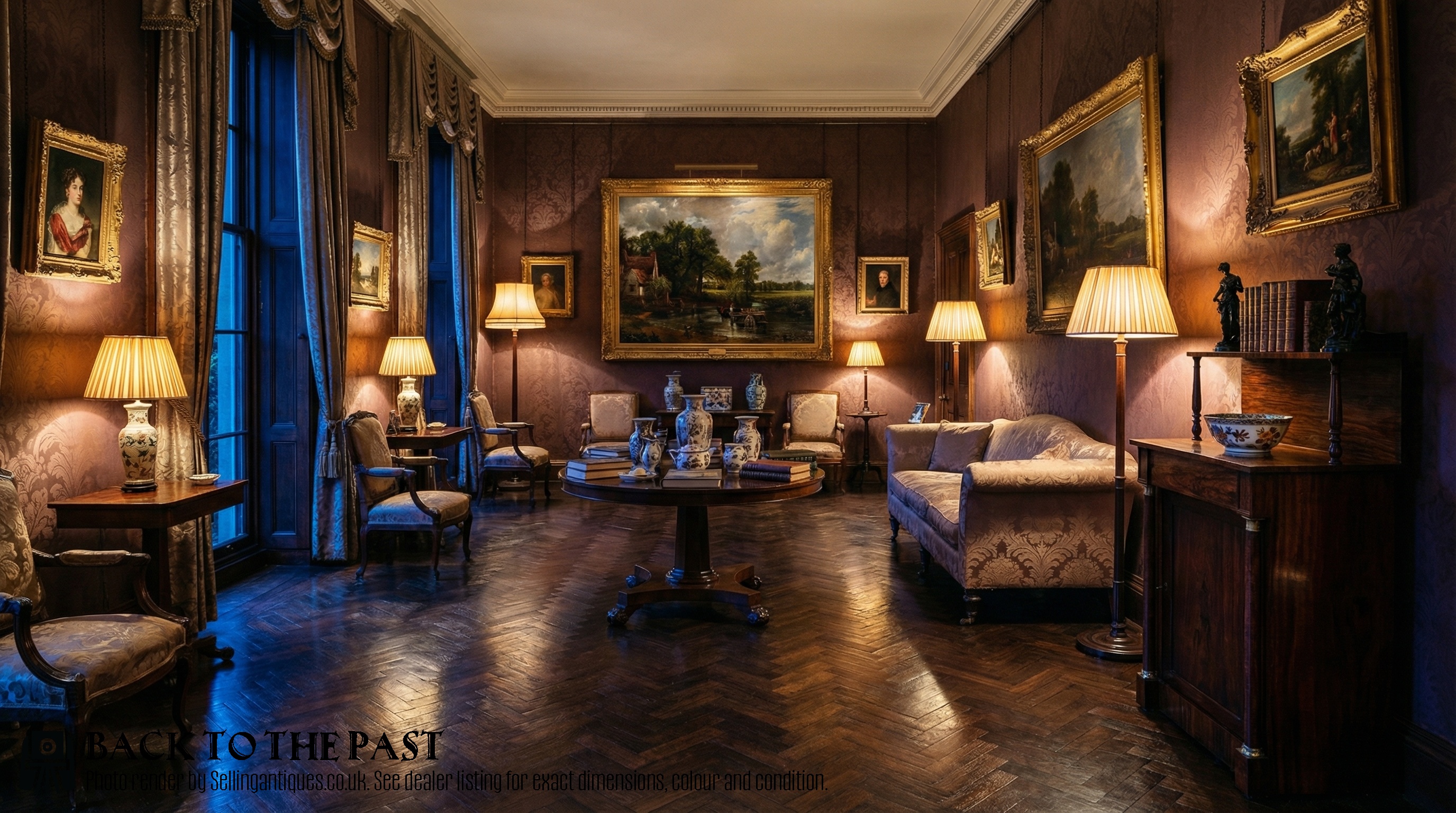
Materials and Construction
Cabinet makers utilised dense exotic and native timbers, most notably rosewood and mahogany, supplemented by decorative veneers of birds eye maple, satin wood, cedarwood, and burr walnut. Solid pine often served as a secondary wood for internal carcases and drawer linings.
Surface enrichment relied on precise brass line inlays, penwork decoration, hand-painted Chinoiserie motifs, and contrasting crossbanding in boxwood or ebony. Glazed doors utilised delicate astragal bars to divide glass panes, while specialised pieces incorporated mirror glass, fabric linings, and ivory details.
Retail Price Guide 2026
Typical UK retail prices for english regency cabinet, calculated from the Sellingantiques database of over a million retail prices indexed since 2003. This retail price guide relies exclusively on Sellingantiques data; no external sources or auction records are used, so the figures do not describe the wider market.
Listings feature woods such as rosewood, mahogany, cedarwood, and birds eye maple alongside brass inlay and penwork decoration.
Markers of Distinction
Quality in an english regency cabinet rests upon the selection of timber veneers and the precision of decorative embellishments. Grain matching across drawer fronts and cabinet doors separates standard output from superior examples.
The refinement of brass inlay work and the intricacy of penwork or hand-painted details indicate the workshop's standing. Structural integrity depends on the tightness of cabinet joinery and the survival of original surface finishes.
Gillows
The English Regency Cabinet Glossary
- Chiffonier
- A low cabinet equipped with shelves and enclosed cupboards, frequently featuring a raised tier at the back supported by pillars. This form evolved during the Regency era to serve dining rooms and drawing rooms.
- Secretaire
- A cabinet incorporating a pull-down writing flap that conceals a fitted interior of small drawers and pigeonholes. It combines the utility of a desk with the enclosed storage of a chest.
- Penwork
- A decorative technique utilising India ink applied to a prepared timber surface to create intricate linear designs resembling engravings. It appears on portable table cabinets and small boxes.
- Astragal
- A moulded strip of wood or metal used to hold glass panes within a door or window frame. Fine astragal bars create geometric patterns across display cabinets.
- Crossbanding
- A narrow strip of veneer laid across the grain of the primary timber around the border of a panel or drawer front. This technique frames the surface and highlights the central grain.
Frequently Asked Questions
What is an english regency cabinet used for?
These cabinets serve multiple domestic functions, from housing book collections and display porcelain to storing stationery and writing implements. Smaller formats operate effectively as bedside stands or lamp tables.
Larger sideboards and chiffoniers provide surface display space alongside enclosed lower storage for dining or living room accessories.
How do I identify a genuine period piece?
Examine the timber selection, secondary woods like pine, and the construction methods used in drawer linings and back panels. Period pieces display hand-cut joinery and aged patination consistent with early nineteenth-century manufacturing.
Decorative details such as brass line inlays and penwork should integrate naturally into the structure rather than appear as later additions.
Where should I place a cabinet in my home?
Drawing rooms and libraries provide traditional settings where glazed display cabinets and folio chests can house books or collections. Compact side cabinets and table variants suit smaller spaces, hallways, or studies.
Ensure timber pieces avoid direct sunlight and rapid temperature fluctuations to protect delicate veneers and original finishes.
What distinguishes a chiffonier from a side cabinet?
A chiffonier typically includes a raised shelf superstructure at the rear, supported by columns or scrolling brackets above the main storage surface. Side cabinets offer a flat top surface without the elevated rear tier.
Both forms utilise enclosed cupboards or open shelving beneath the main surface level.