

Antique Tabletop Chest
An antique tabletop chest offers compact scale and partitioned drawers, bringing historical utility and fine timber work directly to a desk or sideboard.
Antique Tabletop Chest
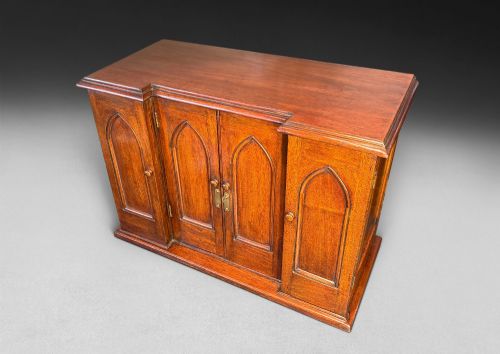
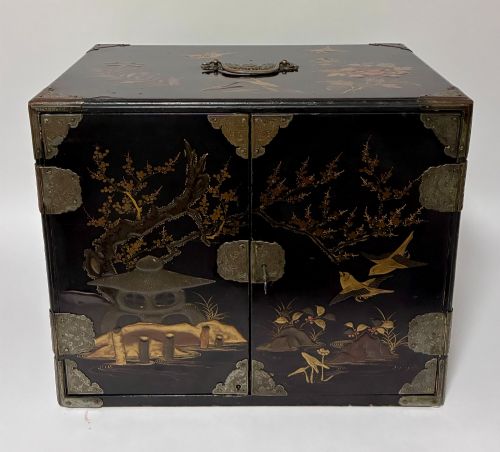
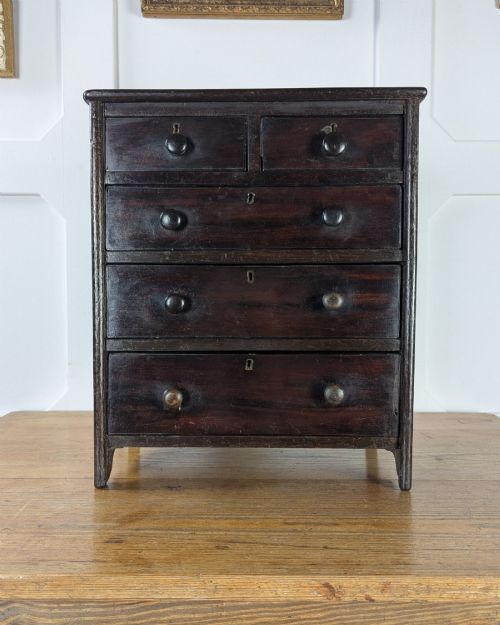
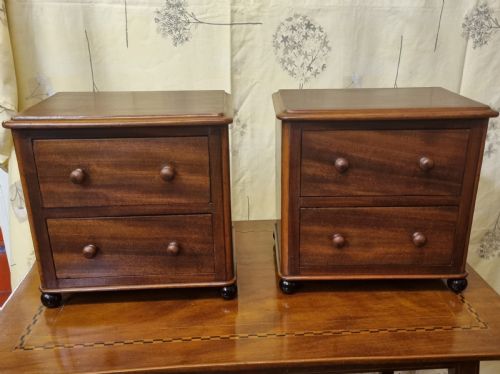
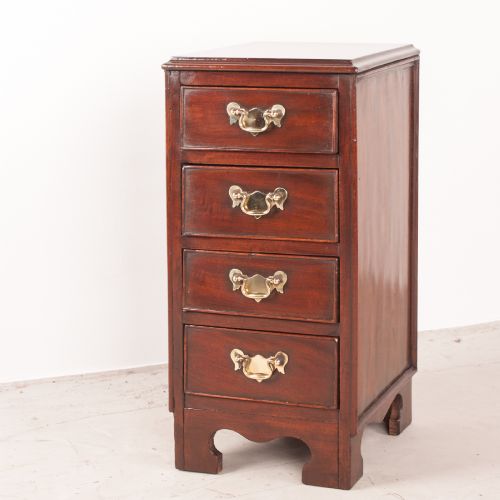
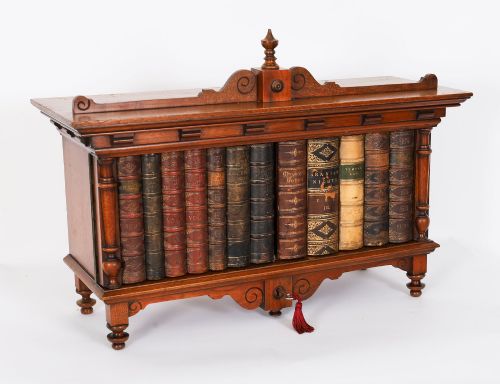
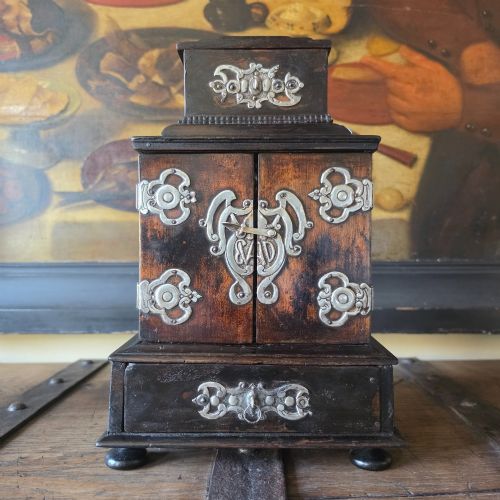
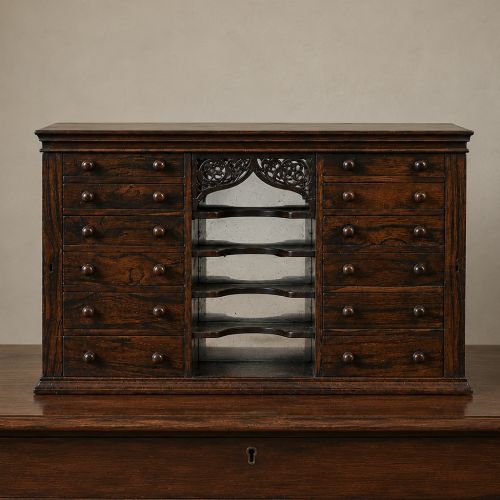
An antique tabletop chest functions as a scaled-down storage piece designed for the surface of a desk, table, or sideboard. The selection spans miniature chests of drawers, spice cupboards, jewellery cabinets, and specialist collector cabinets.
The periods represented stretch from the 17th century through the Georgian, Regency, and Victorian eras up to the early 20th century. Mahogany and oak dominate the forms, alongside walnut, pine, rosewood, and exotic hardwoods.
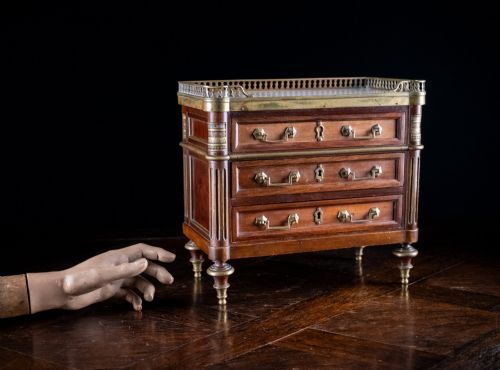
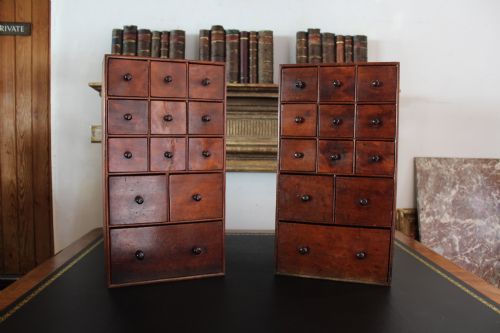
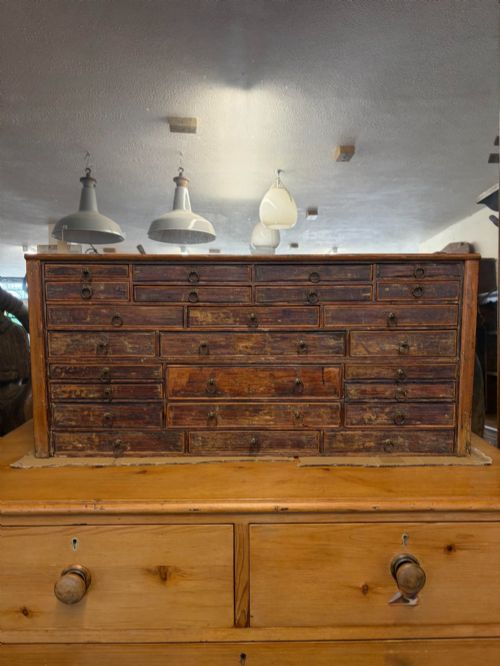
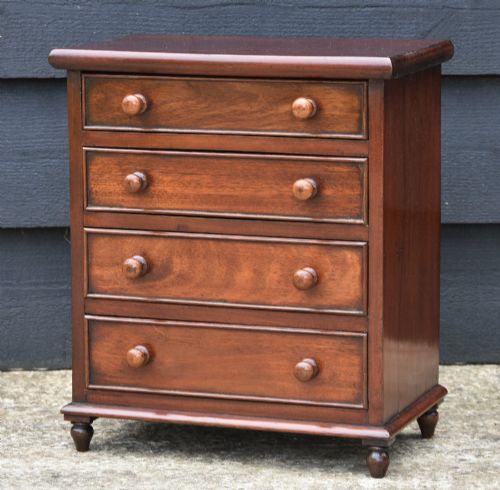
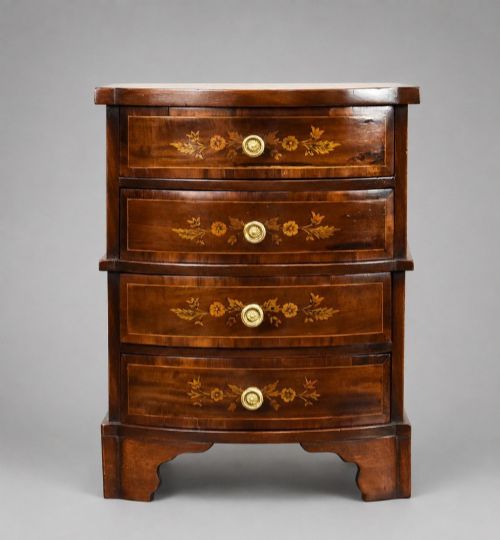
Miniature chests of drawers and apprentice pieces form a large part of the available range, often mirroring full-sized furniture with working timber drawers and brass handles. Spice cupboards and specimen cabinets provide alternative internal layouts with multiple small drawers or fitted compartments.
How They Were Made
Cabinetmakers constructed these pieces using dense hardwoods like mahogany, oak, and walnut, frequently applying burr elm, satinwood, or rosewood veneers to primary surfaces. Secondary timbers such as pine appear on drawer linings and internal dividers.
Joinery methods rely on traditional dovetail joints for drawer construction, ensuring durability across miniature scales. Brass handles, escutcheons, locking mechanisms, and occasional mother-of-pearl inlay provide functional and decorative details.
Antique Tabletop Chest Retail Price Guide 2026
Typical asking prices for tabletop chest among the pieces listed under this phrase on Sellingantiques today, from the lower quarter to the upper quarter. They describe what is for sale here now, not the wider market.
Even tiny drawers need proper handles, turning a master carpenter's spare afternoon into a perfectly scaled chest of twenty-five tiny compartments.
What Varies in Quality
The refinement of the timber selection determines much of the distinction, particularly where figured veneers like burr elm or satinwood are matched across small drawer fronts. Superior execution shows in tight dovetail joints and flush-fitting drawers that move smoothly within their carcases.
Original hardware, including brass drop handles, escutcheons, and working locks with keys, elevates a piece significantly. The presence of specialised internal fittings, such as velvet-lined compartments or multi-drawer configurations for specimens and jewellery, marks out more ambitious workshops.
A. F. Lloyd·Luxmore's of Ilfracombe
The Antique Tabletop Chest Glossary
- Apprentice piece
- A small-scale item created by a trainee craftsman to demonstrate mastery of joinery and proportion before admission to a trade guild. These pieces often replicate standard domestic furniture.
- Specimen cabinet
- A specialised tabletop chest containing numerous shallow drawers designed for holding natural history collections such as insects, fossils, or bird eggs.
- Spice cupboard
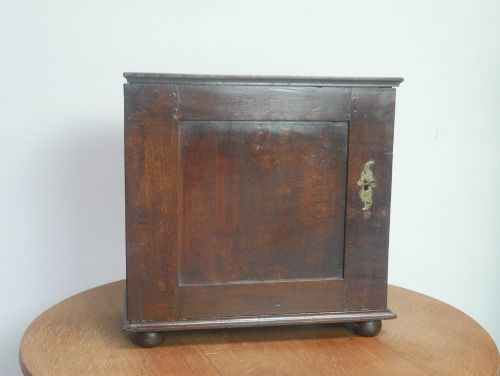
- A small wall-hanging or tabletop cabinet featuring a single panelled door enclosing an arrangement of small interior drawers for culinary or medicinal items.
- Wellington chest
- A tall, narrow chest featuring a hinged locking stile on one vertical edge that secures all the drawers simultaneously when locked.
- Dovetail joint
- An interlocking wood joint formed by wedge-shaped fingers, prized for its tensile strength in drawer construction.
Antique Tabletop Chest: Frequently Asked Questions
What were antique tabletop chests used for?
These chests served various purposes depending on their internal layout, ranging from holding spices and medicinal items to storing letters, jewellery, and small valuables. Collectors also utilised them to organise natural history specimens and coins.
Their compact dimensions allowed them to sit conveniently on larger pieces of furniture or desks, keeping frequently used items close at hand in private studies or bedrooms.
How do I date an antique tabletop chest?
Dating relies on examining the timber species, construction techniques, and hardware style. Earlier pieces from the 17th and 18th centuries typically feature solid oak or walnut with hand-cut dovetails and pegged frames.
Victorian and later examples often introduce mahogany, rosewood veneers, machine-sawn components, and factory-made brass locks. Design motifs like Gothic Revival or Regency styling also provide clear chronological markers.
How should I care for a wood tabletop chest?
Protect wooden surfaces by keeping the chest away from direct sunlight and strong heat sources, which can dry out timber and cause veneers to lift. Maintain a stable indoor humidity level to prevent wood movement.
Dust regularly with a dry, soft cloth and apply a quality beeswax polish sparingly to nourish the polished timber finish without building up residue.