

Kingwood Chest of Drawers
A kingwood chest of drawers brings warmth and intricate geometric grain patterns to an interior, bridging 18th-century cabinetmaking and later revival pieces.

Kingwood Chest of Drawers
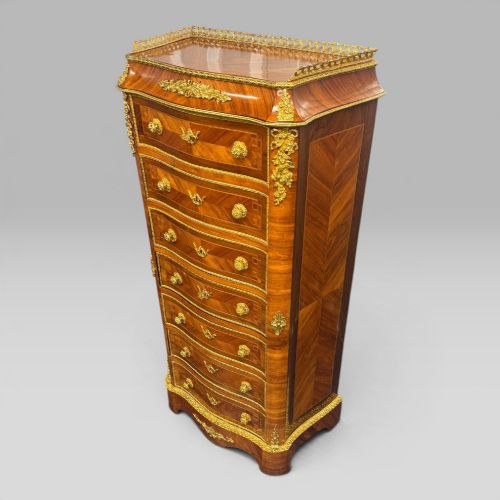
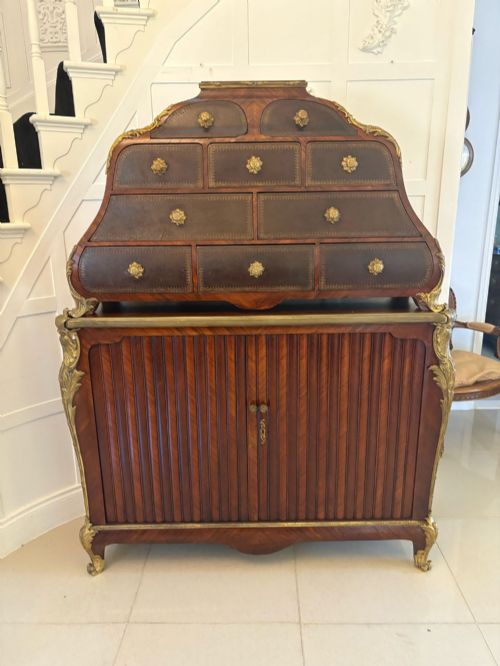
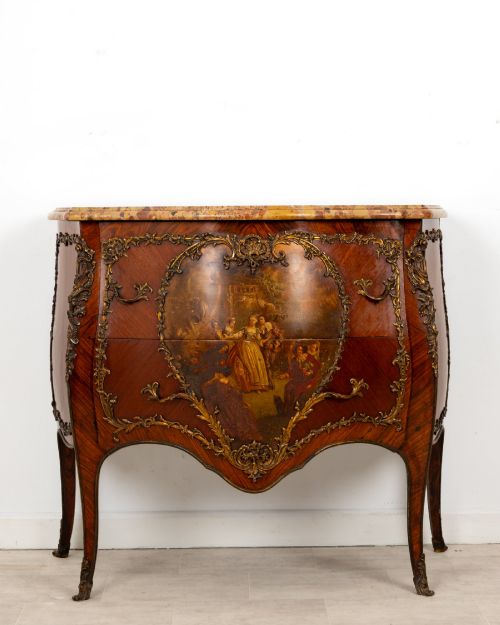
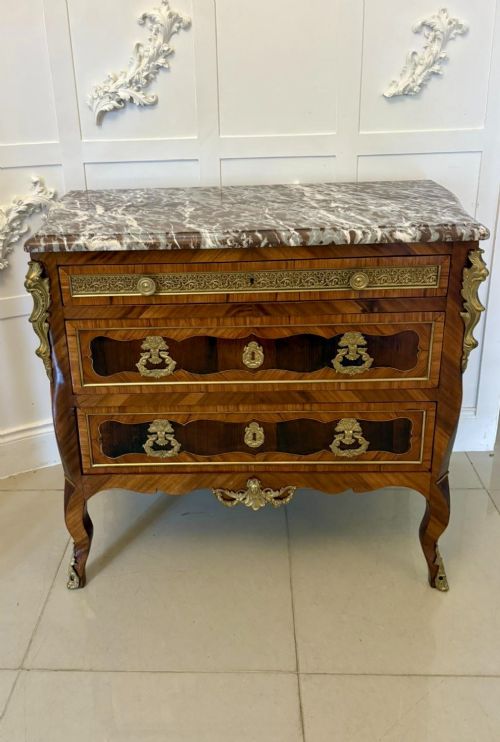
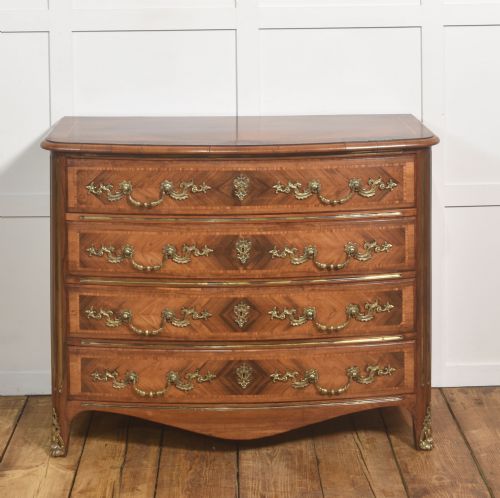
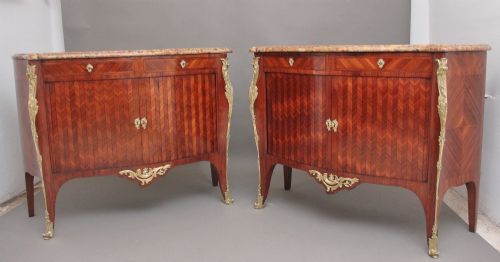
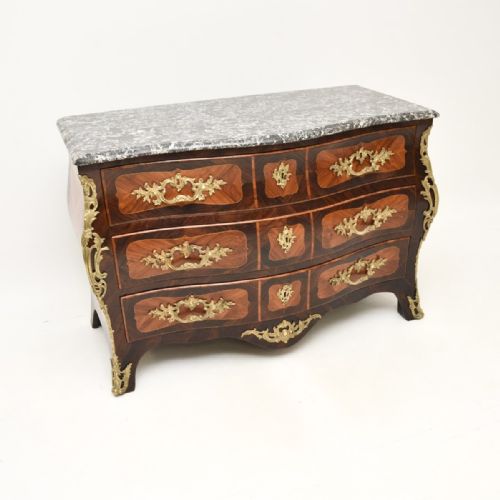
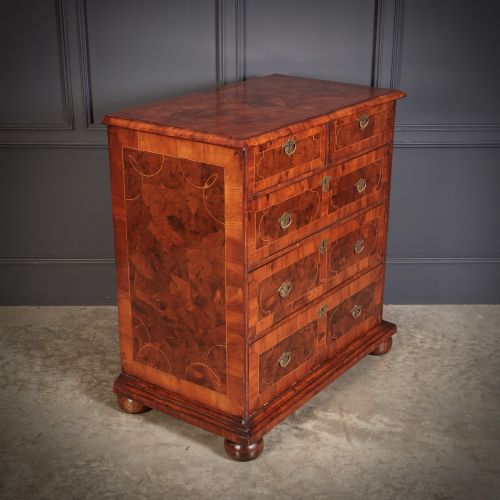
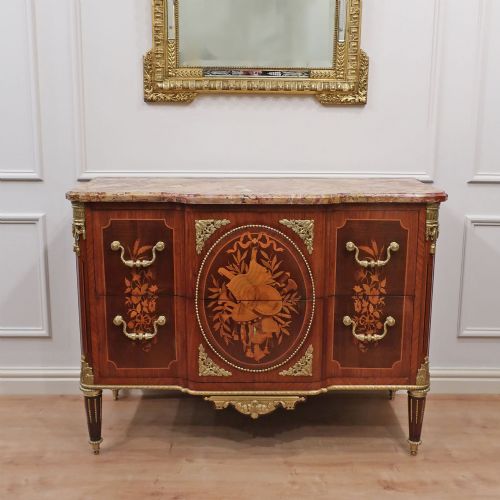
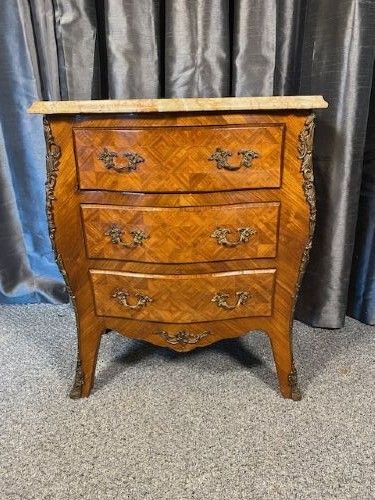
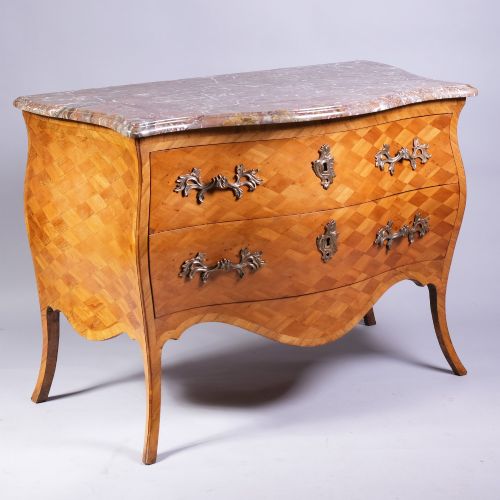
When you search for a kingwood chest of drawers, you encounter pieces spanning from the 18th century through to the early 20th century, with the 19th-century French commode being the most prevalent form on this page.
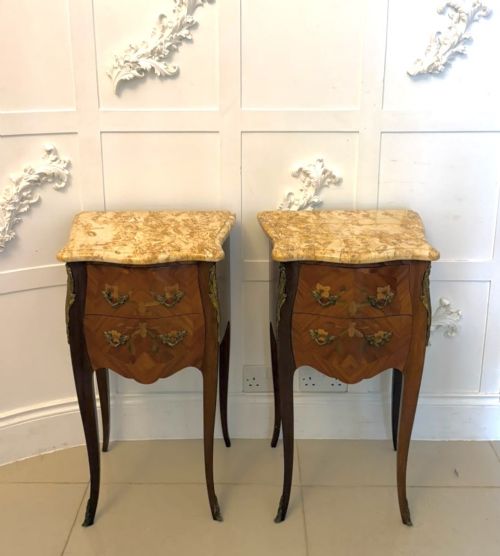
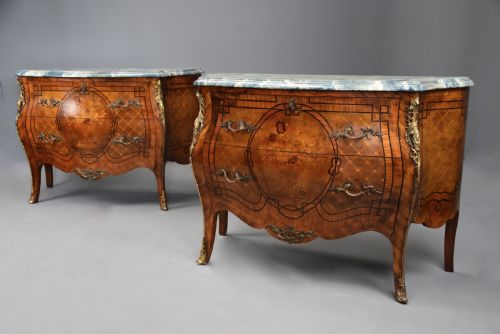
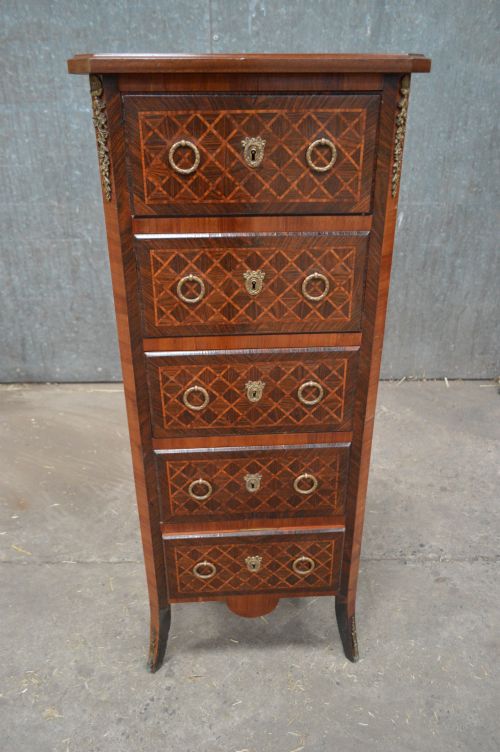
These items range from large serpentine and bombe commodes fitted with marble tops to smaller bedside cabinets, nightstands, and tall chests.
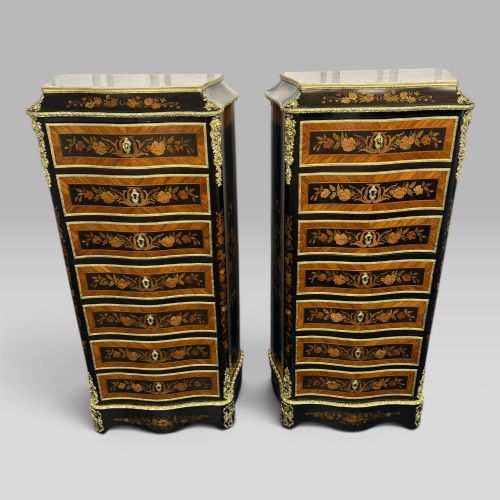
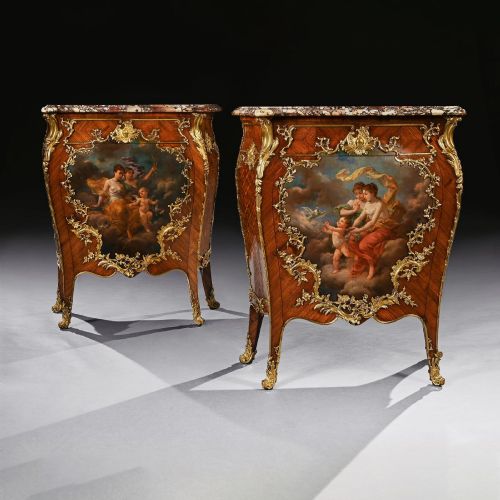
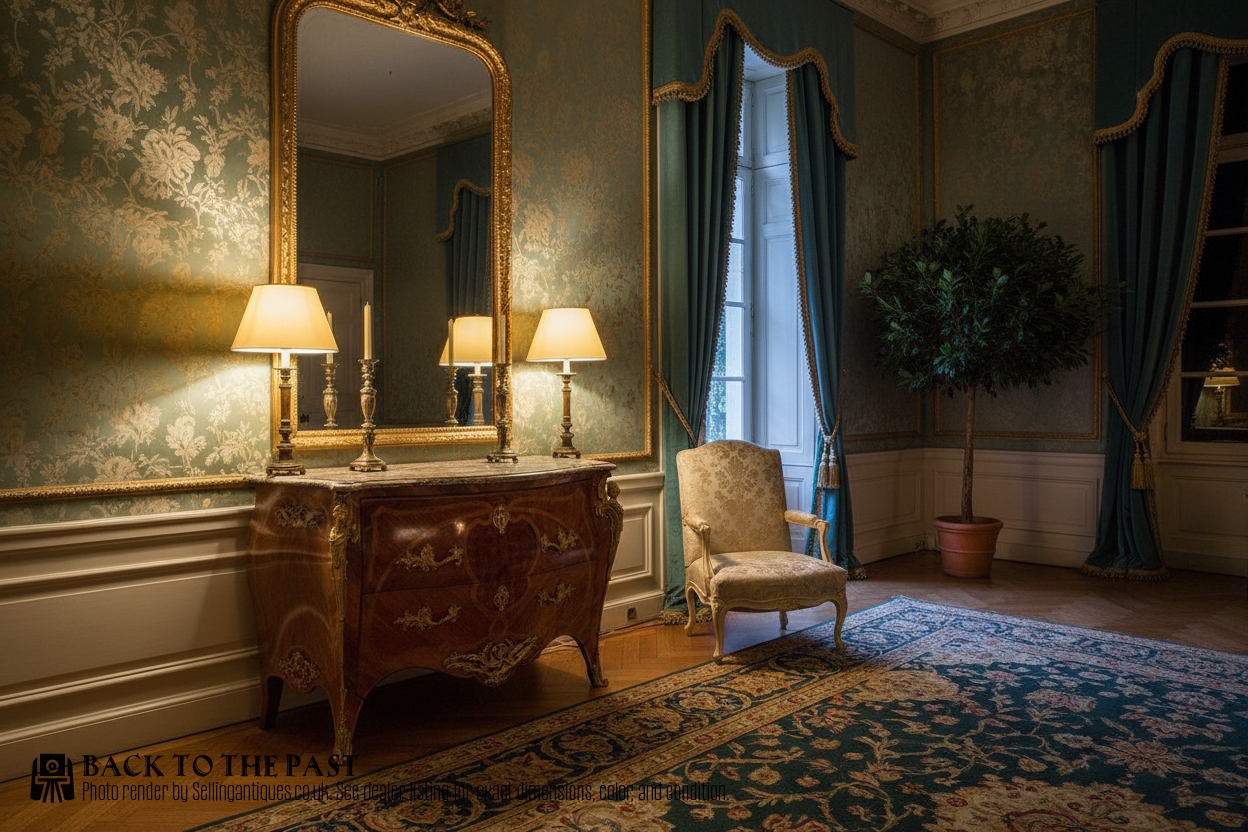
The aesthetic heavily reflects French taste, particularly Louis XV and Louis XVI styles, incorporating elaborate marquetry and parquetry alongside freestanding bedside configurations.

Materials and construction methods
Cabinetmakers utilised dense kingwood veneers laid in geometric parquetry or floral marquetry patterns over supportive secondary timbers like walnut and oak.
Many examples incorporate heavy ormolu, gilt-bronze, or brass mounts cast and chased to accentuate the curved outlines of serpentine and bombe drawer fronts.
Slab marble tops, often in shades of white, grey, or red, were cut and polished to fit precisely onto the shaped upper surfaces of these commodes and bedside cabinets.
Kingwood Chest of Drawers Retail Price Guide 2026
Typical asking prices for kingwood chest of drawers among the pieces listed under this phrase on Sellingantiques today, from the lower quarter to the upper quarter. They describe what is for sale here now, not the wider market.
Cabinetmakers occasionally hid drawers behind serpentine facades so secretive that guests might mistake a commode for a solid sculpture.
Distinctions in construction and design
The sophistication of the veneer work dictates much of the distinction, where precise matching of the grain in parquetry or delicate floral inlay separates standard output from superior items.
The weight, crispness, and finishing of the gilt-bronze or ormolu mounts reveal the maker's hand, as cast mounts with sharp detail and deep chasing signify higher workshop standards.
Structural harmony also matters, seen in how seamlessly drawers follow the complex curves of serpentine and bombe carcases without losing alignment.
Jacques Bircklé·TORREZ
The Kingwood Chest of Drawers Glossary
- Kingwood
- A dense, richly figured timber native to Brazil, prized for its violet-brown tones and dark contrasting grain used extensively in fine 18th and 19th-century veneer work.
- Bombe
- A swelling, outward-curving chest profile popular in French furniture design that requires advanced woodworking skill to veneer accurately.
- Ormolu
- Gilt bronze mounts applied to the corners, feet, and apron of a cabinet to protect vulnerable edges and enhance the decorative scheme.
- Marquetry
- The art of creating decorative patterns or pictures on furniture surfaces by assembling small pieces of variously coloured wood veneers.
- Parquetry
- A geometric mosaic of wood pieces used for covering floors or furniture surfaces, creating repetitive patterns like cubes or chequers.
- Commode
- A low chest of drawers, typically standing on relatively tall legs, originating in France during the 17th century.
Kingwood Chest of Drawers: Frequently Asked Questions
Are all these chests French?
The majority of pieces originate from France or follow established French design idioms such as Louis XV and Louis XVI.
Italian workshops also produced similar commodes during the 18th century using analogous timber selections.
How do I care for a marble top?
Marble tops simply require regular wiping with a soft, damp cloth and gentle soap to avoid staining from acidic liquids.
Avoid harsh chemical cleaners that can dull the polished stone surface over time.
What is the difference between marquetry and parquetry?
Marquetry involves arranging various veneers to form pictorial or floral motifs across the surface of the wood.
Parquetry relies strictly on geometric arrangements like cubes, triangles, and lozenges to create structured patterns.