


Early 20th Century Commode
An early 20th century commode brings Continental elegance or practical English utility to a room through fine timber and period form.
Early 20th Century Commode
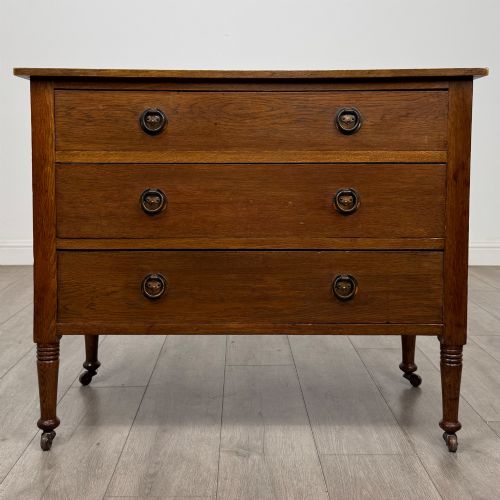
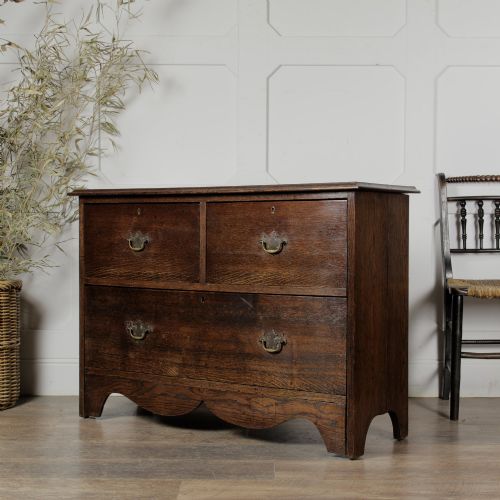
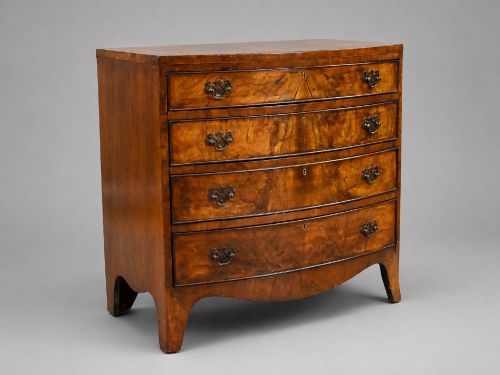
When you search for an early 20th century commode, you encounter a diverse group of storage furniture spanning French revival styles, English chests of drawers, and Continental side cabinets. These pieces serve as functional storage while making a distinct aesthetic statement in an interior, drawing on design traditions from earlier centuries executed in the 1900s to the 1930s.
The most frequent forms on this page include serpentine and bombe commodes alongside oak, walnut, and mahogany chests of drawers. Originating from periods such as the Edwardian era and the 1920s or 1930s, these items range from robust scrubbed oak utility pieces to highly decorative exhibition quality works.
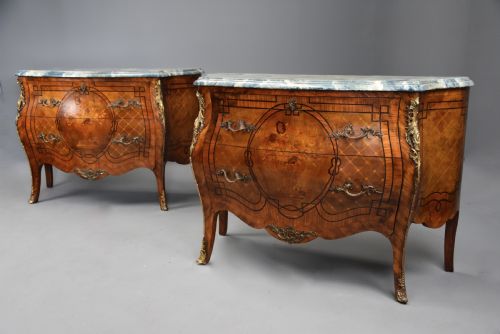
Makers and workshops across France, Italy, and England produced these items using regional aesthetics, incorporating marble tops, brass mounts, and intricate marquetry. A buyer navigating this selection encounters both understated domestic furniture and ornate reception room centrepieces.
Materials and construction methods
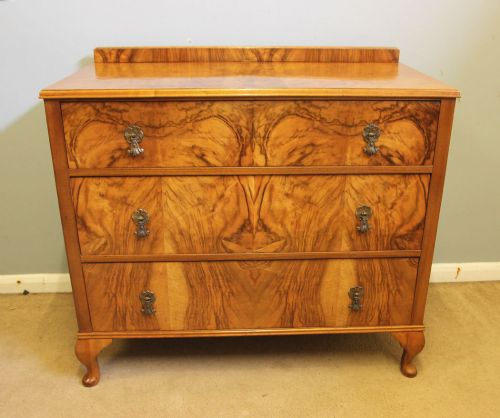
Cabinet makers utilised a rich palette of hardwoods and exotic veneers, including oak, walnut, figured walnut, mahogany, kingwood, tulipwood, and satinwood. Solid timber frames often support decorative parquetry and marquetry inlays, while secondary woods provide structural stability inside drawers and compartments.
Surface treatments and hardware define the physical presence of these items, pairing polished marble tops with cast or gilt ormolu mounts and brass fittings. Painted finishes appear alongside ebonised treatments and natural scrubbed oak surfaces, reflecting the varied tastes of the Edwardian period and subsequent decades.
Early 20th Century Commode Retail Price Guide 2026
Typical asking prices for early 20th century commode among the pieces listed under this phrase on Sellingantiques today, from the lower quarter to the upper quarter. They describe what is for sale here now, not the wider market.
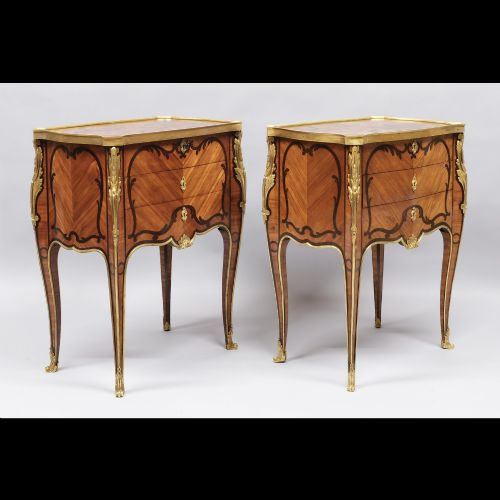
Object forms range from simple three drawer oak chests to serpentine French commodes and Neoclassical Italian side cabinets.
Factors that separate the finest examples
The distinction between standard domestic pieces and top tier examples lies in the selection of timber and the ambition of the design. Figured veneers, bookmatched grain patterns, and complex serpentine or bombe contours elevate a piece far above simple rectilinear construction.
Hand-chiselled ormolu mounts, integrated marble slabs, and sophisticated marquetry distinguish exhibition quality cabinets from everyday utility chests. The integration of concealed compartments and specialist maker attribution further separates exceptional items from standard production.
Pietro Ferrario·Sormani
The Early 20th Century Commode Glossary
- Bombe
- A swelling, outward-curving chest or commode shape associated with French rococo and baroque revival designs. This volumetric contour requires advanced veneer work to fit compound curves.
- Ormolu
- Gilt bronze mounts applied to furniture for decorative accent. These cast metal details highlight corners, aprons, and handles on fine Continental commodes.
- Parquetry
- Geometric wood mosaic patterns assembled from small veneer tiles. Makers use this technique to create repeating diagonal or checkerboard surfaces on drawer fronts.
- Serpentine
- A furniture front or top shaped with a concave centre flanked by two convex ends. This undulating contour adds visual fluidity to chests of drawers and side cabinets.
- Demi-lune
- A half-moon shape used for console tables and side cabinets designed to sit flat against a wall. These pieces often feature shallow drawers and curved aprons.
Early 20th Century Commode: Frequently Asked Questions
How do I identify a French commode style?
French styles like Louis XV and Louis XVI appear through specific design vocabularies such as cabriole legs, symmetrical ormolu mounts, and painted surfaces. Bombe shapes and serpentine fronts also point directly to Continental influence.
Evolving from earlier court aesthetics, these 20th century interpretations adapt historical forms into practical domestic storage with distinct decorative flair.
Where should I place a marble top commode?
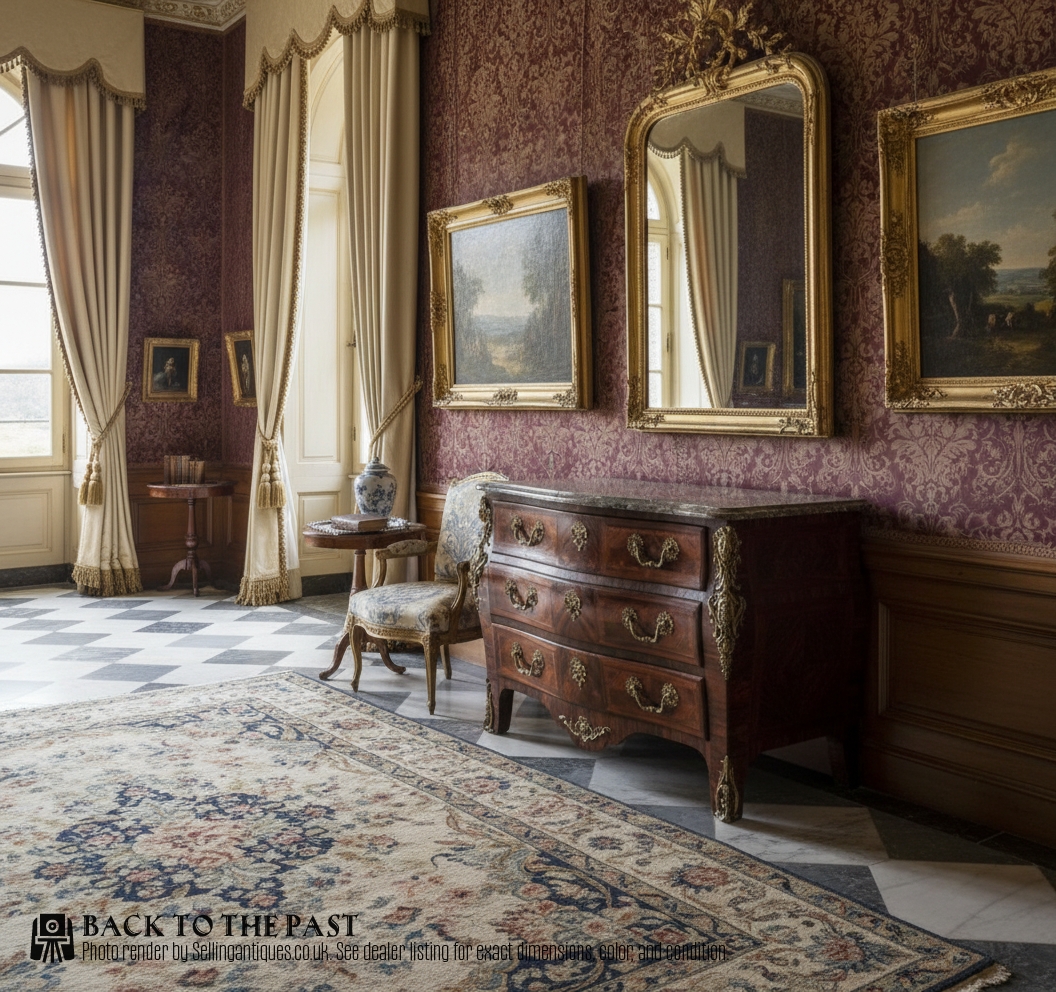
Marble top commodes function well in bedrooms as bedside cabinets or in hallways and living rooms as statement side tables. The stone surface offers durability for displaying objects.
Ensure the floor is level to support the weight of the marble slab and timber frame without straining the joints.
What is the difference between a chest and a commode?
While English listings often use chest of drawers interchangeably with commode, the term commode traditionally denotes a decorative low cabinet with drawers or doors. Continental examples frequently feature more pronounced curves and richer veneer work.
Both forms provide substantial interior storage while fulfilling different visual roles within a room layout.
How do I care for inlaid walnut and kingwood?
Protect delicate veneers and marquetry by avoiding direct sunlight and maintaining stable room humidity. Dust regularly with a soft, dry cloth without harsh chemical polishes.
Wax finishes can be applied sparingly to nourish the timber and preserve the natural lustre of walnut and exotic woods.