


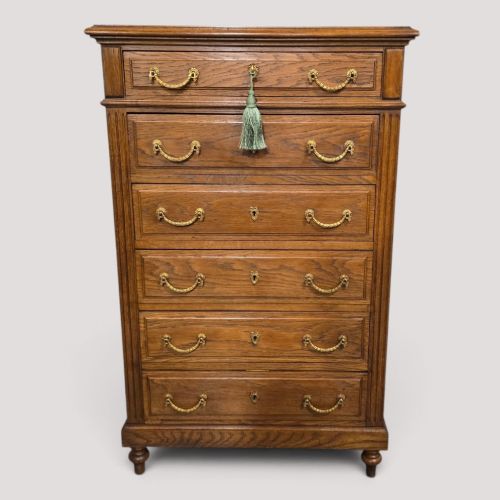
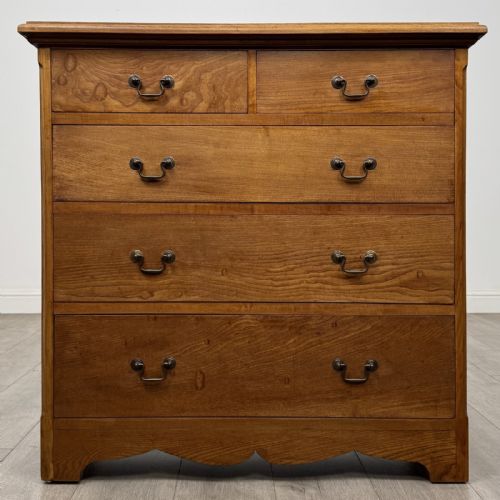
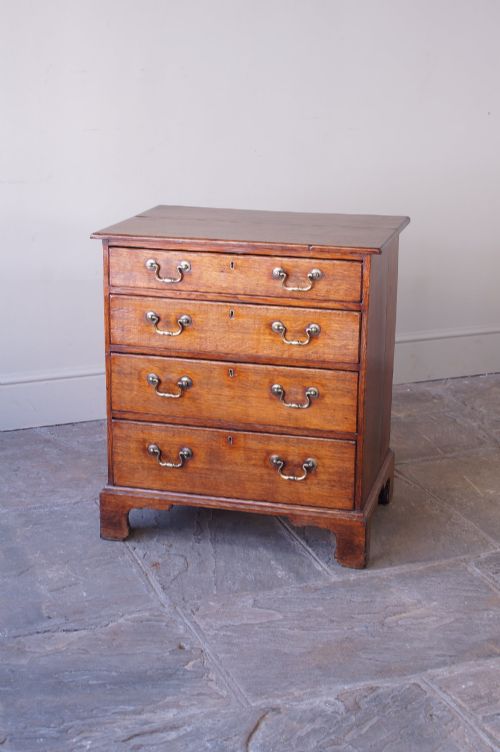
Vintage Oak Commode
A vintage oak commode brings robust character and timeless storage to a room, spanning rustic French provincial forms to clean Edwardian lines.
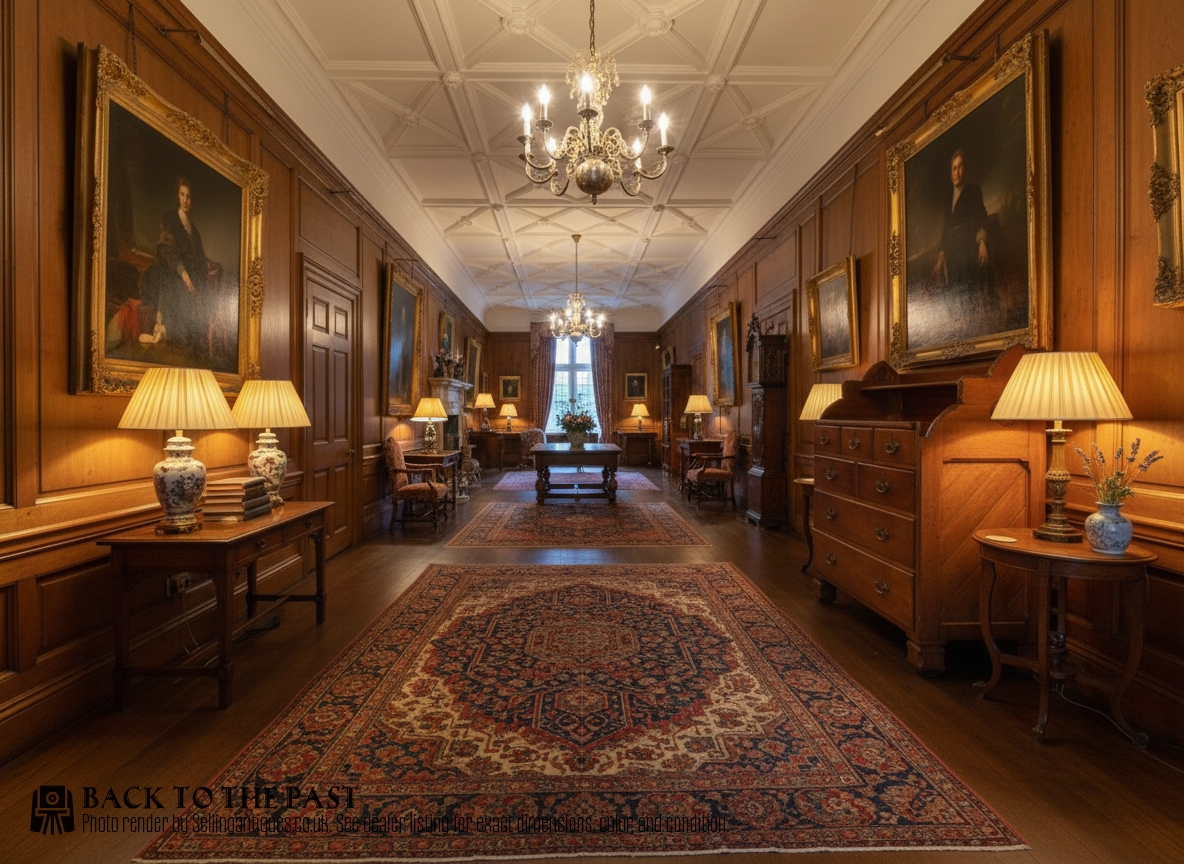
Vintage Oak Commode
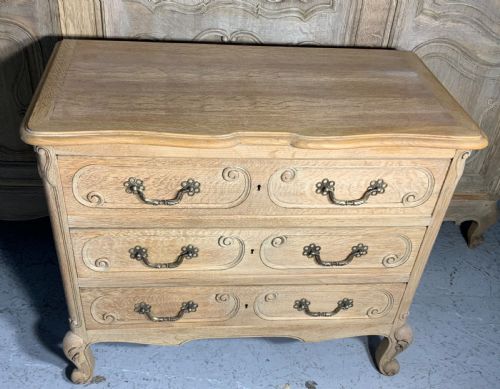
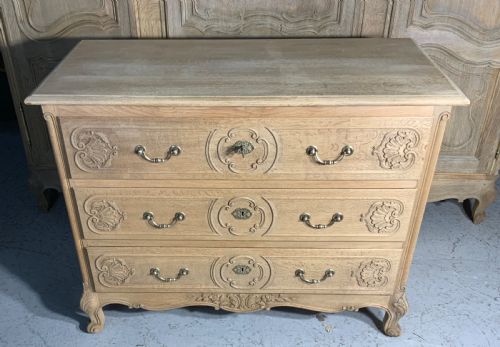
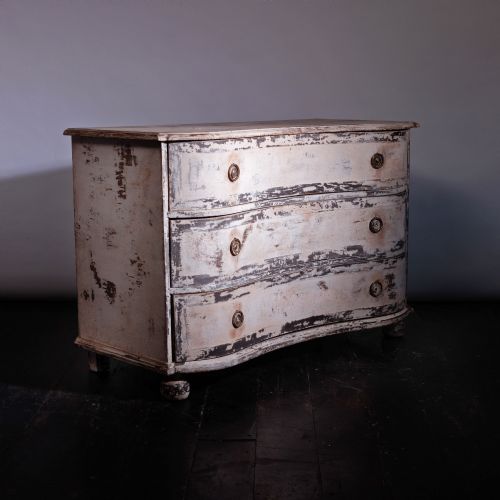
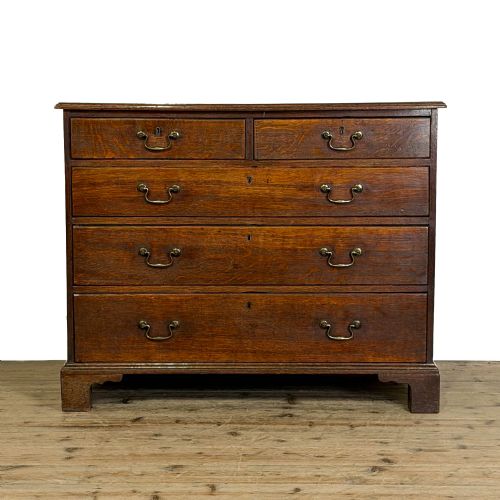
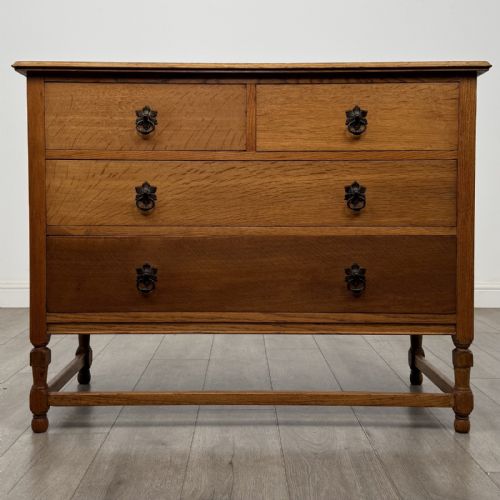
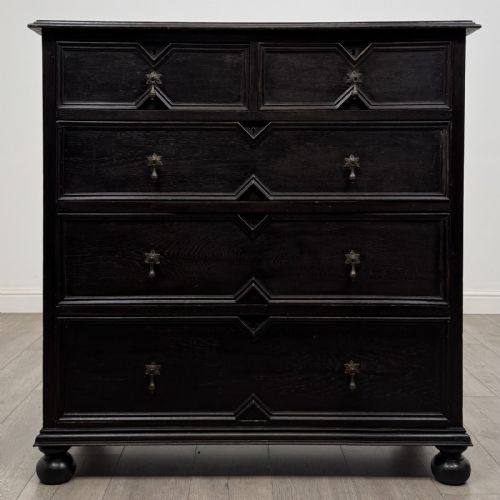
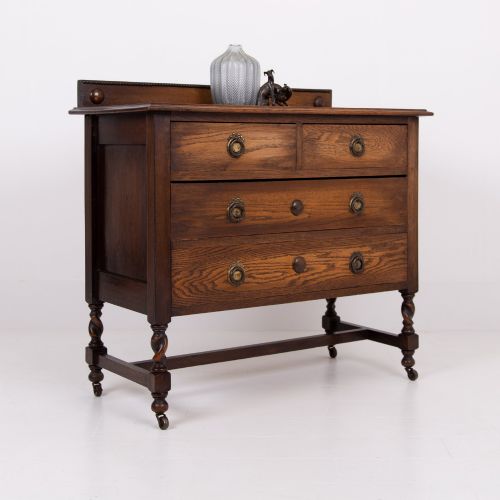
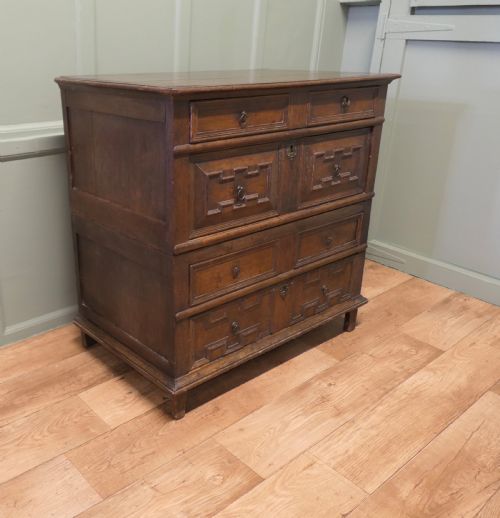
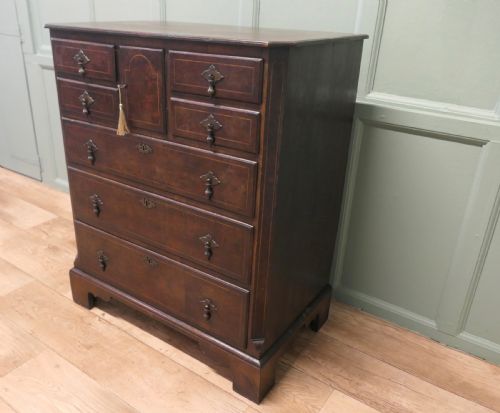
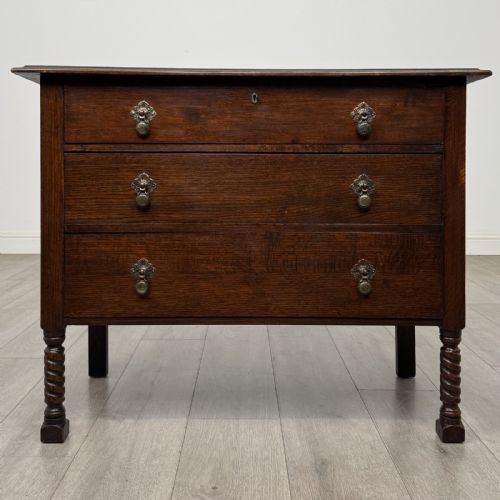
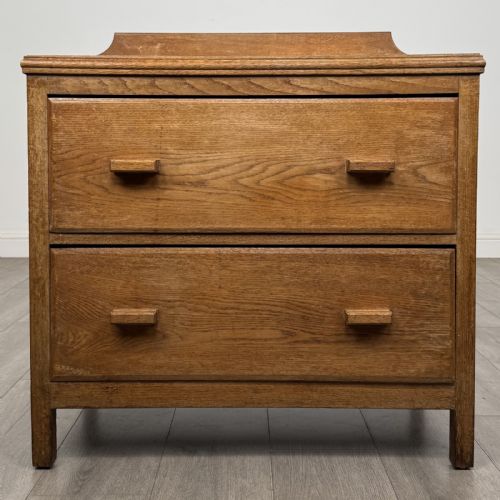
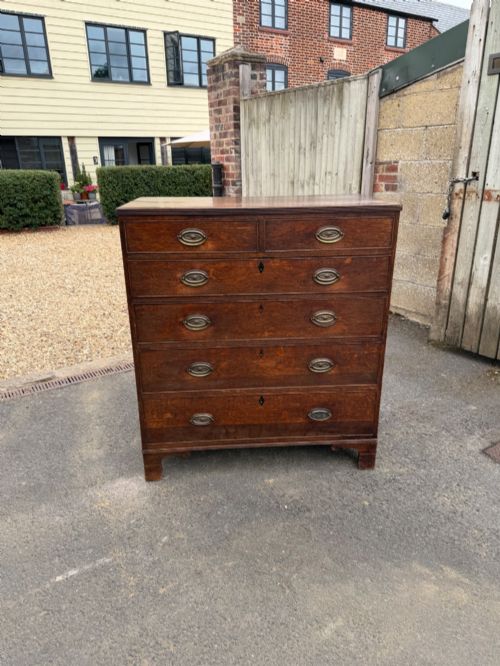
A vintage oak commode functions primarily as a sturdy chest of drawers, bedside cabinet, or washstand, originating from periods ranging from the seventeenth century through to the Edwardian era and the nineteen-thirties. Buyers searching this phrase encounter substantial timber storage furniture spanning British, French, and Austrian workshops, reflecting both utilitarian domestic needs and decorative craftsmanship.
The pieces appearing on this page present various forms, including low chests, bow fronts, and marble-topped bedside cabinets, alongside French provincial and Arts and Crafts interpretations. Walnut and mahogany sometimes appear alongside the dominant oak, occasionally paired with brass hardware or marble surfaces to elevate the visual weight of the piece.
Materials and construction methods
Cabinetmakers utilised solid oak alongside secondary timbers like walnut, fashioning carcases with traditional dovetailed drawer construction and framed panels. Surfaces show the natural grain of the timber, sometimes bleached for a lighter finish or carved with deep motifs such as Green Man grotesques and diamond-point details.
Hardware typically incorporates cast brass for handles and escutcheons, while certain continental variants integrate heavy marble tops and iron mounts. The joinery relies on pegged mortise and tenon joints in earlier pieces, shifting towards machine-assisted precision in later Edwardian and Art Deco iterations.
Vintage Oak Commode Retail Price Guide 2026
Typical asking prices for vintage oak commode among the pieces listed under this phrase on Sellingantiques today, from the lower quarter to the upper quarter. They describe what is for sale here now, not the wider market.
Some Victorian examples hide secret drawers tucked away behind the main frieze, perfect for small valuables.
Assessing quality and finish
Quality rests upon the selection of the timber grain, the crispness of hand-carved details, and the integrity of the structural joinery. Superior examples demonstrate tight dovetails, smooth drawer action, and matching wood selections across the visible facade.
The presence of original hardware, integrated marble slabs, and untouched patination elevate a piece above standard utilitarian items. Alterations to the timber, replacement handles, or poorly executed bleaching detract from the integrity of the original period manufacture.
The Vintage Oak Commode Glossary
- Commode
- A low chest of drawers or cabinet, often of French origin, standing on legs or a plinth base. These pieces frequently feature decorative carving or marble tops.
- Dovetail
- A joint used in drawer construction formed by interlocking wedge-shaped fingers. This method provides robust resistance to pulling forces.
- Escutcheon
- A protective plate surrounding a keyhole, usually fashioned from brass or other metals. It prevents the surrounding wood from wearing down through repeated use.
- Patina
- The surface sheen and colour developed by wood and metal over decades of handling and exposure to light. It serves as an indicator of age and authenticity.
- Bow front
- A cabinet front that curves outward in a convex shape, popular in various nineteenth and twentieth-century designs. This contour softens the rectangular profile of the furniture.
Vintage Oak Commode: Frequently Asked Questions
How do I date a commode?
Dating relies on examining the construction methods, such as hand-cut dovetails versus machine-made joints, alongside the prevailing style of the hardware and carving. Secondary timbers and finish types also offer clear clues to the manufacturing decade.
Earlier pieces from the seventeenth and eighteenth centuries display irregular tool marks and pegged joints, whereas twentieth-century examples show greater uniformity and standardised components.
Are these pieces suitable for daily use?
These items were built for practical domestic storage and remain fully functional for modern clothing, linen, or bedside storage needs. The robust nature of oak ensures structural resilience against regular handling.
Drawers slide within traditional wooden runners, which benefit from occasional waxing to maintain smooth operation without the need for modern mechanical tracks.
How should I clean oak furniture?
Maintenance requires only a soft, dry cloth to remove dust and airborne particles from the carved surfaces and drawer fronts. Avoid harsh chemical sprays or silicone polishes that build up a residue and degrade the historic wax finish.
Application of a natural beeswax periodically will nourish the timber and preserve the natural patination built up over the decades.
What is the difference between an English and French commode?
English examples tend to favour straight lines, solid timber construction, and restrained brass drop handles within Georgian or Victorian frameworks. French variants often incorporate curved silhouettes, pale bleached finishes, or inset marble tops.
Both traditions utilise oak as a primary structural medium, but continental pieces frequently emphasise decorative carving and stylized Provincial aesthetics.