

18th Century French Commode
An 18th century french commode provides substantial drawer storage while bringing sophisticated cabinet-making traditions into a reception room or bedroom.
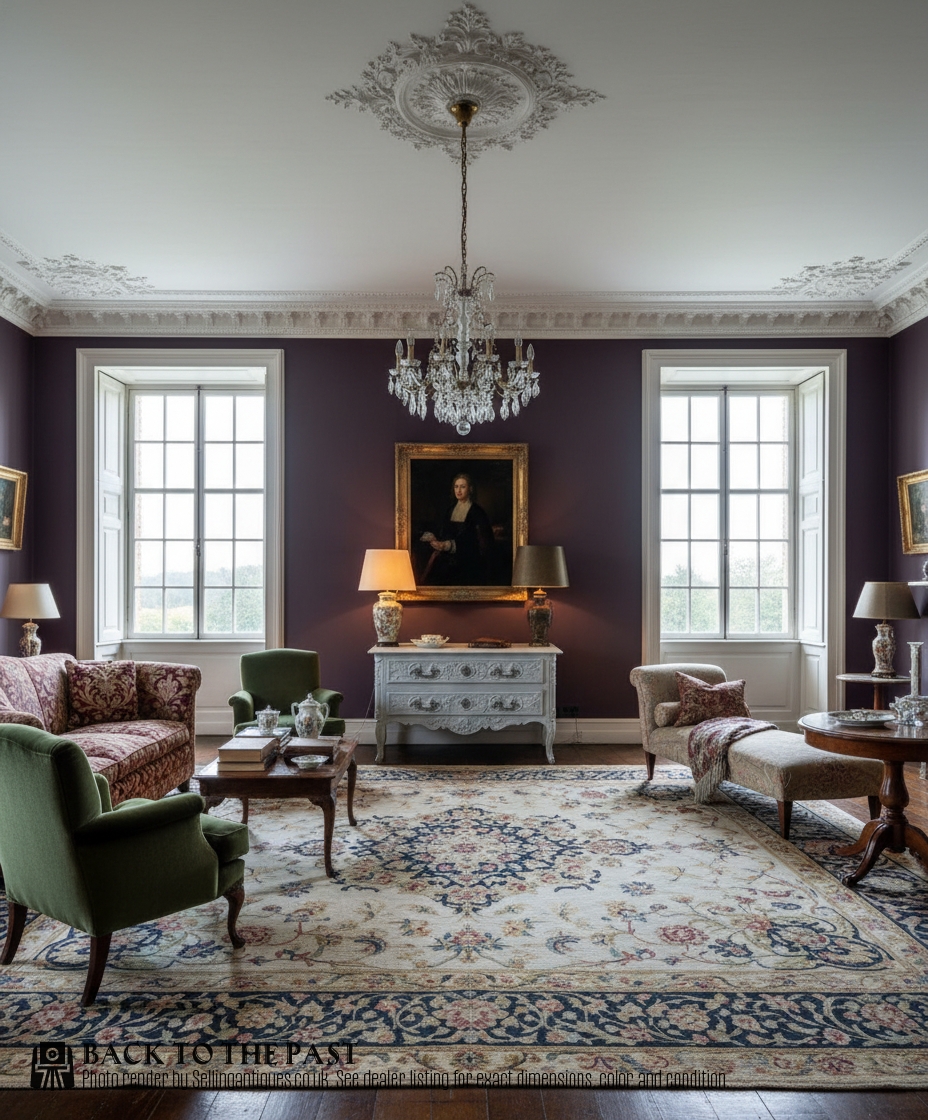
18th Century French Commode
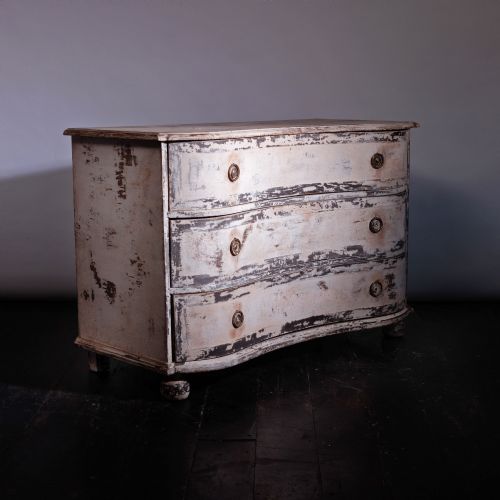
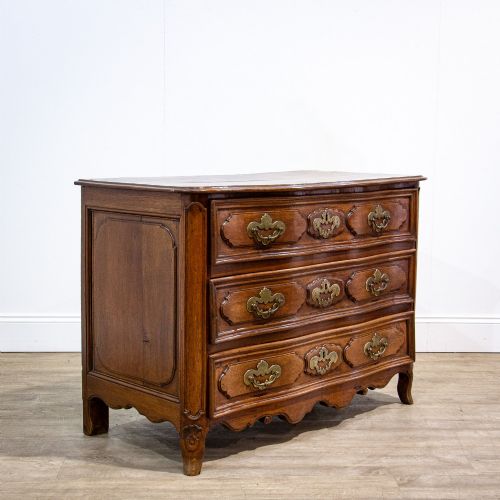
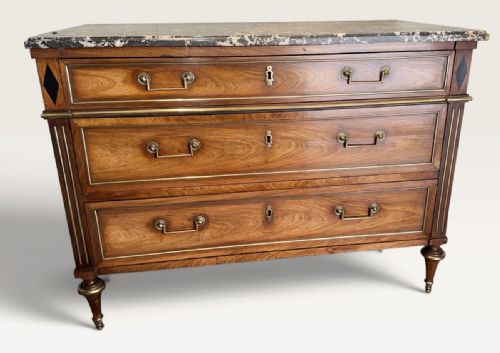
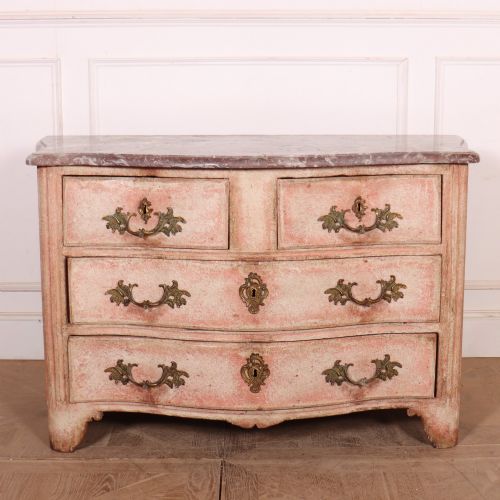
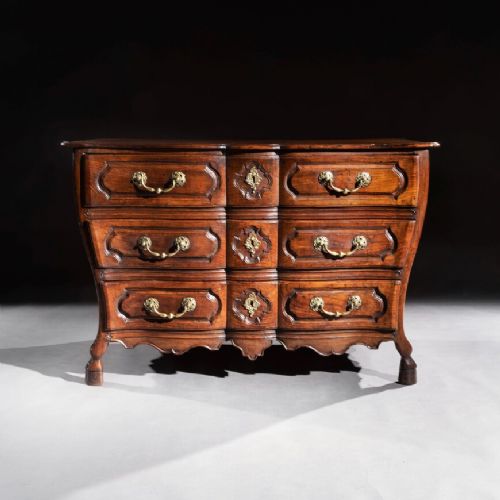
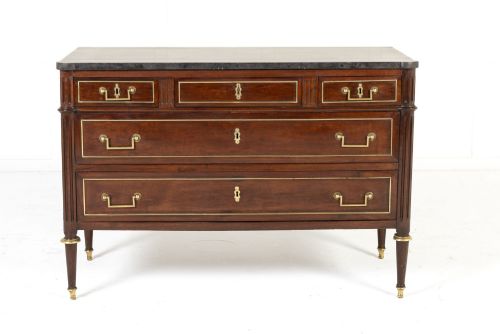
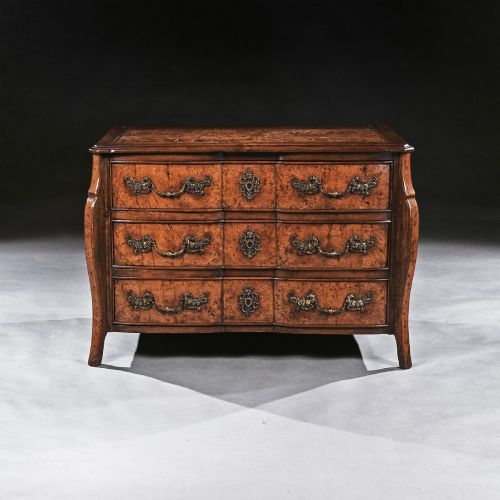
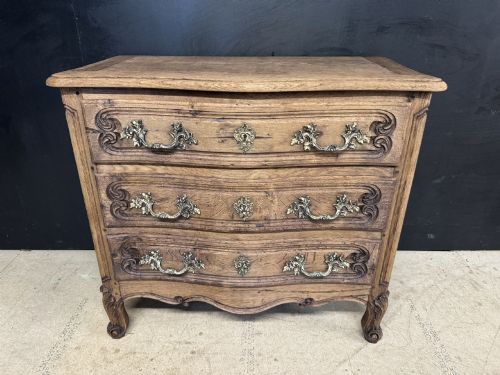
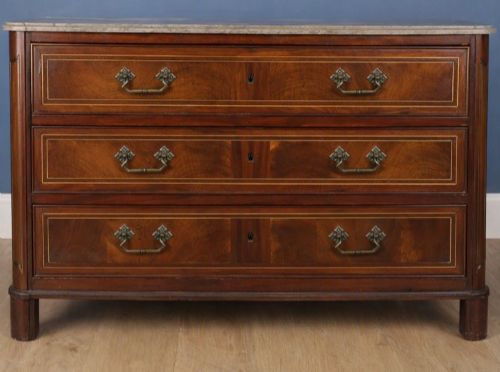
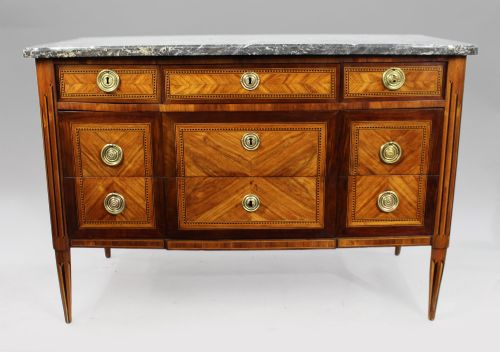
When searching for an 18th century french commode, buyers encounter low chests of drawers designed primarily for bedrooms and withdrawing rooms during the reigns of Louis XV and Louis XVI, as well as the Régence and Directoire periods.
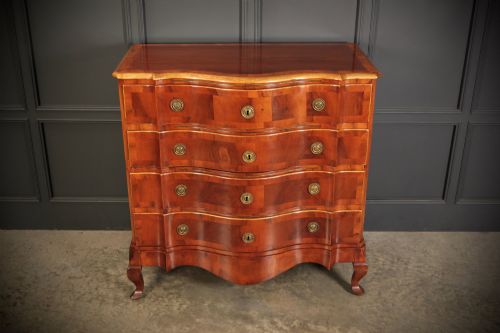
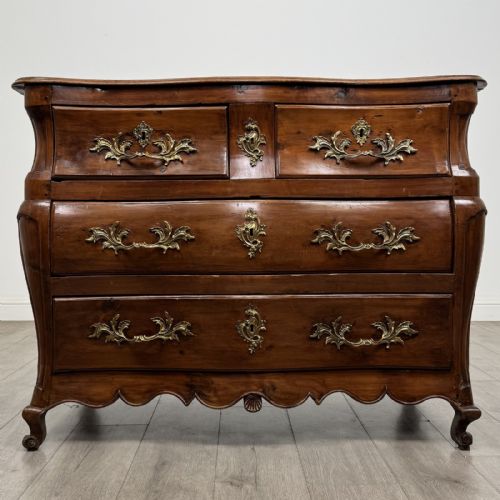
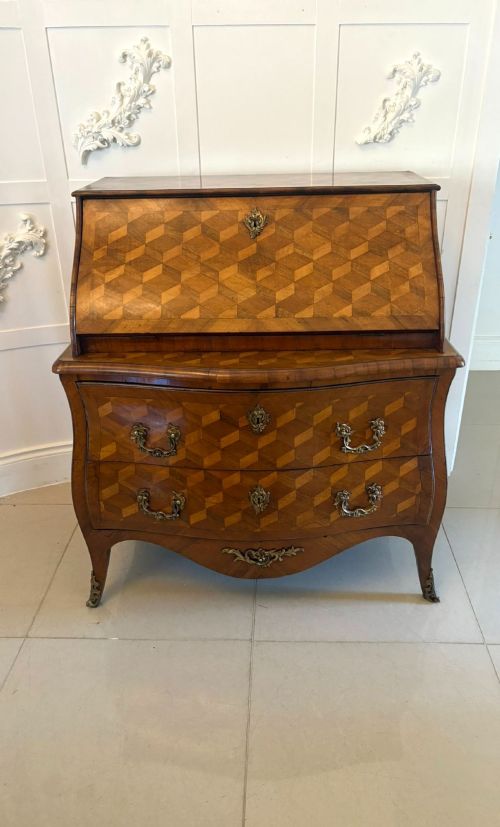
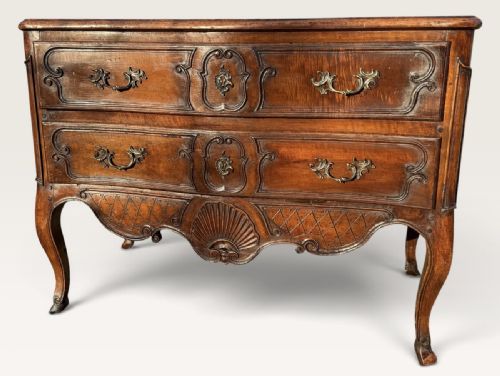
Most items take serpentine, bombé or straight-fronted forms, frequently topped with shaped marble slabs.

Craftsmanship and Proportion
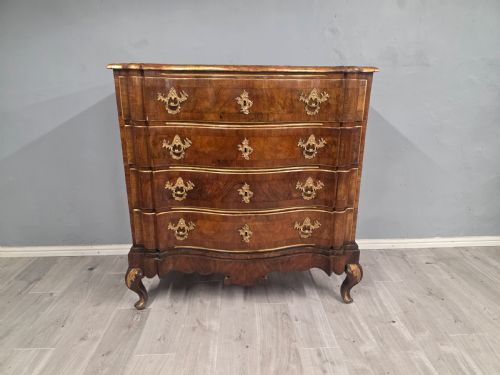
Superior examples distinguish themselves through the precision of their drawer dovetailing, the integrity of their carcase framing and the weight and chasing of their ormolu mounts.
Finer pieces maintain harmonious proportions between the marble top, the bombé or serpentine sweep of the body and the curve of the legs, whereas lesser items display rigid lines or crude carving.
18th Century French Commode Retail Price Guide 2026
Typical asking prices for 18th century french commode among the pieces listed under this phrase on Sellingantiques today, from the lower quarter to the upper quarter. They describe what is for sale here now, not the wider market.
Listings feature walnut, cherrywood and oak alongside exotic kingwood and mahogany.
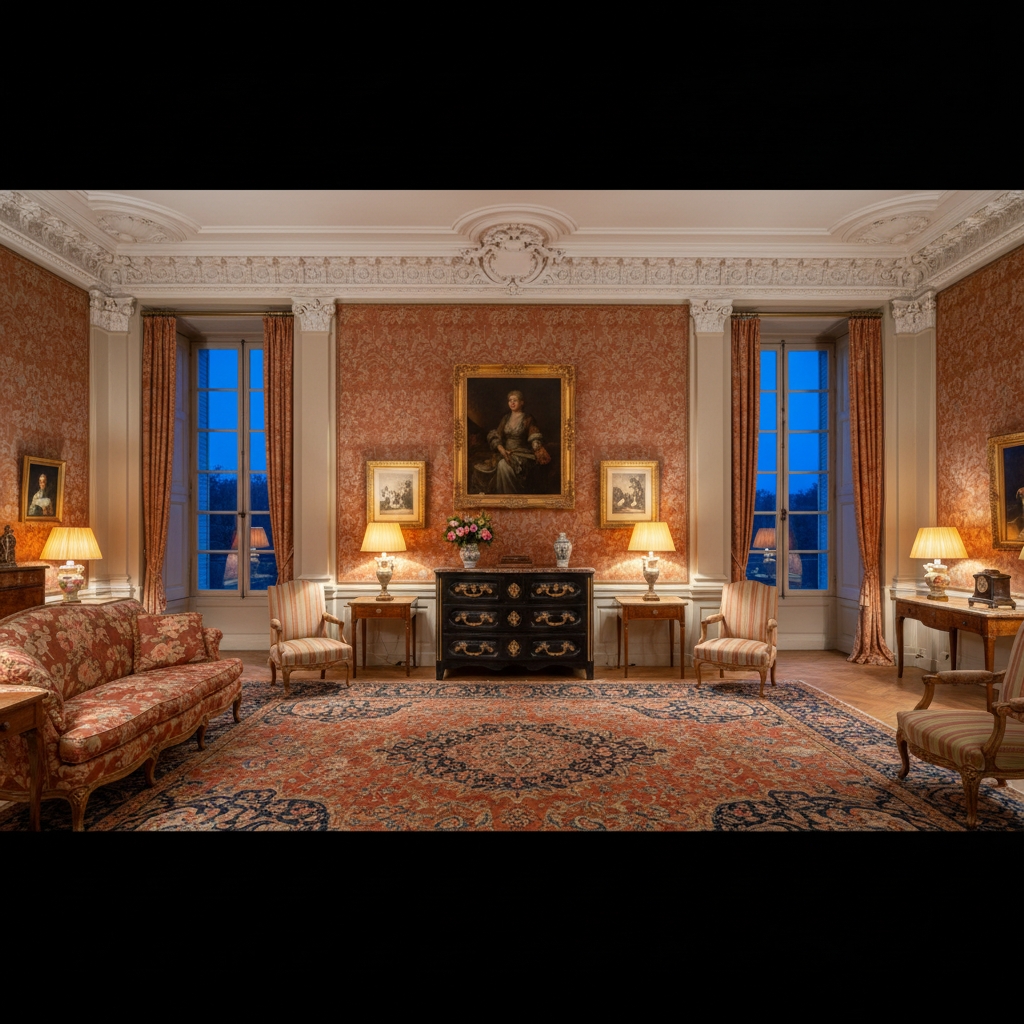
Jacques Bircklé·Thomas Hache
The 18th Century French Commode Glossary
- Commode
- A low chest of drawers introduced in France during the late 17th century and widely adopted across Europe.
- Bombe
- A swelling, outwardly curved furniture shape characteristic of Rococo design. This undulating contour requires skilled shaping of both wood and marble.
- Ormolu
- Gilt-bronze decorative mounts applied to furniture edges and handles. The technique involves mercury gilding cast bronze.
- Parquetry
- Geometric wood inlay patterns arranged on cabinet surfaces. Craftsmen arrange contrasting veneers like walnut and kingwood to form cubes or zig-zags.
- Sauteuse
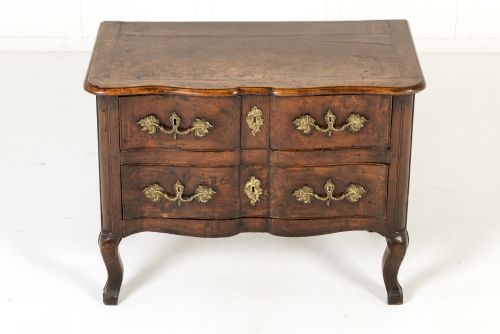
- A small commode featuring two drawers rather than three or four. This lighter form often stands on taller legs.
18th Century French Commode: Frequently Asked Questions
How were commodes originally used?
These pieces served as practical storage furniture for clothing and personal items in private bedchambers and reception rooms.
Their decorative tops also provided a surface for displaying porcelain, clocks and ornamental objects.
How do I identify a Louis XV commode?
Louis XV pieces typically feature asymmetrical curves, bombé or serpentine outlines and cabriole legs.
They rely heavily on naturalistic floral marquetry and flowing ormolu mounts.
What is the difference between provincial and court commodes?
Court commodes utilise exotic timbers such as kingwood and mahogany, often featuring elaborate parquetry and fire-gilt bronze.
Provincial equivalents employ local woods like cherrywood, walnut and oak with simpler lines and iron or brass hardware.
How do I care for a marble top?
Marble slabs require gentle cleaning with mild soap and warm water, avoiding acidic substances that etch the polished surface.
Most historic tops rest loose upon the wooden carcase and lift off for transport.