




Louis XV Painted Commode
A louis xv painted commode brings serpentine elegance and painted charm to an interior, combining generous drawer storage with decorative presence.

Louis XV Painted Commode
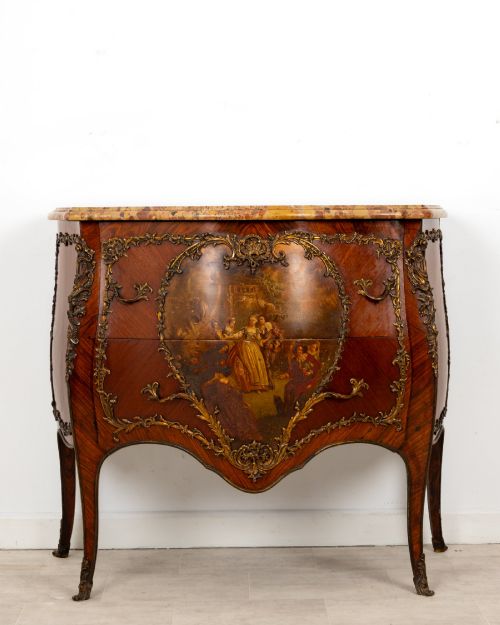
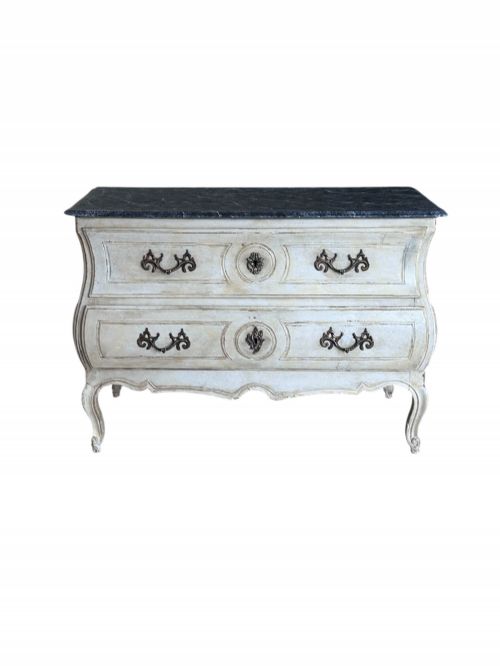
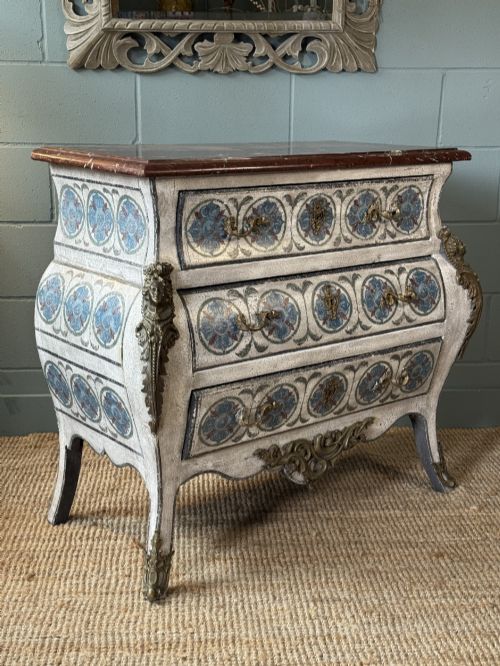
A louis xv painted commode is a low chest of drawers defined by flowing serpentine lines, curved fronts, and characteristic rococo styling. These pieces originate primarily from French workshops spanning the eighteenth century through revival periods in the nineteenth and early twentieth centuries.
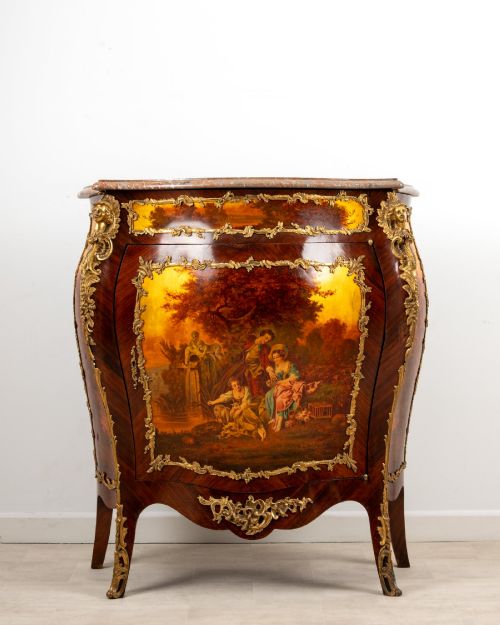
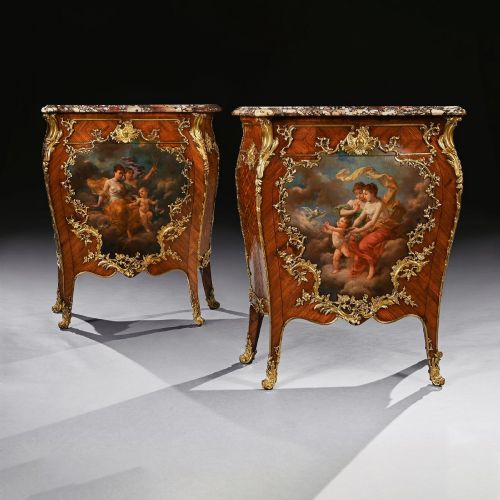
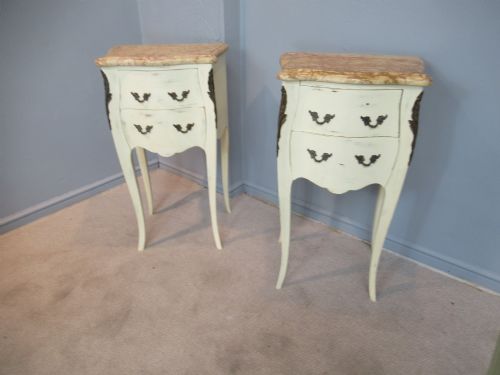
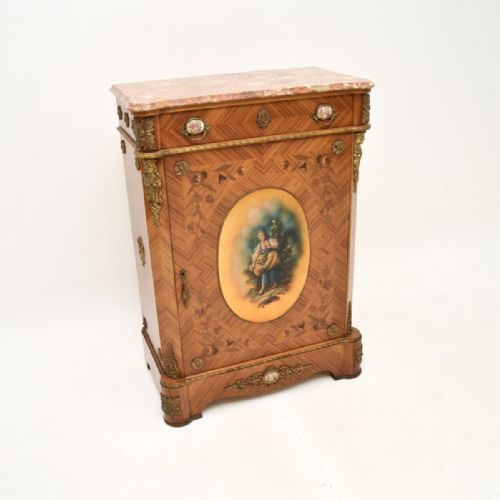
The pieces on this page appear in various formats, ranging from authentic eighteenth-century provincial examples to later revival commodes, bedside cabinets, and small side chests. Painted wood surfaces frequently accompany marble tops, brass mounts, and detailed carved decoration.
Buyers seeking this phrase encounter both original period items and nineteenth-century pieces influenced by French chateau and provincial aesthetics. The category encompasses standard two-drawer commodes alongside compact serpentine chests and side cabinets.
How They Were Made
Construction relies on timber foundations such as oak or kingwood, shaped into bombe or serpentine profiles with mortise and tenon joinery. Artisans applied multiple layers of paint to the wooden frames, occasionally incorporating hand-painted decorative motifs or Chinese lacquer and Vernis Martin techniques.
Finished carcases are regularly surmounted by shaped marble tops, fitted with brass, gilt-bronze, or ormolu mounts, handles, and escutcheons. These metallic elements accentuate the organic curves of the cabinetry through cast and chased detailing.
Some commodes doubled as musical cabinets, storing sheet music while harmonising with the drawing room decor.
What Varies in Quality
Quality reveals itself in the harmony of the overall proportions and the fluidity of the carved serpentine or bombe lines. Superior examples display refined hand-mixed paint surfaces, crisp ormolu mount castings, and well-fitted marble slabs that follow the exact contours of the chest.
Cabinetmaking standards differ between utilitarian provincial items and ambitious revival pieces intended for formal salons. The integration of specialised decorative finishes, such as layered Vernis Martin or detailed Chinoiserie panels, distinguishes finer artistic achievement from simpler painted chests.
The Louis XV Painted Commode Glossary
- Serpentine
- A furniture front or top shaped with a central convex curve flanked by two concave curves. This contour is characteristic of rococo design.
- Bombé
- A swelling, bulging outward profile characteristic of commode sides and drawer fronts. It requires advanced woodworking skill to construct.
- Ormolu
- Gilt bronze mounts applied to furniture for decorative accent. The technique involves treating metal with a mercury and gold amalgam.
- Vernis Martin
- A European imitation of East Asian lacquer work developed in France. It utilises resin varnishes to create luminous decorative panels.
Louis XV Painted Commode: Frequently Asked Questions
How do I identify a true period commode?
Distinguishing period pieces involves examining the construction methods, timber ageing, and hand-cut joinery within the drawer linings. Eighteenth-century examples display construction techniques consistent with their era, whereas revival pieces show nineteenth or twentieth-century manufacturing signatures.
Surface wear and paint patination also offer clues to age, though many pieces have received later decorative paint layers over time.
Where should I place a commode at home?
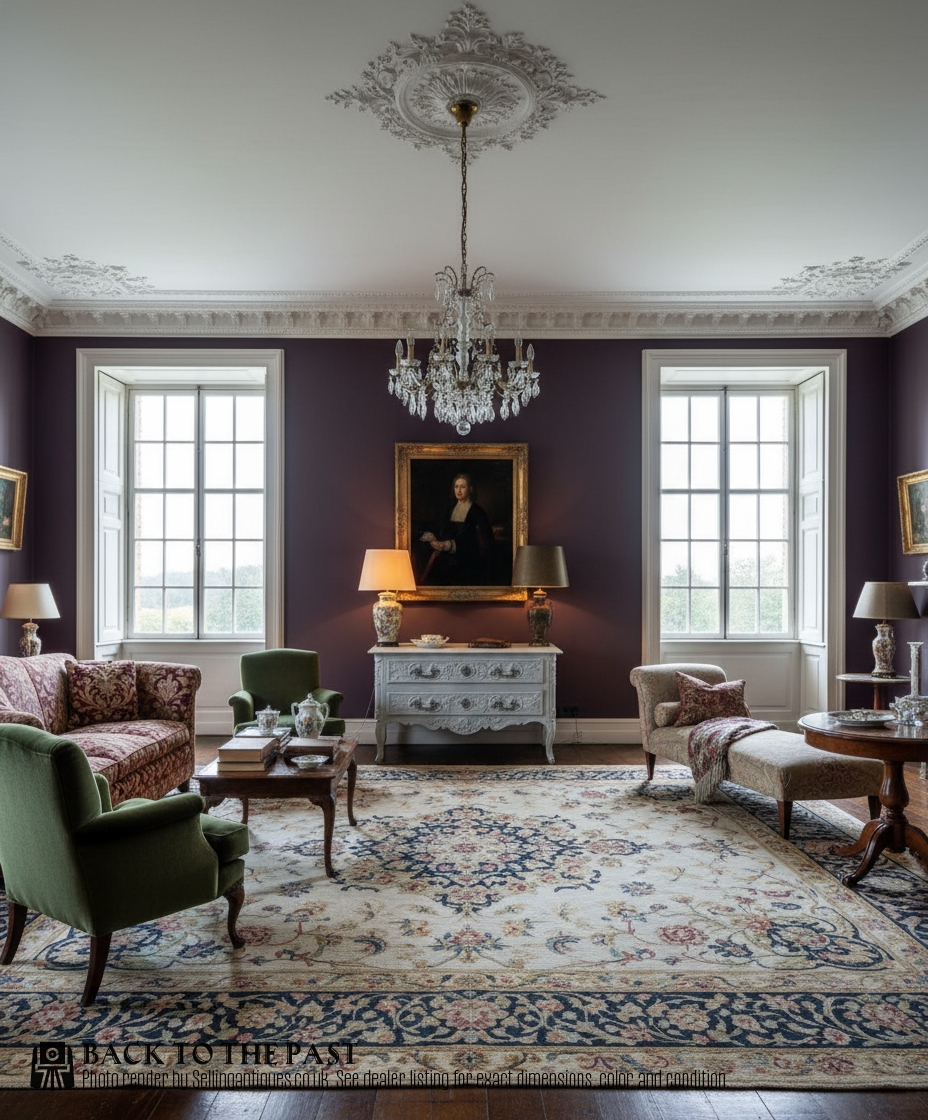
These decorative chests function effectively in hallways, bedrooms, or living rooms as statement storage pieces. Their shallow depth allows them to sit comfortably against walls without dominating floor space.
Pairing a marble-topped chest with complementary lighting or mirrors enhances its visual impact within an interior scheme.
What is the difference between provincial and revival pieces?
Provincial pieces were made in French regional towns for local use, often featuring simpler carved oak or painted pine construction. Revival pieces date from the nineteenth and early twentieth centuries, created in urban workshops to emulate elite eighteenth-century court furniture.
Revival commodes frequently incorporate more exotic timbers like kingwood alongside elaborate gilt-bronze mounts.
How do I care for a painted and marble surface?
Painted wooden surfaces require gentle dusting with a soft, dry cloth and protection from direct sunlight to prevent fading. Avoid using harsh chemical cleaners that can damage historic paint layers.
Marble tops benefit from immediate wiping of liquid spills to prevent staining, using mild soap and water when deeper cleaning is necessary.