
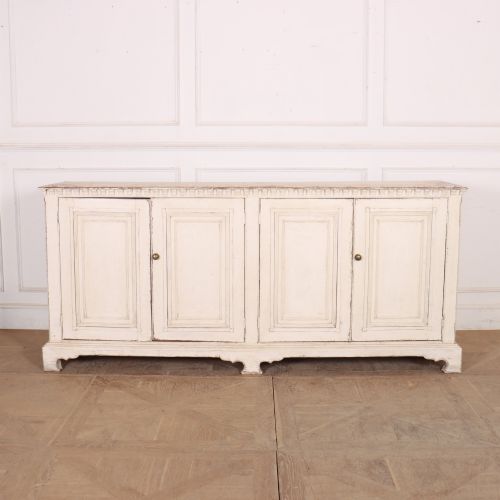


French Painted Sideboard
A french painted sideboard brings provincial character and generous storage to a room, offering practical surface space alongside time-worn charm.
French Painted Sideboard
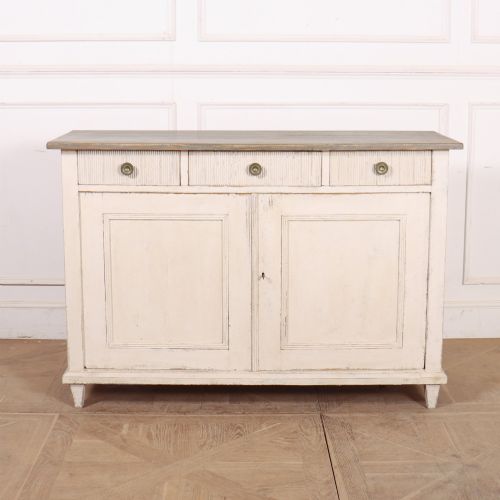
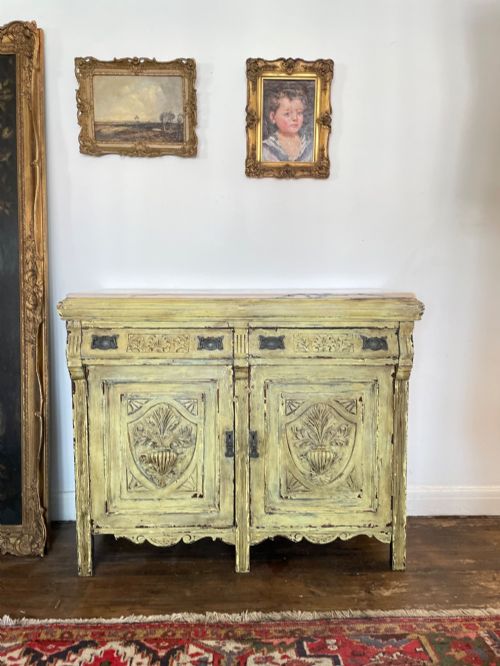
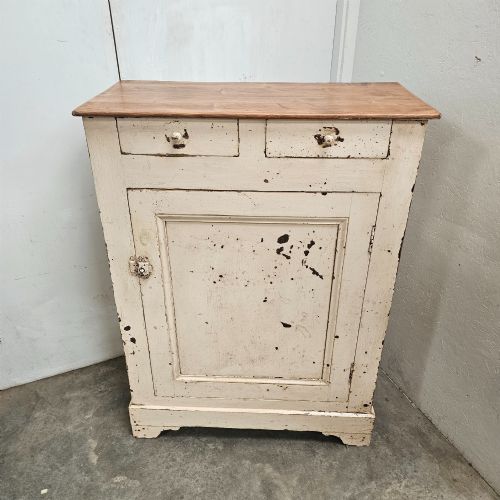
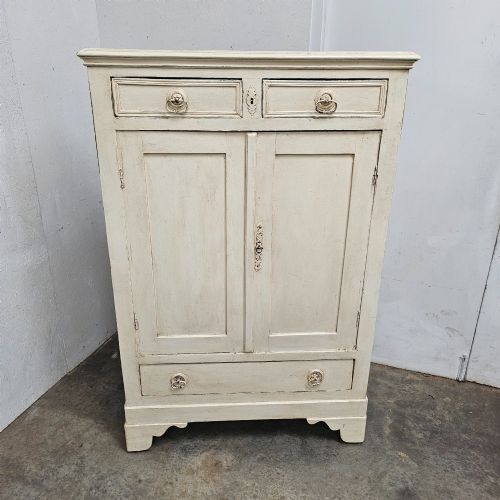
A french painted sideboard encompasses diverse storage forms ranging from grand buffets and enfilades to smaller commodes and jam cupboards. These pieces emerge from periods spanning the eighteenth century through to the early twentieth century, reflecting regional aesthetics across provincial and chateau contexts.
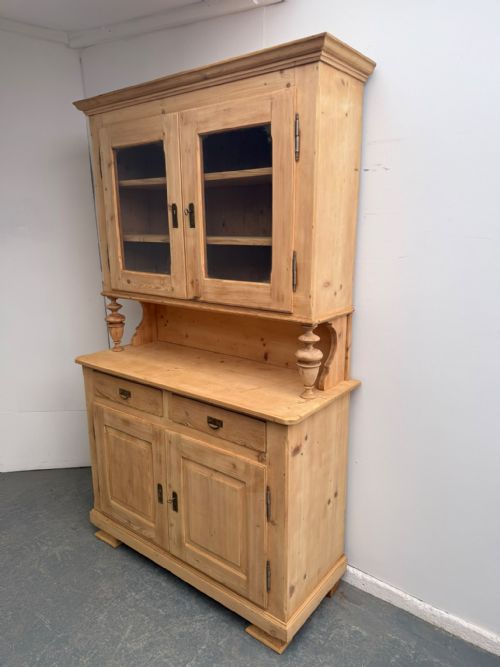
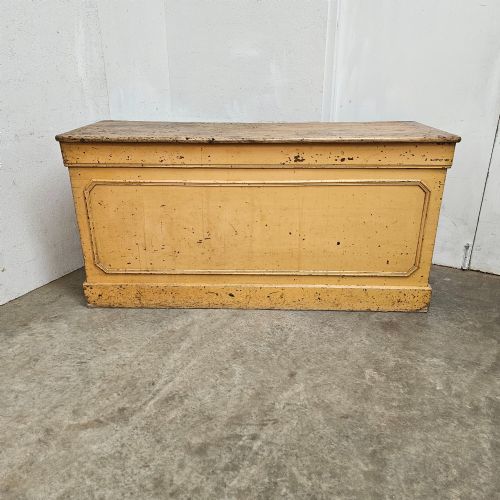
The version most commonly encountered on this page is the nineteenth century painted pine or oak buffet, often featuring original surface treatments or later decorative painting. Alongside these stand smaller bedside cabinets, drapers tables, and shop counters adapted for domestic use.
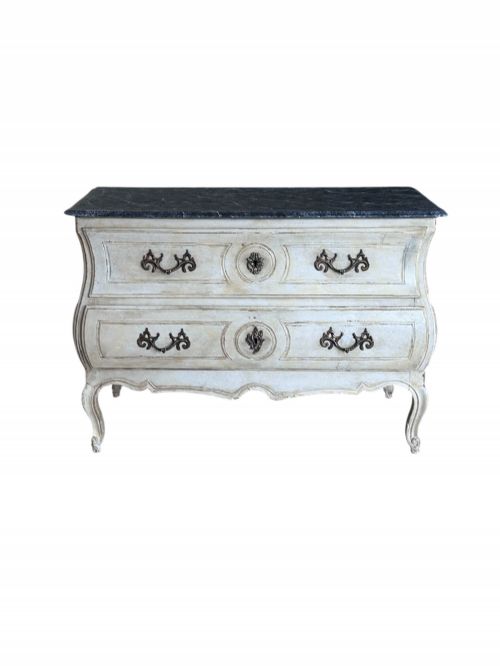
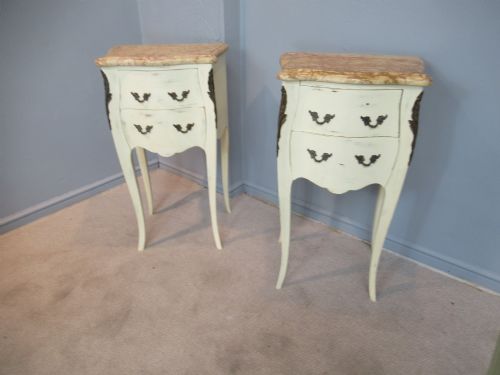
Origins stretch across French provincial workshops as well as neighbouring Italian and Dutch makers adopting similar regional styles. Structural variations include serpentine fronts, marble tops, and glazed display sections that alter the overall presence of the furniture.
How they were made
Construction relies primarily on timbers such as pine, oak, walnut, and satinwood, assembled with traditional joinery suited to heavy domestic storage. Iron and brass hardware furnish handles, hinges, and key escutcheons.
Surfaces receive layers of paint, sometimes applied over older finishes or enhanced with wax and hand sign-writing. Selected pieces incorporate inset marble tops in white or pink tones to provide durable working surfaces.
One display cabinet carries hand sign-written details dedicated to the vineyards of the Rhone valley.
What varies in quality
The integrity of the painted surface distinguishes pieces, with original historical pigment carrying greater architectural character than later decorative layers. Integration of fine materials like marble tops and detailed carving elevates the stature of an individual cabinet.
Proportion and regional carpentry define the distinction between standard utilitarian storage and refined formal furniture. Balanced execution in serpentine fronts and panelled doors indicates superior workshop origins.
Melissa White·Kaufman
The French Painted Sideboard Glossary
- Enfilade
- A long sideboard featuring a continuous sequence of doors along the front. This form originated in grand dining rooms to serve food and store porcelain.
- Commode
- A low chest of drawers or cabinet designed with a flat top and decorative legs. These pieces often feature serpentine facades and painted motifs.
- Confiturier
- A tall, narrow cupboard traditionally used for storing confit jars in French kitchens. They typically possess a single door and compact proportions.
- Buffet de Corps
- A large two-part cupboard combining a lower sideboard base with an upper display section. They represent substantial storage furniture from regional chateaux.
- Demi-lune
- A half-moon shape applied to tables and cabinets designed to stand flush against a wall. This profile saves floor space in narrower hallways.
French Painted Sideboard: Frequently Asked Questions
What is a french painted sideboard used for?
These cabinets provide deep interior storage for tableware, linens, and provisions while offering a sturdy surface for serving food or displaying decorative objects.
In modern rooms, they function effectively in dining spaces, hallways, or kitchens as practical focal points.
How do I identify the period of a painted sideboard?
Dating relies on examining construction techniques, timber selection, and the physical ageing of the paint layers.
Eighteenth and nineteenth century examples display hand-cut joinery and wear patterns distinct from twentieth century reproductions.
Are marble tops original to these sideboards?
Many provincial and commode styles incorporated marble tops to resist stains and moisture during food preparation.
Pink and white marble slabs were frequently fitted to cabinets intended for kitchen or serving use.
How do I care for antique painted wood?
Maintenance requires gentle cleaning with a soft, dry cloth and occasional application of appropriate wax if the finish is unsealed.
Avoid placing these pieces in direct sunlight or near heat sources to protect the wood and pigment.