




Blue Painted Sideboard
A blue painted sideboard brings warmth and practical storage, combining rustic timber construction with enduring regional decorative traditions.
Blue Painted Sideboard
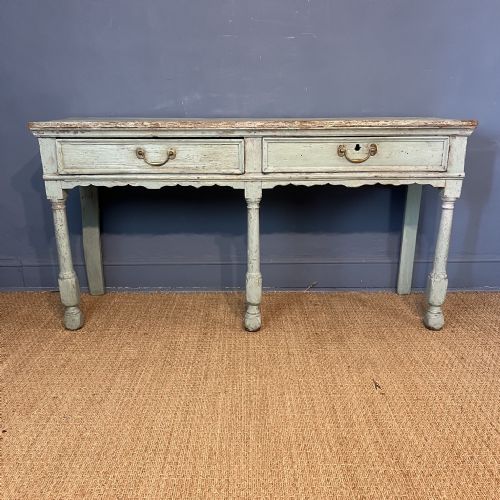
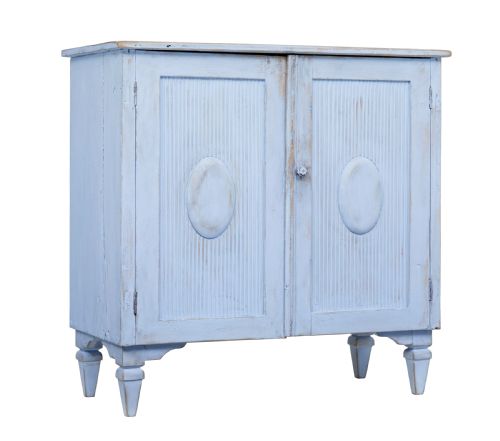
When searching for a blue painted sideboard, buyers encounter a diverse range of country furniture including dresser bases, cupboards, commodes, and serving tables. These pieces span from the eighteenth century through the nineteenth century, reflecting various European regional vernaculars.
The pieces appearing on this page originate from English, French, Scandinavian, Italian, Spanish, Austrian, and Portuguese traditions. Forms such as potboard bases, linen cupboards, and kitchen sideboards provide deep utility alongside distinctive painted surfaces.
The most prevalent examples on this page are eighteenth and nineteenth-century pine cupboards and dresser bases featuring original or scraped paint finishes. These items combine solid timber construction with regional aesthetic approaches from Scandinavia and the English country house tradition.
Materials and construction methods
Construction relies heavily on pine and general wood frameworks, complemented by brass and iron hardware fittings. Makers utilised solid timber boards joined simply to build robust storage furniture for domestic and provincial use.
Surfaces received layers of paint, often applied in regional styles such as ragwork decoration or layered schemes that reveal age. This paint layer protects the underlying wood while defining the visual character of each piece.
Object types span from small miniature dressers and commodes to large kitchen sideboards, linen cupboards, and potboard dresser bases.
Distinguishing quality across pieces
The standard of a piece rests upon the integrity of its original surface finish and the preservation of its timber structure. Surviving scraped paint surfaces demonstrate greater historical authenticity than later repainted examples.
Construction details such as dovetailed drawers, original iron or brass mounts, and well-balanced proportions elevate certain items above standard utilitarian work. Regional joinery characteristics provide further insight into the skill of the original maker.
The Blue Painted Sideboard Glossary
- Potboard dresser base
- An open-shelf lower sideboard featuring a low shelf near the floor for storing pots and heavy kitchen utensils.
- Ragwork paint
- A decorative paint technique involving rags to texture the wet colour, producing a mottled or patterned finish common on Scandinavian pine furniture.
- Serpentine commode
- A chest of drawers or cabinet featuring a distinctively undulating curved front outline, frequently found in eighteenth-century continental pieces.
- Dresser base
- A low cabinetry unit designed with drawers and cupboards, serving as a primary storage and surface space in country kitchens.
- Linen cupboard
- A tall storage cabinet fitted internally with shelves or spaces specifically intended for keeping household textiles and garments.
Blue Painted Sideboard: Frequently Asked Questions
How do I clean a painted surface?
Dust gently with a soft dry cloth to prevent accumulation of grit on the painted timber. Avoid harsh modern chemical cleaners that strip historical finishes.
Maintain stable indoor humidity levels to protect both the underlying pine structure and the fragile layers of paint.
Are these pieces made of solid pine?
Most examples utilise solid pine construction combined with traditional joinery methods suited to regional country workshops. Secondary woods may appear in internal drawer linings and hidden structural components.
Examination of board widths and tool marks helps confirm the period manufacturing techniques used.
How can I tell eighteenth from nineteenth century?
Eighteenth-century examples often display simpler hand-planed board surfaces, earlier iron hardware, and distinct regional construction traits. Nineteenth-century pieces frequently incorporate machine-sawn timber elements alongside varied regional paint styles.
Comparing drawer dovetails and nail types provides additional clues regarding the manufacturing date.
Where were these painted pieces made?
Makers across England, Sweden, France, Italy, Spain, and Austria produced these functional items for domestic interiors. Scandinavian and English country workshops generated the majority of surviving pine cupboards and dresser bases.
Local aesthetic preferences dictated the specific choice of blue pigments and decorative paint techniques applied.