



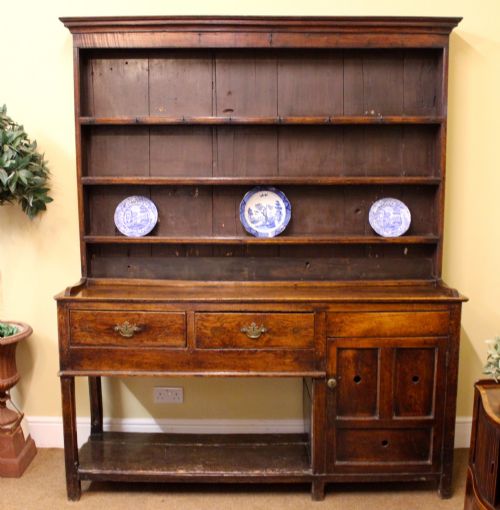
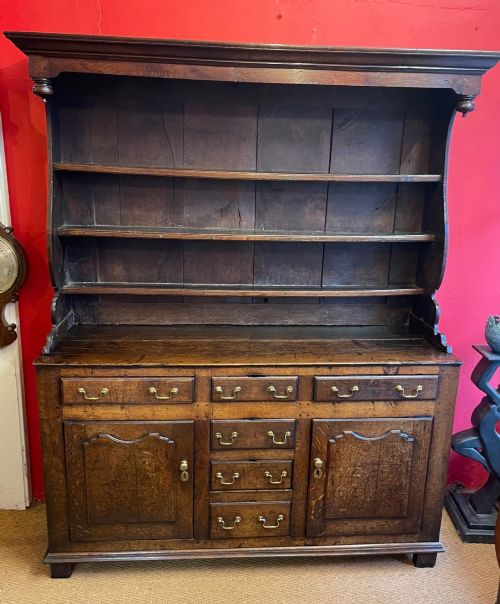
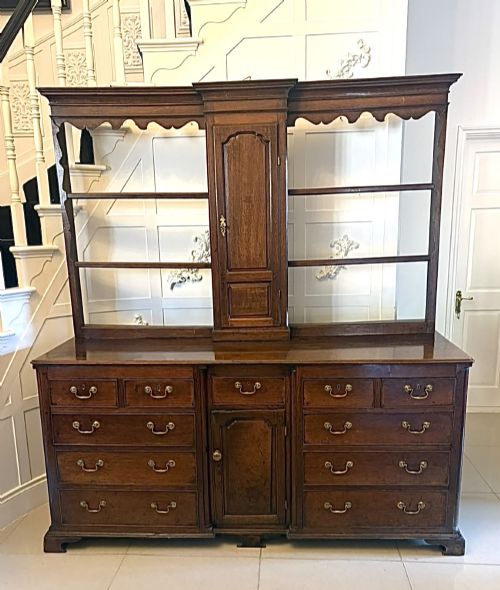
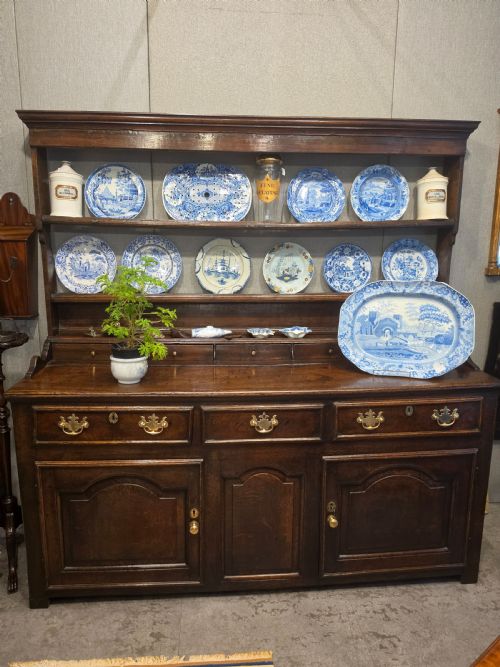
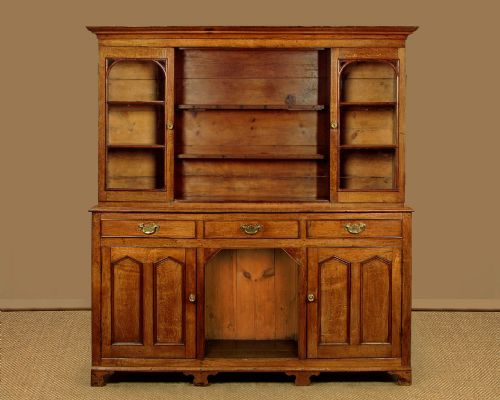
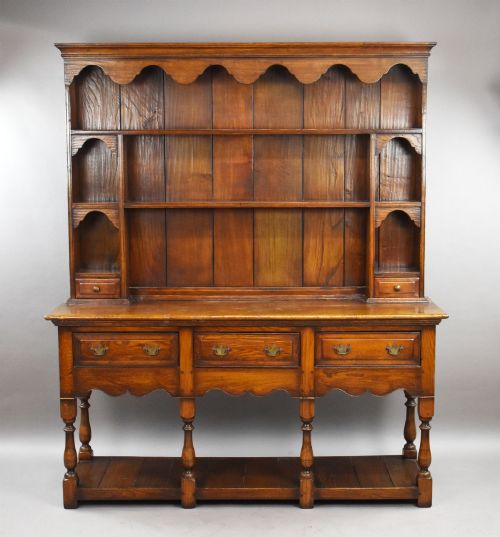
Georgian Kitchen Dresser
These georgian kitchen dresser examples bring working domestic history straight into modern spaces, offering robust timber construction and generous storage.
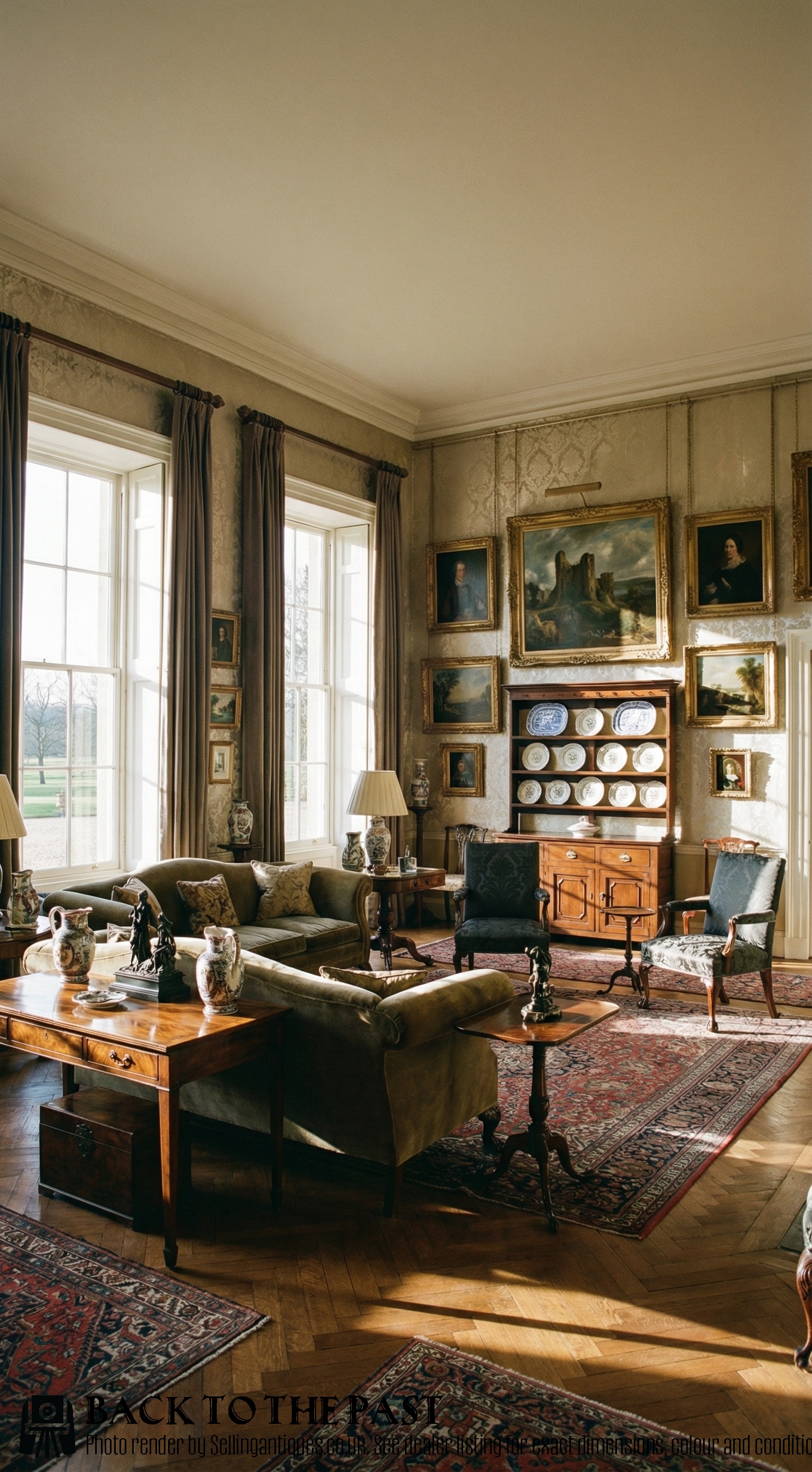
Georgian Kitchen Dresser
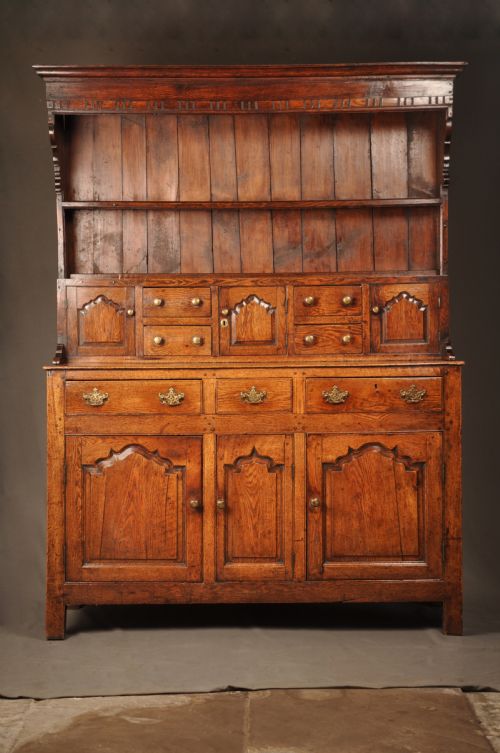
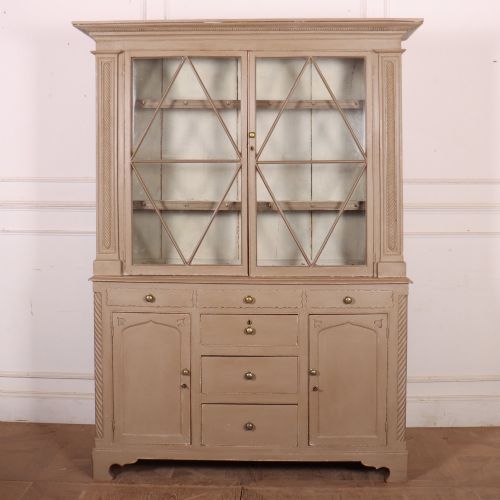
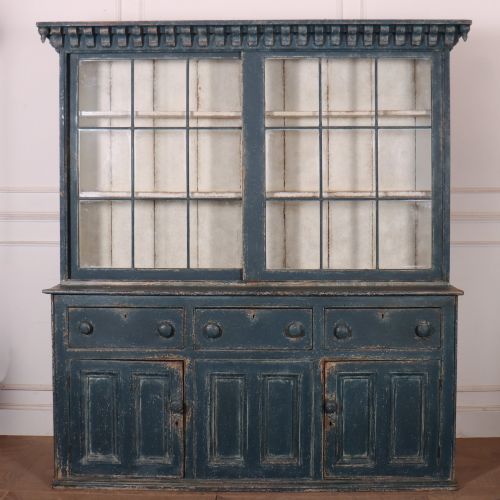
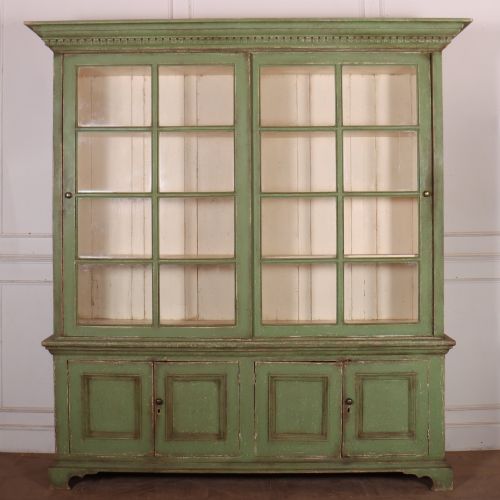
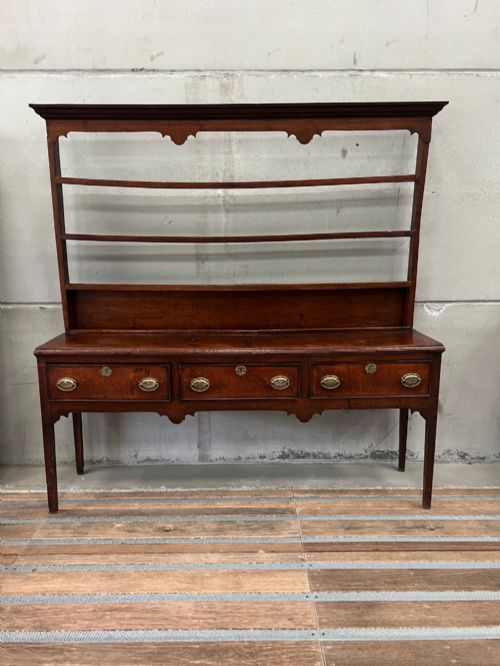
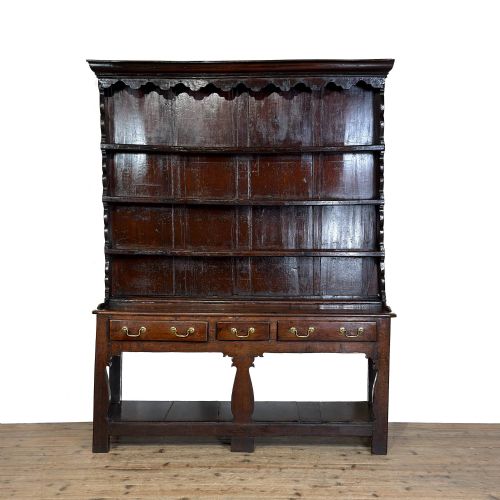
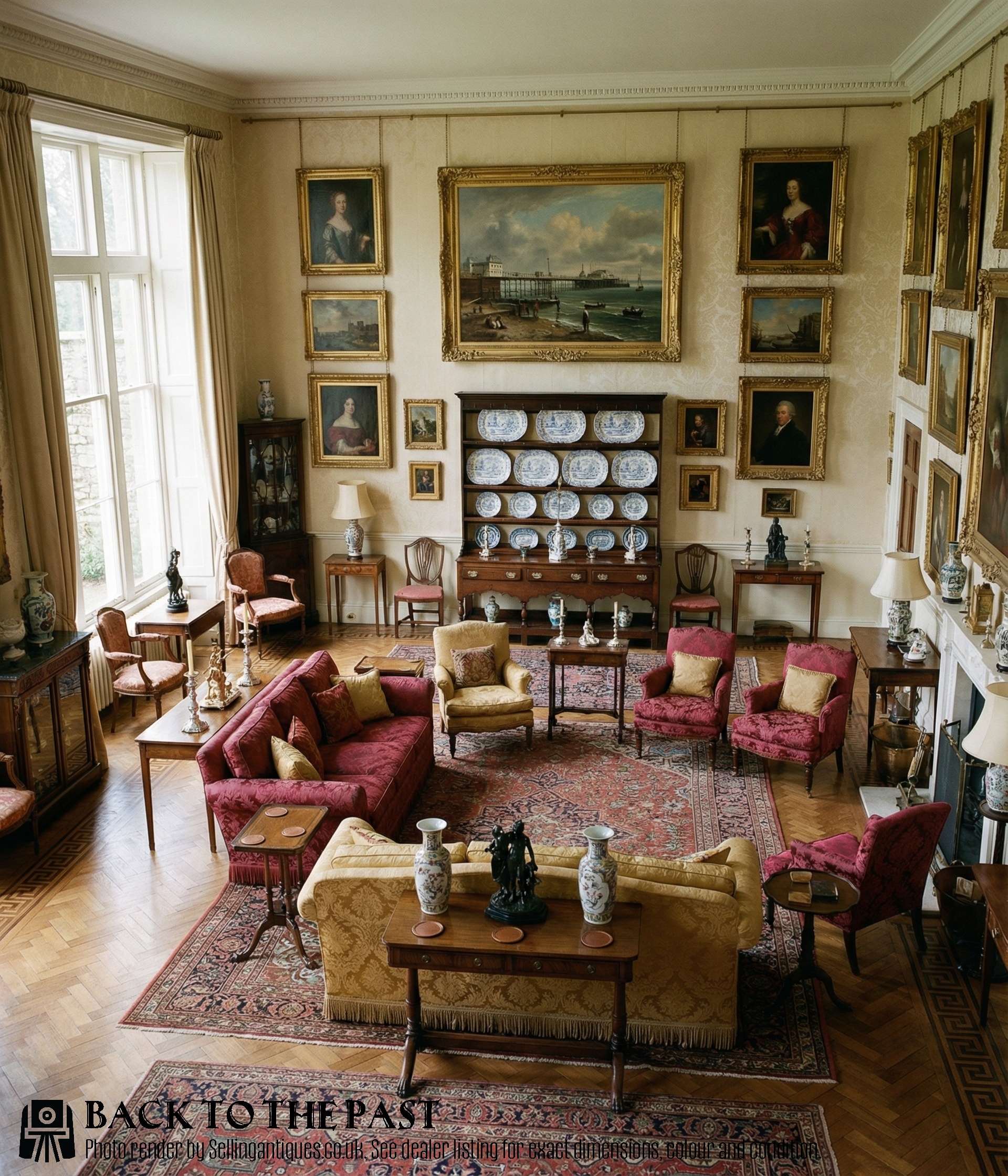
A georgian kitchen dresser forms the backbone of traditional domestic storage, designed for everyday utility in country houses and farmhouses. These pieces typically combine a lower section of drawers and cupboards with an upper plate rack or display shelving.
The versions most commonly met here span the eighteenth and nineteenth centuries, executed in regional British styles including West Country vernacular and Welsh forms. Oak and pine dominate the selection, often showing the honest marks of long utility in working kitchens.
Makers ranged from local cabinet makers to regional joiners who utilised native hardwoods and softwoods. Their output prioritised practical storage for ceramics and provisions over delicate ornamentation.
How they were made
Construction relies upon native timbers such as oak, pine, elm, and burr walnut, frequently paired with brass hardware and bone escutcheons. Carpenters employed traditional joinery methods to build two-part structures that could support heavy loads of crockery.
Surfaces display various finishes, from polished oak and waxed elm to original painted pine and yellow pine. Glass doors and open plate racks appear on specific regional variants, while mahogany accents feature in select Welsh examples.
Georgian Kitchen Dresser Retail Price Guide 2026
Typical asking prices for georgian kitchen dresser among the pieces listed under this phrase on Sellingantiques today, from the lower quarter to the upper quarter. They describe what is for sale here now, not the wider market.
Listings feature periods spanning from 1750 through the 19th century, alongside early 20th century Georgian revival pieces.
What varies in quality
Quality rests upon the proportion of timber selection and the integrity of the regional construction. Superior examples maintain their original two-part configuration, honest surface patination, and intact brass or wooden fittings.
Lower quality or heavily restored pieces often exhibit mismatched timbers, replaced backboards, or scrubbed surfaces that have lost their historical context. The distinction lies in whether the piece retains its structural honesty and regional character.
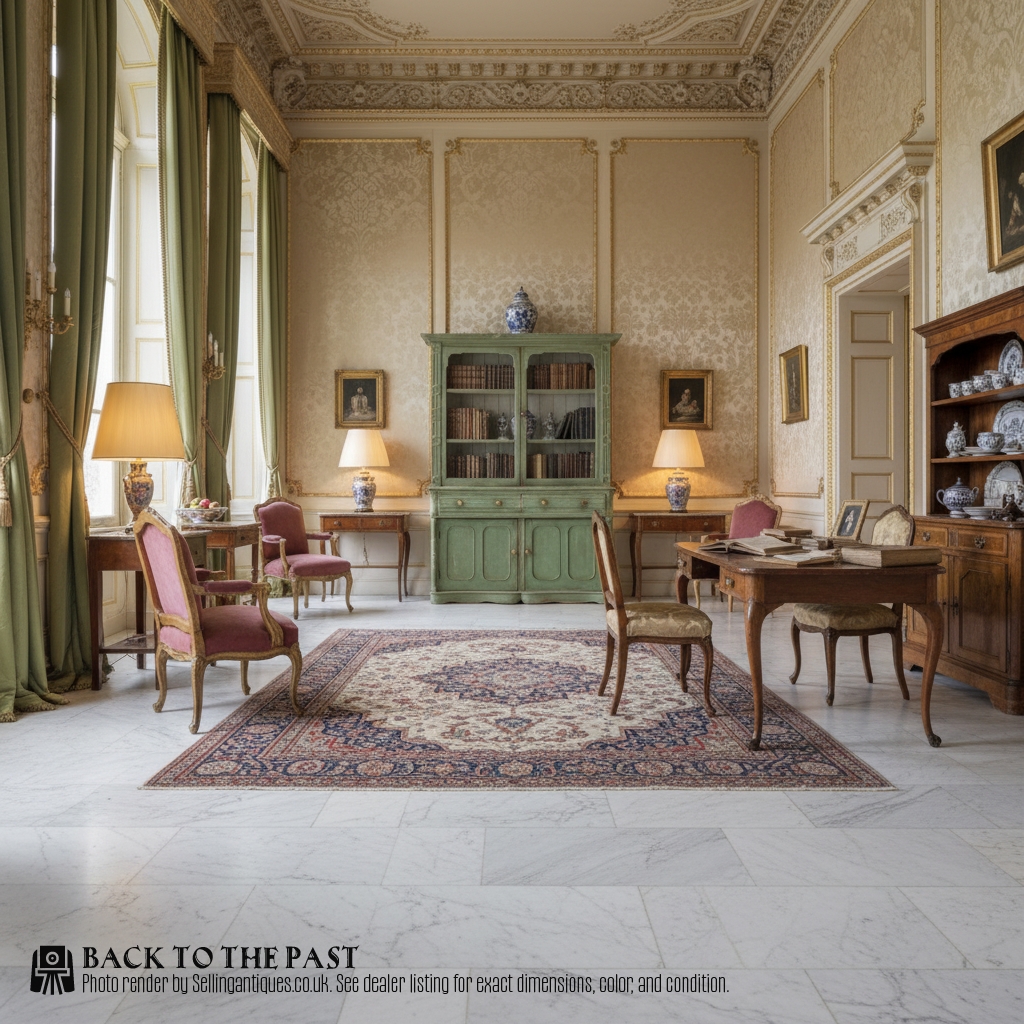
The Georgian Kitchen Dresser Glossary
- Welsh dresser
- A traditional kitchen storage unit featuring an open plate rack above a base of drawers and cupboards. These pieces originate from Wales and often incorporate local timbers like oak and elm.
- Dresser base
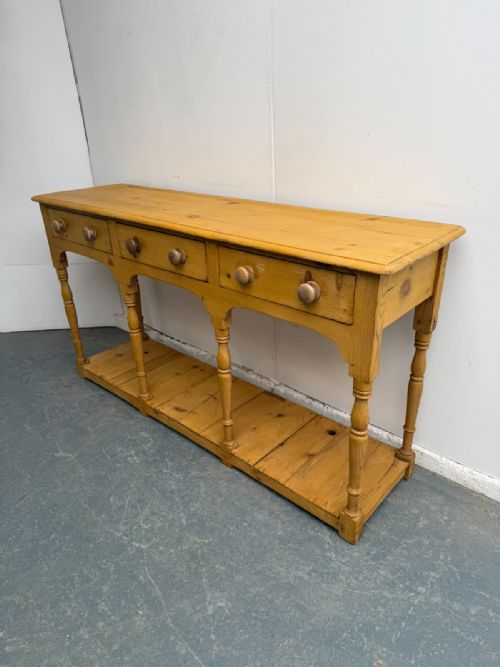
- The lower sideboard portion of a dresser without the upper plate rack. These standalone units functioned as working surfaces and storage cupboards in farmhouses.
- Vernacular
- Regional furniture built by local joiners using traditional methods and native materials rather than following metropolitan London fashions. West Country vernacular pieces show distinct local characteristics.
- Escutcheon
- A protective plate surrounding a keyhole, frequently fashioned from brass or bone on these dressers. It prevents the wood around the lock from splitting through repeated use.
Georgian Kitchen Dresser: Frequently Asked Questions
What is a georgian kitchen dresser used for?
These pieces served as the central storage and display unit in traditional kitchens and pantries. The upper shelves held everyday ceramics, while the lower cupboards and drawers stored foodstuffs and utensils.
Today, they perform a similar function in modern homes, providing generous display space for tableware alongside practical concealed storage.
Are these dressers made of solid wood?
Period dressers employ solid native timbers such as oak, pine, elm, and walnut throughout their construction. Joiners used thick boards for structural stability and heavy daily use in busy kitchens.
This solid timber construction allows the surfaces to develop a rich patina through generations of wax, wear, and cleaning.
How do I care for an antique wooden dresser?
Maintain these pieces by applying natural beeswax sparingly to nourish the dry timber and preserve the historic finish. Avoid placing them near direct heat sources or in fluctuating humidity to prevent wood movement.
Gentle dusting with a soft cloth keeps the surface clean without stripping away the accumulated character of the wood.