
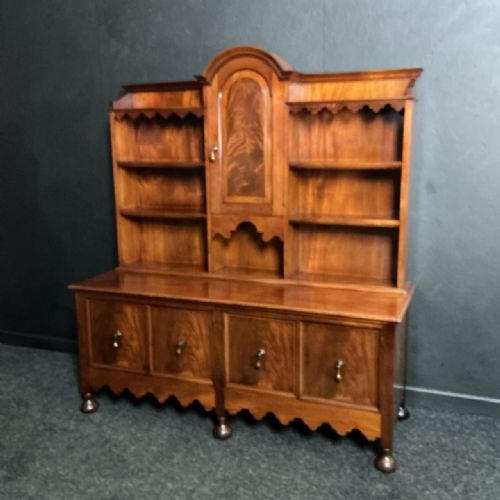
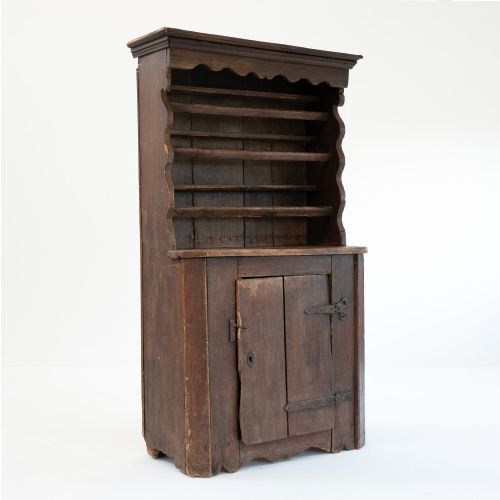
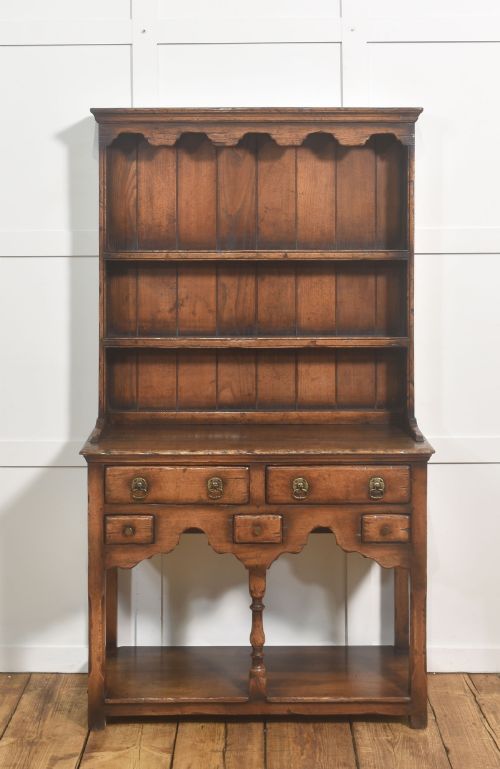
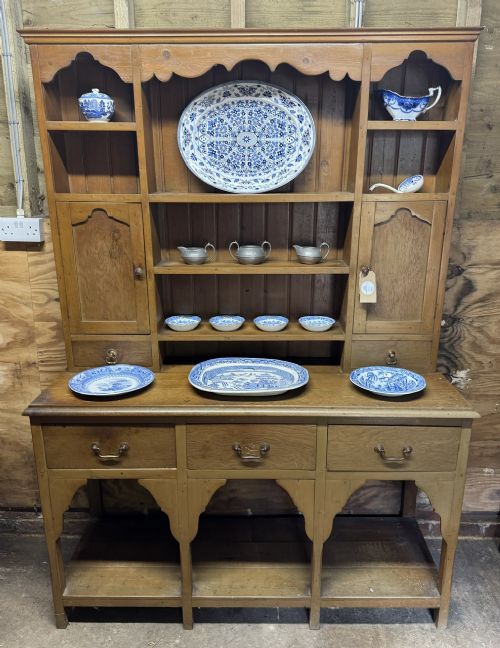
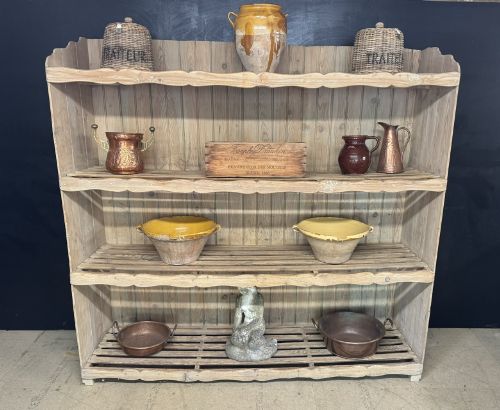
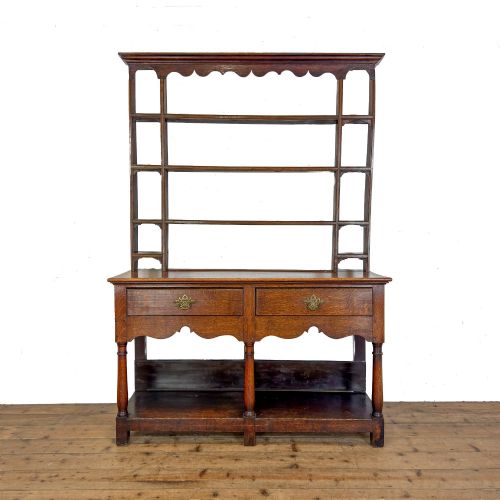
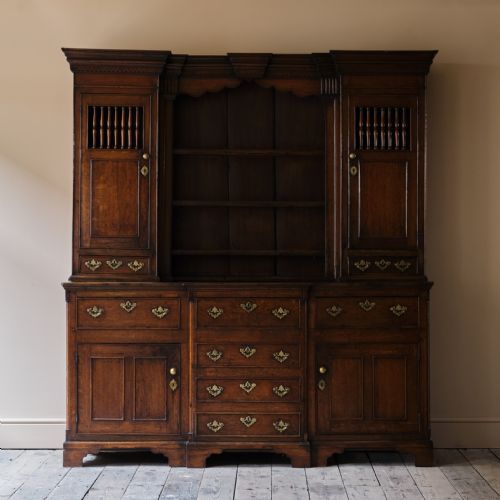
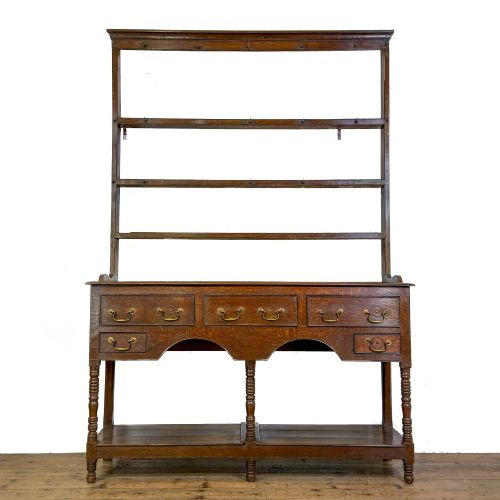

Antique Open Rack Dresser
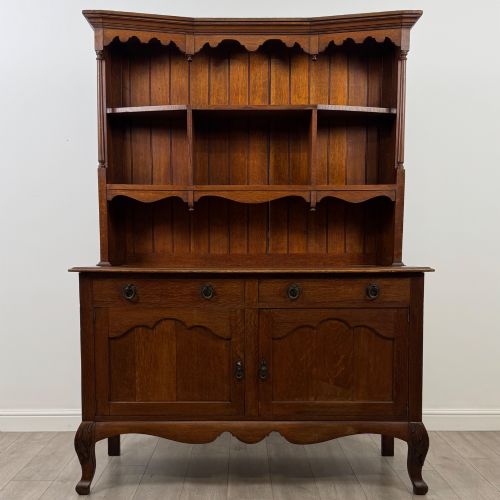
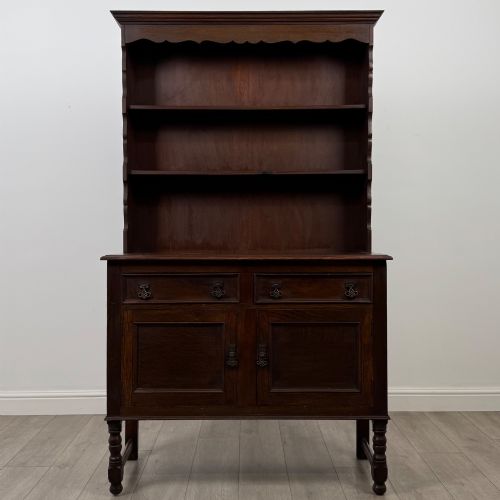
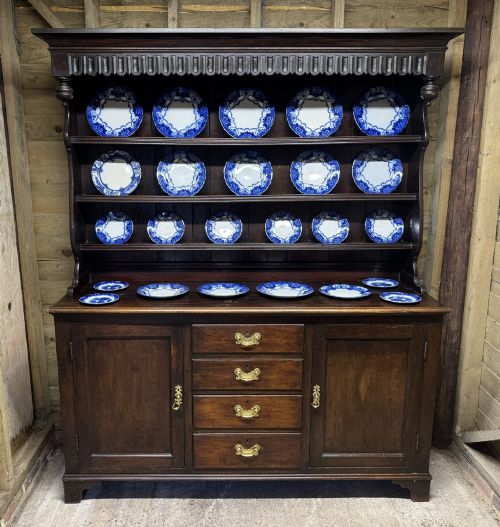
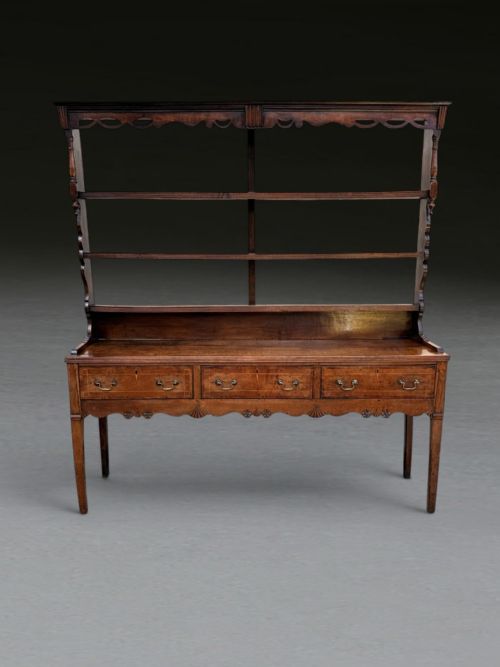
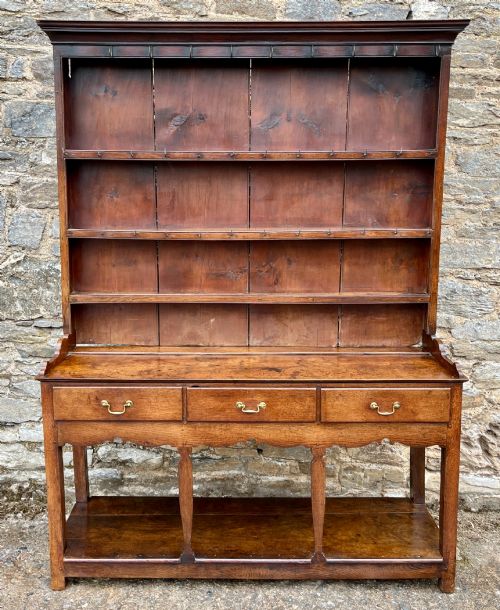
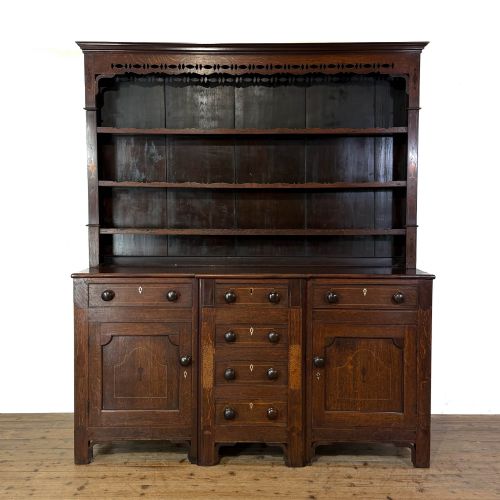
An antique open rack dresser brings robust timber storage and display to a room, offering practical plate holding alongside deep base cupboards.
Identifying your antique open rack dresser
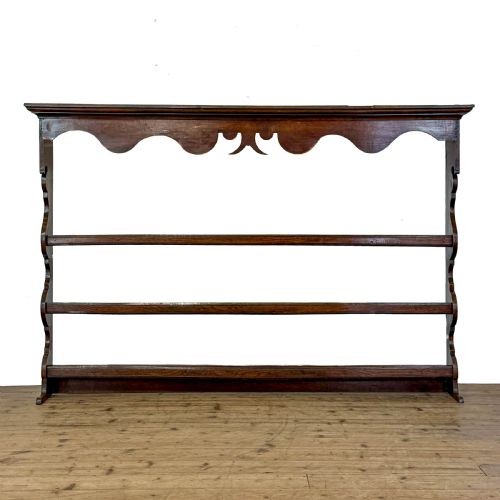
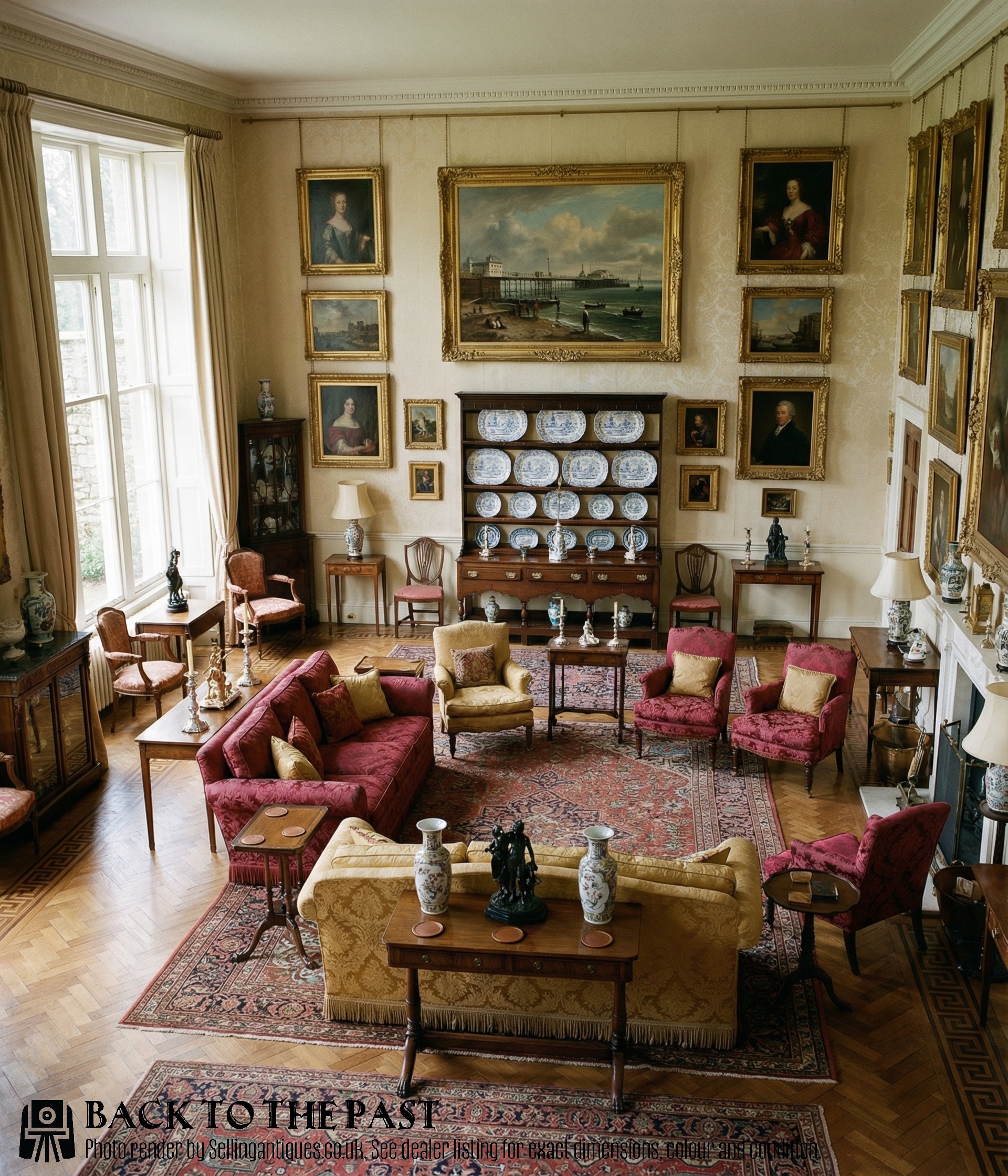
An antique open rack dresser combines a lower base unit of drawers and cupboards with an upper plate rack featuring open shelves. These pieces date across the eighteenth century, encompassing George III, Georgian, and early provincial British and American examples.
You will most commonly encounter substantial timber carcases designed for rural and country house interiors. The forms span two-part constructions and regional variations such as Welsh dressers and Colonial American formats.
The underlying architecture prioritises utility, presenting broad top boards for serving alongside vertical shelving to display ceramic plates and pewter. Surviving examples demonstrate the evolution of domestic storage across the Georgian era and provincial workshops.

Construction and materials
Joiners built these carcases primarily using native hardwoods, predominantly oak alongside cherrywood, walnut, and maple. Timber selection depended on regional availability, utilising solid planks for heavy top boards and drawer fronts.
Construction techniques involve traditional pegged framing, hand-cut dovetails for drawer boxes, and board backs secured with handmade iron nails. Hardware typically consists of brass pulls and escutcheons fitted to panelled cupboard doors.
Retail Price Guide 2026
Typical UK retail prices for open rack dresser, calculated from the Sellingantiques database of over a million retail prices indexed since 2003. This retail price guide relies exclusively on Sellingantiques data; no external sources or auction records are used, so the figures do not describe the wider market.
Some antique plate racks retain centuries of accumulated kitchen dust trapped tightly behind the plate grooves.
Assessing quality and character
Superior examples display balanced proportions between the deep base and the height of the upper rack, showing careful selection of figured grain across primary drawer fronts. The integration of original brass hardware and untouched surface patination elevates a piece above standard utility furniture.
The sophistication of decorative mouldings, such as banded cornices on the plate rack or fielded panels on the base doors, marks the distinction between provincial workshop output and finer country house commissions.
The Antique Open Rack Dresser Glossary
- Two part dresser
- A form constructed in separate upper and lower sections to facilitate transport and placement. This modular approach distinguishes major case furniture from smaller single-piece items.
- George III
- The stylistic period spanning the mid to late eighteenth century, defining furniture proportions and architectural details of the era. Pieces from this reign display characteristic classical restraint.
- Fielded panel
- A raised wooden panel set within a frame, tapered at the edges to fit a recessed groove. This technique prevents wood warping while adding architectural depth to cupboard doors.
Frequently Asked Questions
What is an open rack dresser?
An open rack dresser is a dual-purpose furniture form featuring a lower storage base with drawers and cupboards beneath an open-shelved upper rack.
The upper section is designed specifically for displaying ceramic plates and platters, while the heavy base serves as a sideboard surface and enclosed storage.
How are these dressers dated?
Dating relies upon structural characteristics, timber species, hardware types, and joinery methods observed across the carcase. Eighteenth-century pieces typically exhibit hand-cut dovetails, pegged joints, and native hardwoods such as oak or walnut.
Changes in cornice mouldings and panel construction also help place a piece within the Georgian period.
Where were these dressers made?
These pieces originated in regional workshops, country houses, and provincial cabinet makers across Britain and America. Specific regional types include Welsh formats and Colonial adaptations.
Local timber availability heavily influenced whether the maker used oak, cherrywood, or maple for the construction.
How do I care for antique timber?
Preserving antique timber requires maintaining stable indoor humidity and avoiding direct exposure to heat sources or strong sunlight. These precautions prevent the wood from drying out or splitting.
Applying occasional appropriate wax polish helps nourish the surface and maintain the historic patination accumulated over centuries.