


18th Century Welsh Dresser
When you search for an 18th century welsh dresser, you find robust domestic furniture built to store and display household provisions in country homes.
18th Century Welsh Dresser
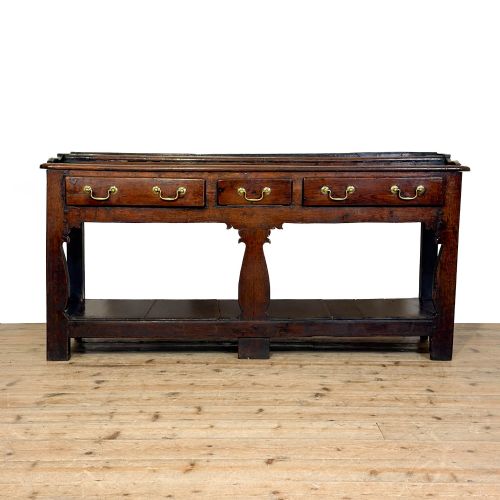
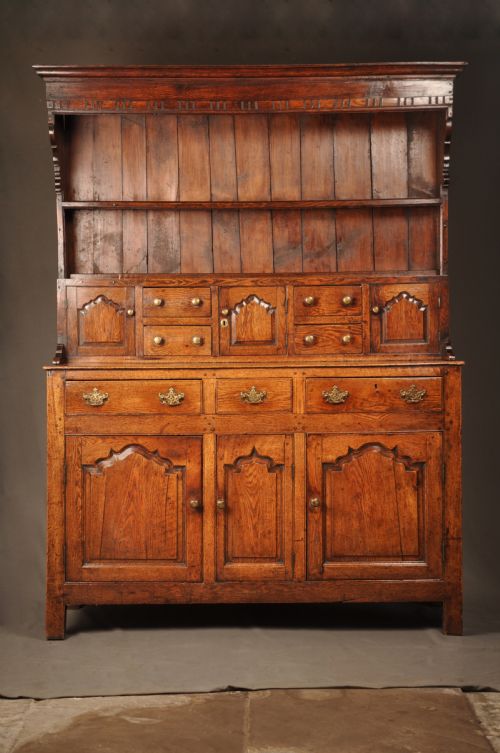
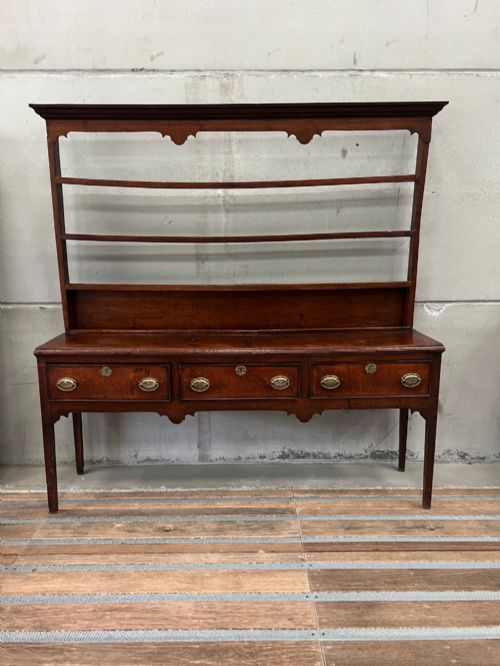
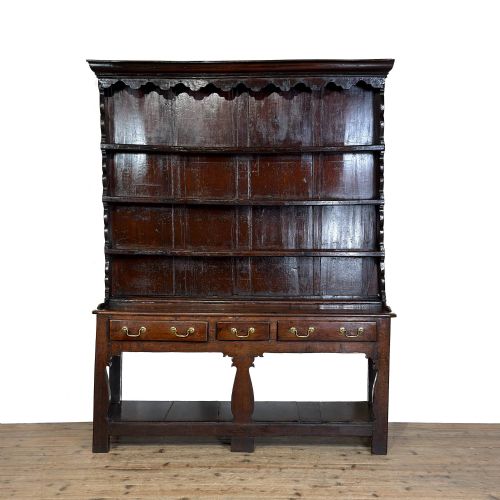
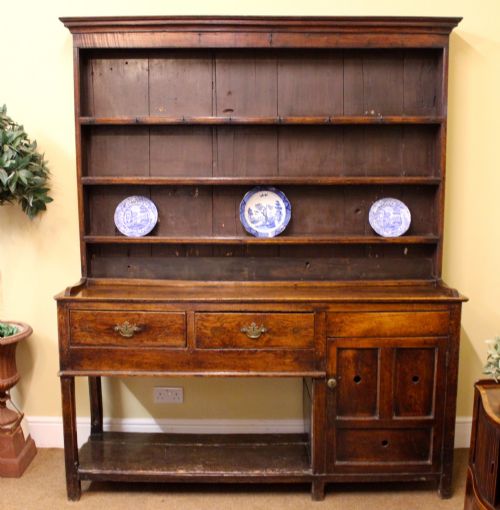
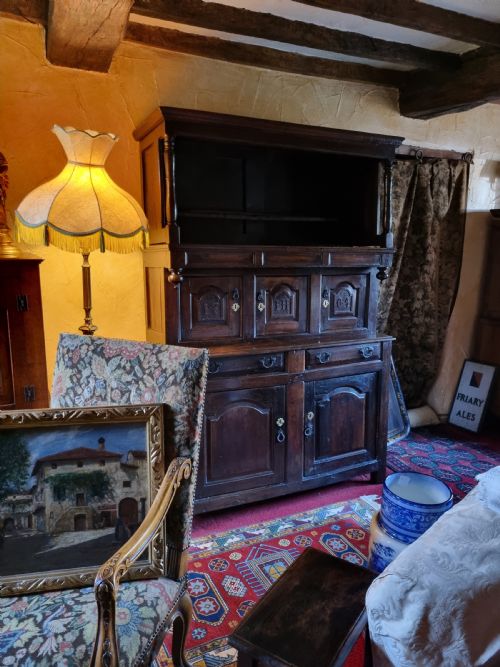
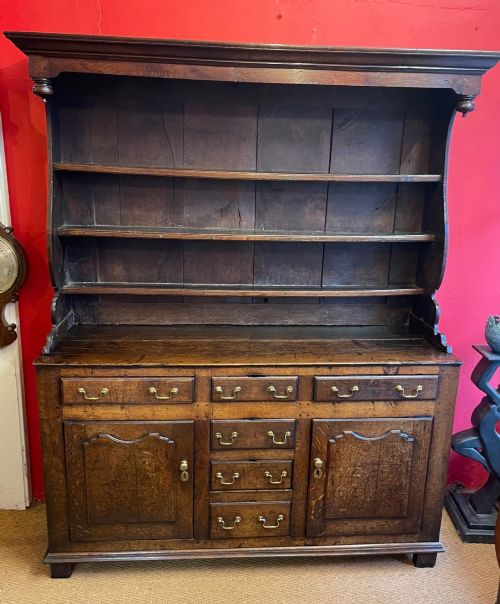
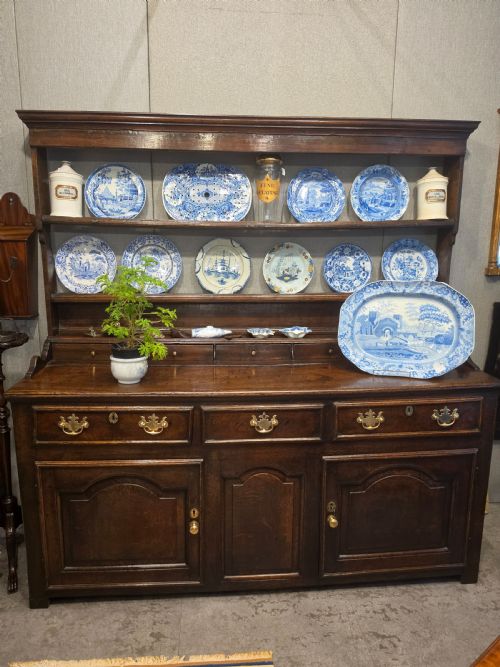
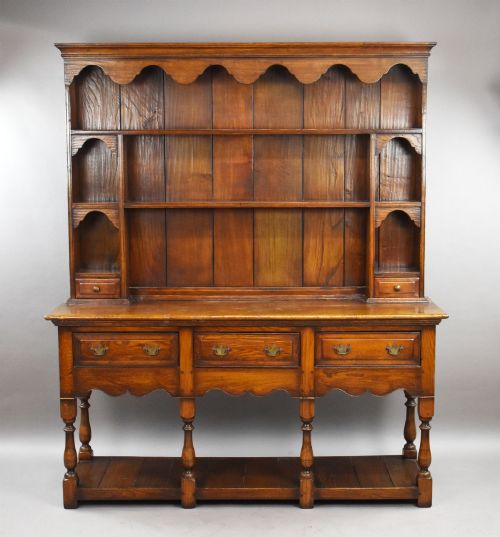
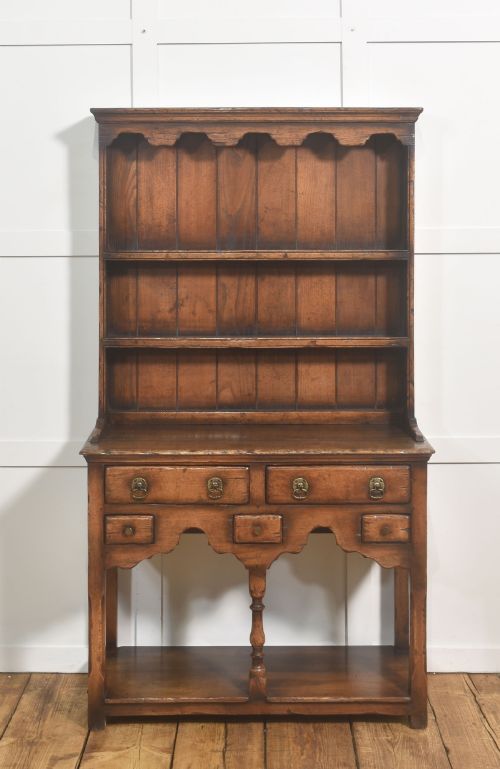
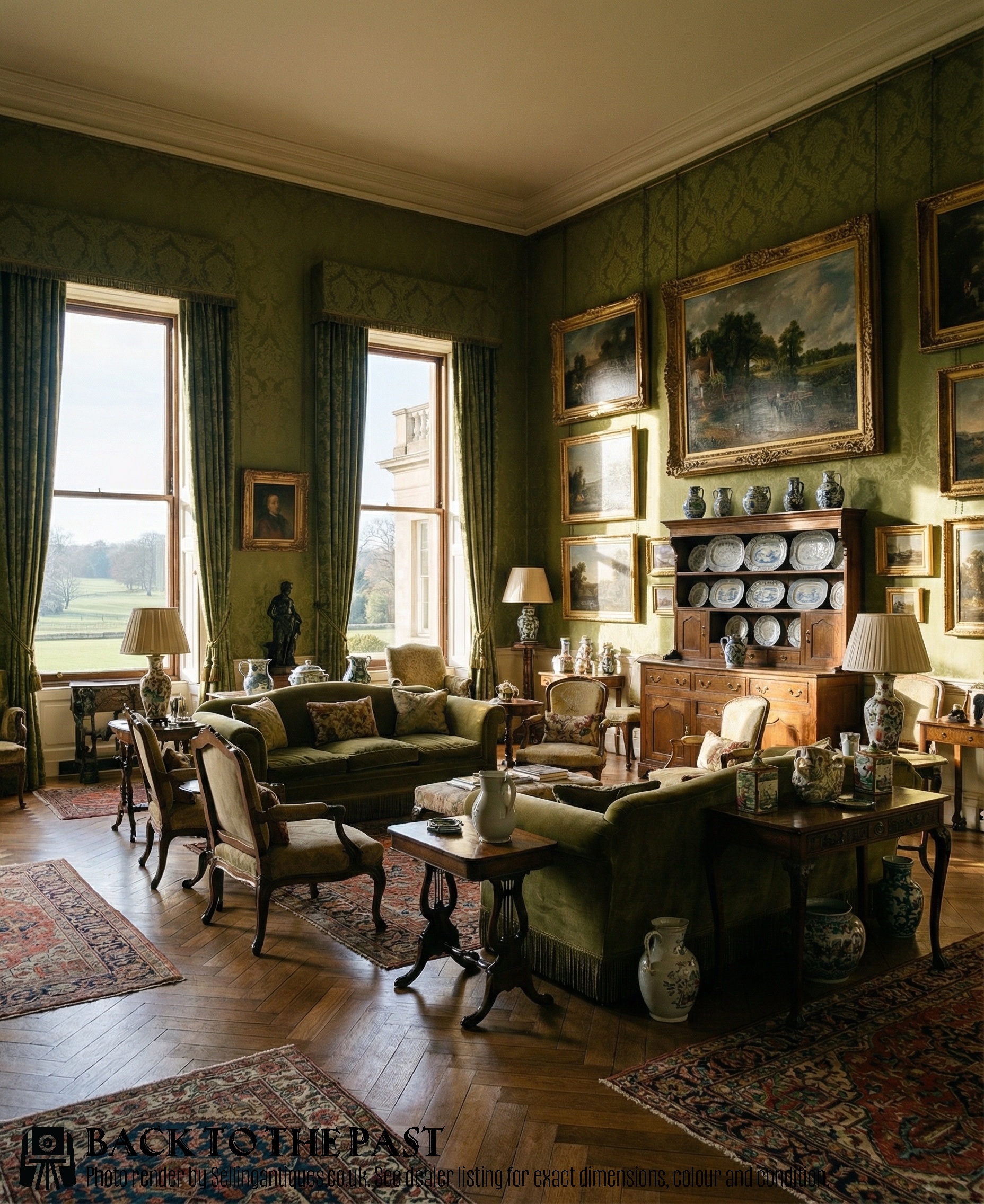
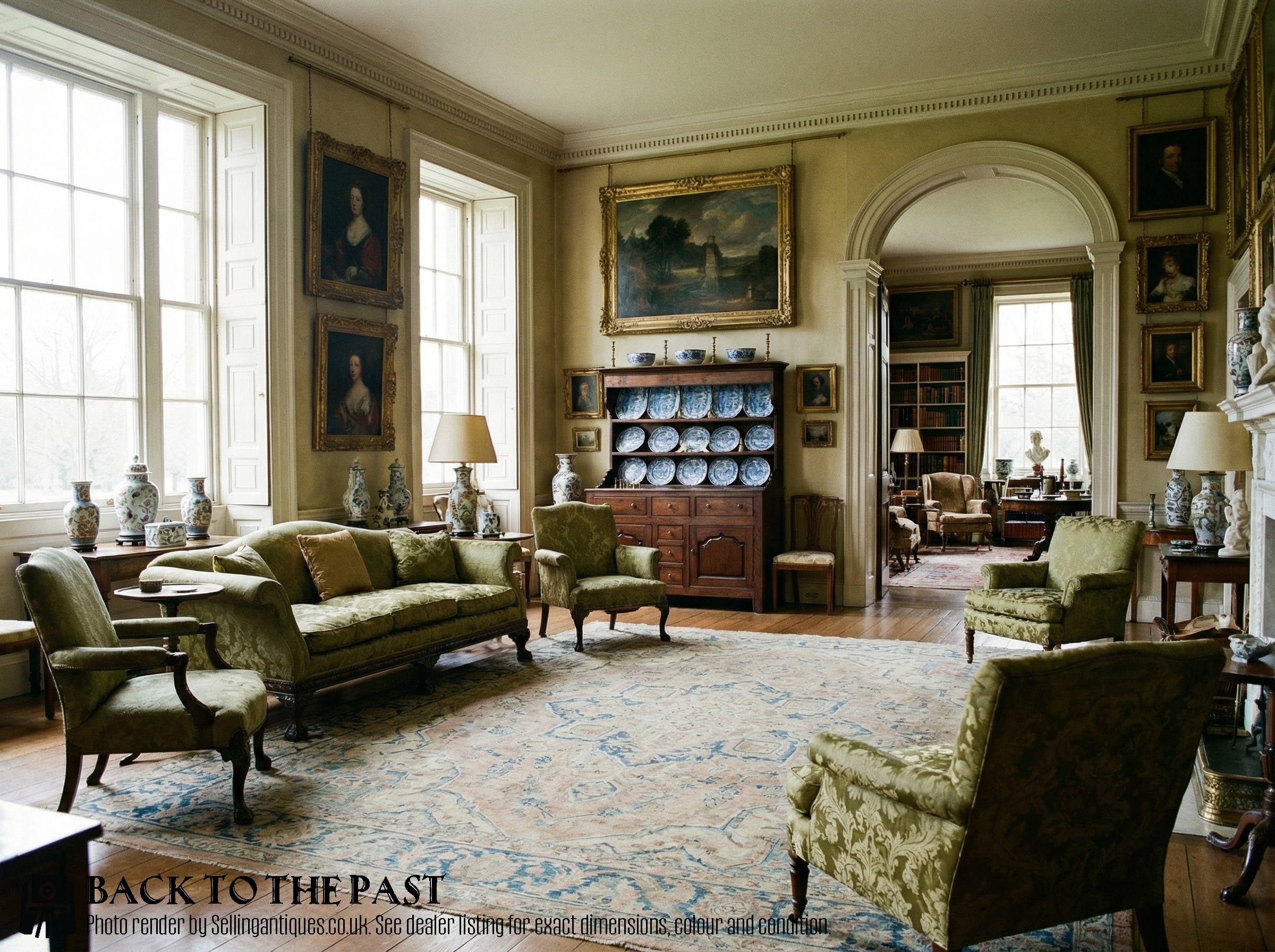
An 18th century welsh dresser typically combines a lower section of drawers and cupboards with an upper plate rack for displaying ceramic tableware. These pieces served as the functional heart of domestic spaces, holding everyday kitchen provisions and serving platters.
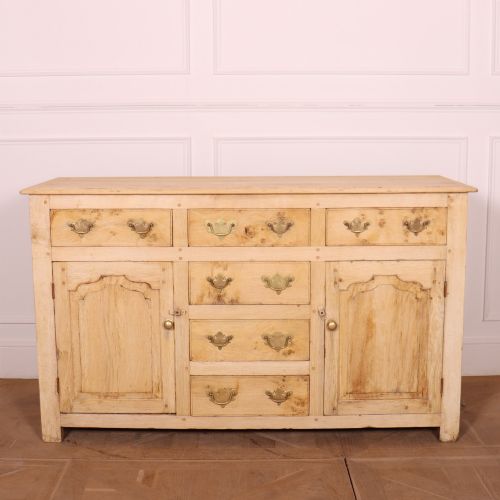
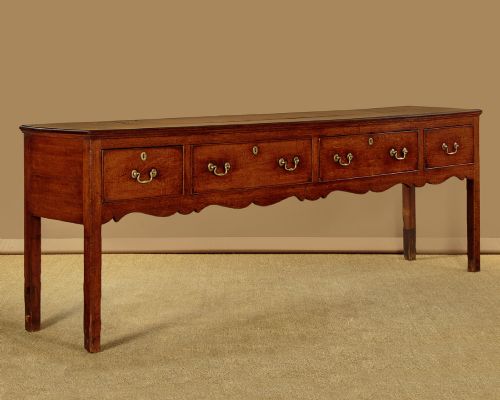
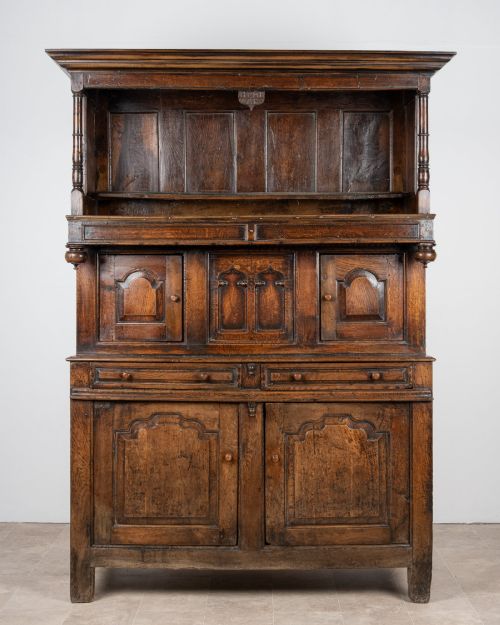
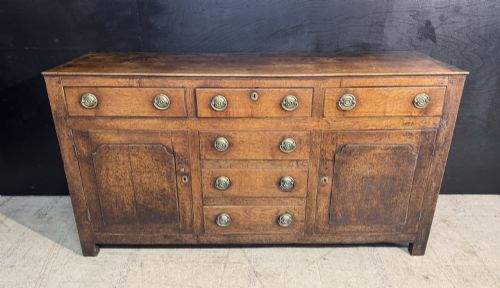
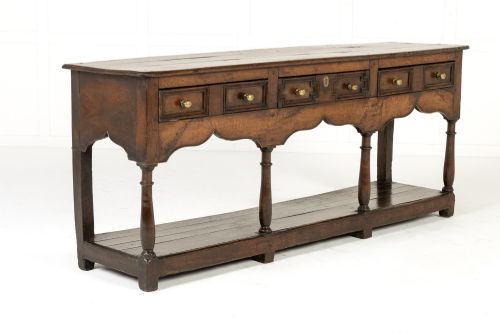
The form ranges from complete two-part arrangements with open shelving to open-backed platerack designs and low dresser bases without upper tiers. Regional variations include distinct regional iterations from Snowdonia, Carmarthenshire, and Shropshire.
Most examples found in the listings date from the 18th century through the Georgian period, utilising traditional country construction methods. Buyers frequently encounter open-backed plate racks, potboard bases, and multi-drawer configurations.
How they were made
Makers relied primarily on native timber, constructing the main frames and surfaces predominantly in oak, alongside secondary uses of elm, pine, and inlay wood. Brass handles and escutcheons provided functional hardware, while iron and wrought iron components supported internal mechanisms.
Joinery techniques focused on durability, utilising pegged joints, board construction for shelves, and hand-cut dovetails for drawer boxes. Surfaces received plain finishes, occasionally featuring painted pine or decorative inlay work to accent the timber grain.
18th Century Welsh Dresser Retail Price Guide 2026
Typical asking prices for 18th century welsh dresser among the pieces listed under this phrase on Sellingantiques today, from the lower quarter to the upper quarter. They describe what is for sale here now, not the wider market.
Some country dressers feature tiny hidden spice drawers tucked away beneath the main tier to guard precious kitchen imports.
What varies in quality
The standard of craftsmanship shows in the selection of timber and the integration of the upper rack to the base. Superior examples exhibit well-figured oak boards, balanced proportions, and retained original brass hardware.
Regional detailing also sets individual pieces apart, such as spice drawers, potboard undershelves, or complex cornices. Surface condition contributes significantly, with mellow patination distinguishing pieces that retain their early finish.
The 18th Century Welsh Dresser Glossary
- Potboard dresser base
- A low cabinet featuring an open lower shelf for storing pots and pans beneath the main work surface.
- Plate rack
- An upper shelving unit designed to display plates and platters upright against a wall or backboard.
- Cwpwrdd tridarn
- A traditional Welsh three-part press cupboard incorporating display and storage compartments.
- Inlay wood
- Contrasting timber inserted into the primary surface to create decorative patterns or banding.
- Vernacular style
- Furniture built by local country craftsmen following regional traditions rather than metropolitan fashions.
18th Century Welsh Dresser: Frequently Asked Questions
What is a potboard dresser?
A potboard dresser includes a low open shelf beneath the main counter space, historically used to store heavy cooking pots.
This lower platform sits just above the floor, supported by sturdy corner posts.
Did all dressers have plate racks?
Many dressers were built as two-part combinations featuring plate racks, while others survive simply as dresser bases.
Owners often paired base units with separate shelves or used the flat top surface independently for food preparation.
How do I identify regional styles?
Regional characteristics appear in architectural details like cornices, cupboard door layouts, and specific timber choices.
Pieces originating from areas such as Snowdonia or Carmarthenshire often display distinct local framing traditions.
How should I care for oak furniture?
Oak furniture benefits from stable indoor humidity levels and protection from direct, prolonged sunlight.
Applying traditional wax polish occasionally helps nourish the timber and maintain the surface sheen.