




Welsh Potboard Dresser
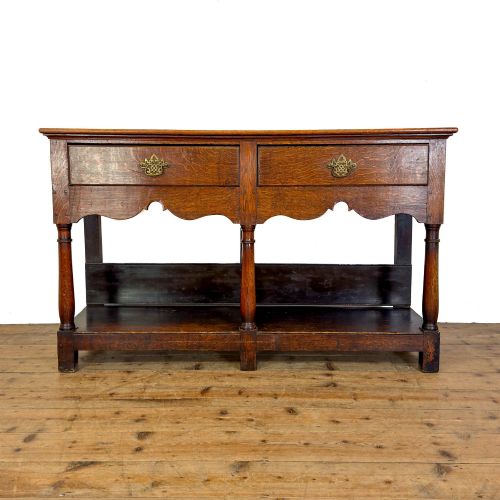
When you search for a welsh potboard dresser, you are looking at a robust domestic table base with a lower open shelf designed for heavy kitchen storage.
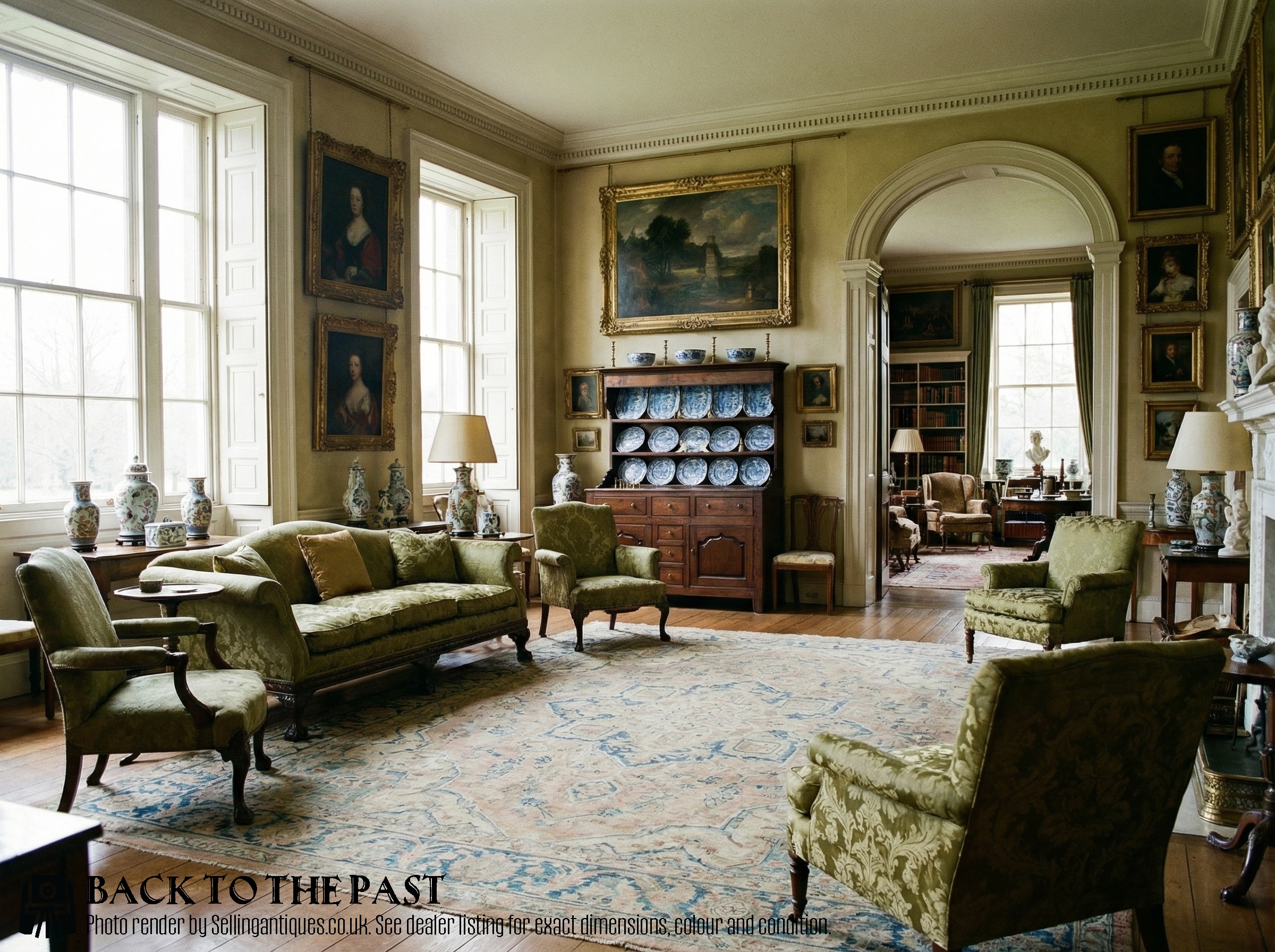
Welsh Potboard Dresser
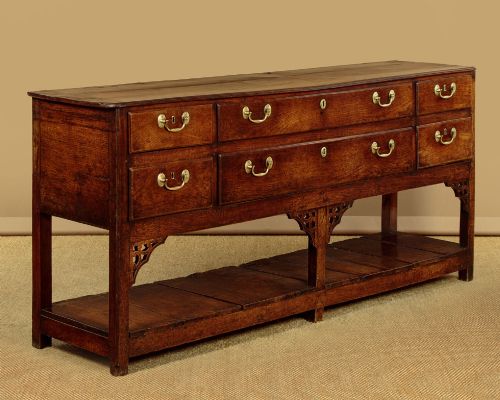
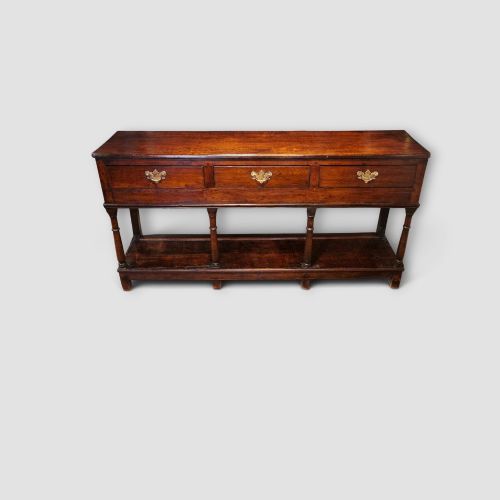
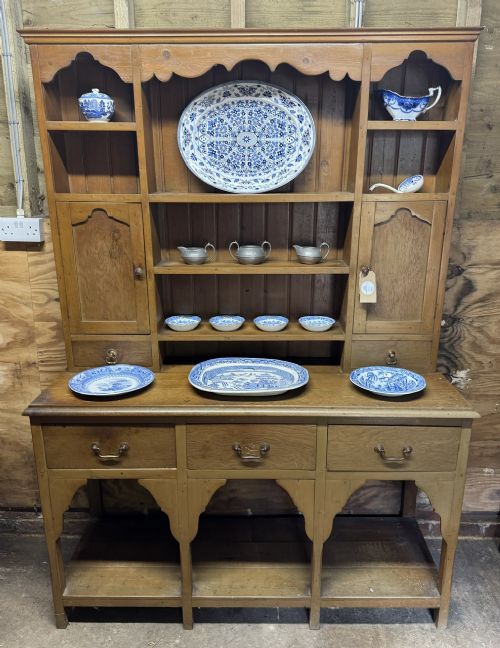
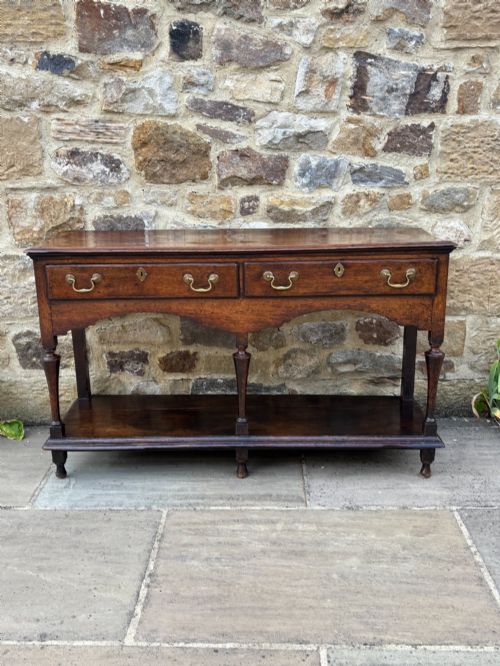
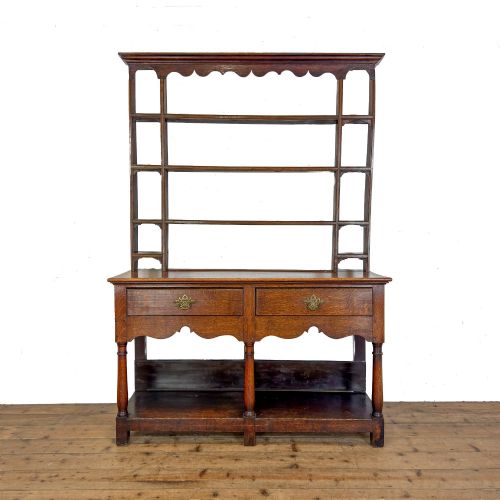
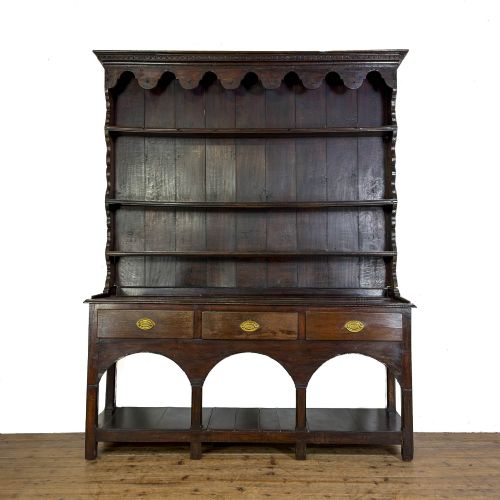
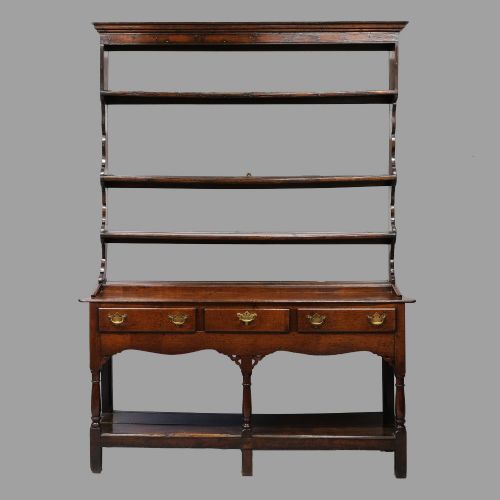
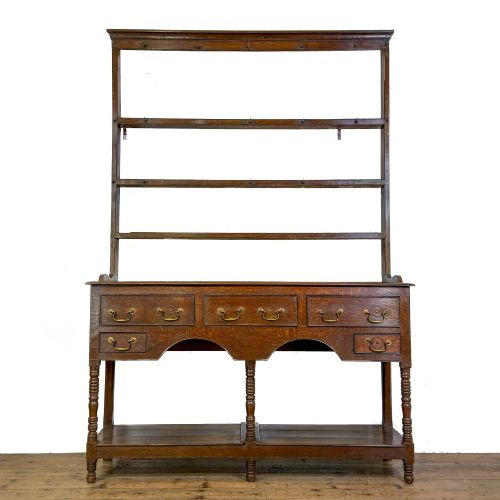
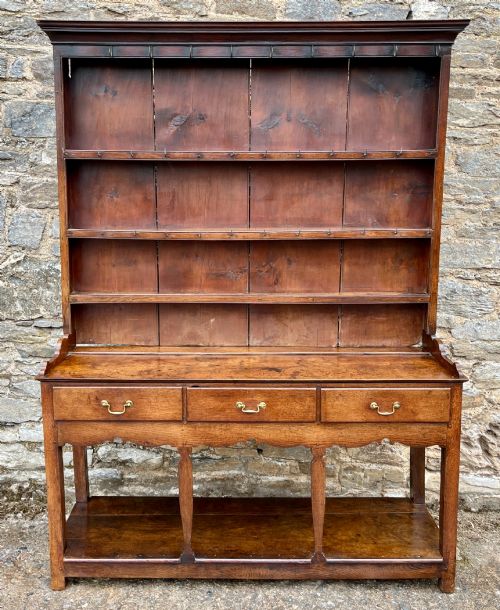
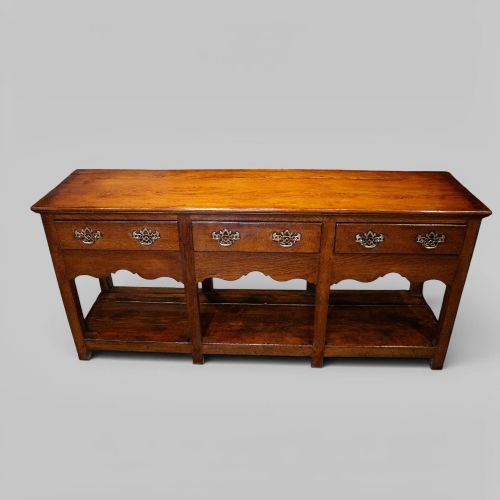
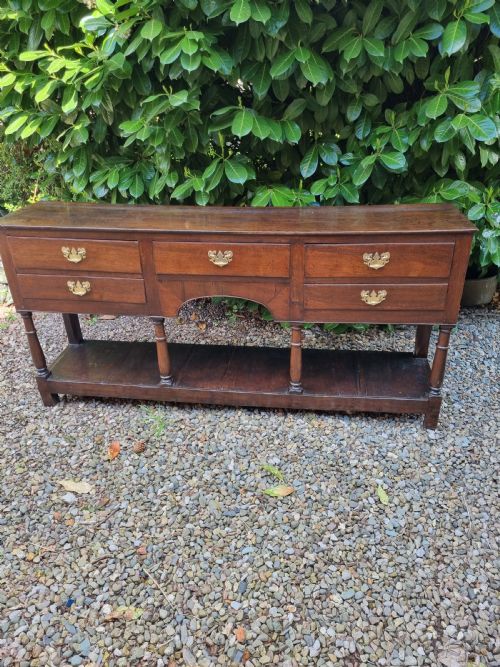
A welsh potboard dresser combines a long serving surface or base with multiple drawers above an open low shelf known as a potboard, occasionally paired with an upper plate rack. These domestic items originate primarily from eighteenth and nineteenth century periods, carrying regional traits from Montgomeryshire, Glamorgan, and Carmarthenshire.
The dominant material found across these examples is native oak, though variants appear in pine, elm, and burr walnut with painted finishes or brass and iron hardware. Pieces range from compact cottage proportions to wider two-part constructions featuring spice drawers, open plate backs, and geometric carvings.
Materials and Construction
Joiners built these items using native timbers such as oak, pine, and elm, relying on solid board construction for table tops and lower potboard shelves. Drawers frequently utilised secondary woods for linings, joined with hand-cut dovetails, while structural framing employed traditional pegged mortise and tenon joints.
Surfaces developed organic textures over centuries of domestic use, retaining original patinas, wax polish, or early painted finishes. Hardware components like brass drop handles, escutcheons, and iron hinges were fitted directly to drawer fronts and cupboard doors.
Welsh Potboard Dresser Retail Price Guide 2026
Typical asking prices for welsh potboard dresser among the pieces listed under this phrase on Sellingantiques today, from the lower quarter to the upper quarter. They describe what is for sale here now, not the wider market.
Several examples feature tiny hidden spice drawers tucked away beside the main tier, perfect for storing bygone culinary secrets.
Character and Proportion
Proportion and scale dictate the visual weight of a base, with smaller country examples and compact formats commanding particular attention. The presence of original surface patinas, unaltered potboards, and matching upper racks elevates the integrity of an individual piece.
Regional construction details, such as spice drawer arrangements, multi-drawer facades, and subtle geometric carvings on the frieze, separate standard utilitarian workshops from more ambitious vernacular cabinet making.
The Welsh Potboard Dresser Glossary
- Potboard
- A low open shelf fitted between the lower legs of a dresser base, traditionally used for storing pots and pans. This lower tier defines the core architecture of the furniture type.
- Plate Rack
- An upper wooden shelving structure attached to or hung above a dresser base to display plates and ceramics. These racks often feature plate grooves and small spice drawers.
- Vernacular
- Regional domestic furniture built by local joiners using traditional methods and native timbers rather than following strict metropolitan pattern books. This style reflects the specific character of Welsh country workshops.
- Patina
- The surface sheen and texture developed on wood over long periods through handling, polishing, and natural ageing. Original patinas show the genuine history of domestic use.
- Dresser Base
- The lower sideboard portion of a dresser, featuring a flat working top above drawers and cupboards. Bases occur both independently and paired with plate racks.
Welsh Potboard Dresser: Frequently Asked Questions
What is a potboard dresser used for?
These pieces served as the central storage and preparation hub in historic kitchens, holding cookware on the lower shelf and provisions in the drawers.
The flat top provided space for food preparation while upper racks displayed ceramic plates and daily tableware for easy access.
Are all potboard dressers from Wales?
While many examples originate from Welsh counties such as Carmarthenshire and Glamorgan, similar vernacular forms appear across English country workshops.
Regional characteristics like specific drawer layouts and native timber usage help distinguish Welsh pieces from English regional equivalents.
How do I clean and maintain antique oak?
Maintenance requires avoiding modern silicone polishes in favour of traditional beeswax to nourish the dry timber and protect the surface. Keeping pieces away from direct heat sources prevents wood shrinkage and splitting.
Gentle dusting with a soft cloth preserves the historic patina and protects the original finish built up over centuries.