
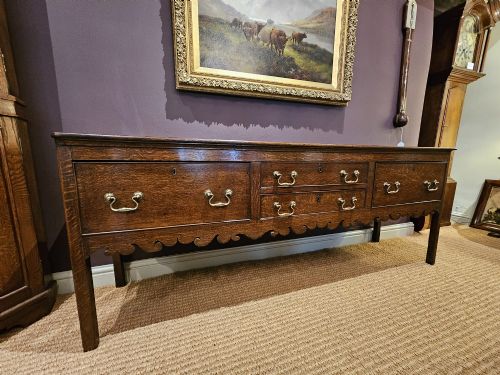
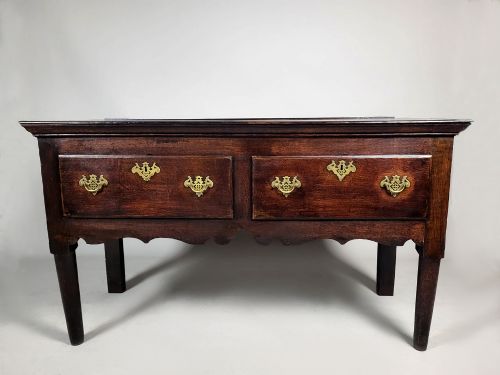

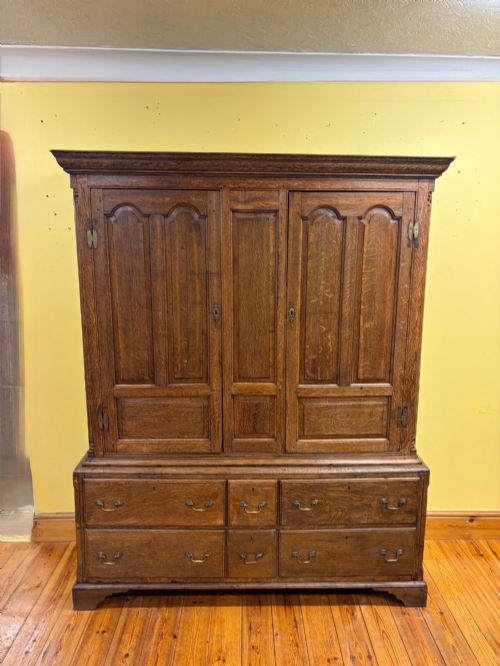
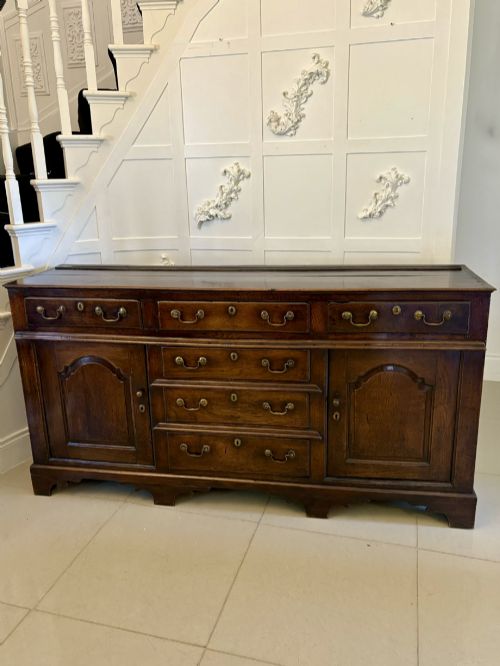

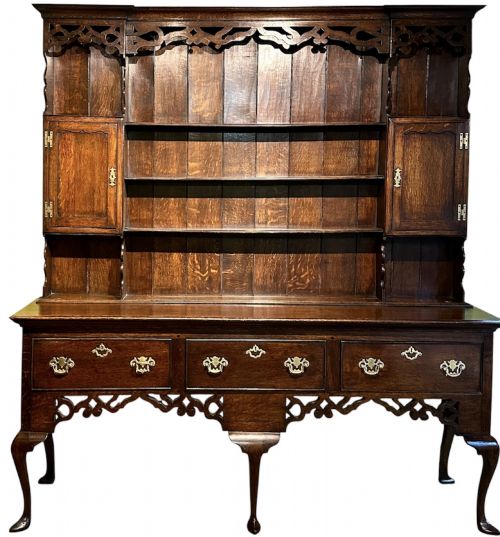
George III Oak Dresser
These george iii oak dresser pieces offer solid timber construction and period utility, providing practical storage and historic character for contemporary interiors.
George III Oak Dresser
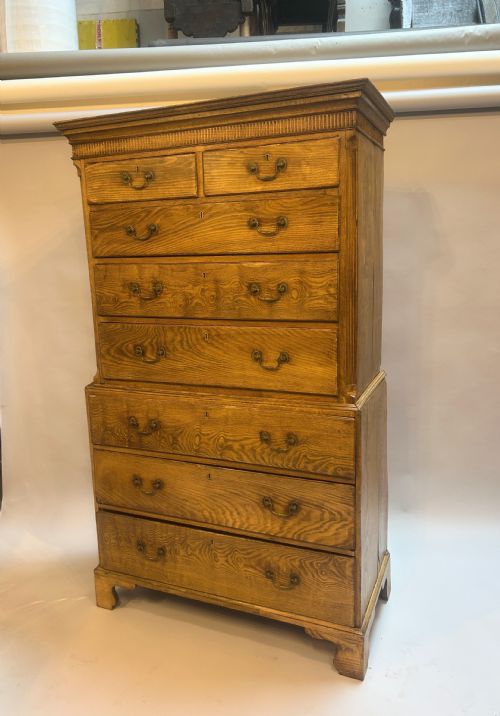
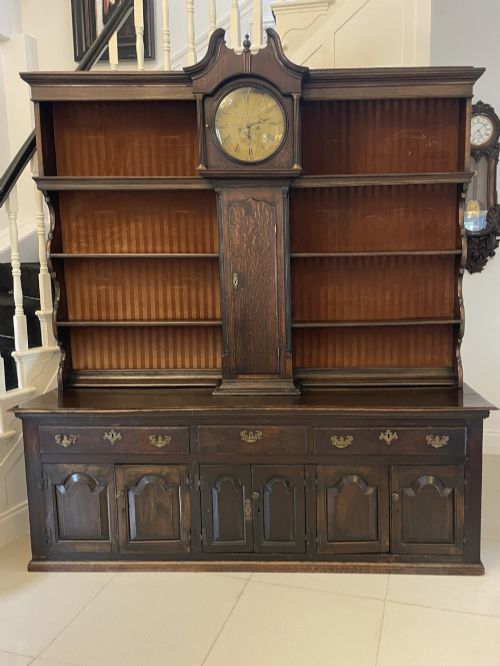
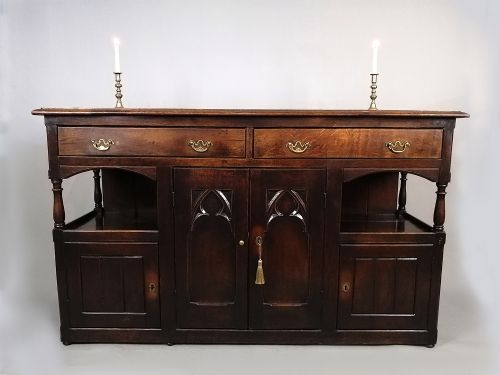
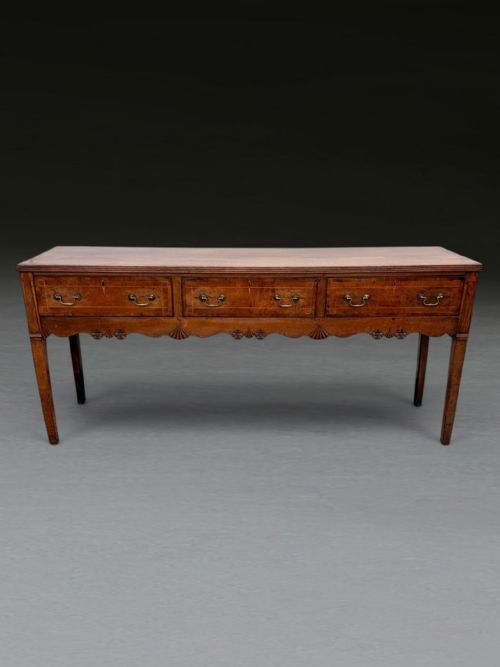
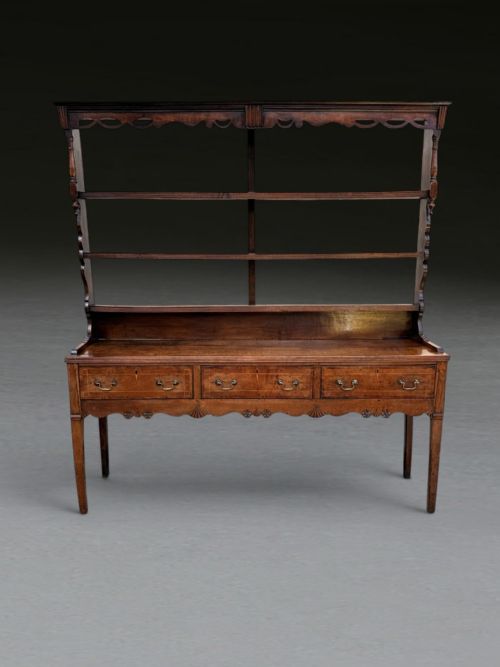
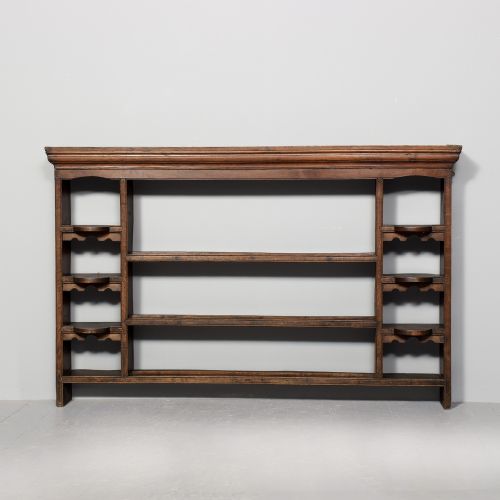
When searching for a george iii oak dresser, buyers encounter substantial domestic furniture originating primarily from the eighteenth century and the Georgian period. These items typically comprise a lower sideboard base equipped with drawers or cupboards, alongside open plate racks or upper shelving units.
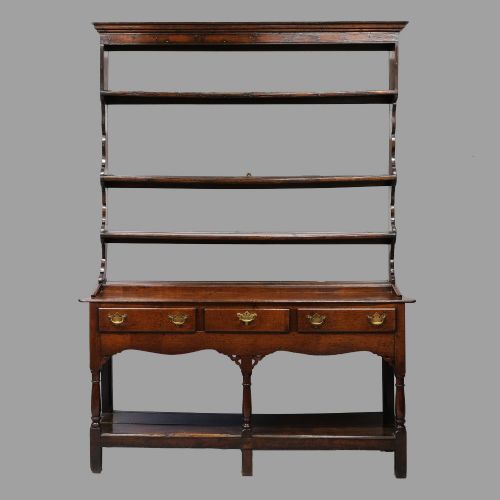
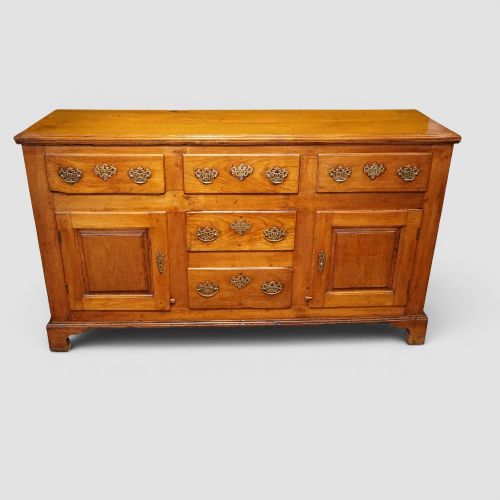
The most common formats met on this page include potboard bases with open lower shelves, multi-drawer dressers, and provincial Welsh variants. Examples range from simple country house furniture to pieces incorporating mahogany elements, fruitwood, or marquetry inlay.
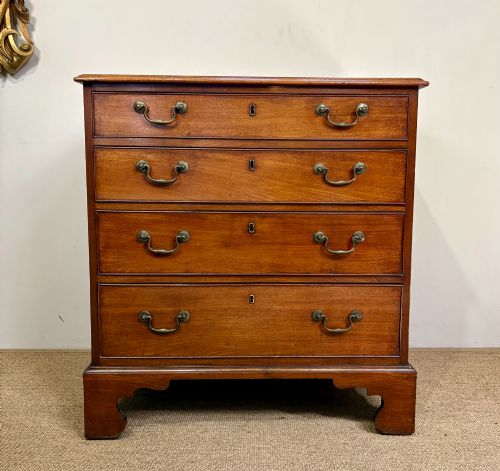
Beyond standard forms, related pieces such as lowboys, tallboys, and housekeeper cupboards appear frequently alongside the core dresser types. They represent the practical storage solutions of their era, executed in native hardwoods.
Materials and construction techniques
Makers relied principally on solid oak, selected for its durability and worked using traditional joinery methods. Secondary timbers like fruitwood or mahogany occasionally supplement the primary structure in mouldings and drawer linings.
Metal hardware such as brass handles and escutcheons punctuate the timber surfaces, frequently retaining their original patination. Inlaid details utilise contrasting woods or marquetry techniques to add subtle ornamentation to drawer fronts and friezes.
George III Oak Dresser Retail Price Guide 2026
Typical asking prices for george iii oak dresser among the pieces listed under this phrase on Sellingantiques today, from the lower quarter to the upper quarter. They describe what is for sale here now, not the wider market.
Distinctions in quality
The gradation between standard utility pieces and finer examples rests upon the selection of figured timber and the crispness of the joinery. Superior items display well-matched grain patterns, particularly on drawer fronts and potboards, along with restrained inlay work.
Proportional harmony and the retention of original brass hardware elevate certain examples above everyday provincial furniture. The presence of matching upper racks that genuinely belong to the base further defines the standing of an individual piece.
The George III Oak Dresser Glossary
- Potboard
- An open lower shelf built into the base of a dresser, historically utilised for storing pots and pans. This platform sits just above the floor on short feet or legs.
- Welsh Dresser
- A traditional regional form featuring both a lower sideboard and an integrated upper plate rack for displaying ceramics. These pieces often exhibit generous proportions and vernacular regional details.
- Lowboy
- A small side table with one or more rows of drawers, standing on relatively tall legs. This form shares construction traits and period styles with contemporary dressers.
- Escutcheon
- A protective plate surrounding a keyhole, usually fashioned from brass. Original examples often display specific period casting techniques and patination.
- Dog Kennel
- A central recessed space flanked by cupboards or drawers beneath the main counter of a dresser base. This vernacular feature mimics the appearance of a kennel.
George III Oak Dresser: Frequently Asked Questions
How do I identify a genuine period piece?
Examine the timber surfaces for hand-cut joinery marks, eighteenth-century construction methods, and natural age-related wear. Genuine examples show consistent patination across the oak boards and structural elements.
Check for the use of period-appropriate secondary woods in hidden areas like drawer interiors and back panels. Traditional hand-forged or cast brass hardware also provides a reliable indicator of age.
What is the difference between a base and a full dresser?
A dresser base consists solely of the lower sideboard cabinet featuring drawers and cupboards. These units function well as sideboards in modern dining rooms or kitchens.
A full dresser includes the upper plate rack attached or hung above the base for displaying ceramics. This complete configuration requires adequate wall space and ceiling clearance.
How should I care for historic oak furniture?
Maintain stable indoor humidity levels and keep wooden surfaces away from direct heat sources to prevent timber splitting. Regular dusting with a dry cloth protects the historic finish.
Apply traditional beeswax sparingly to nourish the oak and preserve its natural sheen. Avoid modern silicone polishes that can permanently alter the surface patination.
Did all dressers originally come with plate racks?
Many provincial and country house dressers were constructed strictly as bases without upper shelving units. These lower pieces served as standalone servers and storage cabinets in eighteenth-century kitchens.
When racks are present, verifying that the timber and construction match the base determines if they form a unified original pair. Many surviving upper racks were joined to bases at later dates.