
Painted Storage Chest
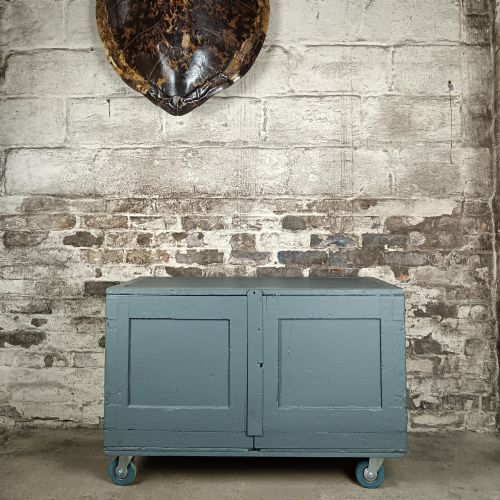
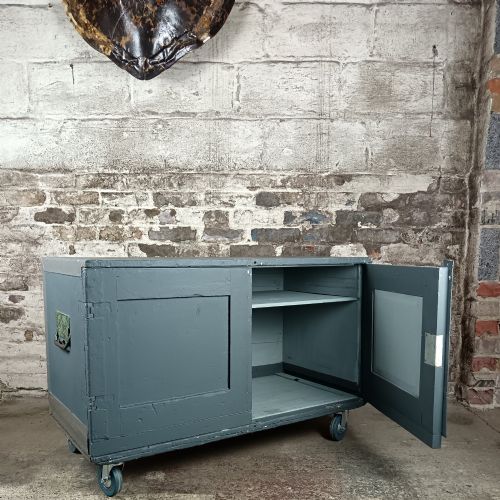
A painted storage chest brings rustic character and practical utility into a room, offering robust containment wrapped in decorative brushwork.
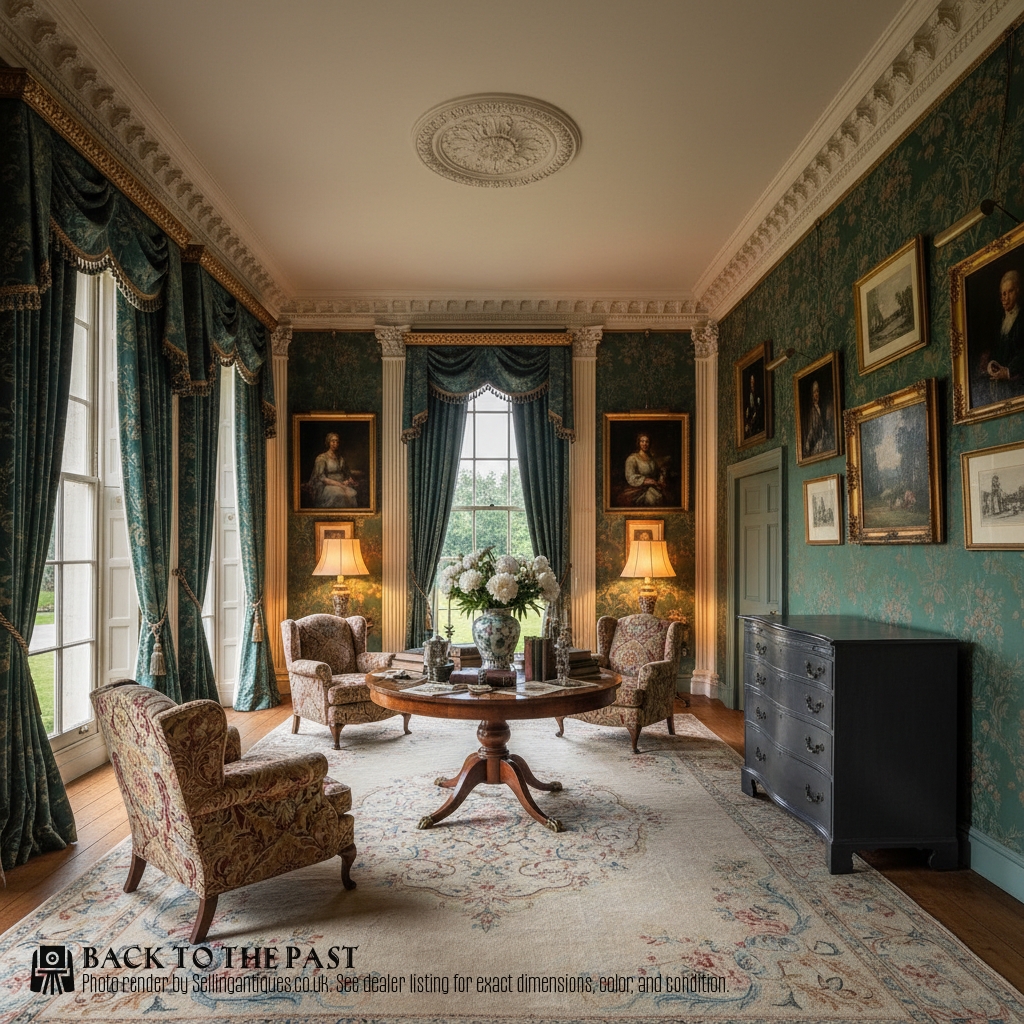
What a painted storage chest is
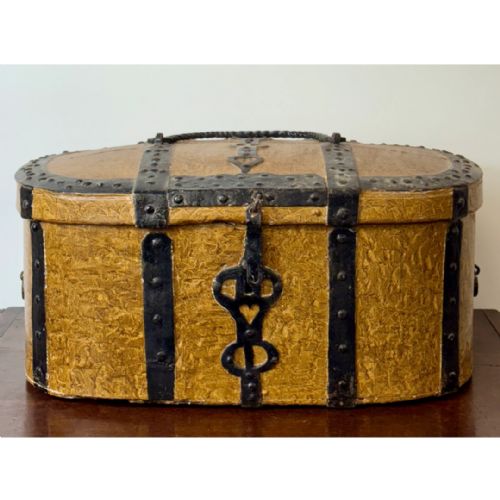
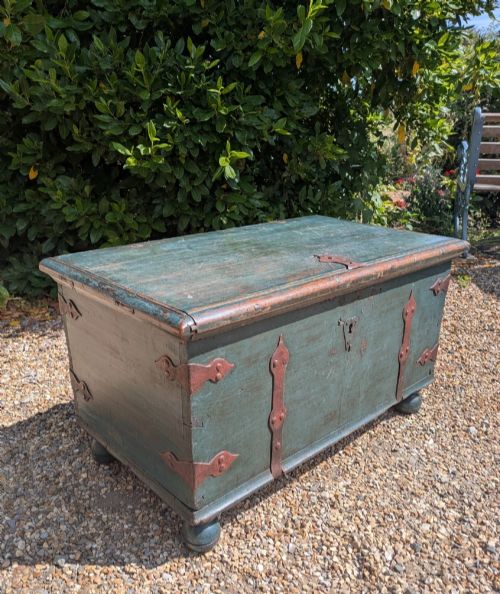
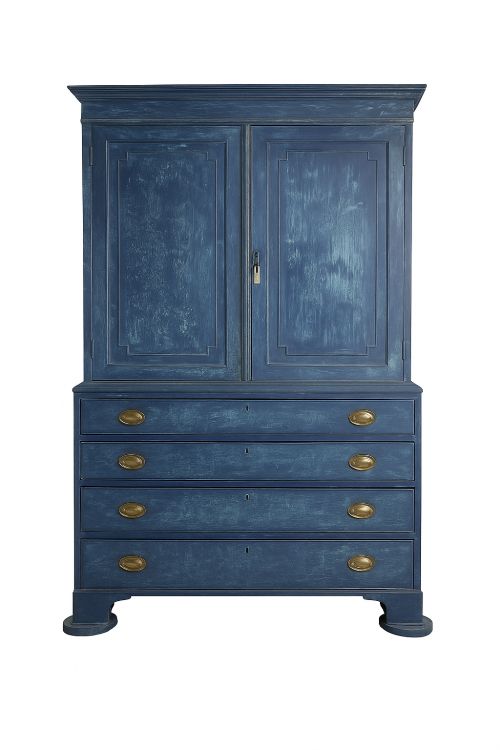
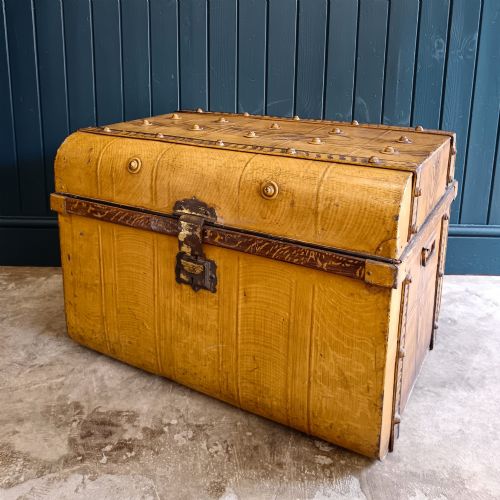
When you search for a painted storage chest, you encounter a varied selection of antique trunks, coffers, and commodes featuring surface decoration. These pieces originate from domestic workshops across Europe, spanning the eighteenth and nineteenth centuries.
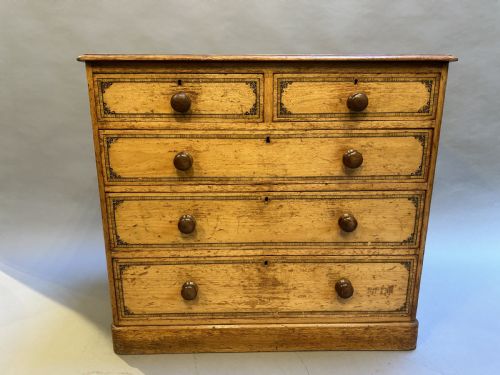
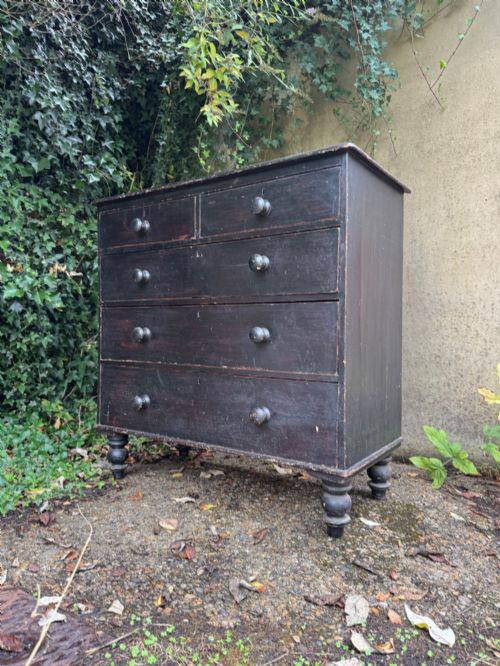
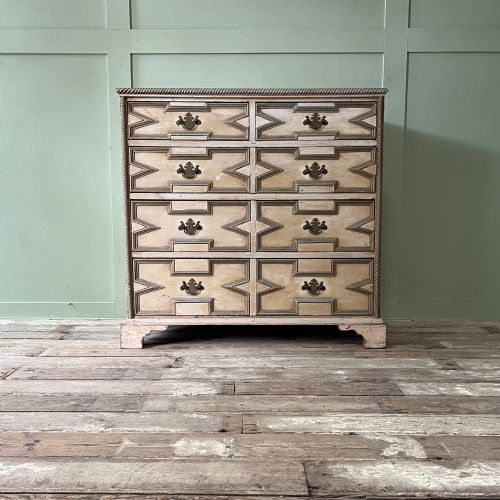
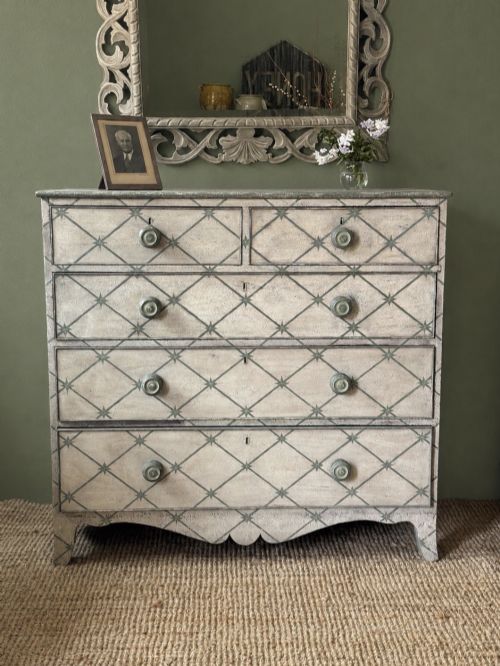
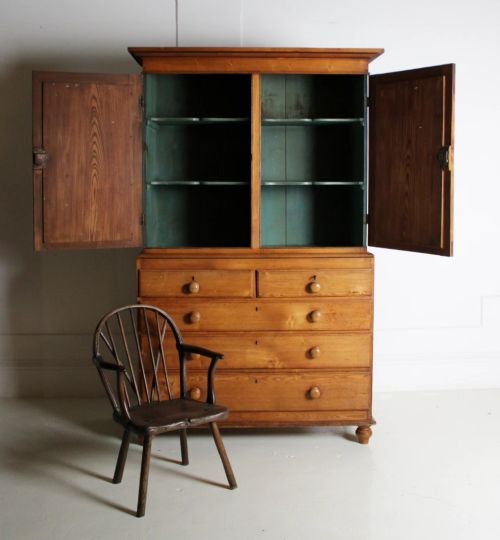
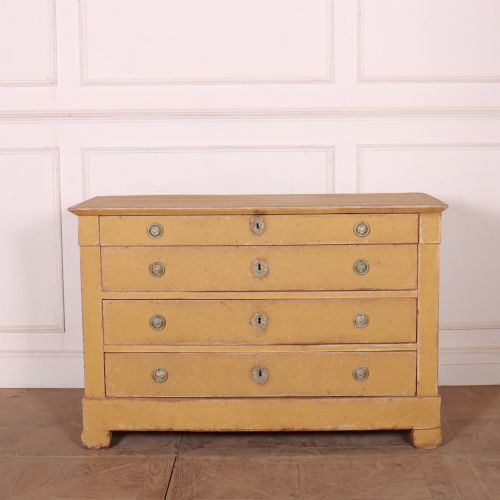
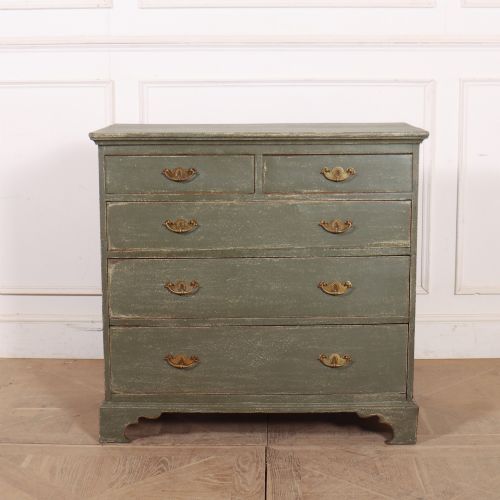
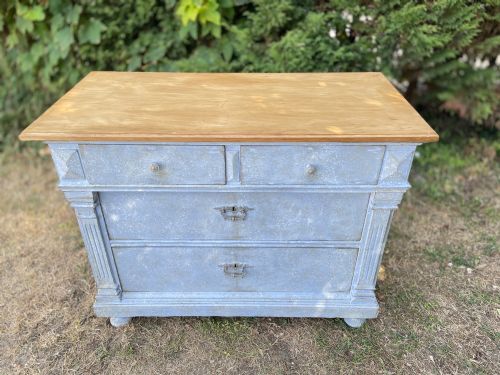
The assortment on this page most frequently includes nineteenth-century pine and ash chests of drawers, alongside eighteenth-century regional trunks and commodes. Regional styles such as French Provincial, Scandinavian Country, and Italian provide distinct silhouettes and palette choices.
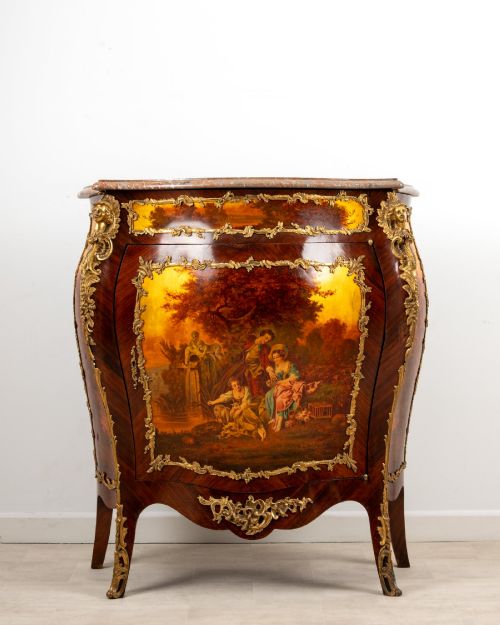
Forms range from simple lidded trunks intended for linens to sophisticated serpentine commodes fitted with multiple drawers. Each surviving example demonstrates how utilitarian furniture received ornamental treatment to suit provincial and domestic interiors.

How they were made
Carpenters constructed these carcasses primarily from solid woods such as pine and ash, relying on traditional joinery methods suited to heavy daily use. Wrought iron and brass hardware, including hinges, drop handles, and escutcheons, reinforced the structural elements.
Surface decoration involved applying pigment directly to the wood substrate, sometimes over a prepared ground, utilising hand-mixed paints. Later examples show deliberate redecoration by hand, maintaining traditional regional colour schemes like Swedish grey or solid black.
Retail Price Guide 2026
Typical UK retail prices for painted storage chest, calculated from the Sellingantiques database of over a million retail prices indexed since 2003. This retail price guide relies exclusively on Sellingantiques data; no external sources or auction records are used, so the figures do not describe the wider market.
One enthusiastic Victorian trunk received a coat of bright pink paint, proving that our ancestors enjoyed a bold pop of colour just as much as we do.
What varies in quality
Quality rests upon the integrity of the timber carcass and the balance of the proportions, particularly in serpentine and multi-drawer forms. Well-made pieces retain sturdy drawer construction and original structural timbers without excessive replacement.
The artistic execution of the painted surface dictates distinction at the upper end of the range. Original pigment layers that have aged with honest patina outrank crude later applications, while regional folk art motifs display confident individual brushwork.
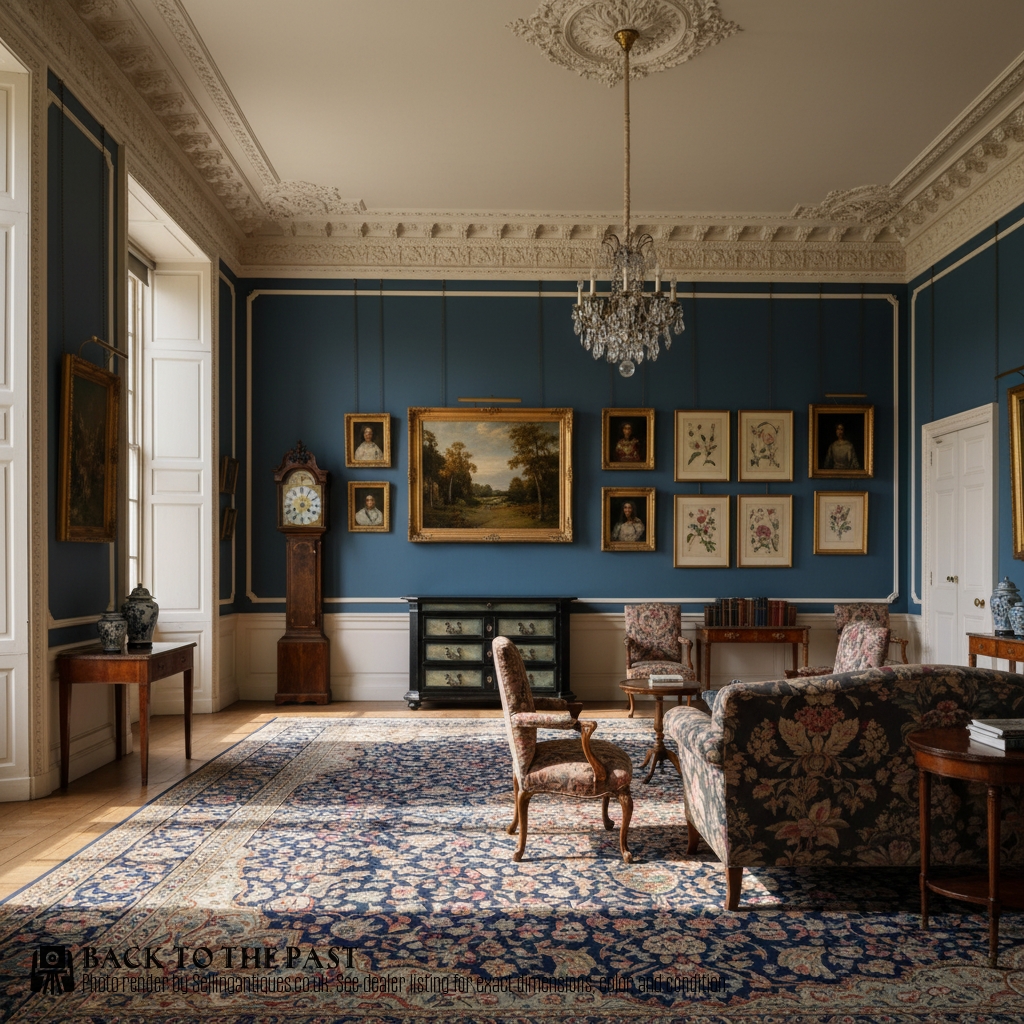
The Painted Storage Chest Glossary
- Commode
- A low chest of drawers or a cabinet, originating in France and frequently featuring decorative painted finishes. Eighteenth-century examples often display serpentine fronts.
- Serpentine
- A furniture front curving inward at the centre and outward at the ends, or vice versa, demanding high woodworking skill. This contour appears frequently on finer commodes.
- Folk Art
- Artistic work produced from an indigenous culture or peasant tradition, often characterised by naive style and bright painted decoration. Swedish trunks often showcase this aesthetic.
- Escutcheon
- A flat plate surrounding a keyhole, usually made from brass or wrought iron to protect the surrounding wood. It serves a functional purpose while adding a metallic accent to the painted surface.
Frequently Asked Questions
What is a painted storage chest?
A painted storage chest is a utilitarian wooden container finished with decorative pigments, used historically for keeping garments, textiles, and household goods.
These pieces combine robust carpentry with surface ornamentation, ranging from simple lidded trunks to multi-drawer commodes.
How were these chests used?
Households utilised these chests primarily for storing household linens, woollens, and personal possessions before built-in wardrobes became common. Their sturdy construction allowed them to double as seating or tables in smaller rooms.
Trunks travelled easily between locations, while commodes served fixed domestic roles in bedrooms and reception rooms.
How do I live with one?
Integrating a painted chest into a modern interior provides both surface display space and concealed volume for clutter. They anchor a hallway, bedroom, or living space effectively when matched with complementary colour palettes.
Avoid placing antique painted wood in direct sunlight or areas of high humidity to protect the original pigment layers.
How do I tell periods apart?
Eighteenth-century examples often display bolder regional characteristics like folk art motifs or deep serpentine curves. Victorian pieces frequently favour functional multi-drawer formats in pine or ash.
Hardware styles, timber selection, and construction joints offer further clues to the manufacturing decade.