


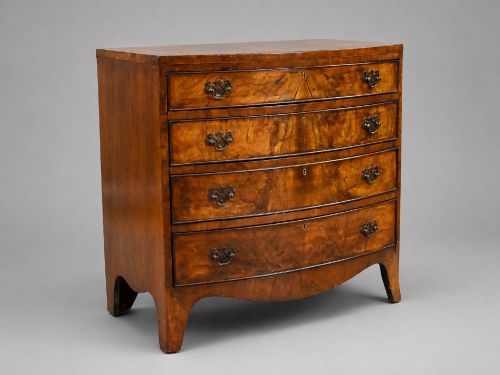
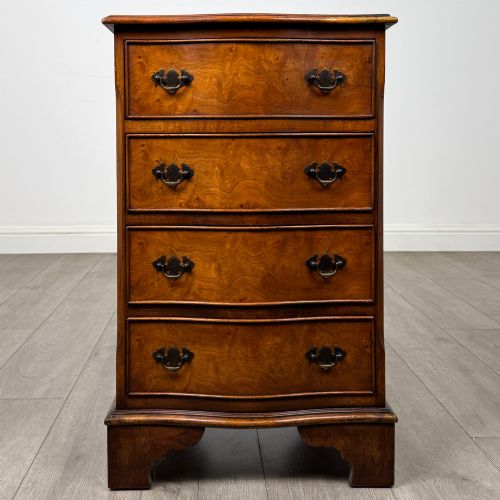
Georgian Style Commode
These pieces built around the georgian style commode concept offer substantial timber storage and classical proportions.
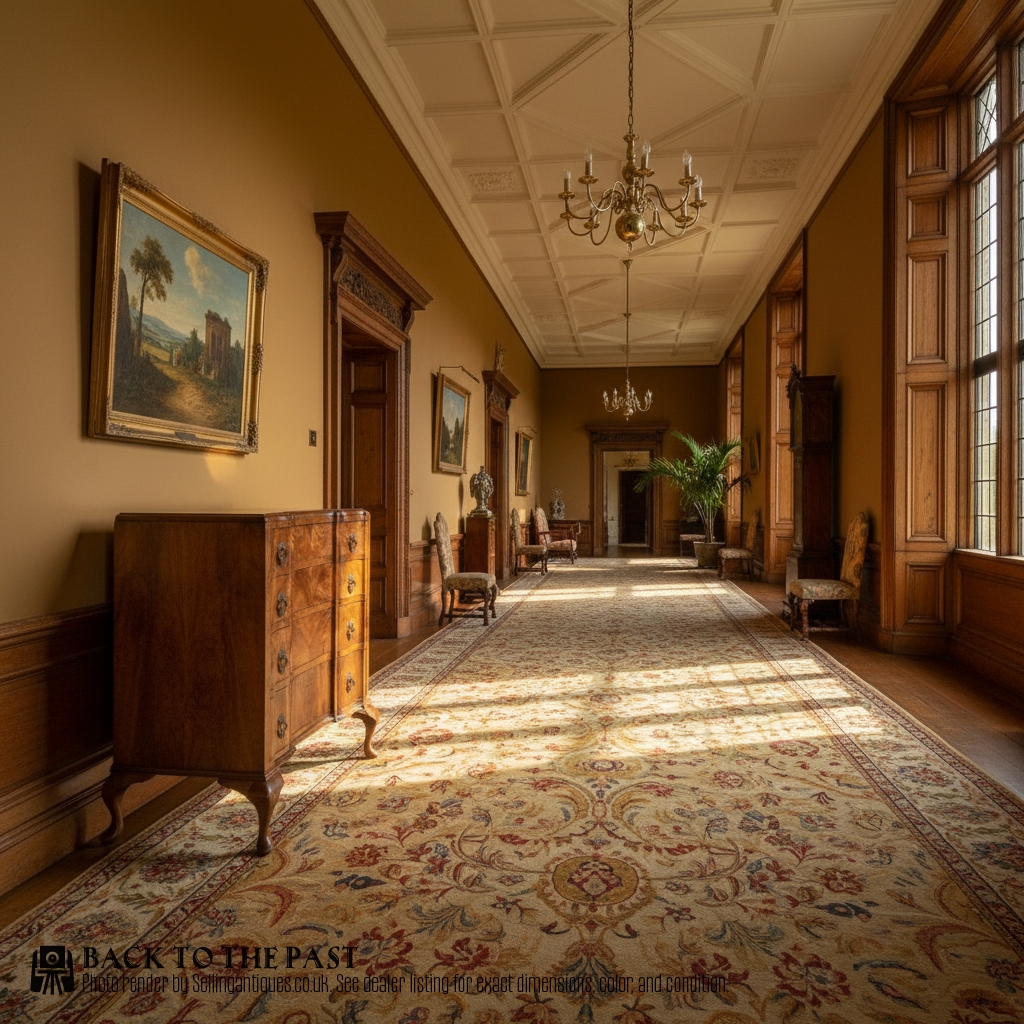
Georgian Style Commode
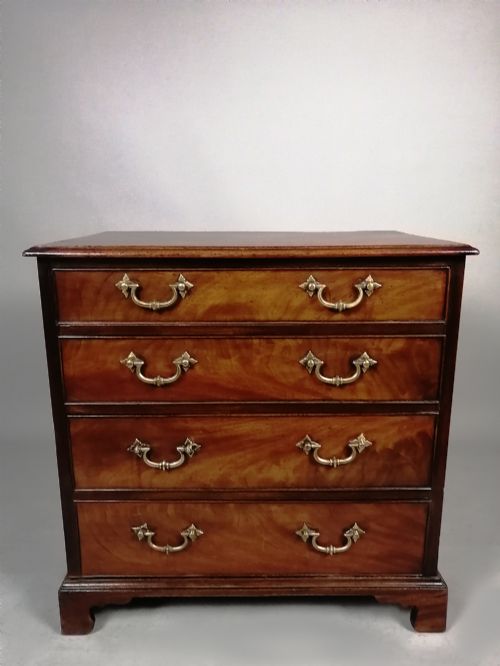
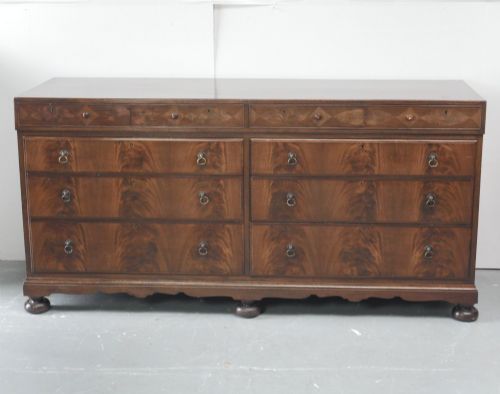
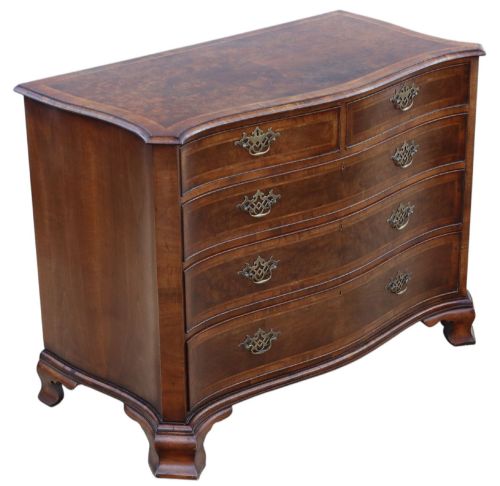
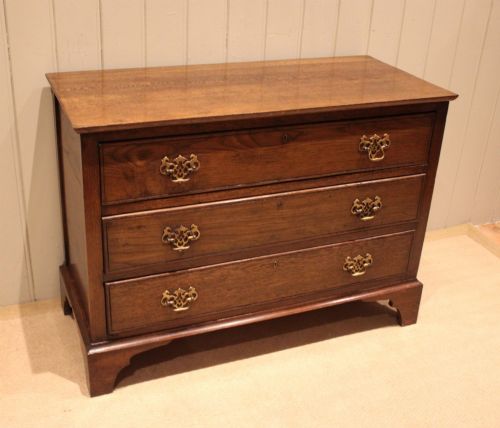
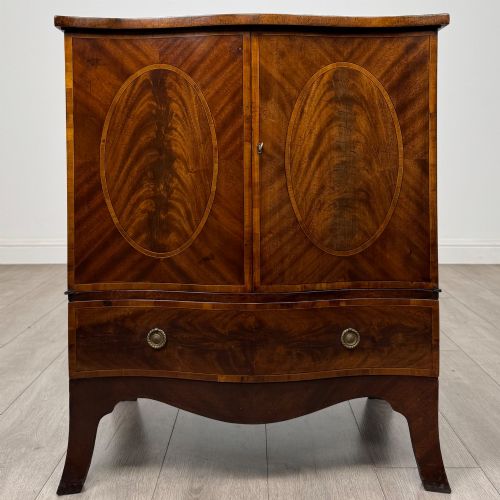
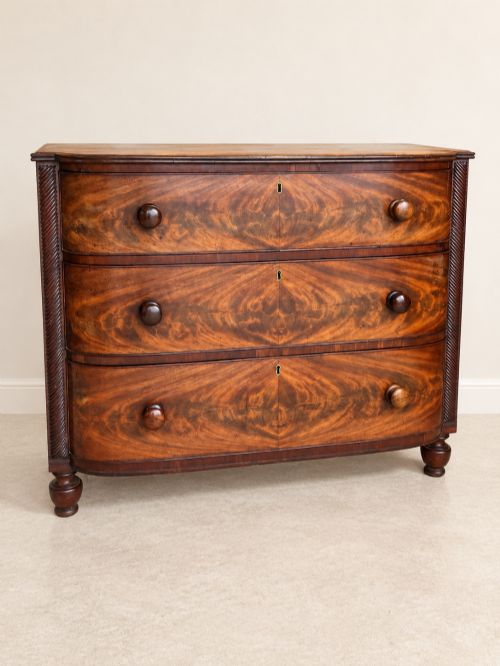
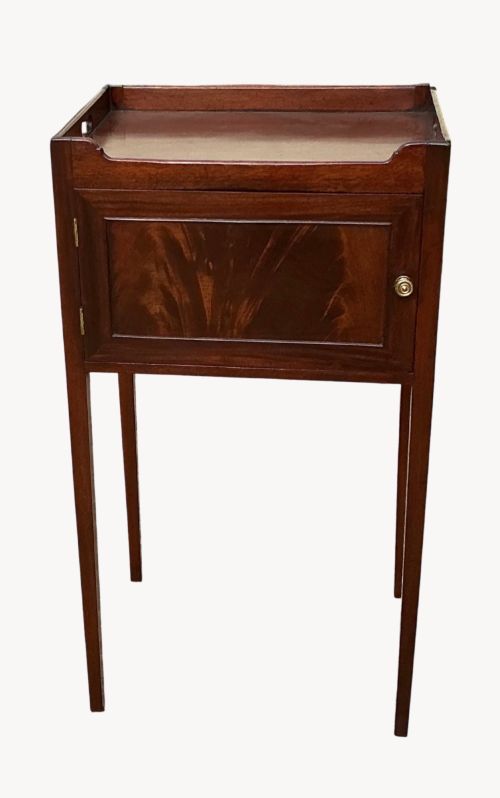
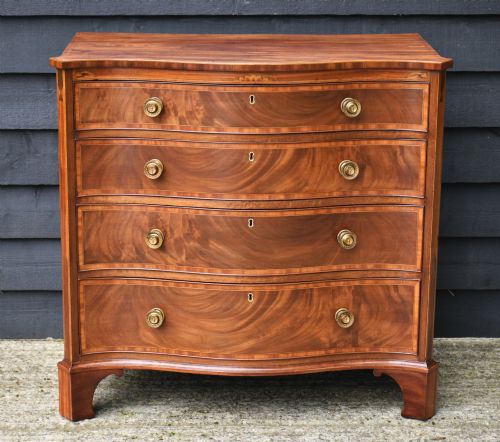
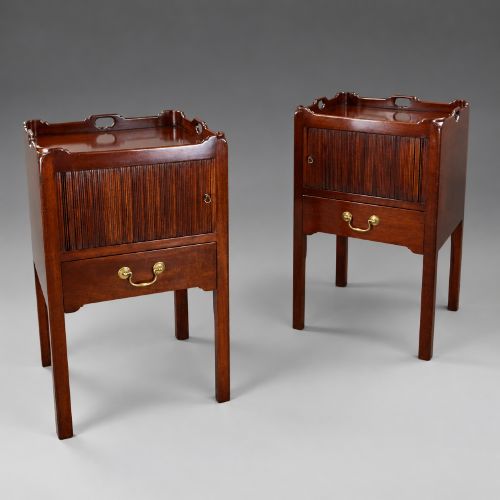
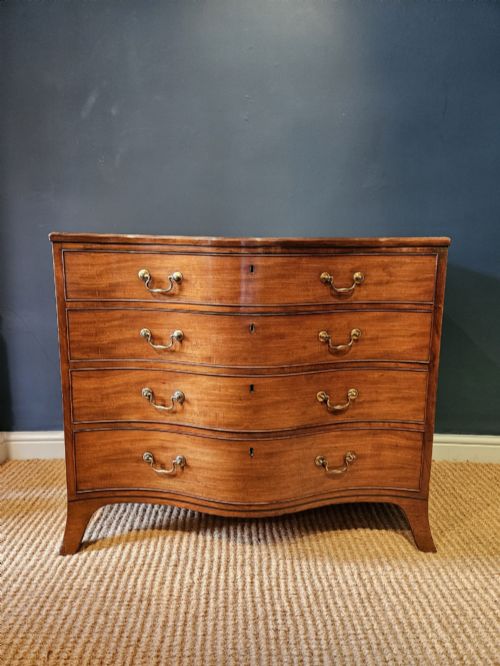
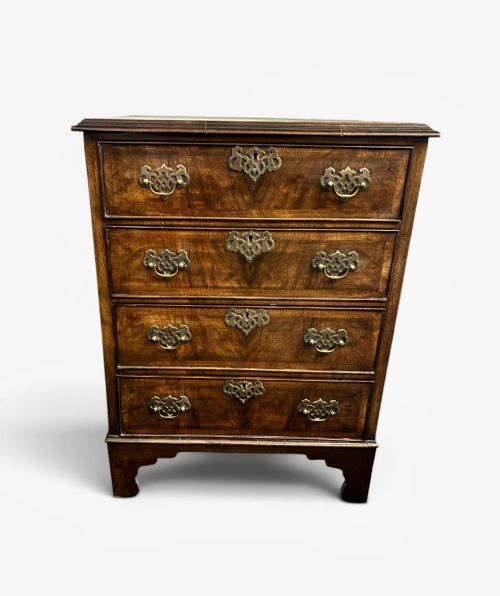
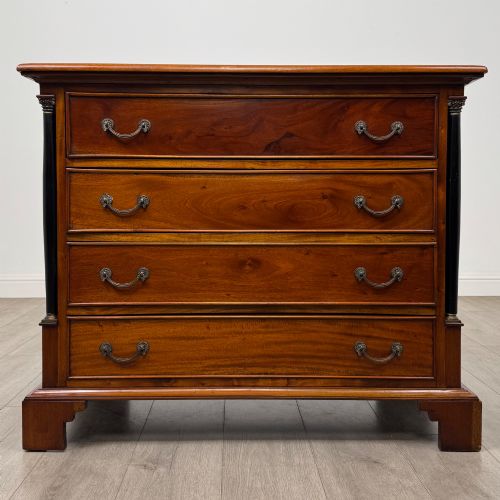
A georgian style commode takes the form of a formal chest of drawers, bedside cabinet, or serpentine sideboard designed with the classical lines of the eighteenth century. Buyers look for these items to anchor a room with architectural presence and timber warmth.
The pieces on this page span genuine eighteenth-century originals alongside later revivals from the Victorian, Edwardian, and 1920s periods. Most examples encountered here are revival pieces built in mahogany or walnut with serpentine or bow fronts.
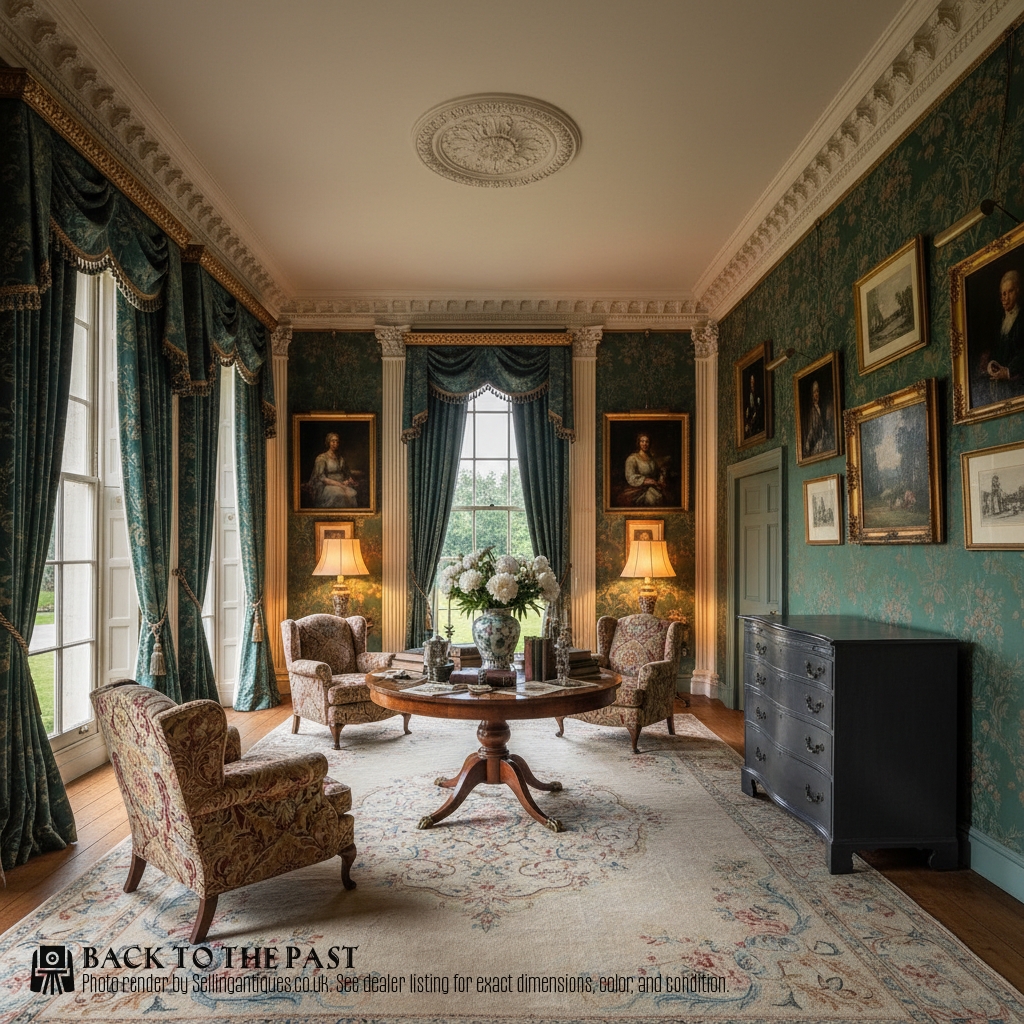
How they were made
Cabinetmakers constructed these pieces using solid hardwoods like mahogany, oak, and walnut, frequently applying figured veneers such as burr walnut and flame mahogany across the primary surfaces. Crossbanding and brass hardware completed the polished exterior presentation.
Joinery techniques relied on traditional drawer construction and shaped framing to achieve the sweeping serpentine, oxbow, and bow-front contours characteristic of the style.
Georgian Style Commode Retail Price Guide 2026
Typical asking prices for georgian style commode among the pieces listed under this phrase on Sellingantiques today, from the lower quarter to the upper quarter. They describe what is for sale here now, not the wider market.
Mahogany and walnut dominate the material record, supported by oak, painted wood, and iron.
What varies in quality
Quality rests in the selection of timber veneers and the crispness of the serpentine curves shaped into the wood. Finer examples display carefully matched grain patterns across the drawer fronts and precise execution of secondary details like brass handles.
Heavier revival pieces from later periods show differing degrees of cabinetmaking skill, where the depth of the carving and the integrity of the internal drawer linings determine the standing of the piece.
Whytock & Reid·Druce & Co
The Georgian Style Commode Glossary
- Serpentine
- A front contour curving outward in the centre and inward at the sides. This shape requires advanced woodworking skill to execute properly.
- Bow Front
- A convex curved cabinet front that swells outward. It appears frequently on walnut and mahogany chests from the Georgian era and later revivals.
- Crossbanding
- A narrow strip of veneer laid perpendicular to the grain of the primary surface. It creates a defined decorative border around drawer fronts and tabletops.
- Flame Mahogany
- A veneer cut from the branch junction of a mahogany tree that produces a flamy, torch-like pattern. Cabinetmakers used it on prominent exterior surfaces to create visual movement.
- Commode
- A low decorative cabinet or chest of drawers designed for domestic storage. In this context, the term encompasses serpentine cupboards and specialised bedside pieces.
Georgian Style Commode: Frequently Asked Questions
Are these pieces from the eighteenth century?
The selection includes authentic eighteenth-century examples alongside significant numbers of later revival pieces from the Victorian, Edwardian, and 1920s periods.
Each listing specifies the date or era to clarify whether the piece is a period original or a later interpretation.
What is the difference between a commode and a chest of drawers?
In these listings, commodes often feature curved serpentine or oxbow fronts and cupboard doors, whereas chests of drawers focus strictly on horizontal drawer tiers.
Both serve the same primary function of domestic storage while offering distinct decorative silhouettes.
How do I identify a revival piece?
Revival pieces display the classical proportions of the eighteenth century but carry construction methods, timber finishes, and secondary woods typical of the Edwardian era or the 1920s.
Examining the internal drawer boards and timber backing often reveals the true age of the construction.
Where should I place a bedside commode?
These compact cabinets suit bedroom spaces where their enclosed cupboard or drawer storage keeps personal items neatly out of sight.
Their finished sides and decorative fronts allow them to stand independently beside a bed or within a hallway.