


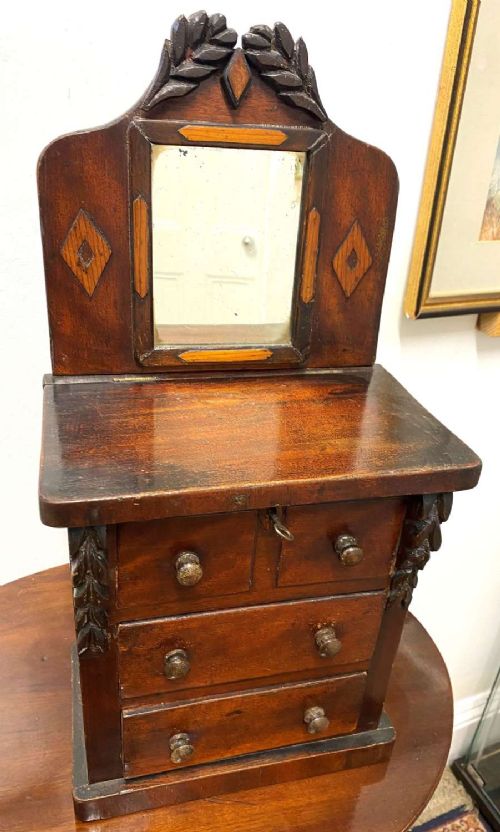

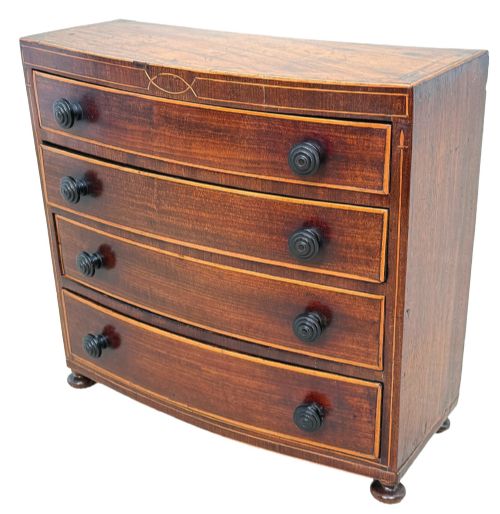
Antique Miniature Chest
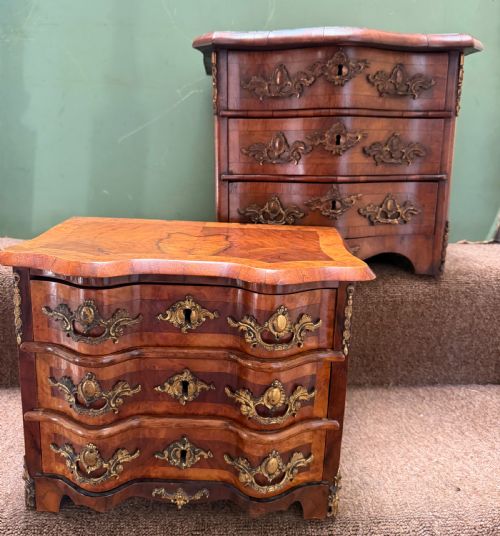
When an antique miniature chest catches the eye, it offers the proportions of full-scale cabinetmaking scaled down for travel, display, or training.
Antique Miniature Chest
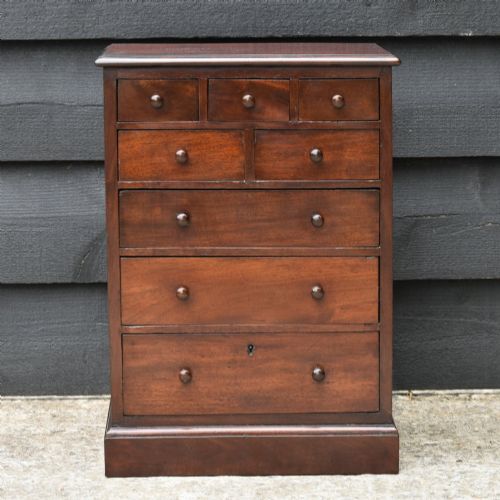
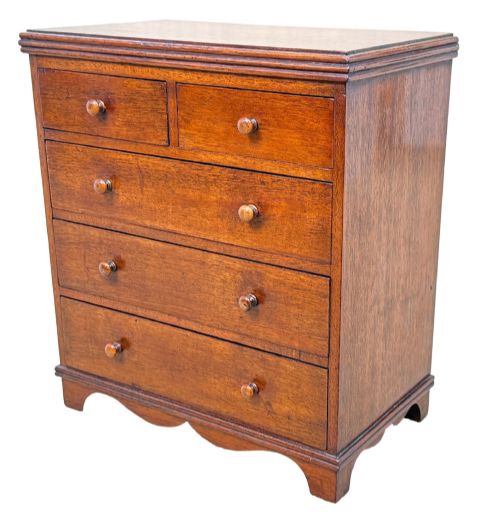
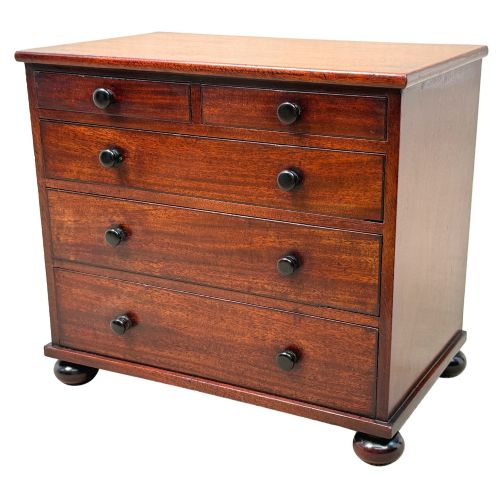
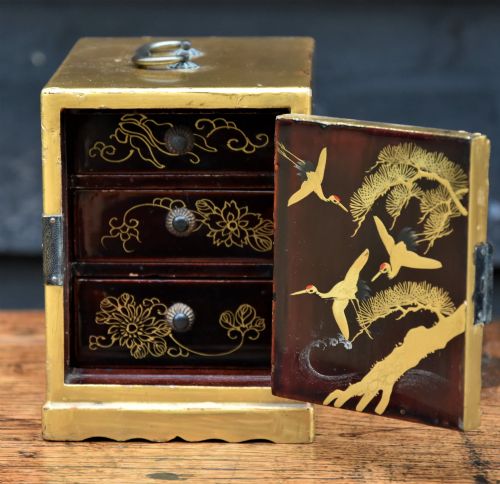
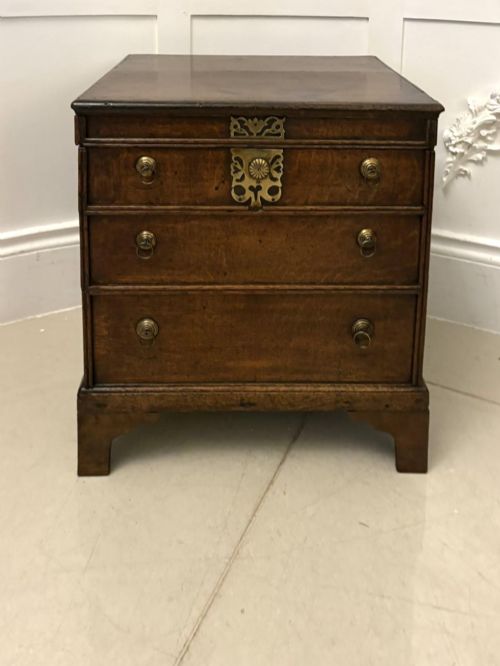
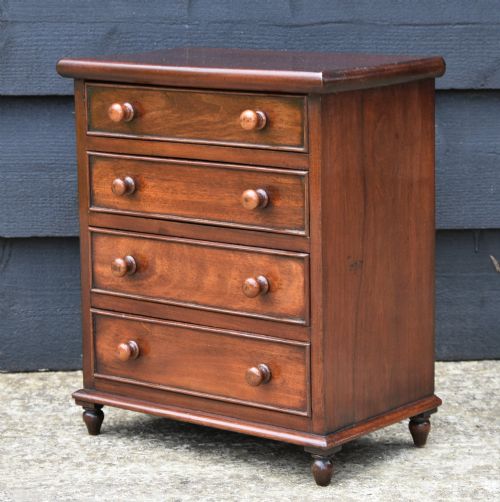
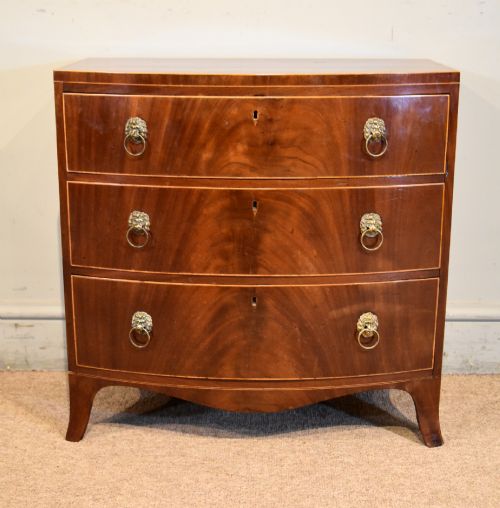
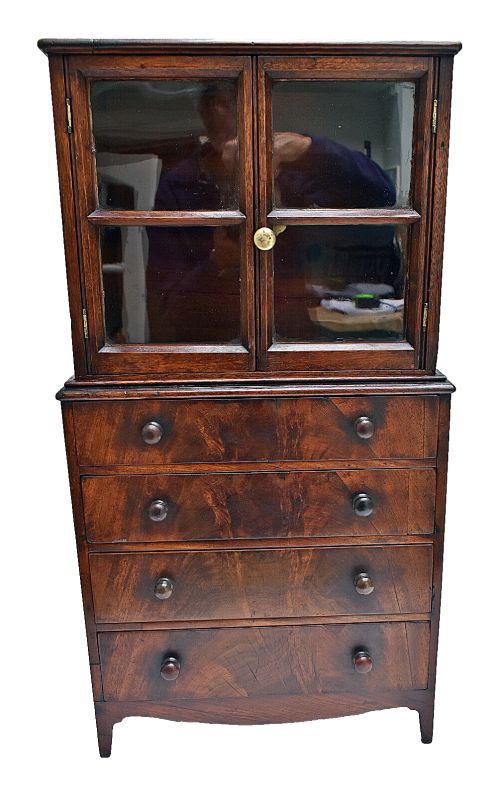
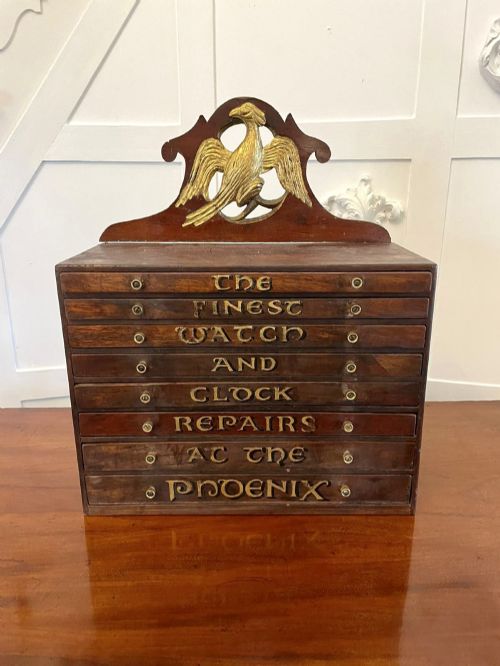
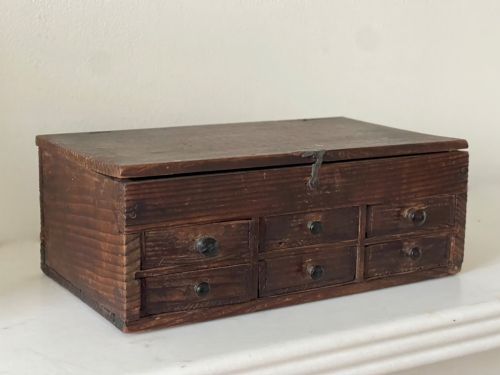
An antique miniature chest comprises scaled-down case furniture, from Welsh coffer bachs to Victorian apprentice pieces and tabletop collectors' cabinets. Most examples encountered here date from the Georgian, Victorian, and Edwardian periods.
Makers produced these pieces as masterworks for trade guilds, travel companions for officers, or compact storage for jewellery, specimens, and tea. Regional variations include Scottish scotch chests, Welsh oak coffers, and English mahogany bowfronts.
How they were made
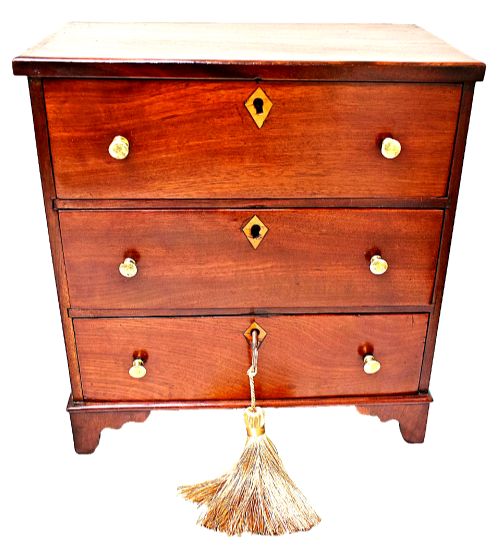
Cabinetmakers utilised dense hardwoods like mahogany, walnut, rosewood, and oak, often accented with satinwood inlay, brass handles, or bone escutcheons. Secondary timbers such as pine appeared on drawer linings and carcase backs.
Construction mirrored domestic furniture on a reduced scale, employing dovetailed drawer joints, turned feet, and applied mouldings. Surfaces received polished wax finishes, hand-painted details, or original painted coats.
Antique Miniature Chest Retail Price Guide 2026
Typical asking prices for miniature chest among the pieces listed under this phrase on Sellingantiques today, from the lower quarter to the upper quarter. They describe what is for sale here now, not the wider market.
Materials span mahogany, oak, walnut, rosewood, satinwood, pine, fruitwood, brass, bone, and glass.
What varies in quality
Proportion and timber selection set finer chests apart, particularly where grain figures match across drawer fronts or secret locking mechanisms are integrated. Superior pieces maintain domestic architectural details rather than appearing heavy or crude.
Original hardware, untouched patination, and intact interiors preserve historical integrity. Alterations to feet, handles, or surfaces diminish the standing of a miniature case.
A. F. Lloyd, Bideford·Sampson Mordan & Co.
The Antique Miniature Chest Glossary
- Apprentice piece
- A scaled-down item created by a journeyman to demonstrate mastery of cabinetmaking skills to a trade guild. These examples often display exceptional dovetailing and secondary timber choice.
- Coffer bach
- A small Welsh oak chest featuring a hinged lid above a drawer, traditionally used for storage or as a dowry chest. The term translates from Welsh as little coffer.
- Wellington chest
- A tall, narrow case of drawers secured by a locking hinged side pilaster that fastens over the drawer edges. This form originates from the nineteenth century.
- Spice cabinet
- A tabletop storage piece containing numerous small internal drawers intended for culinary aromatics or valuable powders. They frequently date to the eighteenth and nineteenth centuries.
- Specimen cabinet
- A specialised piece designed to house natural history collections such as insects, minerals, or fossils within shallow glazed or panelled drawers.
Antique Miniature Chest: Frequently Asked Questions
What is an apprentice piece?
An apprentice piece is a scaled-down item created by a young craftsman to demonstrate advanced woodworking techniques to a trade guild before earning master status. These objects show meticulous attention to jointing and proportion.
Cabinetmakers applied the same rigorous standards to miniature chests as they did to full-sized furniture, making these pieces valuable records of period craftsmanship.
How were miniature chests used?
Miniature chests served varied purposes, including storing jewellery, loose tea, medical specimens, or collector's items like coins and fossils. Some functioned as travel chests for officers on campaign.
Others remained in workshops as display models or scale prototypes for clients examining custom domestic furniture commissions.
How do I date a miniature chest?
Dating relies on identifying period timber choices, construction techniques like hand-cut dovetails, and stylistic markers such as bracket feet, cockbeading, or brass hardware. Georgian pieces display different proportions from Victorian or Edwardian variants.
Secondary woods inside drawers and the ageing of surface patination offer further clues to the decade of manufacture.
Where should I place a miniature chest at home?
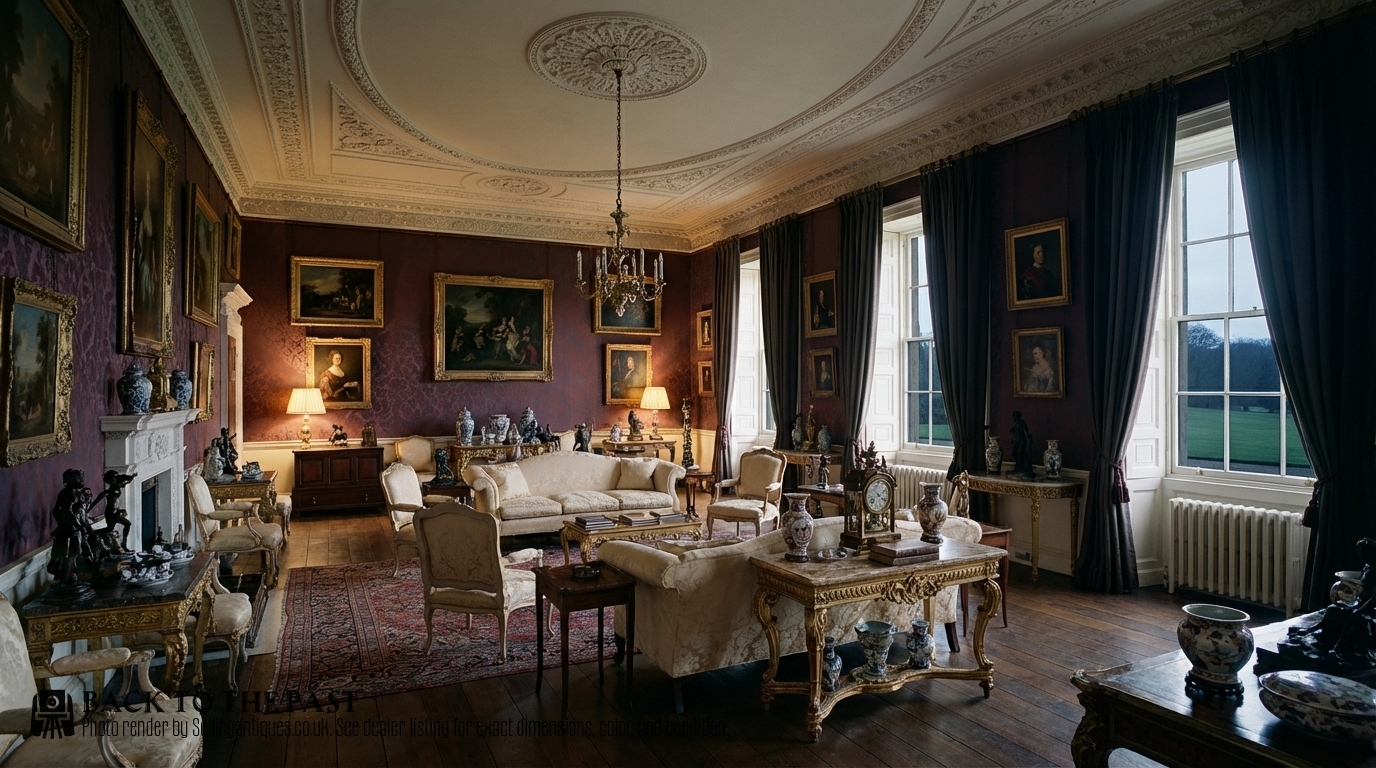
These compact pieces sit comfortably on larger sideboards, desks, or dressing tables where their fine detail remains visible at close range. Placing them away from direct sunlight and heat sources protects delicate veneers and polishes.
Drawers provide practical storage for small modern items such as keys, cuff-links, or stationery.