
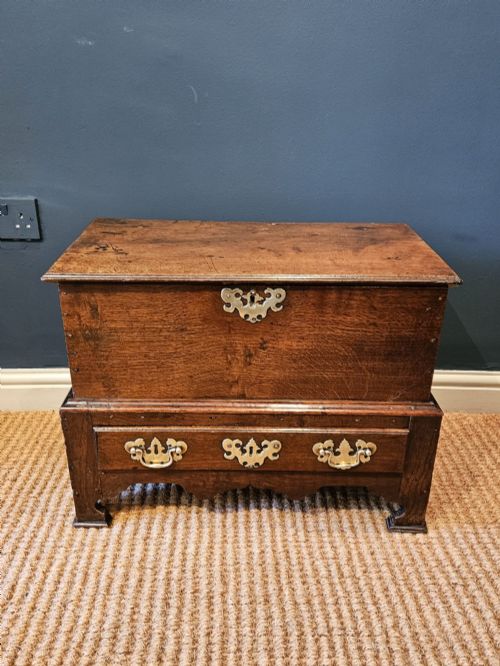


Welsh Oak Coffer Bach
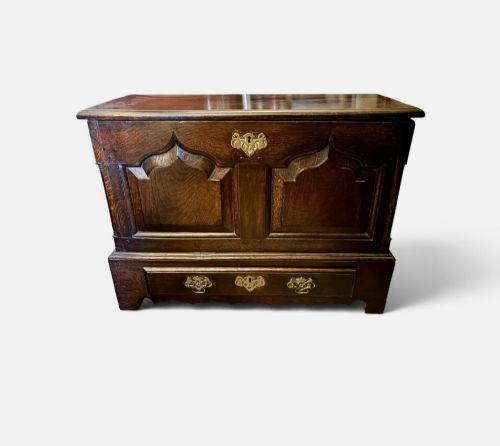
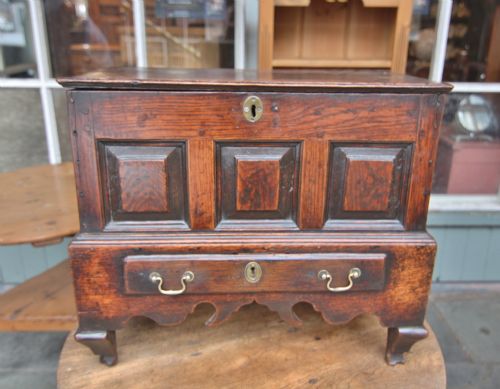
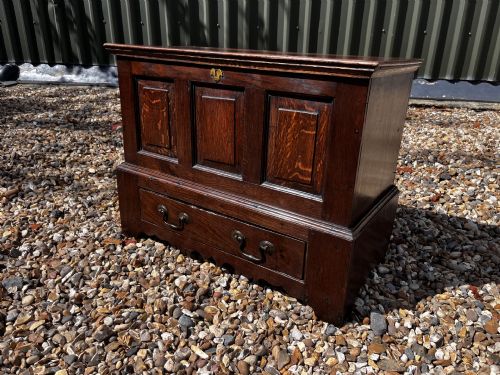
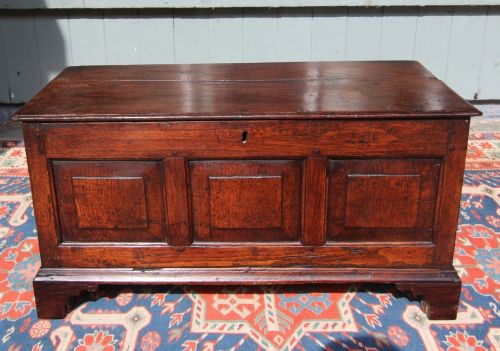
A Welsh oak coffer bach is a small traditional miniature chest designed to hold valuables, documents or linen in domestic spaces.
Welsh Oak Coffer Bach
When someone searches for a welsh oak coffer bach, they are looking at diminutive lidded storage chests historically produced in Wales during the seventeenth, eighteenth and nineteenth centuries. These small vessels function essentially as scaled-down versions of full-sized blanket chests, often fitted with internal till boxes for smaller personal items.
The pieces met on this page typically span the Georgian period and the eighteenth century, alongside examples from the seventeenth and nineteenth centuries. Regional stylistic traits connect these miniature chests directly to Welsh vernacular cabinet making traditions of the countryside.
Makers constructed these miniature chests as presentation pieces or marriage gifts, meaning they carried domestic significance beyond simple storage. Their compact proportions make them suitable for placing upon tables or desks rather than resting directly on the floor.
How they were made
The primary material underpinning these pieces is solid oak, supplemented occasionally by fruitwood for contrast or timber inlay work. Craftsmen utilised regional woods available locally to construct the panelled bodies and lids of each miniature chest.
Metal elements such as iron hinges and brass lock plates secure the lids and provide functional hardware. Joinery methods rely on traditional pegged mortise and tenon construction typical of vernacular furniture production.
Welsh Oak Coffer Bach Retail Price Guide 2026
Typical asking prices for welsh oak coffer bach among the pieces listed under this phrase on Sellingantiques today, from the lower quarter to the upper quarter. They describe what is for sale here now, not the wider market.
Listings demonstrate forms spanning miniature chests, storage trunks, and coffers produced across seventeenth, eighteenth and nineteenth century periods.
What varies in quality
Proportion and the handling of miniature scale separate the finer examples from simpler provincial work. A well-balanced coffer bach maintains harmonious dimensions between its main body, lid, and any supporting feet or drawers.
The presence of secondary timbers, fruitwood inlay, or turned feet introduces decorative nuance that elevates the piece. Surface patination, depth of grain in the oak, and the crispness of surviving hardware also define the standing of individual chests.
The Welsh Oak Coffer Bach Glossary
- Coffer bach
- A small Welsh chest or miniature coffer, translated literally from the Welsh language as little chest.
- Till
- A small internal compartment or lidded box partitioned inside the main chest to hold coins or valuables.
- Vernacular
- Furniture made by regional craftsmen following local traditions rather than metropolitan academic designs.
- Fruitwood inlay
- Decorative contrasting wood inserts utilising species such as apple or pear set into the primary oak surface.
- Panelled construction
- A method of joining wooden frames around a floating central panel to allow for natural timber movement.
Welsh Oak Coffer Bach: Frequently Asked Questions
What was a coffer bach used for?
These small chests served primarily to store precious documents, jewellery, or family currency within the household.
Because of their portable size, they often functioned as marriage gifts containing tokens or household records.
How old are most coffer bach chests?
The majority of surviving examples date from the eighteenth century and the Georgian period.
Earlier pieces originate in the late seventeenth century, while later interpretations extend into the nineteenth century.
Were they meant to sit on tables?
Their diminutive scale and proportion indicate that they were designed to rest upon tables, dresser tops, or larger pieces of furniture.
Some variants feature short legs or feet, but their overall height remains restricted to tabletop use.
What woods were used to make them?
Oak forms the primary structural material for almost all recorded examples in this category.
Craftsmen occasionally incorporated fruitwood or timber inlay details to provide contrast on the exterior panels.