

Welsh Oak Furniture
Welsh oak furniture brings robust regional character into a home, offering centuries of vernacular craftsmanship through dressers, cupboards, and coffers.
Welsh Oak Furniture
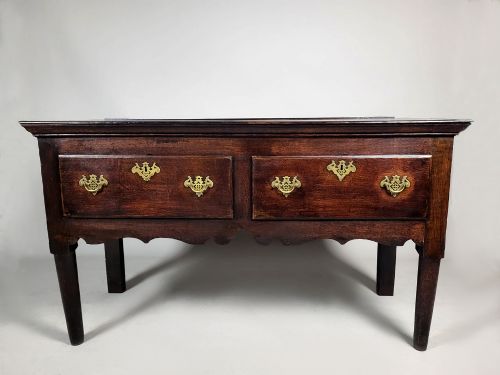
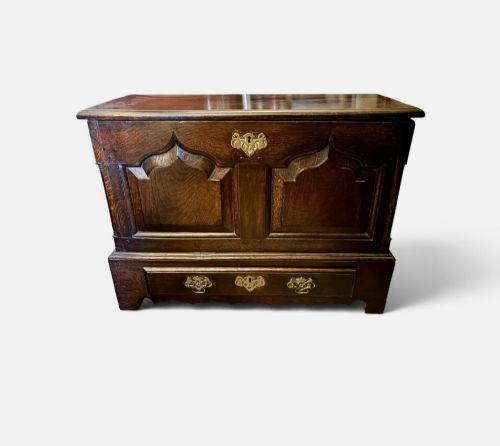
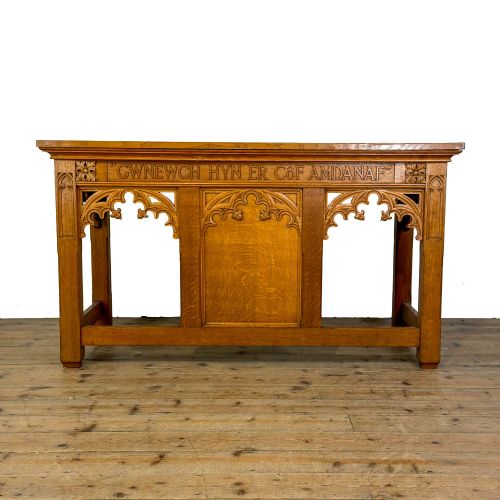
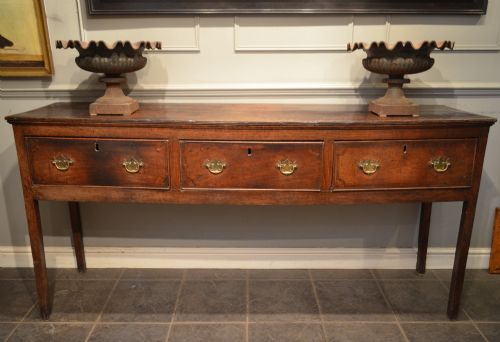
When you search for welsh oak furniture, you encounter a rich tradition of utilitarian domestic pieces originating from various regions and rural workshops. These items span from the seventeenth century through to the twentieth century, encompassing distinct vernacular styles developed across the principality.
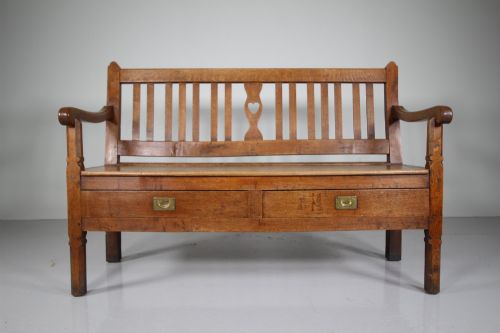
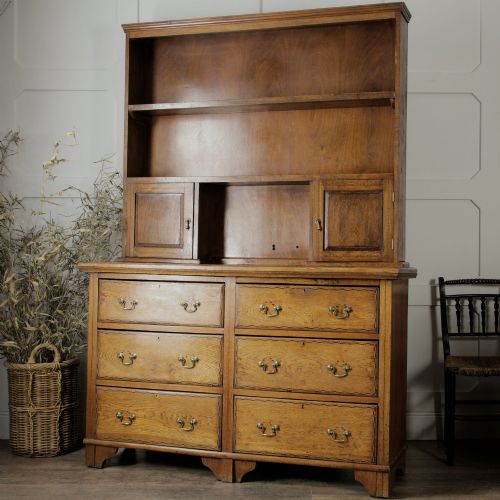
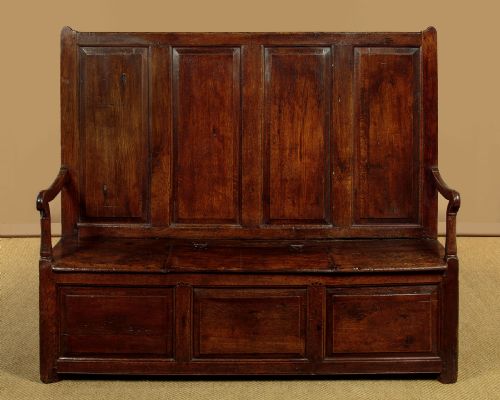
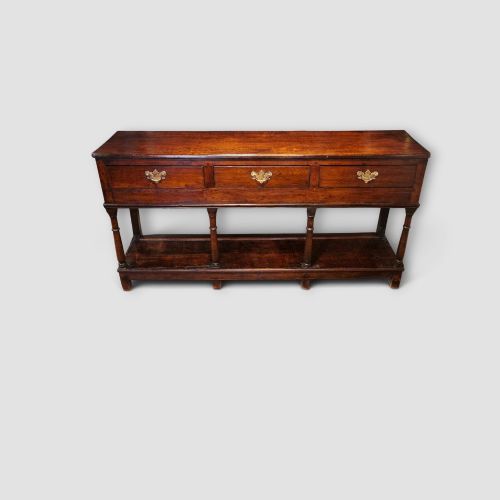
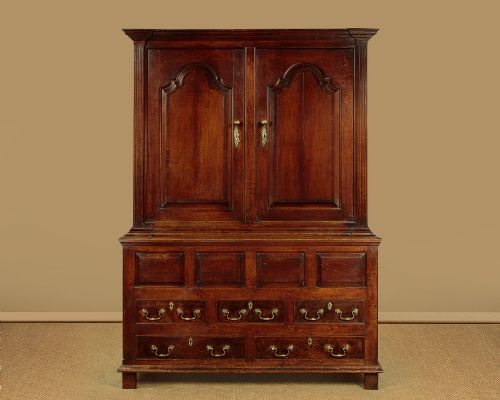
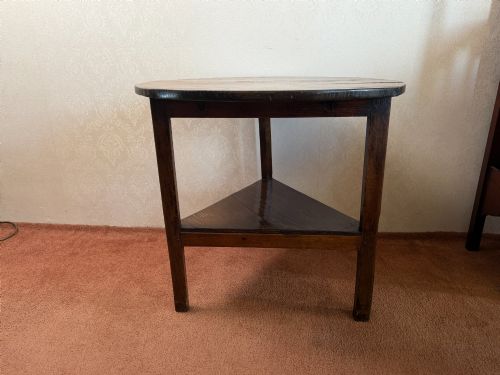
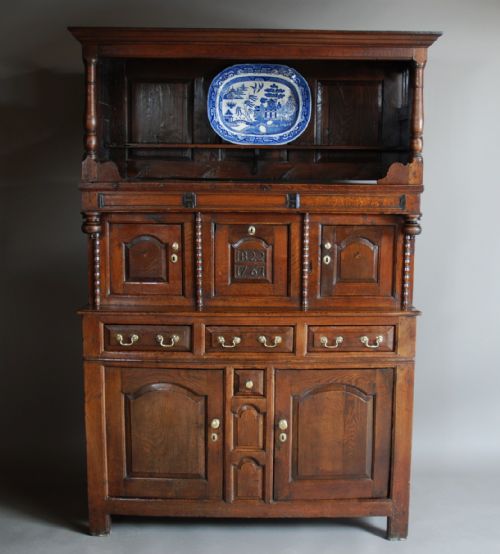
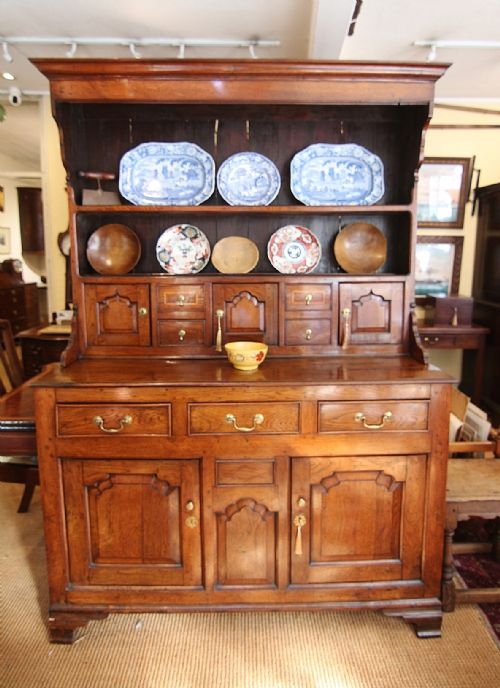
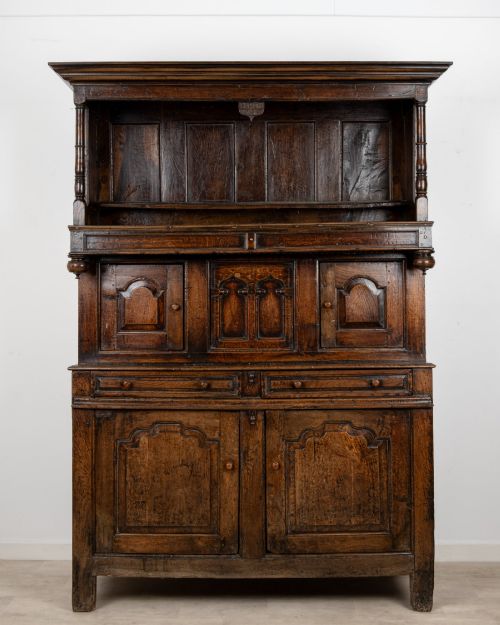
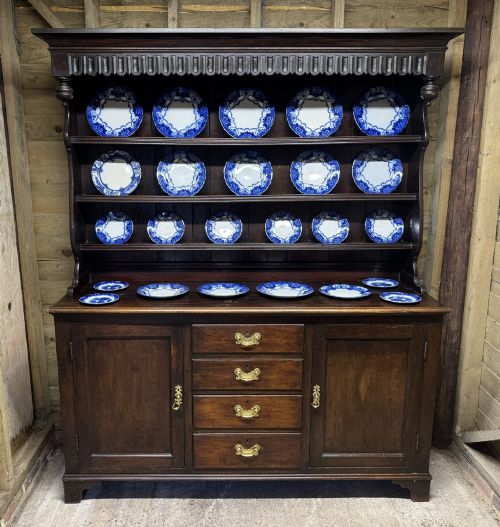
Dressers, press cupboards, and cwpwrdd tridarn are among the most common large forms met on this page, often accompanied by smaller coffers, box settles, and cricket tables. The survival of these pieces reflects a practical approach to domestic storage and dining within Welsh households.
Regional variations emerge clearly across the selection, with specific forms such as the Snowdonia tridarn or the Llanrwst bread and cheese dresser showing particular construction traits. Pieces date from the seventeenth century onwards, blending Georgian influences with older country traditions.

Assessing Quality
The degree of surface preservation and natural patina fundamentally separates exceptional examples from standard domestic items. Depth of colour and the tactile warmth developed through centuries of cleaning and use indicate the survival of original finishes.
Welsh Oak Furniture Retail Price Guide 2026
Typical asking prices for welsh oak furniture among the pieces listed under this phrase on Sellingantiques today, from the lower quarter to the upper quarter. They describe what is for sale here now, not the wider market.
Object types include tridarns, dressers, coffer bachs, and cricket tables originating from Welsh vernacular traditions.

Brynmawr Furniture
The Welsh Oak Furniture Glossary
- Cwpwrdd Tridarn
- A traditional three-tiered Welsh press cupboard featuring an open middle section and enclosed top and bottom compartments. This impressive form served for display and storage in prosperous farmhouses.
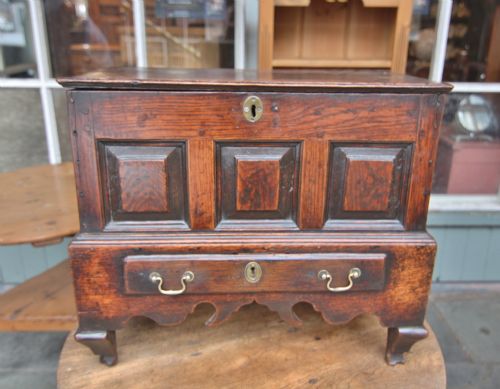
- Coffer Bach
- A small miniature chest or box, often fitted with a drawer, traditionally made as a keepsake or love token. These compact chests mirror the construction methods of their larger counterparts.
- Potboard
- An open slatted lower shelf incorporated into the base of a dresser for storing heavy kitchen pottery. This practical feature distinguishes many country dressers.
- Cricket Table
- A small, sturdy occasional table typically supported by three splayed legs designed for uneven flagstone floors. The top is frequently triangular or round.
- Box Settle
- An enclosed wooden bench featuring a high back and a lidded compartment beneath the seat for storage. It provided shelter from draughts in traditional kitchens.
Welsh Oak Furniture: Frequently Asked Questions
How do I identify a bread and cheese dresser?
A bread and cheese dresser is a distinct regional Welsh form characterised by pierced or louvred upper cupboard doors intended for food ventilation. These distinctive slats allowed air circulation around perishable items before modern refrigeration.
Originating largely from areas like Llanrwst, these dressers combine open potboard bases with specialised upper storage. They represent a pinnacle of utilitarian rural design.
Are these pieces made from solid oak?
Most traditional Welsh vernacular items are built using solid native oak for the primary structural frame, panels, and drawer fronts. Secondary timbers such as deal, ash, or elm might appear in less visible areas like drawer linings and backboards.
This robust use of solid timber accounts for the remarkable survival rate of these domestic objects across centuries of use. The weight and density of the wood remain key indicators of authenticity.
How should I care for antique oak furniture?
Maintaining antique oak involves keeping pieces away from direct heat sources and sudden humidity fluctuations to prevent wood splitting. Regular dusting with a dry cloth and occasional application of traditional beeswax preserves the surface sheen.
Avoid modern silicone-based polishes that can degrade the historic patina built up over generations. Gentle care allows the natural grain and colour to endure.