


Antique Apprentice Piece
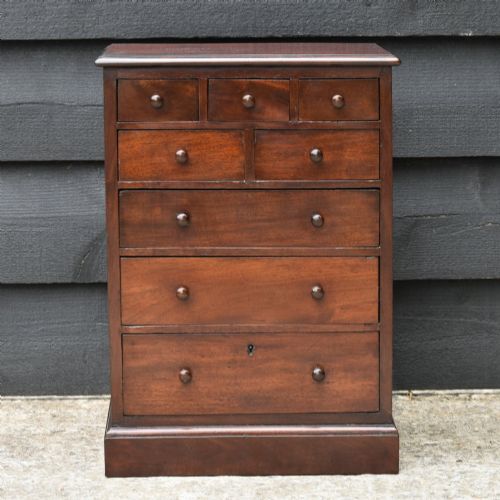
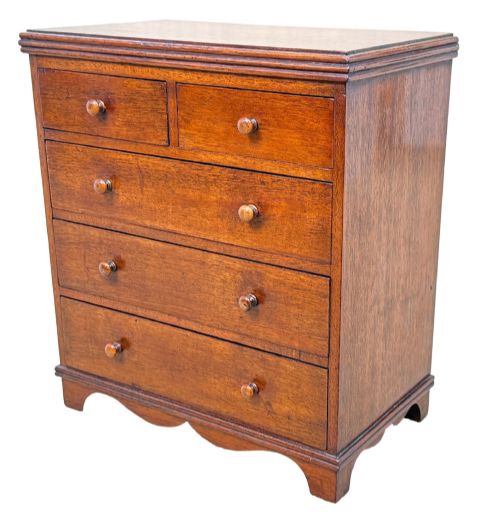
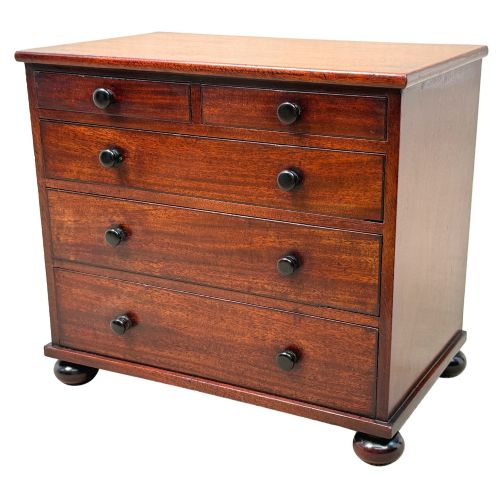
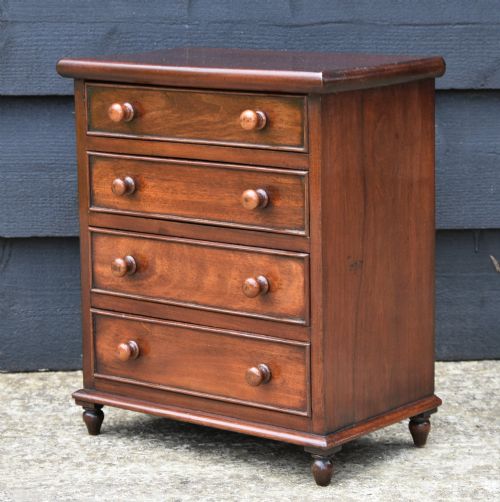
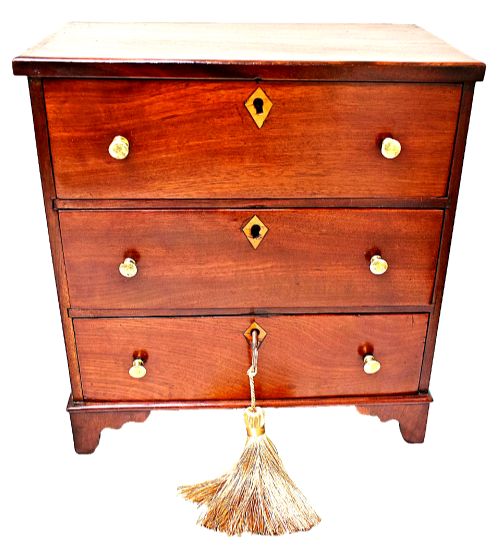
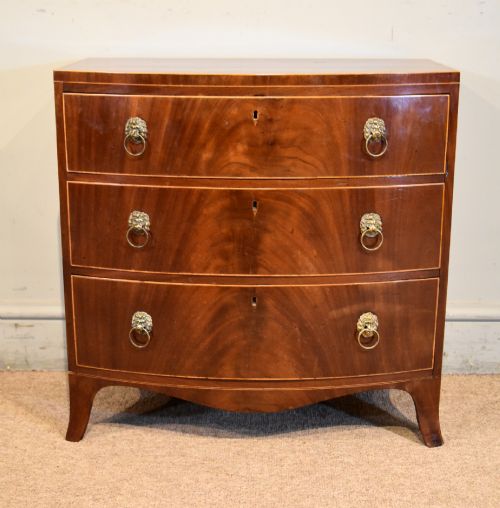
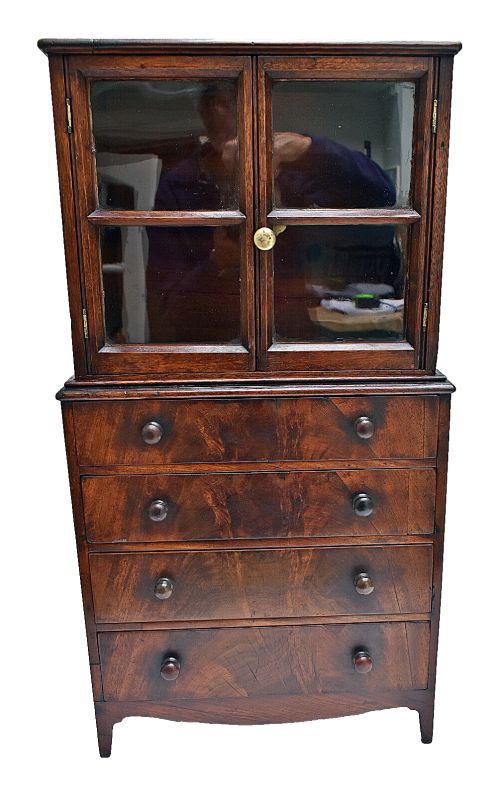
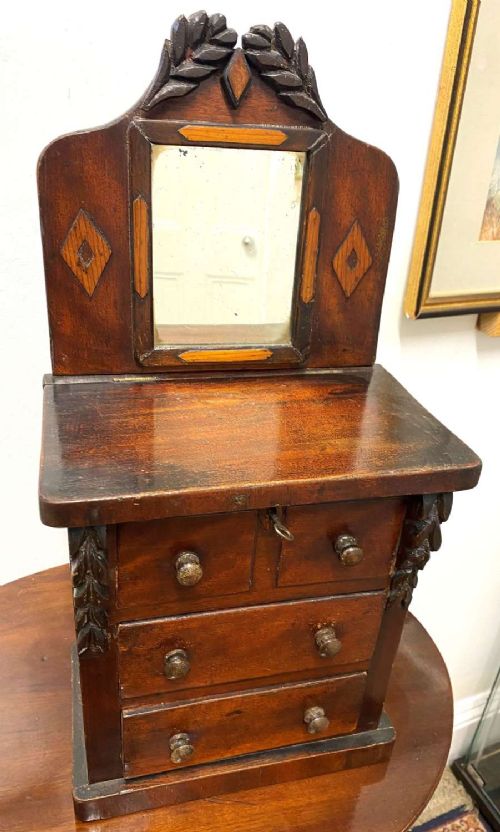
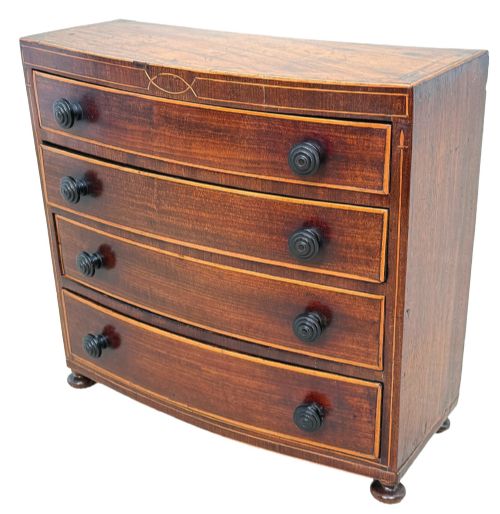
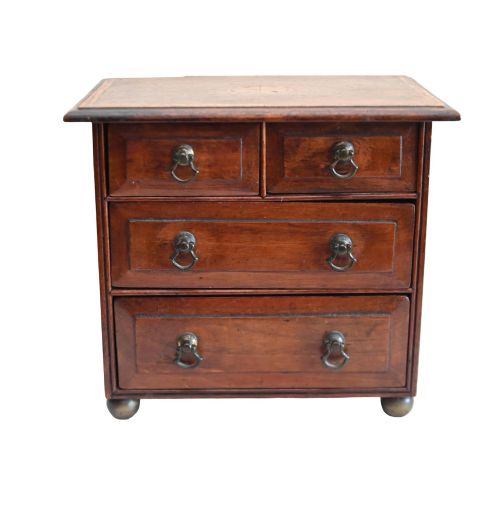
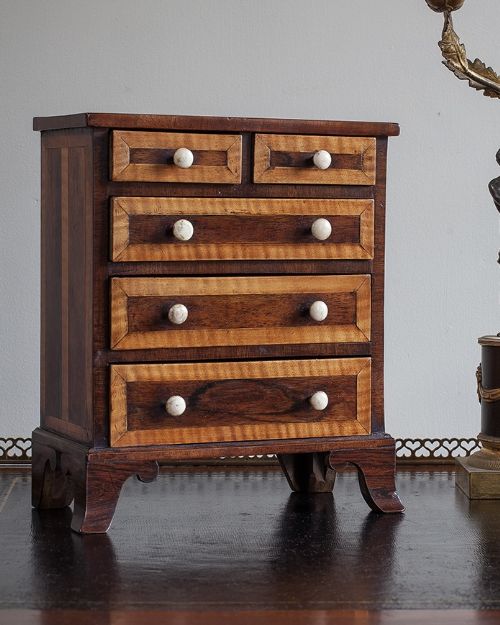
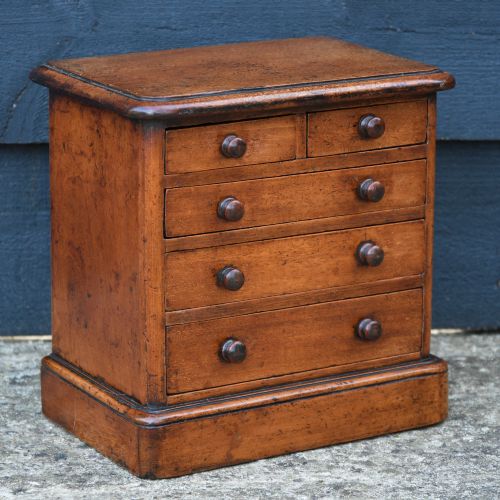
An antique apprentice piece is a small-scale masterwork created to demonstrate woodworking skill, most frequently encountered here as a miniature chest of drawers.
Antique Apprentice Piece
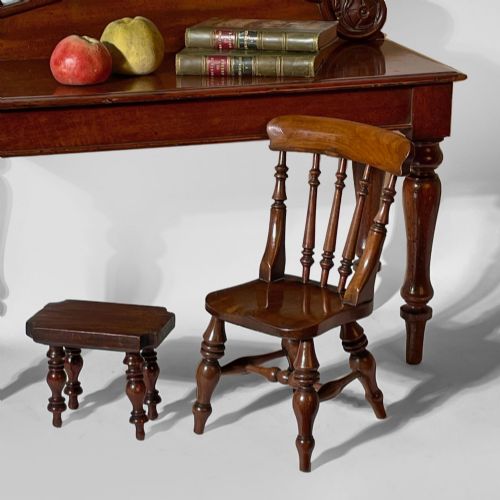
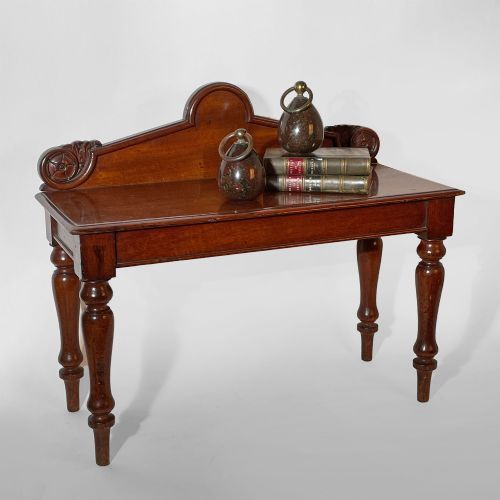
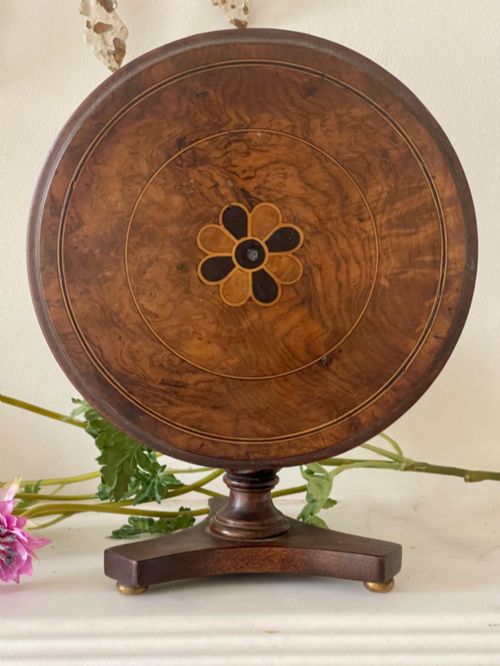
The most common form on this page is the miniature chest of drawers, appearing across Georgian, Regency, and Victorian periods. Other discovered forms include miniature bookcases, mule chests, tables, chairs, and specialised items such as brass and iron fireplaces.
Origins span English, Scottish, and French workshops, utilising the exact dovetailing and construction methods found in full-sized domestic furniture of the eighteenth and nineteenth centuries.
How They Were Made
Cabinet makers constructed these small items primarily from dense hardwoods such as mahogany, walnut, and oak, occasionally incorporating pine for secondary framing. Surfaces often received a French polished finish to highlight the grain of the timber.
Makers employed miniature versions of full-scale joinery techniques, including hand-cut dovetails for drawer boxes, turned feet, and detailed brass hardware such as engraved handles or escutcheons.
Antique Apprentice Piece Retail Price Guide 2026
Typical asking prices for apprentice piece among the pieces listed under this phrase on Sellingantiques today, from the lower quarter to the upper quarter. They describe what is for sale here now, not the wider market.
One remarkably ambitious trainee even carved a miniature slate model of a chest of drawers.
What Varies in Quality
The distinction between superior pieces and simpler examples lies in the precision of the scaling and the complexity of the timber work. Top-tier items exhibit minute dovetailing, perfectly proportioned mouldings, and matching wood veneers.
Secondary elements such as secret drawers, fine inlay, and original brass fittings elevate a piece above standard workshop exercises. Condition of the timber surface and the presence of a deep, aged patina also determine the standing of an individual object.
The Antique Apprentice Piece Glossary
- Dovetail
- A joint formed by interlocking wedge-shaped fingers, commonly used in drawer construction. This joint provides exceptional tensile strength.
- Mule chest
- A storage chest featuring one or more drawers at the base beneath a hinged lid. They bridge the design gap between traditional coffers and modern chests of drawers.
- French polish
- A shellac finish applied in numerous thin layers using a rubbing pad to achieve a high gloss. It deepens the colour and reveals the grain of hardwoods.
- Escutcheon
- A protective plate surrounding a keyhole, frequently made from brass or bone on these miniature items. It prevents the surrounding wood from wearing down during key use.
Antique Apprentice Piece: Frequently Asked Questions
What is an apprentice piece?
An apprentice piece is a small-scale model built by a woodworking trainee to demonstrate competence in traditional furniture making. These items allowed young craftsmen to prove their abilities to master joiners.
They mirror the exact construction methods of domestic furniture, scaled down for practical display or examination.
How were these miniature items used?
Makers originally created them as proof-of-skill objects or working furniture samples for clients to inspect. Some later functioned as specialised jewellery chests, tea caddies, or tabletop display cabinets.
Over generations, collectors valued them as decorative objects due to their intricate proportions and utility in small spaces.
How do I date a miniature chest?
Dating relies on identifying the prevailing furniture style, such as Georgian bracket feet, Regency rosewood veneers, or Victorian turned feet. Wood choice and construction techniques like hand-cut dovetails also indicate the period of origin.
Comparing the secondary timbers inside the drawers helps confirm whether the piece belongs to the eighteenth or nineteenth century.
Are these the same as salesman samples?
Salesman samples served a commercial purpose as portable travel items used to show furniture designs to prospective buyers. Apprentice pieces served an educational purpose within the workshop.
Both categories overlap significantly in size and form, leading many dealers to group them under similar historical descriptions.